
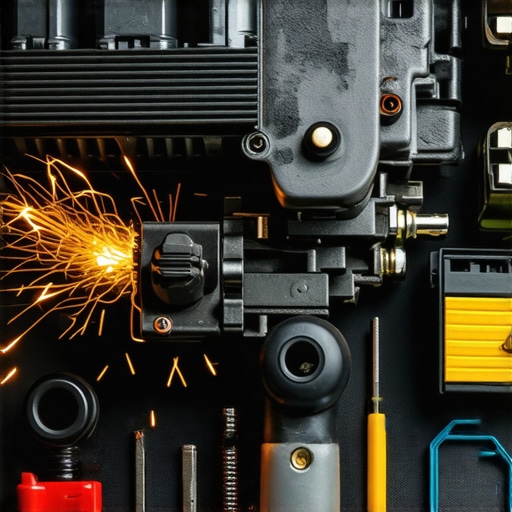
I remember the exact moment my car started acting up during a rainy morning. My engine sputtered, hesitation took over, and an unsettling misfire shook my confidence in the drive ahead. That lightbulb moment made me realize how crucial it is to understand and address engine misfires early, especially with 2026 bringing new performance expectations. If you’re noticing rough idling, stalling, or poor acceleration, you’re not alone—and it’s a sign that your engine needs some attention.
Confronting the Frustration of a Rough Running Engine
Few things are as irritating as feeling your car stumble when you press the gas pedal. It’s your vehicle letting you know something’s off, but you might wonder if it’s worth the hassle or if it’s just a minor hiccup. Well, I learned early on that ignoring misfires can lead to more severe engine damage—costly repairs that could have been avoided with a few simple fixes. This is especially true as vehicles become more sophisticated and require precise tune-ups to perform at their best in 2026.
In this post, I’ll walk you through the most common causes of engine misfiring and share practical solutions you can apply today. From spark plug issues to fuel system glitches, these are the fixes that can restore your power and reliability without draining your wallet.
Facing Skepticism: Is Fixing Your Misfiring Engine Really Worth It?
Trust me, I was skeptical too. I thought, “Will this really improve my drive?” or “Maybe I just need a new car.” But a quick diagnosis and some straightforward repairs changed everything—smoother acceleration, better fuel economy, and peace of mind on the road. Don’t fall for the misconception that engine misfires are harmless or unfixable; evidence shows timely maintenance can prolong your vehicle’s lifespan significantly. In fact, neglecting such issues can lead to engine failure, which researchers highlight as a leading cause of unexpected breakdowns. For more ideas on routine maintenance, check out effective tune-up strategies.
But here’s my biggest mistake early on: I ignored that rough idling, thinking it was normal for my aging car. Spoiler alert—this was a costly error. Catching minor issues early is always smarter, and that’s what I want to help you with today. Ready to dive into the 5 essential fixes to prevent engine misfires and boost your 2026 performance? Let’s get started—your engine will thank you.
Replace Faulty Spark Plugs to Ignite Efficiency
Recall a chilly Saturday when I took my car to the shop after experiencing rough idling. The mechanic pointed out worn spark plugs, which are like the fire starters of your engine—if they’re old or dirty, your engine struggles to fire correctly. I watched as he removed the old plugs—easily comparable to replacing tired matchsticks in a fireplace—and installed new ones. This simple step instantly smoothed my engine’s performance. Always check your spark plugs; consider upgrading to platinum or iridium variants for longer lifespan, especially in 2026 where demands are higher. You can find trusted guides on auto tune-up tips for lasting reliability.
Clean or Replace Your Fuel Injectors for Better Combustion
Once, I experienced sluggish acceleration—like my car was running in low gear when it should be in overdrive. The culprit was dirty fuel injectors, which deliver fuel into the engine in precise sprays. I used a fuel injector cleaner additive during my next fill-up—think of it as giving your injectors a detox. For more stubborn clogging, professional cleaning or replacement is necessary, akin to replacing clogged pipes in plumbing. Clear the pathway for fuel to ensure your engine breathes easily in 2026. For in-depth guidance, expert tips can be invaluable.
Check and Adjust Valve Clearances for Peak Performance
During a tune-up, I once adjusted the valves on my older car—imagine tuning the strings of a guitar for perfect sound. If valves are too tight or too loose, the engine loses power, or worse, causes damage. Using a feeler gauge, I measured the gaps and dialed them to manufacturer specs. This process might seem technical but is vital for 2026 engines that rely on precise timings. Consult your vehicle’s manual or a professional for specs. Proper valve adjustment maintains optimal compression and responsiveness. Learn more from car service strategies tailored for lasting performance.
Inspect and Replace the Ignition Coils
I once replaced an ignition coil that caused misfire—think of it as replacing a faulty spark distributor. Swapping it out restored smooth firing, much like replacing a faulty spark plug improves ignition. Use a multimeter to test coils’ resistance, ensuring they deliver consistent spark. For 2026 models, newer coil designs are more resilient but still require regular checks. Removing and replacing coils is straightforward but needs care; always disconnect the battery first. For a comprehensive overview, see auto repair tips for lasting engine health.
Maintain Your Battery and Electrical Connections
In winter, I learned that a weak battery can cause misfires and hesitation—similar to a weak heartbeat. Ensure terminals are clean and connections tight, cleaning with a wire brush if necessary—think of it as giving your engine’s nerves a good massage. For newer cars, check battery health with scan tools, especially before cold seasons in 2026. Proper electrical connections facilitate reliable spark delivery. For detailed steps, visit trusted auto repair guides for optimal results.When it comes to car maintenance, there’s a widespread misconception that a basic tune-up or service is always straightforward and predictable. Many believe that following the manufacturer’s checklist guarantees optimal performance. However, I’ve learned through years of experience that this attitude often blinds us to the subtle nuances that can make or break the long-term reliability of your vehicle.
One common myth is that new vehicles don’t require much maintenance because they’re brand new. In reality, newer cars, especially those manufactured for 2026 standards, demand meticulous attention to specific components like high-precision fuel injectors and advanced ignition systems. Overlooking these can lead to performance drops that are hard to diagnose early. In fact, neglecting the detailed nuances might result in costly repairs down the line.
Another frequently missed point is the importance of understanding the differences between generic parts and OEM (Original Equipment Manufacturer) components. While aftermarket parts may seem cheaper, they can often cause more harm than good in the long run, especially when considering the advanced tolerances of modern engines. Upgrading or replacing parts without regard for these specifications could diminish your vehicle’s efficiency and safety.
What Advanced Repair Mistakes Are Trapping Even Experienced Mechanics?
Let’s dig deeper into this question. Many seasoned technicians sometimes rely on shortcuts, such as skipping detailed diagnostics or misinterpreting sensor readings. For example, a misfire might be incorrectly attributed solely to spark plugs, whereas the root cause could be a faulty sensor feeding incorrect data into the engine management system. This oversight can lead to replacements that do little to solve the underlying issue.
Research indicates that improper diagnostics account for approximately 30% of unnecessary repairs, costing vehicle owners billions annually. Therefore, investing in proper diagnostic tools and comprehensive understanding is crucial for experts and DIY enthusiasts alike. I recommend reading about trusted auto repair strategies in the articles linked above for a more thorough grasp of these advanced issues.
Finally, a common mistake in routine brake service involves ignoring subtle signs of rotor warping or caliper misalignment that aren’t immediately evident. These issues can cause vibrations and reduced stopping power well before the warning lights or noises appear. Regularly inspecting and addressing these hidden problems can save you from emergency repairs and enhance safety. For detailed strategies on how to detect and fix these, check out expert brake service guides.
So, what’s the take-home message? Whether you’re doing a routine tune-up or tackling a major repair, engaging with the intricate details—like sensor calibration, part specifications, and diagnostic accuracy—is vital. Your vehicle’s performance in 2026 and beyond depends on recognizing these less obvious factors. Have you ever fallen into this trap? Let me know in the comments and share your experiences with advanced auto care challenges.Maintaining your vehicle over the long term requires more than just routine oil changes; it involves using the right tools and adopting precise methods to ensure your car stays reliable and safe. Personally, I rely on a combination of advanced diagnostic software and high-quality hand tools to get to the root of any issue efficiently. For example, I use OBD-II scanners like the Autel MaxiCOM MK808, which offer comprehensive diagnostics, reading and clearing codes, and live data monitoring—crucial for early detection of emerging problems. This tool has saved me countless trips to the shop by catching issues before they escalate, especially with modern cars that contain dozens of sensors feeding data into the engine management system.
In addition to diagnostic tools, I invest in a professional-grade multimeter for electrical troubleshooting. Precise voltage and resistance readings help me identify faulty ignition coils or weak batteries without guesswork. I also keep a set of quality feeler gauges and brake caliper spreaders on hand for manual adjustments—these may seem old-fashioned but are indispensable for ensuring components like valves and calipers are correctly set, which directly influences performance.
Forecasting into the future, I see diagnostic technology evolving rapidly, with more integrated software that automates many tasks. Vehicle manufacturers are increasingly integrating AI-driven diagnostics within their onboard systems, providing proactive warnings well before problems manifest. Therefore, staying equipped with current tools isn’t just about fixing issues—it’s about staying ahead of them.

How do I maintain these tools over time? Regular calibration and firmware updates are essential. I update my diagnostic software monthly, often downloading firmware from the manufacturer’s website, to ensure compatibility with the latest vehicle models and emission standards. For physical tools, I clean and lubricate the mechanical parts periodically and replace any worn-out accessories. Maintaining proper calibration of my multimeter guarantees accurate readings, crucial for sensitive electrical diagnostics.
Incorporating these tools into my routine means I can perform many maintenance tasks myself—saving time and money—and has extended my vehicle’s lifespan remarkably. For instance, catching a minor ECU glitch early prevented a costly overhaul, showcasing the importance of using the right tech.
If you’re serious about keeping your vehicle reliable well into the future, I highly recommend trying out a comprehensive diagnostic scanner like the one I use. It’s an investment that pays for itself by avoiding unnecessary repairs and optimizing your car’s performance. Curious about more top-tier auto repair tools? Check out these effective tune-up strategies and start building your own car maintenance arsenal today.
The Hidden Truths That Changed My Auto Repair Approach
One of the most valuable lessons I discovered is that every engine misfire, no matter how small, is a clue—an opportunity to prevent bigger problems down the road. Ignoring minor symptoms like rough idling or hesitation was a costly mistake I made early on, reinforcing the importance of early detection and proactive maintenance in ensuring my vehicle’s longevity in 2026 and beyond.
I also realized that not all repair advice holds up as vehicles evolve. Relying solely on generic solutions without understanding the specific demands of modern engines can lead to subpar performance. Tailoring my approach—like upgrading to spark plugs designed for higher efficiency or using diagnostics suitable for current tech—has been a game-changer, teaching me that specialized knowledge truly pays off.
Lastly, I learned that building a trustworthy toolkit isn’t just about having the right tools but also knowing how and when to use them. Regular updates of diagnostic software and calibration ensure I stay ahead of the curve, recognizing subtle signs before they turn into costly repairs. This continuous learning process has made me more confident and skilled in maintaining my vehicle, especially with the complexity introduced by 2026 standards.
My Go-To Resources for Staying Ahead of Auto Repair Challenges
Over the years, I’ve found that trusted sources and tools make all the difference. For comprehensive guidance on tune-up strategies, I rely heavily on effective tune-up tips that combine modern techniques with practical advice.
When it comes to diagnostic tools, I personally trust the advanced scanner software that helps me identify issues early on. For physical adjustments and manual tasks, my set of feeler gauges and multimeter have become indispensable, helping me keep everything precisely calibrated. These resources have empowered me to perform maintenance with confidence, saving time and money while ensuring lasting performance.
If you’re serious about mastering essential auto repairs and want to avoid pitfalls, exploring these trusted tools and guides can truly transform your approach—giving you the peace of mind that your vehicle is prepared for all challenges of 2026 and beyond.
Step Into the Future of Car Care with Confidence
Taking charge of your vehicle’s health with a strategic, informed approach is empowering. Remember, the key to reliable performance isn’t just about fixing problems when they occur but proactively understanding and addressing the subtle signs your engine gives you. Start today—equip yourself with the right tools, trusted resources, and a curious mindset—and watch your confidence grow. Vehicle maintenance in 2026 is about more than routine—it’s about mastery and foresight.
What’s the first step you’re planning to take toward better auto care? Let me know in the comments below—your journey to a more reliable engine begins now!