
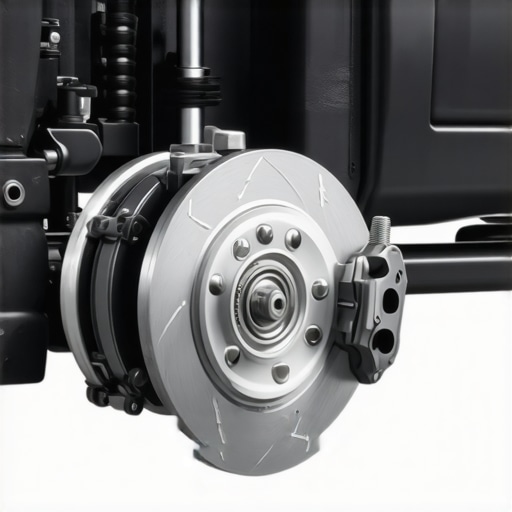
It was a chilly morning when I first noticed my car unsettling me—just a gentle press on the brake pedal, and suddenly, my vehicle lunged forward unexpectedly. My heart skipped a beat. At first, I brushed it off, thinking maybe I was overreacting or that it was a quirk of the weather. But as days went by, that little jolt turned into a persistent concern. This sneaky issue not only disrupted my daily drive but also had me questioning my vehicle’s safety.
If you’ve ever felt that unnerving lurch during braking, you’re not alone. Many drivers encounter similar situations, often ignoring them until a minor problem turns into a costly repair or, worse, a safety hazard. The truth is, ignoring signs like lunging brakes can lead to compromised stopping power, increasing the risk of accidents. And as vehicles get smarter and more connected, they also become more complex—making it vital to understand what’s happening underneath the hood.
Today, I want to share what I’ve learned about the top four brake system repairs that will help ensure your safety in 2026 and beyond. No need to panic—these issues are common, fixable, and often straightforward once you know what to look for. Recognizing early warning signs can save you big bucks and keep you safe on the road.
But before we dive into specific fixes, I want to address a common worry many folks have: “Is brake repair really as complicated and expensive as it sounds?” Honestly, I used to believe it was a nightmare—until I made a costly mistake early on. I ignored that squealing noise for too long, thinking it was just dust or a worn pad. Turns out, I could have avoided a much pricier rotor replacement if I had paid attention sooner. Learning from that slip-up, I now focus on regular inspections and understanding the root causes.
This knowledge is empowering, and it can make all the difference in maintaining your vehicle’s safety and performance. I strongly suggest checking out [this guide on brake service red flags](https://glassfixauto.com/dont-overpay-for-brake-service-4-repair-red-flags-2026) to get familiar with the signs that your brakes might be begging for attention.
Now, enough of the worries. Let’s get to the practical solutions that will keep your car stopping smoothly and reliably. Ready? Here are the most common brake issues and what you can do about them.
Start with a Thorough Inspection
Before diving into repairs, visualize your braking system as a team of workers at a construction site. Each part must be inspected to identify worn or damaged components. I once spent a rainy Sunday removing the wheels of my car, checking the brake pads for thinning and the rotors for grooves. This initial step prevents unnecessary replacements and pinpoints the real culprit behind that unsettling jolt during braking. Use a flashlight and a mirror to inspect behind the wheel for leaks or caliper corrosion. If anything looks suspect, don’t wait—schedule a professional assessment or consult detailed guides like this resource on brake service tests.
Disassemble the Brake Components Carefully
Think of this process as deconstructing a puzzle. Remove the wheel, then disassemble the brake caliper and rotor with precision, using the proper tools. Keep track of bolts and small parts—loose screws can cause future issues. During disassembly, look for uneven or glazed pads, rust, or cracked rotors. I once used a breakage-prone crowbar for leverage, which chipped the rotor edge—lesson learned: handle parts gently. Cleaning all components with brake cleaner removes dust and grease, setting a clean stage for reassembly. Remember, glove protection is essential because brake dust can be hazardous. If you’re unsure, review this guide on brake service red flags for detailed disassembly tips.
Replace or Repair Worn Parts Effectively
Here’s where the rubber meets the road. If brake pads are below 3mm thickness or show uneven wear, replace them. For rotors with deep grooves, cracks, or warping, consider machining or replacing. I once replaced brake pads myself; it was straightforward with a caliper piston compressor, saving me money. Use quality parts suited for your vehicle model—OEM parts are often the best choice. Apply anti-seize compound to bolt threads to prevent rusting and ensure easy future removal. For calipers sticking or leaking, rebuild or replace. Keep in mind that fixing just the surface issues without addressing underlying problems is a trap—discuss your options with a trusted mechanic or consult this resource for best practices.
Reassemble with Precision and Test
This final step is like fitting the last pieces of a custom puzzle. Align the rotor carefully onto the hub, then reconnect the caliper and secure all bolts to manufacturer torque specs. After reinstallation, pump the brake pedal slowly to restore hydraulic pressure—skipping this step can lead to spongy brakes. Test drive at low speed to ensure smooth braking without pulling or squealing. During my own test drive, I listened for any unusual noises and checked for vibrations—if anything felt off, I revisited the specific component. Remember, regular brake fluid checks and replacement are crucial for safety; consider inspecting [fluid levels and condition](https://glassfixauto.com/check-these-5-fluids-for-a-smooth-2026-car-service) periodically.
Many car enthusiasts believe they understand the basics of tune-ups and auto repairs, but the truth is, there’s a lot more complexity beneath the surface. One common misconception is that a simple oil change or spark plug replacement is all a tune-up entails. In reality, a comprehensive tune-up involves diagnosing subtle engine behaviors and understanding how minor components interact to keep your vehicle running smoothly. For instance, neglecting to inspect a vehicle’s PCV valve or engine sensors during routine service can lead to overlooked inefficiencies and long-term damage. Experts have noted that ignoring these nuances can cause more costly repairs down the road—something I learned when my own car’s sluggish performance was linked to a tiny, neglected vacuum leak that could have been caught early with proper diagnostic procedures. This is where trusting vague ‘fix-its’ without proper knowledge becomes a trap; many mechanics might focus only on visible parts and miss hidden issues. Advanced diagnostics, including computer-aided testing, are essential for uncovering problems that aren’t apparent during a casual inspection.
There’s also a pervasive myth that auto repairs are always expensive and complicated. However, understanding common pitfalls, like overlooking the importance of regular fluid checks—such as transmission and brake fluids—can empower you to prevent serious issues. For example, dark, contaminated brake fluid not only reduces braking performance but can also corrode vital components, leading to costly repairs. Regularly checking and replacing these fluids as part of a proactive maintenance schedule can save hundreds or even thousands of dollars over the vehicle’s lifetime. Additionally, many owners miss the significance of the age and condition of rubber hoses and belts; these parts degrade over time and can cause catastrophic failures if not replaced proactively. This nuanced knowledge separates seasoned DIYers from casual owners who only react to symptoms. For combined insights on this matter, explore reliable service strategies.
Engine misfires despite recent maintenance might be caused by subtle issues like faulty fuel injectors, clogged air filters, or worn ignition coils. These problems are often invisible during simple inspections but can significantly impact performance. According to automotive expert advice, using diagnostic tools to track misfire patterns can reveal underlying causes that standard tune-ups may overlook. Ensuring your mechanic performs comprehensive testing prevents these persistent problems from recurring and prolongs engine health. Remember, a true tune-up considers all small, interconnected factors—beyond just replacing parts—to optimize engine efficiency. Would you like to know more about advanced diagnostic techniques? Check out this guide. Have you ever fallen into this trap? Let me know in the comments. Maintaining your car’s performance isn’t just about quick fixes; it requires precision tools, consistent habits, and an understanding of what your vehicle needs as it ages. One of my go-to investments is a digital code reader, like the OBD-II scanner. This device allows me to instantly diagnose engine issues from the comfort of my driveway. I personally favor models that connect wirelessly to my smartphone, enabling quick scans and alerts if something’s amiss. Regularly checking engine codes helps catch problems early, saving money and preventing breakdowns. Additionally, a high-quality torque wrench ensures that bolts—whether on the brakes or the engine—are tightened to manufacturer specifications, which is critical for safety and longevity. I recommend investing in a versatile set of socket wrenches and screwdrivers, since tight spaces are common during repairs and maintenance. For fluid checks, a simple refractometer can be invaluable for assessing brake and coolant fluids’ purity and moisture content, helping avoid corrosion and component failure. As vehicles continue to evolve, diagnostic technology is becoming smarter. In the future, AI-powered diagnostic tools might analyze your driving habits and vehicle data in real-time, providing personalized maintenance schedules—it’s an exciting development I look forward to exploring. Over the years, I’ve curated a collection of specific equipment that has saved me time and money during auto tune-ups and repairs. For brake service, I rely on a brake caliper piston compressor; this tool allows me to retract pistons smoothly when replacing pads, ensuring proper fit without damaging components. I personally prefer a digital infrared thermometer to monitor brake disc temperatures after a test drive—this helps identify uneven pad wear or hot spots that could indicate underlying issues. When inspecting fluid levels and conditions, a digital hydrometer helps assess brake fluid’s moisture content, facilitating proactive replacements before corrosion sets in. For detailed inspections, a telescoping mirror and LED flashlight are essential; they give me visibility into hard-to-reach areas, preventing overlooked problems. I also make use of a vibration analysis app on my smartphone, which detects irregularities during test drives and indicates axle or bearing issues early. As technology advances, integrating these tools with smartphone apps offers real-time data analysis, enabling proactive maintenance rather than reactive repairs. Looking ahead, augmented reality (AR) visualization tools could guide DIY enthusiasts through complex repairs step-by-step, bridging the gap between professional mechanic and amateur. For an extra edge, I recommend trying out a diagnostic scan with your OBD-II reader before your next oil change or brake inspection—it’s a small step that can reveal hidden faults and extend your vehicle’s lifespan. For more insights into advanced diagnostic methods, check out this comprehensive guide on reliable car service strategies. One of the biggest lightbulb moments for me was realizing that routine inspections could have saved me from costly repairs. Waiting until something broke often meant facing inconvenient breakdowns and hefty bills. Now, I proactively check fluids and listen to my vehicle’s subtle cues, understanding that small, consistent habits prevent big headaches down the road. Another insight was the importance of trusting quality parts over cheap fixes. I used to prioritize saving a few bucks on brake pads, only to end up replacing rotors prematurely. Investing in reliable, OEM parts proved to be more cost-effective in the long run, ensuring safety and peace of mind during every drive. I’ve also learned that relying solely on mechanic recommendations without doing my homework isn’t wise. Educating myself with resources like this guide helped me ask the right questions and avoid unnecessary upsells. Knowledge empowers you to make smarter choices for your vehicle’s health. Understanding that your vehicle’s health is a mirror of your own habits was a profound realization. Regular maintenance, such as checking brake fluid and inspecting belts, is like taking vitamins—it keeps everything running smoothly and prevents future ailments. Consistency is key; small steps today protect your investment tomorrow. As technology advances, I’m excited about integrating AR tools that could guide even amateurs through complex repairs—making auto maintenance more accessible and less intimidating. Trust me, investing in the right tools transforms car care from a chore into a rewarding experience. Taking charge of your vehicle’s maintenance isn’t just about fixing problems; it’s about empowering yourself to drive safely and confidently. Every small effort counts—regular inspections, quality parts, and the right tools will extend your car’s lifespan and optimize its performance. Remember, the road to reliable auto repair is a journey worth every step. What’s one maintenance habit you’ve implemented that made a noticeable difference? Share your story below—I’d love to hear how you take care of your car! ,How do I keep my vehicle running smoothly over time?
What are some tools I trust for effective auto maintenance?
Lessons I Wish I Had Learned Sooner About Tuning Up and Maintaining My Car
My Go-To Tools That Make Auto Maintenance Easier and Safer
Keep Moving Forward: Your Auto Care Journey Starts Now
I recently experienced a similar issue with my brakes lunging unexpectedly, and it turned out to be a stuck caliper caused by corrosion. Regular inspections, like checking pad thickness and rotors, can really prevent these surprises. I’ve learned that paying close attention to squealing noises or uneven braking can be early indicators of deeper problems. What I find really helpful is using a simple brake fluid test kit to regularly monitor moisture levels as contaminated fluid can also cause performance issues. Has anyone noticed that after replacing pads, sometimes the pedal feels spongy until the system is bled again? That happened to me, and I learned that proper re-bleeding was key to restoring smooth braking. Overall, understanding these small details helps me stay ahead of costly repairs and keeps my car safe on the road. How do others here approach preventive maintenance for their braking systems to avoid such surprises?