
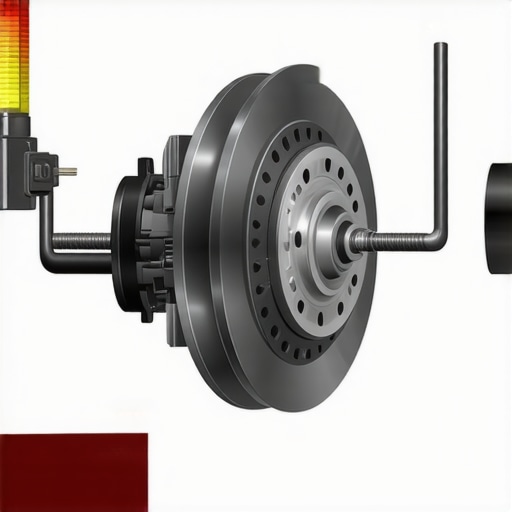
It was a scorching July afternoon when I first realized my brakes weren’t acting right. I was cruising down the highway, palms sweaty, when I noticed my brake pedal felt softer than usual, almost like it was sinking. Suddenly, that tiny voice in my head yelled, “Something’s off!” I had missed the subtle warning signs — signs that could have saved me from a potential disaster. That moment was a wake-up call, and I knew I wasn’t alone. Many drivers overlook the early signals of brake trouble until it’s almost too late, especially in preparation for long summer journeys.
Why Your Brake Fluid Might Be Failing You This Summer
As summer heats up, so does the risk of brake issues sneaking up on us. Brake fluid is the unsung hero in your car’s stopping power, but it’s often ignored until a warning sign appears. When brake fluid starts to deteriorate or gets contaminated, it can lead to longer stopping distances, spongy pedals, or even total brake failure. Given that a summer road trip without reliable brakes can turn into a nightmare, it’s worth paying attention now. According to industry experts, neglecting brake fluid health is one of the leading causes of preventable brake problems—so much so that it’s basic maintenance that can be overlooked but is crucial for safety.
Have you ever experienced that unsettling feeling when your brakes seem less responsive? If so, you’re not alone. Recognizing early warning signs can make all the difference and keep your summer travel plans peaceful. The good news? With a little proactive care, you can catch brake issues early. Ready to learn what to look out for? Let’s dive into the four critical warning signs that you should check before hitting the road.
Start with a Visual Inspection
Before getting behind the wheel, examine your brake system for signs of wear like worn pads, rust on rotors, or leaks around the brake lines. Use a flashlight to inspect the visible parts, and if you spot corrosion or cracked hoses, schedule a professional service immediately. This initial check is like giving your brakes a physical exam to catch issues early.
Test Brake Response and Pedal Feel
When you drive, pay close attention to how your brake pedal feels. A sinking or spongy pedal often indicates air in the hydraulic system or contaminated brake fluid. To evaluate this, find a safe, empty parking lot and gently press your pedal multiple times—if it feels soft or goes to the floor, it’s time for a thorough inspection. I once tested my brakes in an open lot and noticed the pedal was unusually soft, prompting me to consult a mechanic for urgent repairs.
Check the Brake Fluid
Dark or murky brake fluid can impair braking performance. Remove the cap on your master cylinder reservoir and inspect the fluid color—if it’s dark brown or black, it’s contaminated and needs replacing. Also, note the fluid level; low levels could point to leaks. For a comprehensive guide on brake fluid maintenance, see this step-by-step tutorial.
Bleed the Brakes if Necessary
If you feel air trapped in the system, it can cause a spongy pedal or reduced braking power. Bleeding the brakes removes air bubbles from the hydraulic lines. This process involves opening bleeder valves at each wheel while pressing the brake pedal steadily. Remember, bleeding brakes can be complex—consider consulting a professional or performing a step-by-step tutorial if you’re new to car maintenance.
Listen for Unusual Noises During Braking
Squealing, grinding, or other strange sounds when applying brakes indicate issues like worn brake pads or damaged rotors. Don’t ignore these signals; they can lead to more costly repairs if left unaddressed. For common fixes to squeaky brakes, visit this guide.
Plan for Professional Inspection
While these steps help you perform basic checks, scheduling a professional brake inspection ensures your system is in top shape. Mechanics can measure rotor thickness, check caliper function, and perform a comprehensive system review. Regular tune-ups—like the routine maintenance—extend your brake’s lifespan and improve safety.
Many car owners believe that a simple oil change or brake pad replacement suffices as a proper tune-up, but the reality is more complex. Contrary to popular myth, neglecting the importance of comprehensive inspections can lead to costly repairs down the line. For instance, many assume that as long as the brake pads look fine, they’re good to go, but what about the calipers or brake sensors? Experts highlight that sensor failure, which can be mistaken for normal wear, actually plays a crucial role in vehicle safety according to industry specialists. Over-relying on visual cues without understanding the electronics involved can be a dangerous trap to fall into.
Another common misconception is that a standard tune-up only means changing filters and spark plugs. While these are essential, advanced systems like variable valve timing and electronic control units require specialized attention. Overlooking these nuances often results in inefficient engine performance and increased emissions, which can threaten your vehicle’s longevity and your wallet. Car experts emphasize that one of the subtle but critical aspects of a proper tune-up involves diagnostics—using tools that read sensor data to identify issues invisible to the naked eye as outlined in this maintenance checklist.
It’s also worth noting the misconception around auto repairs during busy seasons. Many drivers delay repairs thinking issues will resolve themselves, but this is a risky gamble. For example, a minor coolant leak can quickly escalate into a complete engine overheating scenario if left unchecked. According to automotive research, early detection and intervention can reduce repair costs by up to 50% details here. This underscores the importance of not just routine maintenance but also being vigilant about the hidden signs that your vehicle exhibits.
Have you ever fallen into this trap? Let me know in the comments. Remember, a skilled mechanic looks beyond the obvious, considering advanced diagnostics and potential system interactions—an approach that can save you from unexpected breakdowns and hefty bills. For a deeper dive into what really goes into a professional tune-up, check this guide on critical steps for aging vehicles here. Your car’s health depends on your understanding and attention to these subtle details—don’t overlook them.Maintaining your vehicle’s health over time demands more than just obvious checks; it requires specific tools and methodological expertise. My preferred approach involves high-quality diagnostic equipment paired with systematic routines that ensure longevity and safety. For example, I rely heavily on a professional-grade scan tool like the Autel MaxiCOM MK808, which not only reads engine fault codes but also provides live data streams of vital sensors such as the ABS and brake system sensors—crucial for identifying issues like failing brake sensors before they escalate. Using specialized tools allows me to perform precise calibrations, like resetting electronic parking brake systems, which newer models implement for improved safety and performance, as discussed in detail in this industry report.
Lessons That Could Save Your Summer Road Trip
One of my most valuable insights came from realizing that simple visual checks outweigh relying solely on professional inspections—early signs like brake fluid discoloration or small leaks can often be spotted at home, preventing costly repairs later. Another lesson was understanding that brake systems are interconnected; addressing only worn pads without considering calipers, sensors, or brake fluid quality can lead to recurring issues. Additionally, I discovered that many drivers overlook the importance of regular brake fluid replacement, especially before long trips in hot weather—this oversight can cause the brake fluid to boil and reduce braking effectiveness. Lastly, I learned that investing in diagnostic tools and keeping a checklist for routine maintenance empowers you to catch problems early, saving money and ensuring safety.