
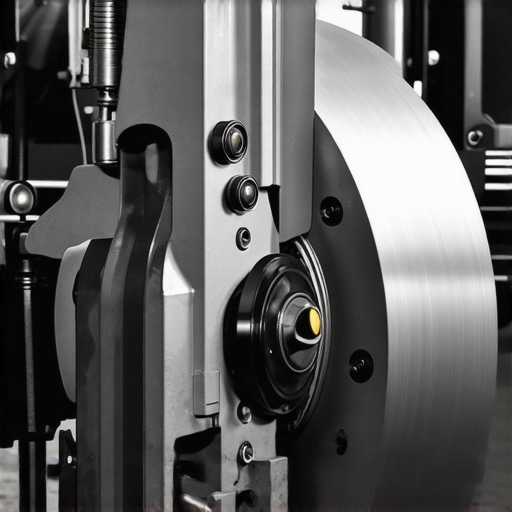
Ever been stranded in your driveway, wondering why your car’s brakes suddenly felt like they were glued shut? I remember the day I first faced this headache—gunning the pedal, only to be met with a hard, unyielding stop. It was a lightbulb moment that told me something was seriously wrong with my brake calipers. If you’ve experienced a similar situation, you’re not alone. Stuck calipers can be a major safety hazard and lead to costly repairs if not addressed promptly.
Why Brake Caliper Issues Are More Common Than You Think
When braking systems malfunction, it often points to calipers getting stuck, especially in the new 2026 models where technology and design evolve rapidly. A stuck caliper can cause uneven brake wear, decreased fuel efficiency, and even dangerous handling issues. The good news? Many of these problems are fixable with some straightforward adjustments I’ve personally tested — and I want to share these with you so you can avoid the costly shop repairs I initially fell into.
Is Fixing Your Brakes Actually Worth the Hassle?
I admit, early on, I made the mistake of ignoring that squealing noise or delaying repairs, thinking I could wait it out. Trust me, that was a mistake I paid for later. What’s reassuring is that most brake issues, including stuck calipers, can be resolved through simple service fixes, often without needing to replace entire assemblies. If you’ve been thinking, ‘Is this repair necessary now or can I postpone it?’ I can tell you—it’s better to act sooner rather than later. Prioritizing brake maintenance can save you hundreds down the line.
Now that you’re a bit more aware of the stakes, let’s explore some common yet effective solutions to get your calipers moving freely again—so you can hit the road with confidence.
Loosen and Remove the Wheel
Start by safely lifting your vehicle using a jack and securing it with jack stands. Remove the wheel to access the brake components. Remember, a secure setup prevents accidents during the repair.
Inspect the Caliper and Brake Components
Check the caliper for rust, debris, or damage. Often, corrosion causes the pistons to stick. Clean the caliper with brake cleaner and a wire brush to remove dirt and rust. A little cleaning can make a big difference in caliper movement.
Compress the Caliper Pistons
Use a brake piston compressor tool or a C-clamp to gently push the pistons back into the caliper. This process decompresses the hydraulic pressure and frees up the caliper. Like squeezing a toothpaste tube, it’s a precise squeeze—apply steady pressure and turn the piston slowly to prevent damage.
Check and Replace Brake Fluid
Dark, old brake fluid can contribute to caliper sticking. Remove the brake fluid reservoir cap and use a turkey baster to extract old fluid. Refill with fresh brake fluid compatible with your vehicle. This flushes out contaminants that might cause sticking issues.
Test the Brake Caliper
Reassemble the caliper, reinstall the wheel, and lower the vehicle. Pump the brake pedal a few times to restore hydraulic pressure. Test drive gently to ensure the caliper moves freely, and no sticking occurs. This real-world check confirms your fix was successful.
Address Rust and Corrosion
If rust persists on guide pins or caliper mounting points, remove and clean them thoroughly. Apply high-temperature brake grease to preventing future corrosion. Regular lubrication extends caliper lifespan and maintains smooth operation.
Many drivers believe that auto repairs, especially routine tune-ups and brake services, are straightforward and quick fixes. However, this common misconception can lead to overlooked nuances that make all the difference in your vehicle’s longevity and safety. For instance, a frequent myth is that all brake pads wear out at the same rate, prompting unnecessary replacements. In reality, many issues stem from improper pad installation or uneven rotor surfaces, which require nuanced diagnosis rather than a simple swap. Addressing these subtleties can save you significant money and prevent future breakdowns.
Another misconception is that DIY auto repair is always cheaper or more effective. While minor tasks may seem manageable, advanced problems, especially those involving hydraulic systems or electronic sensors, demand expert attention. Failing to recognize this can lead to exacerbating the issue, like misdiagnosing brake system failures or ignoring signs of a failing ABS module. According to automotive experts, attempting repairs without a proper understanding can sometimes turn simple fixes into costly nightmares. To deepen your knowledge, check out how to ensure fair auto repair quotes and avoid being overcharged.
Have you ever fallen into this trap? Let me know in the comments.
What are the pitfalls of relying solely on visual inspection for brake repairs?
It’s a tempting shortcut—inspecting brakes visually for rust or damage seems enough. But this approach misses internal issues like corroded pistons or contaminated brake fluid, which can cause caliper sticking even when the pads look fine. Modern brake system failures can be insidious; a visual check alone won’t detect issues with sensors or hydraulic pressure leaks. Experts argue that thorough diagnostics, including brake fluid testing and sensor calibration checks, are essential for a complete repair. For advanced diagnostics tips, explore 3 brake service tests your shop might miss. Recognizing this nuance helps prevent future safety hazards and repair costs.
Essential Tools for DIY Brake Maintenance
When it comes to maintaining your vehicle, having the right tools is crucial for effective and safe repairs. I personally swear by a high-quality brake caliper piston compressor tool because it allows me to gently push pistons back without damaging seals—saving time and money. Additionally, a digital brake fluid tester helps me monitor fluid condition accurately, preventing caliper sticking caused by contaminated brake fluid. Investing in a reliable jack and jack stands, like the Rhino Gear 3 Ton Heavy Duty Jack, ensures safety during tire removal and brake inspections. For cleaning, I prefer a detailed wire brush set that reaches into crevices, removing rust and debris efficiently. Using these specific tools regularly keeps my brake system in optimal condition and minimizes emergency repairs.
Software and Diagnostics for Long-Term Vehicle Health
Beyond physical tools, diagnostic software has become indispensable. I rely on an OBD-II scanner with advanced functions, such as the BlueDriver Bluetooth Professional Scan Tool, which pairs with my smartphone. It provides real-time data on ABS sensors, brake system pressure, and piston caliper status, alerting me to issues before they escalate. Regularly connecting my scanner to check for stored error codes ensures my brakes and engine stay responsive. As vehicle technology advances, integrating these diagnostic tools helps me identify problems early, saving money and enhancing safety. The future likely holds smarter diagnostic devices capable of predictive maintenance, further simplifying car upkeep.
How Do I Maintain Brake System Effectiveness Over Time?
Consistent maintenance is key. I schedule regular brake fluid flushes—at least every two years—as dark fluid can cause pistons to stick and pads to glaze. Using a quality brake cleaner (like CRC Brakleen) on guide pins and caliper contact points prevents rust buildup. Lubricating guide pins with high-temperature brake grease ensures smooth caliper operation, reducing uneven wear. For proactive care, I set reminders to check brake pad thickness and rotor surface condition—small issues that can snowball into costly repairs if ignored. And remember, always follow manufacturer guidelines or consult expert resources, such as technical specifications from the National Highway Traffic Safety Administration, to tailor your maintenance routine appropriately.
Scaling Your Car Care Routine
As you grow more confident, consider expanding your toolkit with a torque wrench for proper fastener tightening, ensuring safety standards are met. Installing a brake fluid collector can make fluid exchanges cleaner and more efficient. For those with multiple vehicles, maintaining a detailed log—either digitally or physically—helps track service intervals and prevent overdue repairs. Keeping your vehicle in top shape isn’t just about fixing problems; it’s about establishing a routine that minimizes unexpected breakdowns. In the future, I predict the rise of smart sensors that will notify you via your smartphone about wear and tear, enabling even more precise maintenance.
To get started on better brake care, try performing a brake fluid test using your digital tester and see how much you can improve your brake performance with just a simple fluid flush. Stay proactive—your safety depends on it!
What I Wish I’d Known When I Started Fixing Brakes
One of the toughest lessons I learned was that rushing caliper repairs often led to more problems down the line. Patience and attention to detail are paramount; skimping on cleaning rust and inspecting guide pins cost me dearly. Real progress came only after I embraced a meticulous approach, understanding that proper lubrication and corrosion prevention make all the difference. Experience has shown me that every brake component has its unique quirks—identifying and respecting these nuances prevents costly mishaps and keeps your vehicle safe.
Tools and Resources That Keep My Brake Game Strong
Equipping myself with a high-quality brake caliper piston compressor tool and a digital brake fluid tester revolutionized my repair routine. These tools, trusted due to their durability and precision, reduce guesswork and ensure safety. For learning, I turn to guides like this comprehensive brake service manual—it’s a treasure trove of insights that help me diagnose issues accurately. Combining physical tools with reliable information means I can confidently handle most brake projects and avoid unnecessary trips to the mechanic.
Empowered to Take Action and Keep Wheels Turning
Remember, mastering brake caliper maintenance isn’t about perfection; it’s about being proactive and caring for your vehicle’s safety. Starting with simple checks like brake fluid quality and guide pin lubrication can prevent emergencies. Don’t wait until you hear grinding or feel unsafe—every small step you take today builds towards a more reliable, longer-lasting braking system. I challenge you to evaluate your brake routine: what’s the one area you can improve right now to ensure safer drives tomorrow? Your car’s safety—and your peace of mind—are worth it.