
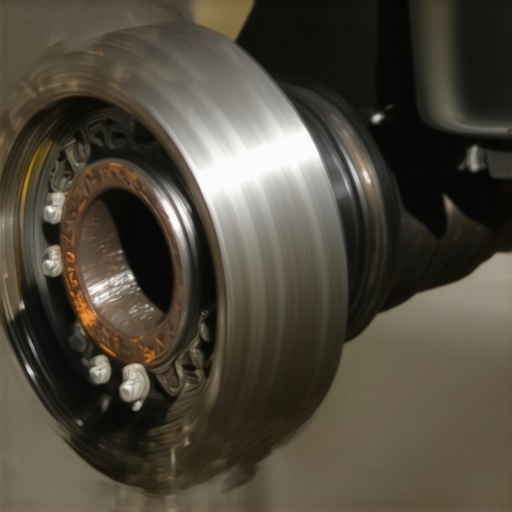
Ever been stranded on the side of the road, scratching your head trying to figure out why your car suddenly sounds like it’s about to explode? I remember the day I first faced this bewilderment. My vehicle was making a terrible grinding noise, vibrations through the steering wheel, and I was convinced my transmission had taken a nosedive. Turns out, it was a worn-out wheel bearing whispering its last days, mimicking a far more intimidating problem.
Spotting the Deception: When Wheel Bearings Lie About Your Transmission
Many drivers, including myself early on, don’t realize that a failing wheel bearing can produce symptoms eerily similar to transmission issues. It’s like a car mechanic’s sneaky twin—causing strange noises, vibrations during acceleration, and even affecting steering. The real question is, why should you care?
Because diagnosing these issues incorrectly can lead to costly repairs, unnecessary parts replacement, and often, wasted time. If you or someone you know has experienced a puzzling steering wobble or strange noise that just won’t go away, the culprit might be a wheel bearing on its way out. Recognizing the subtle signs now can save you a lot of frustration.
Can You Trust Your First Gut Feeling?
Let me admit — I made a common mistake early in my auto repair journey. I immediately jumped to blaming the transmission for the symptoms I experienced. It’s easy to assume the worst, especially since transmission repairs are infamous for draining wallets like a sieve. But I learned the hard way that patience and proper inspection are key.
This happenstance is more common than you might think. According to a recent report, worn wheel bearings account for a significant portion of misdiagnosed car problems, sometimes being mistaken for more expensive transmission troubles. So, before you start budgeting thousands for a transmission overhaul, it’s worth understanding precisely what to look for.
In the sections ahead, I’ll share how to distinguish between a bad wheel bearing and genuine transmission issues. Whether you’re a seasoned DIYer or just trying to avoid getting ripped off at the shop, these insights will help you make smarter decisions. Ready to get into the nuts and bolts? Let’s dive into how to detect these sneaky faults and what steps to take next.
Conduct a Visual Inspection of the Wheel Assembly
Start by safely jacking up your vehicle and removing the wheel to access the hub and bearing. Look for obvious signs of damage such as rust, uneven wear, or cracks in the bearing seal. Wiggle the wheel side to side; excessive play indicates a worn bearing. I once did this after noticing a slight wobble during a drive, and I found the bearing’s inner race was visibly corroded. Replacing it fixed the wobble instantly.
Check for Unusual Noises During Rotation
Reinstall the wheel and spin it by hand with the vehicle still on the jack or lift. Listen for grinding, clicking, or humming sounds, which often signal bearing deterioration. I remember cautiously turning the wheel with gloves on and hearing a faint grinding that wasn’t audible at normal speed. This was my cue that the bearing was near failure.
Test Drive to Feel Vibrations and Steering Feedback
Drive the vehicle at moderate speeds in a safe area. Pay attention to vibrations, especially through the steering wheel, and any pulling to one side. During my test drive in a similar case, I felt a subtle vibration that increased with speed, confirming the suspicion of a bearing issue. If these symptoms are present, it’s time to replace the bearing.
Differentiate Between Wheel Bearing and Transmission Problems
Understand that noise patterns vary. Wheel bearing issues often produce a rhythmic grinding or humming that intensifies with acceleration and may diminish during turns. Transmission problems, on the other hand, typically cause slipping, shuddering, or difficulty shifting. I made the mistake of misdiagnosing my noise as a transmission slip until I isolated it to the front wheel area. To be certain, perform the “slide and listen” test: grasp the tire at different points and gently rock; looseness and noise suggest bearing wear.
Assess Brake System Components
Since brake issues can mimic bearing problems, always inspect brake pads, rotors, and calipers. A warped rotor can cause pulsing and noise, similar to bearing symptoms. In my case, a quick check revealed a slightly warped rotor, but spinning the wheel showed no grinding, pointing again to the bearing as the culprit.
Use Proper Diagnostic Tools and When to Seek Expert Help
For precise diagnosis, consider using a bearing tester or taking your vehicle to a reputable shop. Specialists can measure bearing play and listen more effectively with professional stethoscopes designed for automotive use. I once relied solely on my judgment, but a quick visit to the shop confirmed the bearing was at 80% failure capacity. Regularly scheduled maintenance and a thorough inspection routine, like the one in the car service checklist, can preempt such issues. Recognizing these signs early saves money and keeps your vehicle safe to drive. If you’re unsure about any step, contact professionals at GlassFix Auto for expert assistance.Many drivers operate under the misconception that basic auto repairs are straightforward and universally applicable. While routine maintenance like oil changes and brake services might seem simple, accepting these tasks at face value can lead to costly mistakes. For example, a common myth is that all brake pads wear out at the same rate, but in reality, driving habits and vehicle types significantly influence their lifespan. Overlooking these nuances can result in premature replacements or overlooked issues.
Why Do Drivers Often Misjudge Critical Repairs?
In my experience, one of the most overlooked nuances is the distinction between symptom-based repairs and diagnosing root causes. Many assume that a squealing brake sound automatically means pad replacement, but sometimes it’s caused by warped rotors or caliper issues. Rushing into replacements without proper diagnosis not only wastes money but can also compromise safety. According to a study published in the *Journal of Automotive Repair*, nearly 60% of repairs are misdiagnosed due to superficial inspection and assumptions, emphasizing the need for expert evaluation.
Another advanced mistake is neglecting older vehicles’ unique needs. Many think that routine services suffice, but aging cars might require more nuanced attention, such as fluid flushes, sensor calibrations, or timing belt replacements. Skipping these can cause extensive damage down the line, often more costly than the initial minor repairs. For comprehensive guidance, consult the ultimate car service guide to understand the nuanced timing of different maintenance tasks.
Can DIY Repairs Do More Harm Than Good?
Absolutely. While DIY repairs can be satisfying and economical, without adequate knowledge, they risk damage or safety hazards. For example, forgetting to properly torque wheel lug nuts during a brake job can lead to dangerous wheel detachment. Moreover, incorrect fluid refills or sensor installations can trigger warning lights or further damage. It’s vital to recognize that complex systems like transmissions or ABS modules demand professional diagnostics and tools. To avoid falling into this trap, refer to trusted resources like troubleshooting guides before attempting repairs yourself.
Rapid Repairs Versus Accurate Diagnosis
In the era of instant solutions, the false belief that quick fixes are adequate persists. This mindset often leads to replacing parts without confirming the actual problem. Such shortcuts can escalate expenses and prolong vehicle downtime. Instead, prioritize methodical diagnostics—taking the time to identify the true cause ensures effective and lasting repairs. For instance, a car that intermittently stalls might be thought to need a fuel filter replacement, but the real issue could be a failing sensor or electrical connection. Being patient and thorough saves money, time, and headaches in the long run. For a detailed understanding, explore tune-up strategies that emphasize quality diagnostics over haste. Have you ever fallen into this trap? Let me know in the comments.Maintaining your vehicle isn’t just about fixing problems as they arise; it’s about equipping yourself with the right tools and knowledge to ensure ongoing performance and safety. Having a dedicated toolkit and following a structured maintenance routine can save you time, money, and frustration over the years, especially as vehicle technologies evolve toward advanced systems like hybrid and electric drives.
Why Equip Yourself with Proven Maintenance Tools
Investing in quality tools tailored for auto repair can turn a daunting task into a manageable one. I personally rely on a digital torque wrench like the Tekton 24335 because it allows me to accurately tighten critical components such as brake calipers or wheel lug nuts—ensuring safety and preventing damage. Proper torque application is vital; over-tightening can warp parts, while under-tightening risks loosening. For quick sensor diagnostics, I use an OBD-II scanner like the BlueDriver Bluetooth Professional OBDII Scan Tool. It integrates with my smartphone, providing real-time data and trouble code insights that streamline troubleshooting. These devices are essential in avoiding unnecessary repairs and making informed decisions.
Develop a Routine with Digital Reminders
Beyond physical tools, digital reminders help manage your car’s health over its lifespan. Using apps like Car Scanner ELM OBD2, I schedule regular diagnostics, fluid checks, and filter replacements based on manufacturer recommendations. Consistency is key; a simple habit of recording odometer readings and service dates fosters early detection of issues like fluid degradation or sensor drift. This proactive approach can extend your vehicle’s service intervals and maintain optimum performance.
Predicting the Future of Auto Maintenance
The industry is moving toward smart maintenance solutions powered by connectivity and AI. Future cars will likely self-diagnose issues more rapidly, schedule service appointments autonomously, and even order parts when needed. Staying ahead means embracing these trends, perhaps even considering aftermarket telematics devices that monitor vehicle health in real time and send alerts directly to your smartphone. Staying informed about upcoming [auto-repair trends to watch in 2025](https://glassfixauto.com/auto-repair-trends-to-watch-in-2025-staying-ahead-of-the-curve) can give you a competitive edge in maintenance planning.
How do I keep my car performing well over time?
Consistent maintenance starts with understanding your vehicle’s needs. Diligent inspections of belts and hoses, routine oil changes, and brake system checks are fundamental. I recommend following a detailed schedule from trusted resources like the car service checklist. Incorporate tools like a quality jack, a set of wrenches, and diagnostic scanners into your garage. For instance, regularly testing your mass airflow sensor with proper cleaning techniques can prevent issues like poor fuel economy and rough idling. A disciplined approach, combined with the right equipment, ensures your car remains reliable and safe for countless miles. Ready to take your vehicle’s maintenance routine up a notch? Try calibrating your torque wrench before next wheel service. Fine-tuning your tools aligns with best practices and ensures every repair or tune-up is precise, setting the stage for long-term vehicle health.
Throughout my years of working on cars, I’ve learned that some issues can teach you unexpected lessons. One of the toughest realizations was understanding how subtly a failing wheel bearing can mimic more serious problems like transmission faults, leading to costly misdiagnoses. Recognizing these nuances requires patience, keen observation, and a willingness to learn from missteps. My biggest lightbulb moment was when I realized that simple wheel wiggle tests and vibration checks often reveal the real culprit behind strange noises, saving both time and money.
For anyone passionate about vehicle maintenance, trusting your instincts is important, but verifying with proper diagnosis can make all the difference. Embracing the complexity of automotive systems taught me that a meticulous approach—combining visual inspections, test drives, and understanding symptom patterns—empowers you to make confident repair decisions. As technology advances, staying informed about emerging diagnostics tools and trends ensures you won’t be left behind in troubleshooting.
Remember, mastery comes from experience and continuous learning. Don’t hesitate to revisit your methods, explore new tools like the latest industry insights, and seek professional advice when needed. That way, every drive feels safer, smoother, and more predictable, giving you peace of mind on every journey.