
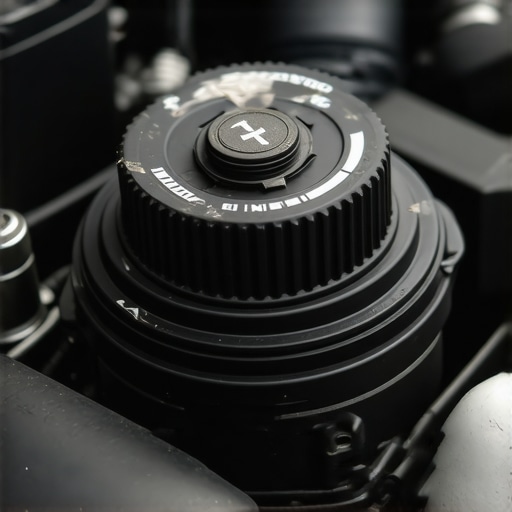
I remember the moment it hit me—cold sweat on my forehead as my check engine light blinked stubbornly during a traffic stop. It wasn’t a drastic breakdown, but it was enough to make my stomach sink. I had just done a quick fill-up at the gas station and thought, ‘It’s probably nothing.’ But that innocent little gas cap? Turns out, it’s more influential than most drivers realize.
Why That Tiny Gas Cap Could Be the Culprit Behind Your Car’s Mischief
Many vehicle owners overlook the significance of their gas caps—after all, it’s just a cover, right? Well, think again. A loose, damaged, or improperly sealed gas cap can create a vacuum in the fuel tank, causing the engine’s computer to detect a leak in the evaporative emission system. This triggers the check engine light and can even lead to engine misfires. It’s a classic case of the small stuff causing big headaches, and I’ve learned this the hard way after forgetting to tighten mine during a refill.
When I first encountered this issue, I assumed it was a faulty spark plug or a more complicated engine problem. It wasn’t until I used an OBD-II scanner to read the error codes that I realized the culprit was just my gas cap not being clicked into place properly. It’s a common oversight, yet it can cause the engine to misfire, rough idle, or poor fuel economy—a frustrating experience that can be easily fixed once you know what to look for.
So today, we’ll uncover how such a simple oversight can lead to engine misfires and what steps you can take to troubleshoot and resolve this issue yourself. Trust me, it’s a game-changer to understand how critical that tiny cap really is—and it might just save you a hefty trip to the mechanic.
Is Your Gas Cap Causing More Trouble Than You Think?
Before you dismiss this as trivial, consider that early in my repair journey, I made the mistake of ignoring the value of simple checks. I replaced parts that didn’t need replacing, wasting time and money. Now, I know better. That’s why it’s crucial to approach auto issues with patience and a little knowledge—especially about the small yet mighty gas cap. For a deeper dive into auto troubleshooting, check out common auto repair troubleshooting tips.
Check the Gas Cap Properly and Secure It
Start by locating your vehicle’s gas cap—usually on the side near the fuel door. Unscrew it completely, then inspect for any cracks, damage, or debris that could prevent a proper seal. If the cap is damaged, replace it with a new one that matches your car model. To ensure a tight fit, align the cap correctly and twist it clockwise until you hear it click multiple times—like sealing a jar tightly. I once forgotten to tighten mine after refueling, and within hours, the check engine light reappeared, confirming the importance of this simple step.
Use an OBD-II Scanner to Read Error Codes
After securing the gas cap, connect an OBD-II scanner to your vehicle’s diagnostic port—usually located under the dashboard. Turn on your ignition without starting the engine, and follow the scanner’s instructions to read any stored error codes. Codes like P0455 or P0440 typically relate to evaporative emission system leaks caused by a loose or faulty gas cap. I recommend the troubleshooting guide for additional troubleshooting tips before visiting a mechanic.
Reset the Check Engine Light Properly
Once you’ve tightened or replaced the gas cap and cleared the error codes, reset the check engine light. Most scanners have a ‘clear codes’ function—use it to turn off the warning light. If it doesn’t turn off immediately, drive for a few cycles; the vehicle’s computer will recheck the system. Sometimes, the light may stay on if there’s another underlying issue, so monitor your dashboard closely. Remember, a loose gas cap is a common culprit, but persistent lights should be inspected by a professional.
Test Drive and Verify Fixes
Take your car for a short drive, ideally on a highway or open road, to allow the system to perform its self-checks. Keep an eye on your dashboard to see if the check engine light reappears. If it stays off, you’ve successfully fixed the problem. If not, revisit the scanner to see if additional codes have appeared or visit a trusted auto repair shop for a thorough inspection. This process ensures you maintain optimal engine performance and fuel efficiency, preventing misfires and more costly repairs down the line.
Maintain Regular Checks to Prevent Future Issues
Schedule periodic inspections of your gas cap and other vital components, especially before long trips or after refueling. A quick visual check can save you from unexpected engine problems. Familiarize yourself with your vehicle’s maintenance checklist at car service checklist, which covers basic maintenance and troubleshooting tips. Remember, simple steps like ensuring a proper gas cap seal can prevent larger, more expensive engine issues and keep your car running smoothly for years to come.
Many vehicle owners operate under myths or oversimplified beliefs regarding auto repair, tune-ups, brake services, and general car maintenance. One common misconception is that all repairs are purely mechanical and straightforward. In reality, modern automotive systems are incredibly complex, involving sophisticated electronics and sensors. Ignoring this nuance can lead to premature or unnecessary repairs, or worse, overlooking underlying issues that require a nuanced approach. For example, some believe that replacing a set of brake pads is all that’s needed when, in fact, the entire brake system might need inspection to prevent future problems.
Another misbelief is that regular tune-ups are outdated. In today’s cars, especially newer models, tune-ups as a routine service are less frequent but more targeted—focusing on systems like fuel injection and ignition timing. Over-tuning or unnecessary adjustments can sometimes do more harm than good. The key is understanding what specific components truly benefit from a tune-up, and that requires an advanced knowledge of your vehicle’s technology.
A critical trap many fall into is assuming that brake services are always the same, regardless of vehicle type or driving habits. Some drivers think that simply replacing brake pads is enough, but neglecting issues like warped rotors, caliper problems, or brake fluid contamination can drastically shorten the lifespan of the entire brake system. For that reason, consulting a specialist or understanding the deeper mechanics—such as the importance of brake fluid condition—can save you money and improve safety. Check out this detailed guide for insights on advanced brake maintenance.
The biggest hidden nuance is the importance of understanding your vehicle’s unique needs based on make, model, and usage. Each car has a specific set of recommended maintenance intervals and procedures, often overlooked by the average owner. Following generic advice without considering this can lead to ineffective repairs or over-maintenance. Proper scheduling tailored to your car’s requirements is the secret to long-term reliability.
Finally, beware the trap of ignoring the technological advances shaping auto repair. From diagnostic tools to predictive maintenance, newer techniques allow for more precise and less invasive repairs. Failing to leverage these developments can mean missing early signs of trouble, and ultimately, higher costs. For instance, understanding how to interpret diagnostic trouble codes (DTCs) can help you identify problems before they become serious. I recommend reviewing auto repair trends to stay ahead.
In summary, the real mastery of auto maintenance lies in understanding the complexity beneath the surface, avoiding oversimplified myths, and embracing technological advances. Have you ever fallen into this trap? Let me know in the comments and share your experiences.
Investing in the Right Tools for Reliable Car Care
Having a solid set of automotive tools isn’t just about fixing problems as they arise; it’s about building a system that ensures your vehicle remains dependable over time. I personally swear by a high-quality digital multimeter for diagnosing electrical issues, such as sensor failures or wiring problems. This tool allows me to quickly verify voltage and continuity, saving me hours compared to trial-and-error methods. For mechanical tasks, I rely on a certified torque wrench to ensure components like lug nuts and crank bolts are tightened to manufacturer specifications—preventing issues down the line and improving safety.
Furthermore, I use a portable OBD-II scanner with advanced coding capabilities. Not only does it read error codes, but it also provides real-time data streams, helping me monitor engine health during regular check-ups. I prefer scanners that support live data for parameters like fuel trims and throttle response because they offer insights beyond mere fault codes. As automotive electronics evolve, having these tools facilitates proactive maintenance, avoiding costly failures.
Maintaining Consistency Through Scheduled Services
Tools and tech are only part of the equation; establishing a disciplined maintenance routine ensures your investment pays off. I follow a detailed service schedule, referencing this comprehensive checklist. This includes regular oil changes, brake inspections, fluid replacements, and belt checks. What’s crucial is syncing these tasks with your vehicle’s specific needs—many modern cars have electronic maintenance reminders, but I also record everything manually to track trends over time.
Adopting a habit of visual inspections helps catch issues early. Checking tire pressure, brake pad thickness, and fluid levels before long trips minimizes surprises. Remember, a proactive approach to maintenance prolongs your car’s lifespan and can save you hundreds in repairs down the road. For example, monitoring brake fluid condition and replacing it every couple of years prevents caliper corrosion and brake fade, as detailed in this guide.
Scaling Repair and Maintenance Efforts smartly
As your vehicle ages, or if you own multiple cars, effective scaling of maintenance tasks becomes essential. I recommend leveraging diagnostic software that supports multiple vehicle profiles, which simplifies managing different models. Integrating sensor-based preventative alerts, such as oil quality testers or brake wear indicators, helps me plan maintenance before parts fail.
Predictive maintenance is rapidly advancing, with trend forecasts suggesting that by 2025, vehicles will increasingly integrate AI-driven diagnostics that predict failures before they occur, reducing downtime significantly. Staying ahead means investing in compatible tools and firmware updates. For example, firmware updates for your scanner or ECU reprogramming can unlock new diagnostic features—keeping your repair process efficient and precise. Explore trends at this resource.
How can I maintain my auto repair systems over time?
Consistency is key. Regular calibration of your tools, like torque wrenches and diagnostic scanners, ensures ongoing accuracy. Also, investing in software subscriptions or firmware updates keeps your diagnostic capabilities current with latest vehicle technologies. Don’t forget to maintain your physical tools—clean and store them properly—to avoid deterioration. This diligent upkeep not only enhances your repair quality but also extends the life of your equipment. Try out a monthly calibration routine for your scanner, using manufacturer-provided calibration guides, to keep your diagnostics sharp and reliable. And remember, staying informed about emerging trends helps you adapt your toolkit and approach as automotive tech evolves, ensuring your car stays on the road for years to come.
Three Surprising Truths That Changed My Auto Repair Mindset
One of the most valuable lessons I learned is that even the simplest components, like the gas cap, can have outsized effects on engine performance and diagnostics. Realizing this shifted my perspective from immediately jumping into costly repairs to first examining the basics and understanding how small fixes can prevent bigger problems. Another insight was that trusting the right diagnostic tools can save time, money, and unnecessary headaches; investing in quality scanners and keeping them calibrated has been a game-changer for me. Lastly, I discovered that embracing advanced trends in auto repair—not just sticking to traditional methods—can help catch issues early and extend my vehicle’s lifespan significantly. These lessons have made me a more confident and proactive car owner, and I hope they inspire you to see your auto maintenance through a fresh lens.