

One morning, I was cruising down the street when I suddenly felt a strange grinding sensation coming from one of my wheels. The steering was a bit off, and that faint, persistent hum grew louder with each mile. It hit me—my car was telling me something wasn’t right, and I couldn’t ignore it anymore. That lightbulb moment made me realize how crucial it is to recognize the signs of a failing wheel bearing before it leaves you stranded or causes costly repairs.
Why catching a bad wheel bearing early can save you a ton of money and hassle
Most folks don’t pay much attention to wheel bearings until there’s a loud noise or vibration. But early signs are often subtle—like a slight wobble or a change in how the car feels on the road. I learned the hard way that ignoring these clues can lead to uneven tire wear, damaged hubs, and even compromised safety. Those small issues, if caught early, can be fixed at home with a bit of know-how, saving you trips to the mechanic and a hefty bill.
Is diagnosing a failing wheel bearing actually worth the fuss?
Absolutely. A misdiagnosis can lead to catastrophic failure—imagine losing steering control on a busy highway. Early detection means you can address the problem before it escalates. When I first attempted to identify my wheel bearing problem, I made a rookie mistake: relying solely on noises without checking for play in the wheel. Trust me, that’s one mistake you don’t want to make. For more detailed guidance, check out this comprehensive guide to identifying wheel bearing issues by sound.
In the upcoming sections, I’ll walk you through simple tests and tips to diagnose a failing wheel bearing right at home—no special tools required. If you’ve ever wondered whether that strange noise is cause for concern or just harmless road noise, stick around. Because understanding these early signals can keep you safe, save money, and get your car back on the road smoothly.
Start with a Test Drive to Feel the Difference
My first real step was taking the car for a controlled drive around the block. I paid close attention to any irregular vibrations or noises, especially when turning or hitting bumps. This process is akin to listening to a patient’s heartbeat—looking for irregular rhythms that signal trouble. Try to replicate this test in various driving conditions to see if symptoms change or worsen, helping you pinpoint the problem’s origin.
Perform a Visual Inspection for Wear and Damage
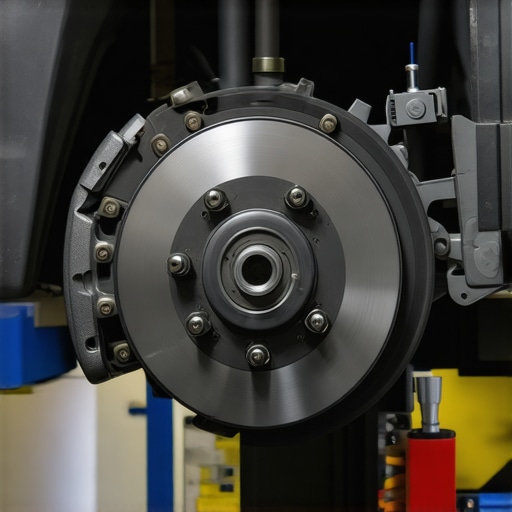
Next, I jacked up the vehicle and safely secured it on jack stands. With a flashlight, I examined the wheel hub area for signs of rust, cracks, or any debris lodged in the wheel bearings. Think of this like inspecting a shoelace for fraying—small issues often precede bigger failures. Look for uneven corrosion or debris that might cause the bearing to seize or wobble. If you find loose or damaged components, those are red flags that need attention.
Check for Wheel Play Manually
This was a critical step. I grabbed the tire at the 12 and 6 o’clock positions and rocked it back and forth, feeling for undue movement. A healthy wheel bearing offers resistance and smooth motion, while a failing one feels loose or rough. Imagine trying to open a jar—if it twists too easily or feels gritty, the seal or bearing may be compromised. This simple test is often enough to confirm suspicion before moving on to more detailed checks.
Listen for Noises During Rotation
With the wheel off the ground, I spun it by hand and listened carefully. A failing bearing often produces a grinding or humming noise that varies with speed. It’s comparable to winding a loose guitar string—there’s a distinct sound if the tension isn’t right. Remember, noise alone isn’t conclusive, but combined with other signs, it strengthens the diagnosis.
Utilize the 3-Second Spin Test for Quick Assessment
One technique I found helpful involves spinning the wheel and timing how long it continues to turn steadily. If it slows down quickly or feels jerky, suspect the bearing. This quick check acts like a stress test—pushing the component to reveal hidden flaws. Be cautious; if the rotation feels resistant or uneven, consider heading to a professional for confirmation.
Confirm Your Findings with a Professional
If past steps suggest a worn bearing, it’s wise to consult with experts. They can perform precise diagnostics and confirm the issue without guesswork. Think of this as getting a second opinion after an initial home diagnosis—ensuring you’re on the right track.
Remember, early detection is key. If these tests point toward bearing failure, planning a repair before catastrophic failure occurs can save you money and keep you safe on the road. For detailed repair guides or to schedule a professional inspection, visit our contact page. Stay attentive to your car’s signals, and it will keep running smoothly for miles to come.
Everyone believes that brake service, tune-ups, and general auto repairs are straightforward tasks—simply replace worn parts and you’re good to go. But in reality, many car owners fall prey to misconceptions that can lead to costly mistakes. Let’s dig deeper into some of these myths and unveil the subtle nuances that differentiate a professional-grade maintenance from a DIY routine gone wrong.
Wearing Out Parts Is Just Normal Aging—Not Always a Problem
It’s common to hear people say, “It’s just car age wear and tear,” but this oversimplification can be dangerous. For example, old brake pads aren’t just worn; they often harbor uneven uneven wear, which can cause pulsation or noise. Regular inspections can reveal early signs of caliper sticking or uneven rotor erosion, issues that might not be obvious but threaten safety. Relying solely on age or mileage isn’t sufficient; proactive diagnostics align with expert recommendations found in auto repair trends.
The Oops Moment: Ignoring the Fine Details in Tune-Ups
Many think a tune-up is just replacing spark plugs. But a truly comprehensive tune-up involves checking the timing, ignition system, fuel injectors, and even the PCV valve. Skipping these can reduce performance, fuel efficiency, and engine lifespan. Trust me, the devil is in the details—missing them often results in repeat visits and escalating repairs. For a full checklist to avoid these pitfalls, see our detailed guide.
Is Your Car’s Faulty Performance Just Routine Maintenance Problems?
This is a question that advanced car owners must ask themselves. Sometimes, what appears to be a minor issue like rough idling is actually related to throttle body problems, dirty sensors, or even subtle oil leaks that can accelerate engine wear. A thorough diagnostic can differentiate between simple fixes and underlying systemic issues. Don’t overlook the significance of this in maintaining vehicle health over time—learn more about troubleshooting common auto repair issues.
It is a mistake to think that quick fixes or ignoring these distinctions won’t affect your car’s longevity. Properly trained technicians consider nuances—like brake fluid decomposition or the real causes of accelerating suspension wear—that DIYers often miss. Remember, making assumptions about auto repair can lead to bigger issues down the road. So, stay vigilant and proactive in seeking expert advice when in doubt.
Have you ever fallen into this trap? Let me know in the comments and share your experiences with overlooked nuances in car maintenance.
Mastering Maintenance with the Right Tools
One of the keys to long-term vehicle health is having the appropriate, high-quality tools at your disposal. I personally rely on a digital multimeter made by Fluke because its precision helps me diagnose complex electrical issues quickly and accurately, saving time and preventing misdiagnosis. For tire and brake inspections, a good set of microfiber cloths and a reliable torque wrench, like the GearWrench, are indispensable—they ensure I can perform tasks safely and correctly, avoiding over-tightening or uneven wear. Using a creeper seat or an adjustable height lift greatly enhances my ability to perform thorough undercar examinations without straining my back.
In addition to physical tools, software can play a crucial role. I recommend recording maintenance logs with a dedicated app like Car Minder Plus, which helps track service intervals and component replacements, ensuring I stay ahead of potential issues. Consider installing diagnostic scanner tools such as the Innova 3160g, which connects via Bluetooth to your smartphone, providing instant access to OBD-II codes and live data. This combo allows for efficient troubleshooting without the need for frequent visits to the mechanic, making diagnostics more accessible and cost-effective.
Long-Term Results Through Consistent Care
Regular use of these tools and techniques leads to measurable improvements. For instance, routine oil analysis with a portable lab kit, like the Oil Analyzers OilScan, can detect early signs of engine wear or contamination long before any symptoms appear—giving you a chance to address issues proactively. Committing to monthly visual inspections and software diagnostics even extends the lifespan of critical parts such as the timing belt or transmission components, which might otherwise fail unexpectedly. As a proponent of preventive maintenance, I believe that developing a routine around these tools ensures your vehicle remains dependable over the years.
How do I maintain my vehicle’s health over time?
To sustain optimal performance, make a habit of scheduling comprehensive checkups aligned with manufacturer recommendations. For instance, referring to auto repair trend insights can help you adapt your maintenance schedule as vehicles become more technologically advanced. Additionally, replenishing fluids, checking belts, and inspecting battery health are key routines that pair well with the tools outlined above for a holistic approach.
Predicting future trends, expect more integrated diagnostic systems and AI-driven maintenance alerts to become standard, further simplifying upkeep. Yet, the foundational tools—like high-quality torque wrenches and diagnostic scanners—remain vital for ensuring reliability, especially when handling complex repairs yourself.
Keep Your Car in Prime Shape with Focused Efforts
One advanced tip that can make a noticeable difference is manually testing your battery’s voltage with a multimeter during different seasons. This simple step, outlined in this guide, can reveal weakness before the battery fails unexpectedly. Try adopting this practice, and you’ll be surprised at how much peace of mind it provides, especially in extreme weather conditions.
Investing in quality tools and maintaining a disciplined schedule transforms your vehicle care from reactionary to proactive. Whether it’s tracking fluid levels, inspecting electrical connections, or logging maintenance data, these efforts keep your car performing at its best. Remember, consistent attention today averts costly repairs tomorrow—your vehicle’s future health depends on it.
Ready to elevate your DIY maintenance game? Start with a precise torque wrench or a Bluetooth diagnostic scanner and experience the difference firsthand. And don’t forget, for personalized advice or to schedule a full inspection, visit our contact page.
Lessons That Changed My Approach to Car Maintenance
- Realizing that not all wear is just normal aging—timely diagnostics can catch issues early, saving hundreds in repair costs.
- Understanding that each component, from wheel bearings to brake pads, has a unique lifespan and signs, making routine checks crucial.
- Learning that DIY repairs are valuable, but knowing when to seek professional help ensures safety and longevity—there’s no shame in calling in experts.
- Discovering that staying informed with trusted guides and tools transforms auto repair from guesswork to confidence, empowering you on the road.
- Recognizing that proactive maintenance isn’t just about fixing problems; it’s about investing in peace of mind and vehicle performance.
Must-Have Tools and Resources for the Serious Car Enthusiast
- Innova 3160g Bluetooth Diagnostic Scanner: I trust this for quick, on-the-go engine diagnostics—it’s like having a mechanic in your pocket.
- GearWrench Torque Wrench: Precise torque application is vital, especially during brake and suspension work—this tool ensures safety and perfect fitment.
- Car Minder Plus App: Tracking maintenance history helps me stay ahead of potential issues and schedule timely service.
- Auto Repair Trend Reports from GlassFixAuto: Staying updated with the latest in auto technology and repair trends helps me plan smarter vehicle care.
Your Next Step in Car Care Might Be Simpler Than You Think
Auto repair might seem intimidating at first, but with the right knowledge and tools, it becomes a rewarding part of vehicle ownership. Remember, understanding early signs of issues like wheel bearing failure or brake wear can prevent emergencies and extend your car’s life. Embrace a proactive mindset—regular checkups, diligent maintenance, and continuous learning are your best allies. If you’re ready to take the next step, consider consulting reputable resources or scheduling a professional inspection. Your car deserves it, and so do you. Want to share your experience with preventive auto care? Let me know below.