
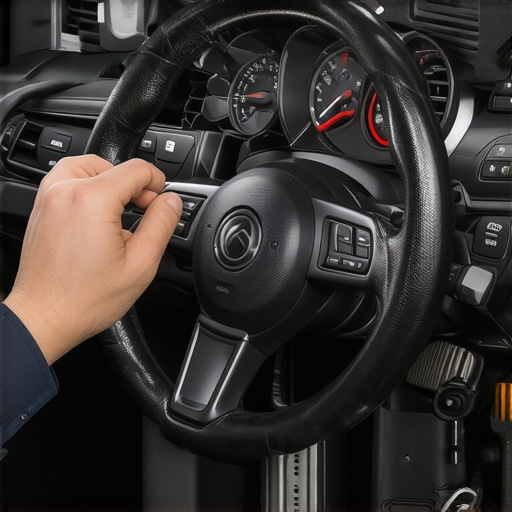
Ever been behind the wheel, turning a corner, and suddenly hear that unpleasant clicking noise? It’s enough to make your stomach drop and your confidence wobble. I remember the first time it happened to me; I was just trying to make a simple turn, but the sound made me worry about my car’s health. Turns out, that squeak was a sign of an underlying issue—one I didn’t want to ignore.
Many of us overlook these odd noises, assuming they’re just part of aging or minor glitches. But in reality, that clicking sound when you turn your steering wheel can point to a variety of problems, from worn-out CV joints to loose steering components. Left unchecked, these issues could lead to more costly repairs down the line or even compromise your safety.
Today, I’ll walk you through how I successfully diagnosed and fixed my steering click, saving me from an expensive mechanic bill. If you’ve been noticing that telltale click, stick around—I promise, by the end of this, you’ll have a clearer idea of what’s going on and how to address it.
Why Your Steering Clicking Noise Happens and Why It Matters
Is Fixing This Noise Really Worth the Effort?
I used to think that some noises were just part of driving, especially after my early mistake of ignoring a small squeak that turned into a major suspension repair. The truth is, those sounds often signal that your vehicle is trying to tell you something before it turns into a costly breakdown. Addressing the clicking noise not only restores driving comfort but also safeguards your investment and safety. According to auto repair experts, ignoring such signs can lead to more severe damage, sometimes causing accidents or total system failure. So yes, fixing that noise is absolutely worth your time and effort. Want a quick [overview of routine maintenance that keeps your car running smoothly](https://glassfixauto.com/tune-up-your-car-for-peak-performance-essential-maintenance-tips)? It’s a good place to start ensuring all components are in top shape.
Knowing the *why* behind the noise helps prioritize repairs and avoids unnecessary expenses. Next, I’ll share the common causes behind a clicking steering wheel, based on my own experience and trusted automotive advice. Ready to get to the bottom of this? Let’s dive into diagnosing the problem so you can get back to smooth, quiet turns—minus the clicks.
Inspect the Steering Components Thoroughly
Start by parking your car on a level surface, engaging the parking brake, and turning the steering wheel to both extremes. Grab a flashlight and look under the vehicle for obvious signs of wear or damage—think of it as checking the hinges before fixing a door. I once jacked up my car and noticed a loose CV joint boot, which was causing the clicking noise during turns. Tightening or replacing worn-out parts here can stop the click and improve steering responsiveness.
Check for Worn or Damaged CV Joints
CV joints are like the ball-and-socket joints in your hip—they allow smooth movement while turning. Wiggle the front wheels back and forth while the car is off. Excessive play indicates a worn joint. To get a closer look, lift the vehicle and grasp the axle near the joint. If you feel looseness or hear clicking when rotating, it’s time for replacement. I replaced my faulty CV joint myself after watching a tutorial, saving money and learning a valuable skill.
Assess Power Steering Fluid Levels and Condition
Low or dirty power steering fluid can cause stiction or strange noises. Locate the reservoir—usually near the engine—and check the fluid level against the marked levels. If it’s below the minimum, top it off with the recommended fluid type (consult your owner’s manual). If the fluid appears dark or gritty, consider flushing the system. Regular maintenance, like a tune-up, can prevent these issues and ensure your steering feels light and responsive. Learn more about how regular tune-ups improve your vehicle’s performance [here](https://glassfixauto.com/how-regular-tune-ups-improve-fuel-efficiency-and-safety).
Test the Steering System for Play and Binding
With the engine off, grasp the steering wheel tightly and move it side to side. Feel for excess free play or tightness. Excessive play indicates worn steering rack or tie rods. A more precise method involves having an assistant turn the wheel slightly while you observe the movement of the steering linkage underneath. If components move excessively or bind, replace the worn parts to restore smooth steering and eliminate clicking.
Inspect Tie Rods and Ball Joints
Worn tie rods can produce clicking sounds when they fail. Lift the front end and shake the wheels laterally. Any looseness or clunking suggests replacing the tie rods. For ball joints, examine their boots for tears or leaks. If you notice grease escaping or rust, these are signs of imminent failure. Replacing these can significantly reduce steering noise and improve handling, especially at higher speeds.
Address the Worn Steering Rack
If all components check out but clicking persists, the steering rack might be at fault. It’s akin to a steering system’s backbone—if it’s broken, no amount of tightening will help. Replacing or repairing the rack requires advanced skills or a professional. However, regular inspection and maintenance can extend its lifespan. Consider scheduling a professional check or referring to expert guides—like the comprehensive [auto repair trend](https://glassfixauto.com/auto-repair-trends-to-watch-in-2025-staying-ahead-of-the-curve)—to stay ahead of costly repairs.
Keep Up with Routine Maintenance to Prevent Future Clicks
Consistent inspections, fluid changes, and component replacements prevent small issues from becoming big headaches. Regular tune-ups—like the ones discussed [here](https://glassfixauto.com/tune-up-your-car-for-peak-performance-essential-maintenance-tips)—not only improve performance but also catch potential problems early. Staying proactive will save you money and keep your driving experience smooth and quiet. Remember, addressing steering issues promptly ensures safety and prolongs the lifespan of your vehicle, much like a well-maintained machine that runs quietly and efficiently for years.
When it comes to vehicle upkeep, many car owners believe they already understand the basics, but let’s dig deeper into some misconceptions that could cost you time and money. One widespread myth is that a quick tune-up is all you need to keep your car running smoothly. In reality, a comprehensive tune-up involves not just swapping spark plugs but also inspecting systems like the fuel injectors, sensors, and even the timing belt—details often overlooked by DIY enthusiasts. Improving your understanding of these nuances can significantly enhance your vehicle’s performance and longevity.
Are All Auto Repairs Created Equal or Are Some Tricks of the Trade Hidden?
Many assume that all mechanics provide the same level of service. However, some shops may cut corners or recommend unnecessary repairs to inflate bills. Building a relationship with a trusted technician, as detailed in our auto repair forecast, helps you avoid falling into these traps. An advanced mistake many overlook involves ignoring the importance of regular brake system inspections. Brake pads might appear fine visually but could have internal cracks or wear indicators that only a professional can detect. Failing to do so risks squealing, reduced stopping power, or dangerous blowouts.
How Do You Detect Hidden Warnings Before They Become Major Repairs?
Recognizing subtle signs—like a slight pulling to one side during braking or a faint grinding noise—can save hundreds. Many car owners underestimate the importance of routine scheduled maintenance. For example, a seemingly minor coolant leak, if left unchecked, can lead to engine overheating and costly repairs. Being vigilant about small issues, and understanding the nuances behind symptoms, ensures you stay ahead of potential breakdowns.
Impressing With the Depth of Your Knowledge
Let me share a quick warning: A common mistake is neglecting to replace your vehicle’s transmission fluid at manufacturer-recommended intervals. Many believe that transmission fluid lasts forever or that it’s only necessary when symptoms arise. In reality, as shown in recent automotive research, changing the fluid proactively can prevent expensive transmission repairs and extend your vehicle’s lifespan. Regularly scheduling tune-ups and system checks is essential.
Have you ever fallen into this trap? Let me know in the comments. Remember, understanding these hidden nuances and myths transforms routine maintenance into smart preventative care, saving you money and keeping your vehicle safer on the road.
Keeping it working: The tools I recommend for auto maintenance
Maintaining your vehicle’s performance over the long term requires more than just regular driving; it demands the right tools and methods to diagnose and address issues proactively. One of the most valuable tools I rely on is a high-quality digital code reader. Unlike basic scanners, a professional-grade OBD-II scanner allows me to access real-time data, interpret error codes accurately, and even manually reset systems. For example, when I noticed my fuel efficiency dropping, using an advanced scanner helped me identify a misfiring ignition coil before it led to costly repairs.
Another indispensable instrument is a reliable torque wrench. Proper torque application during component replacements, like brake rotors or suspension parts, ensures safety and longevity. I prefer a click-type torque wrench with clear calibration marks—it provides precision and confidence during repairs.
To keep the cooling system in check, I use a infrared thermometer. This device helps me monitor radiator temperatures or identify hotspots in the engine bay, preventing overheating issues. Regular inspection of the cooling system through such tools complements routine [tune-up tips](https://glassfixauto.com/tune-up-your-car-for-peak-performance-essential-maintenance-tips), keeping the engine running smoothly.
For brake inspections, I employ a brake caliper piston tool. It simplifies pad replacement and ensures even pressure distribution, helping extend the lifespan of brake components. Additionally, I use a quality multimeter to test electrical components like sensors and relays, which are crucial for stable vehicle operation.
Looking ahead, vehicle maintenance technology is evolving rapidly. Future trends point toward integrated diagnostic systems with AI capabilities that can predict failures before any warning light appears—making proactive maintenance more accessible. Investing in smart tools now, like Bluetooth-enabled diagnostic adapters, can help you stay ahead of these advancements and ensure your vehicle remains in prime condition.
How do I maintain my car’s performance over time?
To keep your car running reliably, develop a routine that includes regular inspections of vital systems, timely fluid changes, and component replacements based on usage and manufacturer guidelines. Utilizing the right tools, like the ones mentioned, can help you accurately assess your vehicle’s health and perform maintenance tasks confidently. Remember, consistent care not only prolongs your car’s lifespan but also improves safety and fuel efficiency. For more detailed strategies, check out our expert tune-up strategies.
And don’t forget: staying informed with real-time diagnostics can prevent small issues from turning into expensive repairs. Practice regular checks with your diagnostic tools, and consider scheduling annual professional evaluations for comprehensive health reports. Giving your vehicle the attention it deserves now means smoother rides and fewer surprises on the road down the line. Try integrating an infrared thermometer into your routine—it’s a game-changer for quick engine assessments and preventing overheating problems, as highlighted in technical analyses like those from the auto repair expert community.
Trades That Taught Me to Trust My Gut, Not Just My Tools
One of the most valuable lessons I learned was that sometimes, the most obvious fix isn’t the real fix. I once replaced my steering rack twice, only to realize a simple alignment correction would have done the trick, saving me time and money. This taught me to prioritize diagnostic patience over rushing to replace parts, a principle that saved me countless headaches later on.
How Embracing Technology Transformed My Auto Care Routine
Incorporating advanced diagnostic tools like Bluetooth-enabled OBD-II scanners changed the game for me. These tools provided real-time data that manual inspections couldn’t, revealing hidden issues like subtle sensor failures before they became costly repairs. This experience reinforced that investing in quality tools enhances your ability to proactively maintain your vehicle’s health.
The Power of Routine: Small Checks, Big Impact
Implementing regular mini-inspections—like quick radiator temperature checks with an infrared thermometer—prevented overheating during hot summer drives. These small habits, built over time, created a buffer against sudden breakdowns and kept my car running smoothly. It’s a reminder that consistency in maintenance often outweighs rare, costly fixes.
Lessons from the Road Less Traveled
Ignoring tiny indicators like a faint pulling during braking or a minor whine in the steering often led to major repairs down the line. My biggest takeaway? Paying close attention to your vehicle’s signals—no matter how minor—is crucial. Developing that intuition can save you not just money but also your safety on the road.
Curated Gear for the Enthusiast in All of Us
Tools like a high-quality torque wrench and a multimeter aren’t just equipment—they’re your allies. They empower you to perform precise repairs and diagnostics at home, reducing reliance on mechanics for routine issues. Trust me, mastering these tools boosts confidence and deepens your understanding of your vehicle’s inner workings.
Remember, Every Turn Is a Lesson
Driving and maintaining a car isn’t just about getting from point A to B—it’s about learning to listen to your vehicle. Every noise, vibration, or subtle change offers a chance to improve your skills and understanding. So, next time you hear that clicking sound when turning, embrace it as an opportunity to become more attuned to your car’s needs—making you a better driver and a more capable DIY enthusiast.