
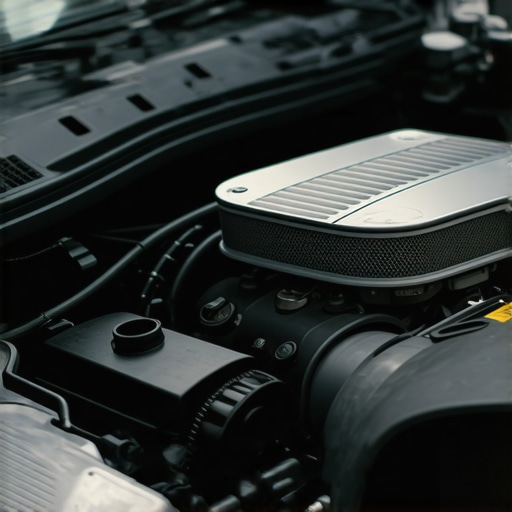
I remember the moment vividly: I was parked in my driveway, a quiet evening shadowing my routine, when I heard it—a soft, almost imperceptible whistling under the hood of my car. At first, I dismissed it as just another quirky sound cars sometimes make. But as days turned into weeks, it persisted. That tiny, persistent sound felt like a warning sign I couldn’t ignore anymore. I tried to brush it off, convincing myself it was nothing, perhaps just a loose hose or a minor leak. But deep down, I knew better. That faint whistle was a message from my car, telling me something was amiss.
Inspecting Your Brake System for Peace of Mind
Begin by lifting your vehicle with a suitable jack and secure it with jack stands—think of it as creating your own personal workshop space. Remove the wheels to access the brake components, much like opening the hood of a car to peek at the engine, but for your brake system. Check the brake pads for uneven wear or thinning; if they’re less than 3mm thick, it’s time to replace them. Look for signs of rotor warping or scoring, which can cause vibrations during braking. Use a brake cleaner to remove dust and debris, ensuring optimal performance. For a detailed overview, visit Understanding Brake System Repairs.
Performing a Basic Tune-Up to Boost Efficiency
Start with replacing the spark plugs, which are akin to the ignition’s spark, igniting fuel in your engine. Disconnect the battery to prevent accidental shorts, then carefully remove the old plugs, checking their condition—black soot indicates rich fuel mixture, while white deposits suggest oil leaks. Install new plugs with the correct gap setting, much like setting a watch to keep accurate time. Next, replace the air filter to ensure clean airflow, which directly impacts fuel economy and engine smoothness. Don’t forget to check and top off vital fluids, including engine oil, coolant, and transmission fluid, as these keep your engine running smoothly. For more in-depth strategies, see Maximize Your Car’s Lifespan with Expert Tune-Up Strategies.
Scheduling Routine Maintenance like a Pro
Maintain a consistent schedule for oil changes, typically every 3,000 to 5,000 miles, to prevent engine wear—consider it as diet and exercise for your vehicle. Review your owner’s manual to identify specific service intervals and tasks, akin to following a recipe. Keep an eye on warning lights and abnormal noises—like the faint whistle from your car, which can be a sign of underlying issues. Use a maintenance checklist available at Car Service Checklist to stay organized. If you notice squealing brakes or sluggish acceleration, consult a mechanic promptly to prevent small issues from becoming costly repairs. Remember, regular tune-ups and inspections extend your vehicle’s life and safety—more tips are available at Ultimate Car Service Guide.
Using Troubleshooting Skills to Diagnose Common Problems
When your car exhibits symptoms like shaking at high speeds or a burning smell under the hood, approach it step-by-step. Start with visual inspections: look for fluid leaks, worn belts, or damaged hoses—akin to a doctor checking vital signs before diagnosis. Use a scan tool or code reader to check for error codes, providing clues much like a GPS guide through a complex maze. For instance, a misfire might be caused by a faulty spark plug or coil; inspecting these parts can save you money and prevent breakdowns. Consult troubleshooting guides to narrow down issues quickly, such as Troubleshooting Common Auto Repair Issues. Developing these skills will empower you to handle minor repairs confidently, reducing reliance on costlier professional services. For more insights, visit How Regular Tune-Ups Improve Fuel Efficiency and Safety.
Many car owners believe that basic maintenance like brake service and tune-ups are straightforward tasks, but there’s a subtlety that often gets ignored—understanding the intricate nuances can save you money and prevent serious issues. A common myth is that replacing brake pads is all that’s needed to stop squealing; in reality, the issue might stem from uneven rotor wear or caliper problems, which only a knowledgeable mechanic can diagnose accurately. Overlooking these details can lead to premature component failure and increased repair costs. When it comes to tune-ups, many assume that changing spark plugs and filters suffices, but advanced diagnostics reveal that underlying issues like faulty sensors or fuel injectors might be the real culprits causing sluggish performance. Failing to address these nuances not only hampers your vehicle’s efficiency but also shortens its lifespan. For example, neglecting a failing ABS sensor can compromise braking safety without obvious symptoms, a trap many drivers fall into. Make sure your maintenance includes an inspection of these hidden factors—it’s not just about replacing parts but understanding how they work together. Want to deepen your knowledge? Check out common brake service myths to learn what surprises await during your next visit to the shop. \n
Why do some brake components wear out faster despite proper service?
\n
This question often puzzles even experienced drivers. The answer lies in the nuanced interactions within your braking system—corrosion, improper installation, or internal caliper issues can accelerate wear unnoticed. Studies show that neglecting these subtleties significantly impacts brake longevity, which makes choosing the right maintenance approach crucial. Regular professional inspections equipped with advanced diagnostic tools can uncover these hidden issues early, saving you money and enhancing safety. Don’t fall into the trap of superficial fixes; instead, aim for a comprehensive understanding of your vehicle’s needs. Have you ever fallen into this trap? Let me know in the comments. Remember, a well-informed driver maintains a safer, more reliable vehicle.
Maintaining your vehicle’s performance and longevity requires more than just basic checks; it demands precise tools and proven methods. One indispensable instrument I personally trust is the digital multimeter. I use it to verify battery voltage, alternator output, and diagnose electrical issues—it’s like having a stethoscope for your car’s heartbeat. For instance, routinely testing the voltage across the battery terminals helps prevent unexpected breakdowns, especially before long trips. Additionally, I recommend using a scan tool such as the OBD-II code reader; it deciphers error codes that could indicate underlying problems, saving you costly repairs down the road.
Beyond hardware, software tools have become vital. I regularly utilize automotive diagnostic apps like OBDLink which sync with my scan device to monitor live data—think of it as telemetry for your vehicle. These allow real-time tracking of parameters such as coolant temperature and fuel trim levels, helping me spot issues early. Staying ahead of potential failures means scheduling preventive maintenance before problems escalate, which I achieve through detailed data analysis. As auto repair trends head toward smarter diagnostics, integrating these digital tools is essential—more on this at future repair trends.
How do I maintain tools and diagnostics effectively over time?
To keep your diagnostic equipment functioning accurately, I recommend regularly updating their firmware/software to incorporate the latest features and bug fixes. Calibration is equally important; for example, ensuring your multimeter’s test leads are in good condition prevents faulty readings. Also, store tools in a clean, dry environment to avoid corrosion or damage. Periodically verifying your software subscriptions or updates ensures you have access to current fix databases, boosting your troubleshooting accuracy. With these practices, your tools remain reliable, equipping you to catch issues early and keep your car in top shape. Check out detailed strategies at vehicle maintenance checklists.Throughout my journey of maintaining and repairing my vehicle, I encountered lessons that reshaped my understanding of auto care. One of the most profound realizations was how seemingly minor issues—like that persistent whistle—can be messengers warning of bigger problems, emphasizing the importance of attentive inspections. I also learned that comprehensive maintenance often uncovers hidden factors—such as caliper problems or faulty sensors—that superficial fixes might overlook, proving that attention to detail saves money and enhances safety. Moreover, embracing digital diagnostic tools transformed my DIY capabilities; understanding how to interpret error codes and monitor live data made me a more confident and proactive owner. These lessons underscored that genuine auto care isn’t just about replacing parts but about developing a keen eye and a curious mind, enabling me to prevent breakdowns before they happen and extend my vehicle’s lifespan. If you’re committed to elevating your car maintenance game, integrating these insights will equip you with a more nuanced, effective approach that surpasses standard advice and truly respects your vehicle’s complexity.