
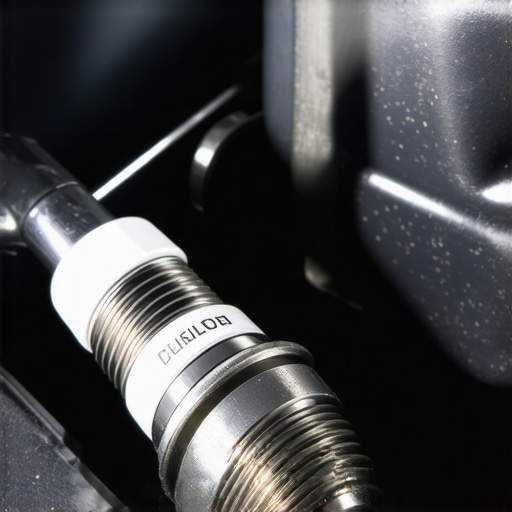
It happened unexpectedly—you’re cruising down the highway when suddenly your engine sputters, loses power, and then recovers. That gut-wrenching moment of uncertainty makes you wonder, “What is causing this rough ride?” I remember the first time I encountered this situation. I was stranded on the side of the road, frustration building, trying to figure out if I needed new spark plugs, a coil replacement, or worse, a costly engine repair.
As a car enthusiast with years of experience, I’ve learned that engine misfires are one of the most common headaches for vehicle owners. But diagnosing whether it’s a spark plug or coil problem isn’t as tricky as it seems—once you know what to look for, it becomes much clearer. Today, I promise to guide you through the essential steps to identify the culprit confidently. No more guessing games or unnecessary trips to the mechanic—just straightforward, practical advice to get your engine running smoothly again.
Why It Matters to Pinpoint the Real Issue Quickly
Engine misfires can be more than just an annoyance; they can lead to increased fuel consumption, engine damage, and even safety concerns if left unaddressed. The difference between a simple spark plug replacement and a faulty coil can mean significant savings in both time and money. Plus, understanding how to diagnose these problems helps you communicate more effectively with your mechanic, ensuring you get the right repairs the first time.
But here’s a mistake I made early on—assuming that all misfires stem from spark plugs alone. It seems logical, right? After all, they’re the most visible part of the ignition system. However, ignoring the role of ignition coils can lead to misdiagnosis and prolonged symptoms. Recognizing this subtle distinction is crucial to solving the problem efficiently.
Did this resonate with your own experience? Have you ever dealt with a misfiring engine and felt lost about where to start? If so, stay tuned—I’m about to break down the simple steps to identify whether a spark plug or coil is the faulty part. Knowing this can save you from unnecessary expenses and getting stranded again.
Make sure to check out detailed guides on [tune-up strategies](https://glassfixauto.com/tune-up-your-car-for-peak-performance-essential-maintenance-tips) and [troubleshooting common auto issues](https://glassfixauto.com/troubleshooting-common-auto-repair-issues-before-visiting-the-shop) to stay ahead of potential engine problems. Now, let’s dive into the key signs that differentiate a spark plug misfire from a coil issue, starting with the basics you’re likely to notice during your daily drives.
Check for Visual Signs of Wear
Begin by inspecting your spark plugs and ignition coils for obvious damage, such as cracks, carbon buildup, or corrosion. Remove a spark plug and look at the electrode. If it’s worn out or covered in deposits, that’s a sign it might be causing misfires. For coils, look for melted or cracked rubber boots. I once replaced a spark plug that looked pristine but turned out to be causing issues because of internal damage noticed during a thorough visual inspection.
Listen for Engine Performance Clues
Pay attention to how your engine behaves. A misfire from a bad spark plug often results in a steady sputtering, especially at idle or during acceleration. A coil failure might cause more erratic behavior, like sudden jerks or stalling. I experienced this firsthand when my engine hesitated suddenly on the highway; replacing the faulty coil restored smooth power delivery. This step helps narrow down whether it’s a spark or coil issue based on symptoms.
Conduct a Spark Plug Swap Test
Swap the suspected spark plug with a known good one from another cylinder. If the misfire moves to that cylinder, it’s likely the spark plug. If not, consider the coil. Think of it like swapping batteries in a flashlight; if the problem moves, the power source is at fault. Before doing this, ensure the engine is cool and the vehicle is on a flat surface. This hands-on test was my quick go-to when I started diagnosing my engine’s irregular performance.
Use a Timing Light to Confirm Ignition» System Health
A timing light can show if each coil fires correctly. Attach the light to the number one cylinder’s wire and observe the flashes as you crank the engine. If a coil isn’t firing, the light won’t flash or will do so irregularly. I remember a time I rented a timing light and discovered one coil wasn’t firing during the test, saving me from unnecessary replacements. This step provides a visual confirmation of coil operation.
Test with a Scanner and Multimeter
Connect an OBD-II scanner to check for error codes related to ignition failures, such as P0300 (random misfire) or specific codes for individual cylinders. For more detailed diagnostics, use a multimeter to test coil resistance; values outside specifications indicate a fault. I once used a multimeter to check my coil’s resistance, which was way off, confirming it needed replacement. This data-driven approach cuts guesswork and ensures accurate repairs.
Many vehicle owners assume that routine car service is just about ticking off a checklist—a few oil changes, tire rotations, and perhaps replacing brake pads when squealing begins. However, this simplistic view overlooks the nuanced reality of automotive maintenance. A common myth is that following the manufacturer’s interval recommendations guarantees a vehicle’s longevity, but in truth, driving habits and environmental conditions require a more tailored approach. For example, frequent stop-and-go city driving accelerates brake wear, demanding more attentive servicing than the standard schedule suggests. Relying solely on the odometer or a calendar can be a trap, leading to premature component replacement or, conversely, neglecting critical issues until costly failures occur.
Why do so many assume that “if it isn’t broken, don’t fix it” applies to cars? The answer is inertia—owners often wait until warning lights or actual breakdowns to act. But proactive maintenance, like regular tune-ups and brake system checks, can prevent these crises and save money in the long run. In fact, studies, such as those from the Car Care Council, emphasize that timely preventative repairs significantly reduce the likelihood of roadside breakdowns. Yet, many still believe that neglecting minor issues won’t cause major problems, which is a dangerous misconception.
One sneaky trap many fall into concerns brake systems. They assume that brake pads need replacement only when they squeal or fade. Meanwhile, the hidden nuance is that uneven wear or a sticking caliper can cause excessive pad wear on one side, leading to dangerous imbalances. Regular brake inspections often reveal these subtle issues before they turn deadly. Similarly, some think that a tune-up only involves changing spark plugs; in reality, a comprehensive tune-up enhances fuel efficiency, engine performance, and reduces emissions—not just the smoothness of ignition sparks.
Let’s challenge a common belief about auto repair; many believe that engine problems are always due to major component failure. But, in my experience, often, issues like coolant leaks or contaminated oil are overlooked, yet they can cause serious damage over time. Proper diagnosis involves checking tiny but critical details—dirty oil, degraded coolant, or a collapsing radiator hose—these could be the root causes instead of expensive engine overhauls. Neglecting these nuances can lead to escalating repairs and increased costs.
Have you ever fallen into this trap? Let me know in the comments. To deepen your understanding of what your car truly needs, explore our guides on tune-up strategies and brake system repairs. Remember, being aware of these hidden nuances is key to keeping your vehicle in optimal shape—so don’t just wait for the warning lights to blink. Regular, attentive maintenance tailored to your driving style ensures safety, efficiency, and longevity for your car.How Do I Maintain My Car Over Time?
Keeping your vehicle in top shape requires more than just occasional check-ups; it involves investing in the right tools and adopting consistent maintenance routines. I highly recommend assembling a quality set of diagnostic and repair equipment because they enable proactive care, saving you money and preventing roadside breakdowns. For instance, a reliable multimeter is indispensable for testing your car’s electrical system, especially to monitor battery health and alternator output—critical components that, if neglected, can leave you stranded. I personally prefer models with auto-ranging features, as they make testing straightforward even for beginners.
In addition, investing in a good OBD-II scanner allows you to read error codes directly from the vehicle’s computer. This device helps identify issues early, such as sensor failures or pending maintenance needs, which can be detected before they escalate. Personally, I use a Bluetooth-enabled scanner that pairs seamlessly with my smartphone, enabling real-time diagnostics and a clearer understanding of my car’s inner workings.
For mechanical fixes, a comprehensive socket set with various sizes and specialty tools like pullers and screwdrivers make routine tasks more manageable. I keep a wrench set handy as well, particularly for brake work or replacing belts. To keep components like brakes in check, I emphasize the importance of a thermal imaging camera—it might sound extravagant but is incredibly useful for detecting overheating parts before they fail. I’ve found that visual inspection combined with thermal readings offers a comprehensive picture of your vehicle’s health.
Looking ahead, the trend in auto maintenance tools points toward more integration with smartphone apps and cloud data. Imagine scheduling your tune-ups automatically based on real-time vehicle health reports, or receiving maintenance alerts tailored to your driving habits. Such innovations promise greater convenience and longevity for your vehicle.
What About Long-Term Results and Scaling?
Consistent use of these tools leads to tangible benefits: improved fuel efficiency, reduced repair costs, and most importantly, increased safety. Regular diagnostics help catch issues early—like a deteriorating alternator or an impending brake caliper seizure—before they turn disastrous. When it comes to scaling this approach, I recommend establishing a maintenance schedule that incorporates these tools, such as checking your brake system as often as recommended in the brake repair guide. As your vehicle ages, upgrading your diagnostic setup with more advanced equipment — like a dedicated scan tool with manufacturer-specific functions — allows you to maintain even high-mileage cars efficiently.
Overall, treating maintenance as a proactive and technology-driven process ensures your vehicle remains reliable. Don’t wait for warning lights to flicker or symptoms to worsen; instead, foster a habit of regular checks using your toolkit. This approach not only prolongs your car’s life but also maximizes its resale value down the line. For ongoing tips on maintaining your vehicle, explore our expert tune-up strategies and stay ahead of the auto repair trends in 2025. Remember, a well-maintained car is a safe and efficient car—make the investment today and reap the rewards tomorrow.
What I Wish I Knew Before Diving into Auto Diagnostics
One of my toughest lessons was realizing that misdiagnoses often stem from overlooking subtle signs, like slight roughness at idle that I dismissed as normal. Trusting my instincts and paying close attention to even minor changes saved me from costly repairs later.
Another insight was the importance of not just replacing parts blindly. Testing coils and plugs with proper tools revealed that sometimes, the issue was a simple wiring corrosion, not the parts themselves, emphasizing the value of thorough inspection over assumptions.
Lastly, I’ve learned that patience beats haste. Rushing to swap components without proper diagnosis led to unnecessary expenses. Taking my time, following a structured troubleshooting process, consistently paid off in both savings and peace of mind.
The Essential Tools that Changed How I Maintain My Car
My go-to toolkit now includes a reliable OBD-II scanner, which I trust for accurate diagnostics, guiding me to specific issues without guesswork. The multimeter has been invaluable for electrical troubleshooting—trustworthy and straightforward, it prevents me from replacing good parts unintentionally.
A quality socket set is non-negotiable; it makes everything from coil replacement to brake adjustments more manageable. Additionally, I rely on a thermal imaging camera to spot overheating components early, saving me from potential breakdowns. These tools have transformed maintenance from a chore into a controlled, satisfying process.
Looking ahead, I see the potential in smart diagnostic systems, like apps that monitor your vehicle health in real-time. Investing in these technologies now can streamline maintenance routines and help catch issues before they become glaring problems.
Embracing the Drive for Continuous Improvement
I believe that proactive, informed maintenance empowers you to avoid roadside surprises and extends your vehicle’s lifespan. By integrating these lessons and tools into your routine, you’re not just fixing problems—you’re preventing them, ensuring safety and performance. So, why wait for a warning light when you can nip potential issues in the bud? Dive into regular diagnostics, stay curious, and keep your car in top shape. Curious—have you ever used a multimeter or scanner to diagnose your car? Share your experience below!