
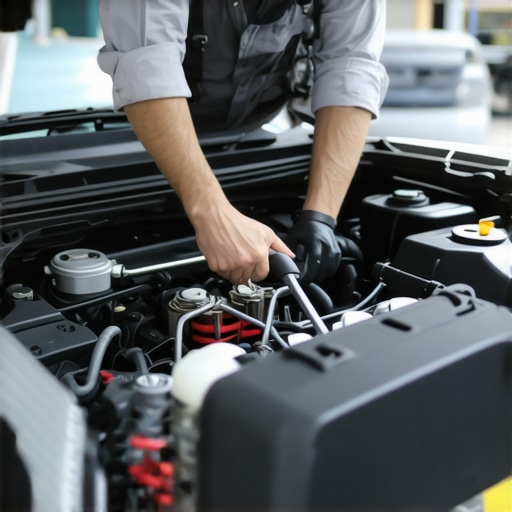
Have you ever been halfway through a busy week, only to notice a faint puddle growing under your car? Maybe it was just a slight dampness at first, but soon enough, that tiny leak became a source of constant worry. I’ll admit, I once ignored a slow coolant leak because I believed the usual stop-leak additives would do the trick. Big mistake. Over time, I watched my engine temperature creep up, and I realized I was actually risking serious damage. That lightbulb moment made me rethink my approach—and I want to share what I learned about tackling coolant leaks naturally and effectively.
Why It’s Crucial to Address Coolant Leaks Early
Coolant leaks may seem minor at first, but they can quickly spiral into costly repairs if ignored. The coolant system plays a vital role in keeping your engine from overheating. Even a small, slow leak can cause your engine to run hotter than it should, leading to potential engine failure, warped components, or even a cracked head gasket. Plus, relying solely on stop-leak products might seem tempting, but they often mask the problem rather than fix it. Instead, understanding how to stop a leak without relying on those chemical fixes can save you hundreds—and keep your engine healthy for the long haul.
Is a Chemical Leak Fix Always Worth It?
I’ve made the mistake of trusting those additives early on, only to find out they can clog crucial parts like radiator passages and hoses. According to automotive experts, these products can do more harm than good if used as a band-aid rather than a permanent solution. Instead, I refined my approach, focusing on the root cause—be it a loose clamp, a small crack, or worn-out hoses—and addressing it directly. Want to learn how I did this? Let’s dive into steps that really work.
Locate the Leak Precisely
Start by inspecting your radiator, hoses, and clamps for visible cracks, corrosion, or looseness. Use a flashlight to spot smaller leaks or drips that are hard to see. A simple trick I used was to pour a mix of water and dish soap over suspected areas; bubbles indicated escaping coolant. Remember, pinpointing the exact source saves time and effort down the line.
Perform a Pressure Test
To identify hidden leaks, use a pressure tester designed for radiator systems. Attach the tool following the manufacturer’s instructions, then pump to the recommended PSI. Watch for drops in pressure or fluid escaping elsewhere—this confirms the leak’s location. A pressure test is like a blood pressure check for your engine, revealing issues before a breakdown occurs.
Prepare Your Workspace and Tools
Ensure your vehicle is cool and parked on a flat surface. Gather necessary supplies: replacement hoses, clamps, coolant, and safety gear. Wearing gloves and goggles shields you from hot coolant and debris. Before starting repairs, I always review the vehicle’s manual or [auto repair troubleshooting](https://glassfixauto.com/troubleshooting-common-auto-repair-issues-before-visiting-the-shop) guide to understand specific parts and procedures.
Replace Damaged Components
Loosen and remove the faulty hose or clamp using pliers or screwdrivers. For stubborn clamps, a socket wrench can make the job easier. When replacing, install new hoses lined with fresh coolant-compatible material, and secure clamps tightly but not over-tightened. I once replaced a worn-out radiator hose, which significantly reduced leaks and restored proper coolant flow, preventing engine overheating.
Seal Small Cracks Naturally
If the leak is a tiny crack and you prefer a temporary fix, mix baking soda with water to create a paste and apply it to the crack. As it dries, it can temporarily seal small leaks. However, this is just a stopgap before replacing the component.
Refill and Bleed the Cooling System
Refill coolant to the proper level using the recommended type for your vehicle. To eliminate air pockets—common culprits in overheating—bleed the system following your manual or [car service checklist](https://glassfixauto.com/car-service-checklist-how-to-keep-your-vehicle-in-top-shape). Typically, this involves running the engine with the radiator cap off until the thermostat opens, then topping off coolant. Remember, trapped air can cause inconsistent cooling and damage over time.
Test Drive and Final Inspection
After completing repairs, drive your vehicle for 15-20 minutes, monitor for leaks, and check coolant levels. Repeat pressure testing if necessary. Watching for temperature fluctuations or puddles under your car signals whether the fix was successful. This step is crucial to ensure you’ve addressed the root problem properly.
Many drivers assume that a simple tune-up or basic auto repair is straightforward and universally the same, but in reality, there’s a lot of nuance and common misconceptions that can lead to costly mistakes. For example, a widespread myth is that changing your oil is all you need for regular maintenance; however, neglecting other critical aspects like brake system inspections or timing belt replacements can jeopardize vehicle safety and longevity. Professionals emphasize that a comprehensive approach, tailored to your vehicle’s specific needs, makes all the difference. Moreover, some believe that all brake pads are created equal, but choosing cheap, low-quality pads can lead to premature wear, noise, and even brake failure. As highlighted in expert sources, maintaining high-quality components and understanding the intricacies of your vehicle’s systems is essential, especially as auto technology evolves rapidly. Advanced repair missteps often stem from
Investing in Reliable Equipment for Auto Care
When it comes to maintaining your vehicle’s performance over the years, having the right tools can make all the difference. I personally swear by a high-quality electronic scan tool, such as the Autel MaxiCOM. This device provides real-time diagnostics and can quickly identify engine codes, saving me hours of guesswork. Unlike generic code readers, the MaxiCOM’s expansive software allows me to reset sensors, access live data streams, and even perform specific maintenance functions like transmission resets. Investing in such a versatile diagnostic tool has paid off by preventing minor issues from turning into costly repairs.
Why a Precision Torque Wrench is Indispensable
Another tool I rely on heavily is a [digital torque wrench](https://glassfixauto.com/auto-repair-trends-to-watch-in-2025-staying-ahead-of-the-curve). Proper torque application ensures that components like brake calipers, head bolts, and wheel lug nuts are tightened to manufacturer specifications. I prefer models with a digital readout and preset limits, which prevents over-tightening or under-tightening—common mistakes that can compromise safety and long-term performance. These wrenches, when used correctly, extend the lifespan of fasteners and prevent damage caused by inconsistent torque.
Optimize Long-Term Results with Routine Checks and Software Updates
Regularly updating your vehicle’s firmware, especially for newer models with electronic control modules, ensures your car benefits from the latest fixes and improvements. Some automakers offer dedicated apps or dealer services that allow you to keep your system software current, which can improve fuel efficiency and drivability — details I’ve learned from regular tune-ups. Paired with routine [brake system inspections](https://glassfixauto.com/understanding-brake-system-repairs-a-guide-for-vehicle-owners), these proactive measures help avoid unexpected breakdowns.
How do I maintain my car’s systems over time?
Establishing a scheduled routine for inspections—covering oil changes, brake checks, coolant levels, and tire condition—is fundamental. Using diagnostic software to monitor critical sensors periodically allows detection of early signs of wear or failure. Additionally, replacing worn-out parts proactively, such as brake pads or hoses, based on diagnostic alerts rather than waiting for symptoms, extends your car’s lifespan. For example, consulting [this comprehensive car service checklist](https://glassfixauto.com/car-service-checklist-how-to-keep-your-vehicle-in-top-shape) can help you develop a simple yet effective maintenance routine.
The Future of Car Maintenance: Going Digital
Looking ahead, I believe that integrating AI-driven diagnostics and remote monitoring will become standard practice, enabling real-time alerts for potential issues before they escalate. Digital tools will continue to evolve, making complex repairs more accessible to DIY enthusiasts while ensuring professional standards are maintained. For those interested in staying ahead, exploring auto repair trends to watch in 2025 is a great starting point.
Try This for Better Long-Term Maintenance
One actionable tip you can implement today is investing in a high-quality diagnostic scanner with firmware update capabilities. Regularly running diagnostics and clearing error codes can uncover potential issues early, saving money and time. If you’re ready to upgrade your toolkit, consider tools like the Autel MaxiCOM or equivalent—these are invaluable for proactive vehicle maintenance.
Lessons Only Experienced Drivers Learn About Auto Maintenance
- One thing I discovered through my own troubleshooting is that ignoring seemingly minor issues, like a slow coolant leak, can lead to major engine damage down the line. Patience and attention to detail often save money and time—trust me, rushing into quick fixes rarely pays off.
- Real progress came when I shifted from temporary remedies to understanding how my vehicle’s systems work. Learning to perform pressure tests or replace worn hoses myself gave me a sense of control and deepened my appreciation for vehicle engineering.
- The importance of proper diagnostics became clear — a quality scan tool isn’t just a gadget; it’s a window into your car’s health. Investing in reliable equipment allowed me to catch issues early, before they turned into costly repairs.
- Another insight was that routine maintenance isn’t optional—it’s essential. Following manufacturer schedules and inspecting components proactively guarantees safer, more reliable driving, and extends your car’s lifespan beyond what you might expect.
- Lastly, understanding that auto care is an ongoing journey, not a one-time fix, motivated me to stay curious and informed about new tools and techniques. Staying ahead of potential issues requires continuous learning, which keeps your vehicle running smoothly for years to come.
Tools and Resources That Truly Changed My Approach to Car Maintenance
- Autel MaxiCOM Diagnostic Scanner: This versatile tool transformed how I identify hidden problems and reset vehicle systems. Its capacity for real-time data and updates makes it indispensable for proactive maintenance, and I trust it because it minimizes guesswork.
- Digital Torque Wrench: Correct torque application has prevented damage to critical fasteners. I rely on a quality wrench with preset limits to ensure safety and longevity, especially for brake components and engine bolts.
- Comprehensive Car Service Guides: Websites like this checklist provide structured routines, making maintenance less intimidating and more effective. They’re my go-to resource to keep on top of things.
- Auto Repair Trends Reports: Staying updated with future developments helps me plan for Long-term vehicle health, especially as tech advances rapidly. It keeps my approach fresh and aligned with the latest best practices.
Your Next Step Toward Confident Car Care
Taking control of your vehicle’s maintenance, especially with a focus on preventing issues like coolant leaks, has the power to extend your car’s lifespan and ensure safety. I encourage you to begin or refine your routine today—equip yourself with the right tools, stay informed, and enjoy the peace of mind that comes with knowing your ride is in great shape. Remember, every small effort counts when it comes to auto care—your future self will thank you.