
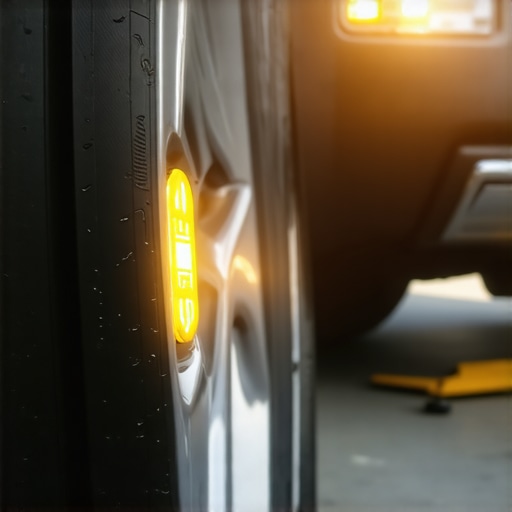
It was a chilly morning when I fired up my car, ready for a routine commute. As I backed out of the driveway, that familiar warning light flickered on unexpectedly—your tire pressure sensor alert. My stomach sank. I’d been down this road before, thinking it was just a false alarm, only to find out later that ignoring it could lead to serious problems. That moment was a real eye-opener for me, realizing that sometimes, these warnings aren’t just false positives—they’re your car’s way of telling you something genuine needs attention.
Living with the Tire Pressure Warning Light: A Common Dilemma
If you’ve ever seen that warning pop up on your dashboard, you know the frustration. The question is: should you dismiss it as a glitch, or is there more to the story? I used to think it was just a nuisance, something to click past when I was in a hurry. But I learned the hard way that this tiny light can be a crucial indicator of your vehicle’s health. For example, driving with incorrect tire pressure isn’t just about comfort—it can significantly affect your fuel efficiency and safety. According to [the Department of Energy](https://glassfixauto.com/how-regular-tune-ups-improve-fuel-efficiency-and-safety), maintaining proper tire pressure can improve fuel efficiency by about 3%. That’s money in your pocket and safety in your drive.
My early mistake was dismissing the warning without proper investigation, assuming it was sensor fatigue or a glitch. Little did I know, that sensor warning might be the car’s way of telling me I had a slow leak or even a puncture. If overlooked, it can lead to uneven tire wear, reduced handling, or even a blowout—scenarios no driver wants to encounter.
So, what’s really going on when your tire pressure warning light is on? Is it always a false alarm? Or does it sometimes warn you about an issue that needs immediate attention? In the next section, I’ll walk you through how to distinguish between a mere sensor glitch and a real tire problem. Ready to demystify what your car is trying to tell you? Stay tuned, because understanding this warning can save you money, stress, and most importantly, your safety.
Start with Visual Inspection
Before grabbing your air compressor, walk around your vehicle and look at each tire. Check for visible signs of damage, cracks, or embedded objects. During my own experience, I once found a nail lodged in my rear tire, which was the real cause behind my pressure warning—an example of why visual checks matter.
Use the Right Tools
Invest in a reliable tire pressure gauge—digital or dial. Old-fashioned analog gauges work fine if calibrated regularly. When I first started, I used a cheap gauge, which gave inconsistent readings. Upgrading to a digital gauge improved my accuracy, preventing me from over or under-inflating.
Check When Tires Are Cold
Measure pressure after the vehicle has been parked for at least three hours or has been driven less than a mile. Heat from driving increases tire pressure temporarily. I learned this the hard way when I checked after a short trip and overestimated my tire pressure, leading to unnecessary top-offs.
Remove the Valve Cap
Unscrew the cap from the valve stem. Be cautious not to damage it, as this is a common point of air leakage. I once ignored this step and accidentally cracked the stem, which resulted in a slow leak requiring a valve replacement—costly and unnecessary if checked properly.
Attach the Gauge and Take a Reading
Press the gauge firmly onto the valve stem, ensuring it’s airtight. Read the pressure and compare it to the recommended PSI for your vehicle. For most cars, this info is in the owner’s manual or on the sticker inside the driver’s door frame. I found a discrepancy once, with my tire reading 25 PSI against a recommended 32 PSI, prompting an instant repair.
Adjust Air Pressure Properly
If the pressure is below recommendation, add air using an air compressor until you reach the desired PSI. Remove the hose periodically to check the pressure. Conversely, if overinflated, let out some air by pressing the valve stem with the gauge. During one roadside stop, I used this method to bring my tire back to optimal pressure, preventing potential blowouts.
Recheck and Replace Valve Caps
After adjusting, detach the gauge and securely screw the valve cap back on. This prevents dirt and moisture from entering. Simple as it sounds, neglecting this step can lead to valve malfunction down the line. Once, I forgot to replace the cap and ended up with a slow leak, which was only fixed during a professional service.
Maintain Regular Checks
Set a schedule to check tire pressure monthly and before long trips. Remember, temperature fluctuations can affect pressure, so winter cold or summer heat may alter readings. I now keep a log to ensure consistent maintenance, saving me money and enhancing safety.
Extra Tip: Know When to Seek Professional Help
If your tires frequently lose pressure despite proper maintenance, it might be a sign of a hidden issue like a leak or rim damage. Don’t hesitate to visit a trusted auto repair shop—like GlassFix Auto—for a thorough inspection. This proactive approach can prevent more significant problems and prolong your tires’ lifespan, as detailed in this guide.
Many vehicle owners operate under assumptions about car maintenance that can lead to costly mistakes. One prevalent myth is that a simple oil change or quick tune-up suffices for all driving conditions. In reality, the nuances of maintenance vary greatly depending on your driving habits, climate, and vehicle make. For instance, aggressive driving or frequent short trips can accelerate wear on components that often go unnoticed, like the fuel injectors or the transmission fluid. Regularly scheduled comprehensive inspections are thus essential, as suggested by this detailed guide.
Another common misconception revolves around brake services. Many believe that brake pad replacement is all that’s needed when brake noise or vibration occurs. However, issues such as warped rotors, caliper malfunctions, or brake fluid contamination often lurk beneath the surface. Relying solely on brake pad replacement without proper diagnostics can lead to repeated failures and safety risks. For a deeper understanding, see current auto repair trends.
The ‘do-it-yourself’ mentality also makes some overlook the importance of professional diagnostics. Modern vehicles are equipped with complex electronic systems that require specialized tools to diagnose correctly. Attempting repairs without proper equipment might fix the symptom but ignore underlying issues, leading to recurring problems. As highlighted in this expert article, investing in professional diagnostics saves money and extends vehicle lifespan.
Now, let’s address a question that often bogs down even seasoned enthusiasts:
How can advanced diagnostics improve the longevity of your vehicle beyond routine checks?
By utilizing sophisticated diagnostic tools, professionals can detect subtle signs of wear or impending failure before they escalate. This proactive approach not only prevents breakdowns but also optimizes the timing of part replacements, saving you money in the long run. Studies, such as those discussed in auto repair forecasts, increasingly emphasize the integration of diagnostic technology in routine maintenance.
The takeaway? While superficial fixes might seem sufficient at first glance, understanding the complex, often hidden facets of vehicle maintenance ensures safety and efficiency. Regularly updating your knowledge and trusting professionals for thorough diagnostics can truly make a difference. Remember, avoiding assumptions about your car’s needs and investing in proper maintenance is an ongoing process. Have you ever fallen into this trap? Let me know in the comments, and share your experiences so others can learn from your mistakes.
Tools I Trust for Long-Term Car Care
Having the right equipment makes all the difference in maintaining your vehicle efficiently. I personally rely on a high-quality digital tire pressure gauge, like the TOPELEK Digital Tire Pressure Gauge, because it provides consistent, accurate readings—crucial when ensuring your tires are properly inflated to prevent uneven wear and improve safety. Additionally, a reliable Stahlwille torque wrench is my go-to for tightening critical components during DIY service, as it guarantees precise torque, helping prevent over-tightening that could damage parts.
For routine diagnostics, I use an OBD-II scanner such as the BlueDriver Bluetooth Professional OBDII Scan Tool. This device syncs with my phone and allows me to access real-time data and clear diagnostic trouble codes efficiently, helping me catch potential issues early before they escalate. Investing in quality tools like these ensures you’re not only maintaining your car properly but also saving money on unnecessary trips to the shop.
Modern Methods Keep Your Car Running Smoothly
Beyond physical tools, I utilize diagnostic software like Autel Explorer to monitor various system parameters and diagnose electronic glitches. This software is especially useful for vehicles with advanced driver-assistance systems (ADAS), ensuring all sensors and modules operate correctly over time. Staying informed about the latest diagnostic technology is vital, as automotive electronics become more complex. The trend towards integrated vehicle health management suggests that in the near future, cars will continually self-report issues, prompting proactive maintenance rather than reactive repairs.
How do I maintain tools and diagnostics over time?
To keep my equipment in top shape, I follow manufacturer maintenance guidelines, such as calibrating my torque wrench annually and storing my digital gauges in a protective case. Regular software updates for my diagnostic apps ensure compatibility with new vehicle models and bug fixes. This routine upkeep prevents inaccuracies and extends the lifespan of my tools, making diagnostics reliable and efficient. For instance, regular tune-ups become even more effective when supported by accurate diagnostics, ultimately prolonging your vehicle’s lifespan.
Predictions for Auto Maintenance Technology
Looking ahead, I believe that the integration of artificial intelligence with diagnostic tools will revolutionize auto care. Future systems may predict failures weeks ahead of time based on data trends, prompting scheduled maintenance instead of emergency repairs. This proactive approach minimizes downtime and extends vehicle longevity, aligning with the evolving auto repair landscape discussed in industry forecasts.
By investing in reliable equipment and staying current with technological advances, you’re setting yourself up for a smoother, safer driving experience. I encourage you to test out a high-precision digital tire pressure gauge or an updated diagnostic scanner this month—see firsthand how these tools can enhance your maintenance routine and give you peace of mind.
The Hidden Truths About Auto Maintenance That No One Tells You
One of the most valuable lessons I learned in my car care journey was that seemingly minor issues, like a tire pressure warning light, often hide deeper truths about vehicle health. Ignoring these signals can lead to costly repairs and safety risks. The real insight is to pay attention, diagnose thoroughly, and never dismiss caution signs as mere glitches. This proactive mindset has saved me thousands and kept my drives smooth and worry-free.
Another lesson is the importance of trusted tools and resources. Relying on a quality digital tire pressure gauge, like the TOPELEK Digital Tire Pressure Gauge, has transformed my maintenance routine, giving me confidence in every inflation. Alongside that, leveraging expert resources such as this guide on tune-ups ensures I stay ahead of potential issues and maximize my vehicle’s lifespan.
Lastly, embracing technology through reliable diagnostic scanners like the BlueDriver Bluetooth OBD-II Scanner has been a game-changer. It allows me to catch problems early and make informed decisions. Remember, the goal isn’t just fixing what’s broken but understanding your car’s unique needs and responding accordingly. This approach has profoundly shifted my perspective on auto maintenance, making it an ongoing partnership rather than a chore.
Take Your Car Knowledge to the Next Level
For anyone eager to deepen their understanding, I recommend exploring comprehensive resources and investing in quality tools. The right equipment and knowledge empower you to handle routine checks confidently and recognize when professional help is truly necessary. Whether it’s routine tire pressure checks or a full diagnostic, being prepared makes all the difference. Still unsure about when to seek expert advice? Check out this ultimate guide to scheduling maintenance smartly.
Your Car Deserves Your Best Effort
Keeping your vehicle in top shape isn’t just about avoiding breakdowns—it’s about crafting a safe, reliable driving experience. Every check, adjustment, or diagnosis is an investment in your safety and peace of mind. Don’t wait for warning lights to become emergencies; embrace a proactive maintenance routine today. What’s the first step you’ll take to become a more confident car owner? Let me know below and start the journey toward better auto care.