
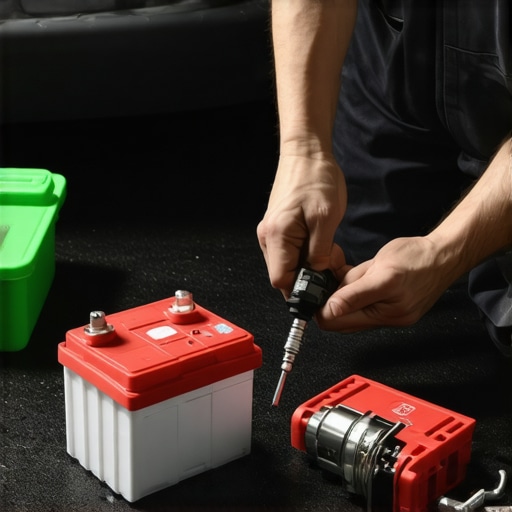
Ever found yourself stranded on the side of the road, frustrated because your car just won’t start, and wonder whether it’s time for a tune-up or a simple battery replacement? I’ve been there too, with that sinking feeling of uncertainty creeping in as I stared at a dead battery or some mysterious engine misfire. It’s a frustrating situation that many drivers face at some point, and making the right call can save you money and prevent unnecessary trips to the mechanic.
Knowing whether your vehicle needs a full tune-up or just a new battery isn’t always straightforward. Sometimes, a weak battery causes a no-start situation, but it might just be nearing the end of its life. Other times, engine performance issues point to the need for a tune-up—such as replacing spark plugs, air filters, or fuel injectors. The tricky part is telling the difference quickly and accurately.
Today, we’re going to demystify this common dilemma. I’ll share personal tips based on my own auto repair adventures, including the mistakes I’ve made early on, like assuming a battery replacement fixed sluggish acceleration—only to realize the spark plugs were overdue for replacement. By the end of this guide, you’ll have a clearer idea of how to evaluate your car’s needs without stress or guesswork.
But first, let’s address the big question that often holds people back:
How Do I Know If My Car Just Needs a New Battery or a Tune-Up?
Understanding the signs can be confusing—sometimes your car shows symptoms of both. The key is to look for specific indicators and perform simple checks. If your car struggles to start, the battery might be the culprit. However, if it starts but runs poorly or stalls, a tune-up could be necessary. For example, sluggish acceleration, rough idling, or decreased fuel efficiency often point to worn spark plugs or dirty filters.
Before jumping into conclusions, I recommend peeking at your battery’s health with a voltmeter or visiting your local auto parts store for a quick test. Meanwhile, inspecting your engine’s components can give clues about a tune-up’s urgency.
Knowing the difference can make a big impact on your budget and time. I learned this the hard way early in my driving days when I kept replacing batteries—only to find out my spark plugs were caked with carbon, causing poor fuel economy and misfires. Getting familiar with common signs helps you avoid costly repairs and keeps your vehicle running smoothly.
If you’re still unsure, I suggest reviewing some essential maintenance tips that can help you spot these issues early. For detailed strategies, check out [this comprehensive guide on maximising your car’s lifespan](https://glassfixauto.com/maximize-your-cars-lifespan-with-expert-tune-up-strategies), which covers everything from regular tune-ups to when to consider replacing your battery.
Now, you might be wondering about the risks of delaying maintenance or misdiagnosing the problem. Well, that’s exactly what we’ll cover next—so stay tuned, and let’s get your vehicle back on the road with confidence.
Test Your Battery’s Power Level
Start by checking your battery with a voltmeter. Connect it carefully to the terminals; a reading below 12.4 volts usually indicates a weak or dead battery. I once mistook a sluggish start for a tune-up need, only to realize my battery was barely holding charge after a quick test. Replacing it immediately restored reliable starts and saved me hours of troubleshooting.
Perform a Visual Inspection
Look under the hood for corrosion on terminals, cracked or swollen batteries, or loose connections. Also, check the battery’s age—if it’s over three years old, replacement might be advisable regardless of the test results. During a routine check, I found a corroded terminal while inspecting my own car, which prevented proper charging—quick cleaning fixed the issue without a full battery swap.
Assess Engine Performance
If your engine starts smoothly but runs rough, stalls, or shows reduced power, chances are you need a tune-up. Common signs include rough idling, misfires, or poor acceleration. Once, I ignored a slight surge in my car’s idle, assuming it was minor. A spark plug replacement and tune-up made a significant difference in fuel efficiency and engine smoothness.
Use Your Experience and Simple Checks
Listen to your car: strange noises, whining belts, or unusual vibrations can point to specific issues. Also, check your dashboard lights—if the check engine light flashes or stays on, a diagnostic scan is essential. I learned to read these signals during a DIY tune-up, avoiding costly mechanic visits for minor problems.
Consult Reliable Resources
When in doubt, refer to trusted guides like this resource on tune-up strategies or scheduling a professional inspection if necessary. Remember, proactive checks can prevent breakdowns and unnecessary repairs.
Make Informed Decisions Quickly
Combining these steps allows you to determine whether your car needs a simple battery replacement or a comprehensive tune-up. Acting promptly on these signs keeps your vehicle dependable. For comprehensive maintenance planning, consider reviewing this car service checklist to stay ahead of potential issues and ensure your vehicle’s longevity.
Many car owners believe they know the basics of maintenance, but in reality, misconceptions still abound—often leading to costly mistakes. For instance, there’s a widespread myth that all brake pads are created equal, but in my experience, opting for cheap aftermarket pads without considering material quality can cause faster wear and even brake failure. This misconception can be dangerous, especially since brake service involves more nuance than most realize. A common trap is the assumption that a squealing noise always indicates worn pads; sometimes, it’s just dust or minor misalignments, which require different remedies. Understanding this prevents unnecessary replacements and ensures safety.
An advanced mistake many overlook involves overlooking the significance of proper lubrication in auto repair. For example, neglecting to lubricate caliper slides during brake work can lead to uneven pad wear and a spongy brake pedal, issues not immediately obvious but problematic over time. Moreover, many drivers underestimate the importance of regular tune-ups, believing they are only needed during engine troubles. In reality, scheduled maintenance like spark plug and air filter replacements optimize performance and fuel efficiency, preventing expensive repairs later.
Here’s a crucial question for the seasoned enthusiast: How much does waiting too long for repairs actually cost you? Delaying brake inspections or tune-ups can lead to component failures that damage other parts of your vehicle, ultimately increasing repair bills. An EPA study highlights that neglecting timely maintenance can reduce vehicle lifespan by up to 30%, emphasizing the importance of proactive care. So, are you really saving when you skip routine checks?
It’s tempting to think DIY repairs are straightforward, but the hidden nuances often catch many off guard. For example, not bleeding brake lines correctly after replacing brake fluid can introduce air pockets, compromising braking performance. This simple oversight can have serious safety implications. To avoid such pitfalls, I recommend consulting comprehensive guides like auto repair trends that delve into detailed procedures.
Remember, the devil is in the details. Understanding advanced nuances—like the importance of using the correct coolant type or recognizing signs of warped rotors—ensures your vehicle remains reliable. Don’t fall into the trap of neglecting small but vital details that keep your car safe and efficient. Have you ever fallen into this trap? Let me know in the comments.
For more insights on maintaining your vehicle’s longevity, explore maximizing your car’s lifespan and ensure you’re not missing critical maintenance steps.Maintaining your vehicle’s performance over the years hinges on having the right tools and knowing how to use them effectively. I personally swear by a few key pieces of equipment that have saved me time, money, and hassle during auto repairs and regular maintenance. First on my list is a high-quality digital multimeter. It’s indispensable for diagnosing electrical issues, such as testing the battery’s voltage or checking fuses. I use mine weekly, especially before replacing components, because it provides precise readings and helps prevent unnecessary part swaps. Next, a reliable set of socket wrenches and ratchets is crucial. Over the years, I found that investing in a metric set with adjustable torque allows me to handle everything from brake caliper bolts to engine oil drain plugs with confidence. Using the right tools in the correct torque settings is vital for safety and longevity—this approach aligns with professional standards outlined in the ultimate car service guide. I also recommend a magnetic pick-up tool. I once dropped a small socket into the engine bay and thought I was done for—but with my magnetic picker, I retrieved it swiftly without disassembling parts. Additionally, a digital borescope camera can be a game-changer for inspecting hard-to-reach areas, like inside the combustion chamber or behind the dashboard. It boasts high resolution and flexibility, making it invaluable for diagnosing issues proactively. Looking ahead, I believe the trend will shift towards smart diagnostic tools that connect directly to your smartphone, enabling real-time data and diagnostics at your fingertips. Embracing these advancements means you’ll be better equipped for long-term results and smoother scaling when your vehicle needs more extensive repairs.
How do I maintain my tools over time?
Regular cleaning, oiling, and correct storage are essential. Keep your socket sets organized in a toolbox, and wipe down your multimeter and sensors after use to prevent corrosion. Periodic calibration of electronic devices ensures accuracy, especially if you rely on them for precise diagnostics. Investing a little time in maintaining your gear pays off by extending its lifespan and ensuring reliable performance for future repairs. Curious to try out one of these tools? I recommend starting with a quality digital multimeter; it’s versatile and pays for itself by diagnosing numerous issues early. For more insights into essential maintenance practices, visit this guide on maximizing your vehicle’s lifespan.
The Hardest Lesson I Learned About Car Service, Brake Service, Tune-Up, Auto Repair
One of my biggest surprises was realizing how overlooked routine checks can prevent major issues. I once delayed a simple oil change, thinking it was minor, only to have my engine overheat unexpectedly. This taught me that consistency in maintenance isn’t just about prolonging life — it’s about safety and peace of mind.
Myths About Car Repairs That Cost Me Time and Money
I used to believe that if my car wasn’t smoking or making loud noises, a visit to the mechanic could wait. That misconception led to a costly overhaul when a small coolant leak turned into a cracked radiator. Trusted resources like regular tune-ups could have prevented this unexpected expense.
When Waiting Becomes Risky
Delaying brake repairs is more dangerous than many realize. I ignored a squeaky pad for months, thinking it was harmless. Eventually, it caused uneven wear and compromised braking performance. The lesson is clear: listen to your vehicle’s signals and address them before they escalate — your safety could depend on it.
The Value of Personal Knowledge and Preparedness
Over time, I learned the importance of tools like a multimeter and basic inspection skills. These allowed me to catch issues early, saving me costly trips and downtime. Maintaining my toolkit and understanding my car’s behaviors turned me from a worriesome driver into a confident one.
Where to Deepen Your Auto Knowledge
If you’re eager to improve your auto care skills, I recommend exploring this comprehensive car service guide. It’s filled with tips that could save you from my mistakes, helping you catch problems before they become emergencies.
Fuel Your Confidence and Keep Your Vehicle Ready
Every car owner faces the same challenge: knowing when to seek professional help or take matters into their own hands. With the right knowledge, you can confidently decide whether your car just needs a new battery or a full tune-up — ensuring safety, saving money, and extending your vehicle’s life. Remember, proactive care today means fewer headaches tomorrow.
What’s the most surprising auto maintenance lesson you’ve learned? Share your story below and help others navigate their car care journey with confidence!
,