
Ever had that alarmingly loud squeal greet you on a chilly morning, only to realize it vanished after a few miles? Or maybe you’ve brushed it off as just humidity in the air. I used to do exactly that, dismissing every chirp and squeak as a minor irritant or harmless moisture. But one icy winter morning, I nearly missed my stop at the grocery store because my brakes squealed so badly I thought they’d lock up. That moment was a lightbulb — I had to understand when a squeal is just moisture and when it signals real trouble.
Decoding Your Brake Squeal: A Neighbor’s Guide to Safety and Savings
In this post, I’ll share the insights I’ve gained from years of auto repair experience, plus some practical tips to help you avoid costly repairs. We’ll analyze the common causes of brake squeal, learn how to differentiate between harmless moisture and serious issues, and what steps to take to keep your car stopping safely. Because trust me — ignoring that squeal can lead to dangerous situations, expensive repairs, or both.
Is Your Brake Squealing Worth Worrying About?
When I first started paying attention to my car’s noises, I made a mistake many people do — I thought a little moisture in the morning was no big deal. Turns out, that squeak might be a warning sign of worn brake pads or other components. It’s easy to brush it off as humidity, especially if the noise disappears quickly. But as I learned, it’s better to be safe than sorry. Statistically, brake problems are among the leading causes of roadside breakdowns, so understanding what’s normal versus problematic can save you time, money, and your safety. Troubleshooting common auto repair issues is a good starting point for any car owner.
Early in my repair journey, I also made the mistake of ignoring a persistent squeal because I thought it would go away. It didn’t. Instead, the brake pad material was wearing thin, risking damage to the rotors and, eventually, brake failure. Recognizing the early signs can save you from bigger headaches — and expenses — down the line. Understanding the difference between moisture and mechanical wear is essential, and I’ll show you how to do just that, step-by-step.
So, if you’ve experienced that daily or morning squeal and wondered whether it’s a quick wipe of humidity or something more serious, stay tuned. We’re about to dive deep into how to tell if your brake squeak is just moisture or a call for a visit to your trusted auto repair shop. You’ll also learn about simple checks you can do yourself before calling in the pros.
Start with a Visual Inspection of Brake Components
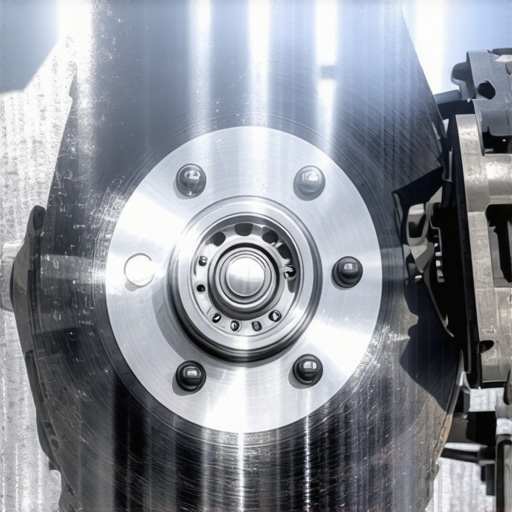
Before anything else, safely park your car on a level surface, engage the parking brake, and turn off the engine. Remove the wheel to access the brake assembly. Look for obvious signs of wear, such as thin brake pads or uneven rotor surfaces. If the brake pads appear less than a quarter-inch thick, it’s time to replace them. Use a flashlight to check for uneven glazing or cracks on the brake pads and rotors. Remember, this step is like an open-book exam—clear visuals help you decide if professional help is needed immediately or if cold-weather moisture is the likely culprit.
Apply a Simple Test for Moisture or Debris
Wipe the brake rotor surface with a clean, dry cloth. If the squeal was caused by moisture or dirt, the noise should diminish after applying light pressure a few times during slow driving or parking lot maneuvers. For a more definitive test, gently spin the wheel by hand after reassembling everything. A smooth spin indicates healthy rotors, whereas an irregular or grabbing motion suggests warping or uneven wear that needs attention.
Use the Rubber Mallet Technique to Detect Warping
If you suspect warped rotors, lightly tap the rotor surface with a rubber mallet. Listen for any abnormal sounds or changes in the tap’s resonance. Unusual vibrations or a rough texture can indicate warped rotors, which often cause squealing under braking. During my first check, I saw a slight wobble in the rotor, which led me to consider replacing or resurfacing it—saving money in the long run and avoiding dangerous brake failure.
Perform a Brake Pad Thickness Check
Remove the caliper to measure the remaining pad thickness using a ruler or a brake gauge. If pads are less than 3mm thick, replace them pronto. Thin pads can cause metal-to-metal contact, generating loud squeals similar to moisture. Did you know that replacing brake pads can be a DIY project if you have the right tools? For detailed guidance, check out our comprehensive brake repair guide.
Listen for the First Signs During Slow Stops
The squeal tends to be more pronounced during gentle, slow stops. Engage in controlled braking in a safe area, like your driveway or a low-traffic parking lot. Pay attention to whether the sound appears only when the vehicle is cold or persists after a few stops. An immediate squeal that diminishes as the brakes warm up often indicates moisture or rust buildup. If the squeal continues or worsens, it’s a sign that worn brake hardware, such as shims or clips, may be involved, which requires professional inspection.
Schedule a Professional Inspection When in Doubt
If your DIY tests point to worn pads, warped rotors, or if you’re unsure about any signs of mechanical damage, don’t hesitate to visit a trusted auto repair shop. Regular maintenance, like a tune-up, can prevent many brake-related issues before they become costly. Remember, successful auto repair isn’t solely about fixing problems; it’s about diagnosing accurately and acting promptly to keep your car safe and efficient.
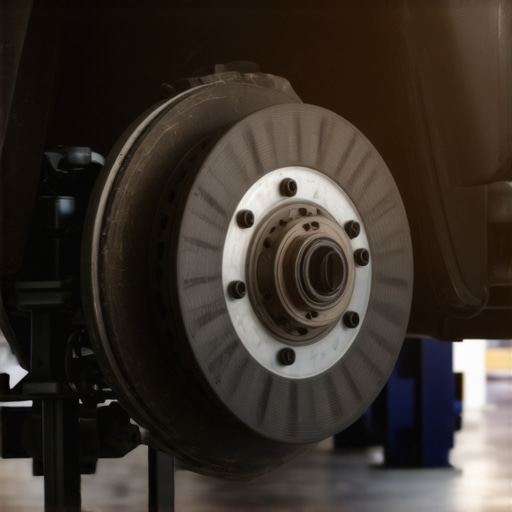 Many car owners believe that routine brake repairs and tune-ups are straightforward tasks that don’t require expert intervention, but this overlooks several nuanced pitfalls. For example, a prevalent myth is that brake pads simply wear out uniformly over time, leading many to replace them prematurely or too late, risking damage to rotors or even brake failure. In reality, the wear pattern can be uneven due to issues like sticking calipers or contaminated brake fluid, which demands a more sophisticated diagnosis. Furthermore, many assume that squealing brakes always indicate the need for immediate pad replacement; however, minor squeals can sometimes be caused by dust accumulation or moisture, especially in high-humidity climates. Ignoring these subtleties can lead to costly repairs, as small problems escalate into major ones—like warped rotors or damaged calipers.
One of the most overlooked aspects is the importance of understanding the types of brake pad materials and their appropriate applications. For instance, ceramic pads are often marketed as maintenance-free, but they still require periodic inspections and proper bedding procedures to maximize lifespan and performance. Skipping this knowledge can undermine your entire brake system.
For advanced enthusiasts, the question becomes: How can you distinguish between moisture-related squeal and underlying hardware issues? The key lies in advanced diagnostic techniques such as checking for uneven pad wear patterns or measuring rotor runout with precise tools. Expert auto repair shops employ these methods routinely, which is why trusting a professional can sometimes save you money in the long run.
According to a study by the National Institute for Automotive Service Excellence (ASE), about 70% of vehicle brake failures could be avoided with proper maintenance and early diagnosis. This underscores the necessity of understanding the nuances in brake service rather than relying on common myths.
Have you ever fallen into this trap? Let me know in the comments. Proper maintenance involves more than just following generic advice; it’s about knowing your vehicle’s specific needs and when signs like an unusual noise or vibration warrant professional attention. For further insights, consider exploring our [comprehensive brake repair guide](https://glassfixauto.com/brake-service-myths-what-you-need-to-know-before-your-next-stop) to grasp the factors that can make or break your vehicle’s braking safety.Maintaining your vehicle’s braking system over time demands the right tools and disciplined techniques. One of my go-to instruments is a high-precision dial gauge for rotor runout, which I personally use to detect subtle warping that a standard visual inspection might miss. This tool helps me avoid uneven pad wear and potential safety hazards, ensuring consistent braking performance. Additionally, a digital brake pad thickness gauge is invaluable for measuring wear accurately, allowing me to schedule replacements proactively rather than reactively, saving money and preventing damage to rotors. For routine cleaning and lubrication, I prefer a dedicated brake cleaner spray combined with a ceramic brake grease, which withstands high temperatures and prevents squeaks or seizing.
How do I keep my brake system in peak shape over time?
In the future, vehicle maintenance will increasingly rely on diagnostic software integrated with IoT sensors that monitor brake wear and alert you remotely. However, manual tools remain essential for in-depth inspections. I recommend regular use of a brake fluid tester to ensure hydraulic efficiency; degraded fluid can compromise braking response long before pads show signs of wear. Investing in a quality creeper and a set of stubby ratchets streamlines your DIY maintenance, minimizing effort and improving access to tight spaces. Remember, consistent maintenance isn’t just about replacing parts — it’s about understanding your vehicle’s unique needs, powered by precise tools and meticulous attention.
Always stay informed by visiting trusted resources like auto repair trends for 2025 to keep your skills sharp and your tools up to date. Regularly calibrate your diagnostic equipment and keep a detailed maintenance log; this habit can uncover patterns that signal impending issues. Before your next brake service, consider testing the rotor runout with a dial gauge to catch warping early. This small step can extend the lifespan of your components significantly. Ready to take your brake maintenance to the next level? Grab your dial gauge, perform that measurement, and see firsthand how proactive care makes a difference in your safety and savings.
What I Didn’t See Coming About Brake Noises
One of the toughest lessons I learned in auto repair is how often seemingly minor brake squeals hide bigger problems. I used to believe that a morning squeal was just humidity or dust—until I realized that ignoring it could lead to catastrophic brake failure. That lightbulb moment taught me to listen more carefully and trust my instincts about when a squeal is a genuine warning sign versus harmless moisture.
Tools and Tips That Made a Difference for Me
Over years of experience, I discovered that investing in a high-quality dial gauge for rotor runout detection and a reliable brake pad thickness gauge isn’t optional—it’s essential. These tools helped me catch issues early, saving time and money. I trust brands like Park Tool and Snap-on because they combine precision with durability. Using trusted tools empowers DIY enthusiasts and professionals alike to make smarter, safer decisions on the road.
Embracing the Reality of Brake Safety
Perhaps the most profound insight is understanding that brake maintenance is a continuous journey, not a one-time fix. It’s about recognizing patterns, listening to your vehicle’s signals, and acting swiftly. Regularly scheduling professional inspections and staying informed through resources like auto repair trends for 2025 keeps you ahead of potential issues. Remember, proactive care isn’t just about avoiding costs; it’s about ensuring your safety and peace of mind every time you hit the brakes.
My Experience, Your Peace of Mind
- Pay attention to subtle squeals during cold mornings—they might be moisture, but don’t ignore persistent sounds that stick around, signaling worn parts.
- Use a rubber mallet carefully to listen for rotor warping issues—sometimes a gentle tap tells more than a thousand words.
- Keep a detailed maintenance log—patterns in your vehicle’s behavior can preempt costly repairs.
- Trust experienced professionals when in doubt—expert diagnoses can save you money and improve safety.
Your Move Starts Now
Applying these insights about brake squealing can transform your approach to vehicle health. Don’t hesitate to take that first step—whether it’s performing a visual inspection or booking a professional check-up. Your safety depends on it. What’s the most surprising thing you’ve learned about brake maintenance? Leave a comment below and share your story!