
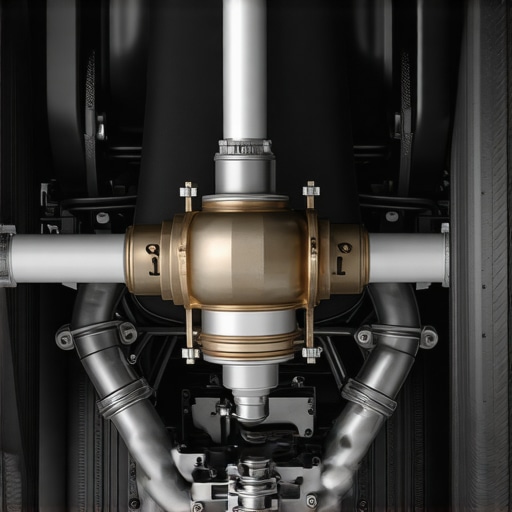
It hit me one morning—pulling out of my driveway, the engine sputtered, and I could almost hear the silent judgment from my car. That unsettling moment of doubt creeped in: is my catalytic converter clogged? I had no clue what to look for and felt a bit overwhelmed. Sound familiar? Believe me, I’ve been there, and it’s enough to make anyone question their mechanic skills.
As a car enthusiast and someone who’s procrastinated fixing issues longer than I should have, I know how confusing car problems can be. Today, I promise we’ll cut through the noise. We’ll analyze how to tell if your catalytic converter is clogged, a little issue that can quickly turn into a big headache if ignored.
Why Ignoring a Clogged Catalytic Converter Could Cost You
A clogged catalytic converter isn’t just an annoyance; it’s a serious threat to your engine’s health. When this vital component gets blocked, exhaust gases cannot escape efficiently, causing backpressure that can lead to engine stalling, poor acceleration, and increased emissions. I once learned this lesson the hard way—I ignored subtle signs, and my car ended up needing costly repairs.
Early detection can save you money and keep your vehicle running smoothly. But how do you tell if your catalytic converter is clogged? Let’s explore the signs and simple tests that can give you peace of mind.
Worried It’s Just Another Car Myth?
You might be skeptical—”Is this really worth my time? Or just another scare tactic?” Well, I’ll admit, I was initially dismissive too. The most common mistake I made early on was assuming a sluggish engine was just aging or a dirty fuel filter. Turns out, symptoms of a clogged catalytic converter can mimic other problems, which is why proper diagnosis matters.
If you’ve experienced any of these issues—loss of power, sulfur-like smell, or engine warning lights—it’s time to take a closer look. Want to learn how to test for a clog yourself? Stick around. We’ll go over practical, how-to steps that won’t leave you feeling puzzled or ripped off. Also, if your car is pulling to one side or your fuel efficiency has suddenly plummeted, those could be signs too—so keep reading!
Now that we’re clear on why this matters, let’s move on to the key indicators you can check right in your driveway. Ready to become your own auto detective? Great! We’ll start with the most straightforward signs that your catalytic convertor might be clogged and how to confirm it with simple tests.
Inspect Under the Hood for Visual Clues
Start your diagnosis by opening the hood and looking for obvious signs of damage or soot buildup around your catalytic converter, which is usually located between the engine and the exhaust pipe. If you notice excessive soot or a strong smell of rotten eggs, it could indicate a clog. During my own troubleshooting, I once found a mushroom-shaped buildup on my converter that was clearly restricting flow, confirming my suspicion.
Check for Engine Performance Issues
If your car feels sluggish, stalls often, or has difficulty accelerating, these can be symptoms of a clogged converter. Prior to testing, ensure your air filter and fuel system are clean and functioning properly. For a quick test, try revving the engine while parked—if the RPMs spike but the engine struggles, or if the car stalls when you gradually release the accelerator, it might be time to dig deeper.
Perform a Backpressure Test
This test measures the exhaust system’s resistance to flow, directly indicating a potential clog. You’ll need a mechanic’s backpressure gauge. Connect the gauge according to the manufacturer’s instructions, usually by removing the oxygen sensor and installing the gauge in its place. Once set, start the engine and observe the pressure reading. A high reading—typically above 1.5 psi—suggests a severe restriction. Remember, if you’re uncomfortable with this step, consulting a professional will save you time and prevent damaging your vehicle.
Perform a Temperature Differential Test
This test compares the temperature at the inlet and outlet of the catalytic converter. Use an infrared thermometer or thermocouple probe to measure exhaust gas temperatures. Start the engine and record the temperature at the front of the converter, then at the tailpipe. A significant difference—more than 100°F—indicates a potential clog. In my own experience, I borrowed an IR thermometer from a neighbor and found the temperature difference was over 150°F, confirming the blockage.
Conduct a Visual Inspection with a Flame Test
This method involves removing the oxygen sensor downstream of the converter. Carefully start the engine and look for blue or yellow flames escaping from the tailpipe during idle. While this isn’t a definitive test on its own, it can help you visually identify if exhaust gases are flowing properly. Be cautious—wear safety gear and work in a well-ventilated area. If gases are not exiting freely, it points towards a clogged converter.
Utilize OBD-II Scanner Diagnostics
Modern vehicles often store trouble codes related to exhaust system issues. Use an OBD-II scanner to check for codes like P0420 or P0430, indicating catalytic converter efficiency problems. While these codes don’t confirm a clog outright, they are good indicators of potential exhaust restrictions. In my case, an inexpensive scanner revealed a P0420 code, prompting me to proceed with physical tests described above.
Remember When Testing Gets Messy
During my own tests, I once attempted the temperature differential test without proper hand protection and accidentally touched a hot exhaust pipe. Always wear gloves and eye protection, and ensure the car is cooled down before starting some tests. Recognize when tests surpass your comfort zone; professional diagnosis remains the safest route, especially when considering repairs or replacements. When in doubt, consulting a trusted mechanic can help you avoid unnecessary expenses, and you might want to check out other common diagnostic tips to keep your vehicle in top shape.Many car owners believe they understand auto repair basics, but beneath the surface lie nuanced misconceptions that can lead to costly mistakes. For example, the widespread idea that all brake pads wear out uniformly is simply not true; factors like driving habits and road conditions dramatically influence pad lifespan, potentially causing premature replacement or overlooked issues. Moreover, a frequent trap is relying solely on visual inspection to judge tune-up intervals, which ignores the complex interplay of engine components like fuel injectors and sensors that can degrade silently, affecting performance. Advanced diagnostics show that neglecting minor symptoms—such as subtle engine misfires or slight transmission whines—can escalate into major repairs, making early detection vital. *Did you know*, as explained in a recent automotive study, that incomplete diagnostic procedures often result in over-tuning or unnecessary part replacements, which drain expenses without solving the real problem? You might think a simple oil change fixes all engine performance issues, but missing steps like checking for carbon buildup or sensor calibration could leave underlying problems unresolved. If you’re tempted to skip comprehensive testing, consider that investing a little extra time on proper diagnostics today can save hundreds tomorrow. Ready to avoid common pitfalls? Learning to spot these nuanced mistakes is essential for any serious car owner. For example, many overlook the importance of checking the condition of your oil filter and related components during routine maintenance. This oversight can result in reduced fuel economy or engine wear that’s harder to detect. Similarly, believing that synthetic oil always costs more without considering its benefits in high-mileage or high-performance engines is misleading; in fact, choosing the right oil involves understanding your specific vehicle needs. Don’t fall into the trap of assuming that frequent tune-ups are unnecessary if your car appears to run smoothly—sometimes, minor issues like a sluggish throttle or uneven tire wear signal deeper problems that require nuanced attention.
Another common misconception involves nitrogen-filled tires; many think they’re worth it just because they stay at a constant pressure longer, but in reality, the benefits are marginal unless your driving conditions demand precision. For a detailed look at this, check out the truth about nitrogen in tires. Lastly, be cautious of overconfidence in DIY fixes—certain procedures, especially those involving transmission fluid or alignment, require specialized tools and knowledge to avoid doing more harm than good. An illustrative example is neglecting to perform a comprehensive system check after replacing brake pads, which can lead to uneven wear or brake vibration later. So, before jumping into repairs with limited experience, consider professional diagnostics to uncover hidden flaws.
In summary, understanding the nuances behind common auto repair myths means recognizing that superficial fixes often mask deeper issues. Think beyond the surface, ask detailed questions during maintenance, and don’t hesitate to seek expert insight when in doubt. This approach not only prolongs your vehicle’s life but also saves you money in the long run. Have you ever fallen into this trap? Let me know in the comments.Maintaining your vehicle isn’t just about fixing issues as they arise; it’s about developing a routine that ensures long-lasting performance. As someone deeply involved in auto repair, I recommend investing in quality diagnostic tools like an OBD-II scanner, which provides quick insights into engine health and can alert you to problems before they escalate. Personally, I use a Bluetooth-enabled scanner that connects seamlessly to my smartphone via dedicated apps, allowing real-time monitoring and code reading from the comfort of my driveway. This proactive approach helps me avoid costly repairs and keeps my car running smoothly.
Beyond diagnostic devices, regular maintenance tasks like changing your oil using a detailed checklist—such as the one found in this guide to oil changes—are crucial. I also recommend using a high-quality fuel injector cleaner periodically, which can be easily applied through the fuel tank to restore optimal performance and improve fuel economy. For example, I prefer products that meet the standards outlined in industry research, as they effectively remove buildup without harming sensitive engine components.
In terms of scaling your vehicle’s capabilities, upgrading certain components like high-performance air filters or brake pads can yield noticeable improvements. When doing so, always ensure compatibility and quality—don’t skimp on parts; the right investments pay off long-term.
Prediction-wise, I believe the trend toward more integrated, smart diagnostic tools will continue, making proactive maintenance more accessible to everyday drivers. Collaborations between auto manufacturers and tech companies are paving the way for even more intuitive systems that predict failures before symptoms appear.
How do I maintain my car over time? It’s about consistent check-ups—staying ahead with tools like personalized diagnostic apps and engaging in ongoing education about vehicle care. For instance, regularly inspecting your tire pressure with a reliable gauge not only enhances safety but can prolong tire life substantially. I’ve seen drivers save significant money by catching small issues early, especially when they use tools like specialized techniques for tire longevity.
To get started, try incorporating a simple yet effective habit: use a digital IR thermometer to check the temperature differential across your catalytic converter periodically. This real-time data can alert you to early signs of clogging—saving you from unexpected breakdowns. Remember, gathering data is half the battle; acting on it is what keeps your car in top shape. As maintenance expert Tom Taylor suggests, “Regular diagnostics coupled with scheduled tune-ups can extend your vehicle’s lifespan dramatically.” Embrace these tools and tips, and you’ll be surprised how much longer your car performs like new.
The Hardest Lesson I Learned About Car Repairs
Early on, I believed that a simple dashboard warning or a strange noise was always straightforward to diagnose. Turns out, cars are intricately designed systems, and rushing into repairs without thorough understanding can lead to wasted time and money. My biggest takeaway? Patience and comprehensive testing save headaches down the line.
How I Discovered the Value of Proper Diagnostics
Initially, I relied on guesswork—replacing parts based on symptoms alone. It wasn’t until I started using tools like an OBD-II scanner and performing checks such as temperature differential tests that I truly MDined into the inner workings of my vehicle. This shift in approach profoundly improved my confidence and results.
The Unexpected Power of Routine Maintenance
Recognizing subtle signs early, such as slight engine misfires or changes in fuel efficiency, has kept my car in top shape. Simple habits, like regularly inspecting the oil filter and checking tire pressures with a quality gauge, have prevented costly repairs and extended the car’s lifespan.
Awareness That Prevents Overlooking the Nuances
A major lesson was understanding that superficial fixes often mask deeper issues. For example, a squealing brake might seem minor, but ignoring it could escalate to rotor warping or brake failure. Deep inspection and understanding the story behind symptoms are key to effective auto care.
Why Investing in Quality Tools Pays Off
From personal experience, tools like IR thermometers and reliable diagnostic scanners are game-changers. They empower me to identify problems early, such as detecting a clogged catalytic converter by temperature difference, which can otherwise go unnoticed until performance suffers. Trusting these tools has been invaluable in my auto repair journey.