
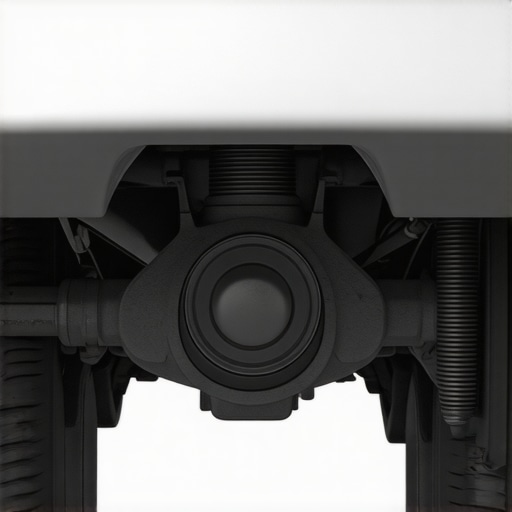
I remember the moment clearly. I was cruising down the street when suddenly, a unmistakable thump jolted through my steering wheel. My heart sank. Could it be something serious? I had just done a tune-up and thought I was in the clear. But that noise? It kept coming back, shaky and unpredictable. Turns out, that unsettling sound was my car warning me about a hidden problem—one I hadn’t considered before: my strut mounts.
Spotting That Silent Culprit Before It Wrecks Your Ride
Is That Noise Just Normal Wear and Tear, or a Sign of Something Worse?
Many car owners, myself included early on, dismiss odd noises as minor issues. But what if that seemingly harmless thump is actually a warning sign that your suspension components, specifically the strut mounts, are giving up? It’s a mistake I made—thinking every bounce or clunk was just part of aging or rough roads. But neglecting these symptoms can lead to more costly repairs down the line. According toauto repair experts, addressing suspension issues early can save you hundreds of dollars and keep your vehicle safe on the road. Want to learn how to differentiate between normal sounds and warning signals? Keep reading. We’ll go beyond the basics and help you identify whether that mysterious thumping is due to a failing strut mount or just some loose hardware. If this sounds familiar, don’t worry. I’ve been there—and I’ve learned the lessons so you won’t have to make the same mistake. Before rushing to replace components, understanding what to look and listen for can prevent unnecessary expenses. Curious if your car has the problem? Let’s break down how to tell if those noisy suspensions are a sign of trouble in your own driveway.
Listen for the Clues
Start by paying close attention to the sounds your car makes. When driving over bumps or turning, a rough clunk or squeak can signal a worn-out strut mount. I once noticed a knocking sound whenever I hit a pothole, which I initially thought was just normal suspension noise. However, after a quick test drive and listening carefully, I suspected the mounts. To be certain, I raised my vehicle and conducted a visual inspection by shaking each wheel to feel for excessive play. If you experience similar symptoms, proceed to the next step.
Secure Your Workspace and Gather Tools
Ensure your vehicle is on a flat surface. Engage the parking brake and use wheel chocks for safety. You’ll need a jack, jack stands, a lug wrench, a socket set, and a torque wrench. Think of it as preparing a station for a minor surgery—precision and safety are vital. I remember the first time I did this, I forgot to tighten the stands properly, which caused a slight wobble. Always double-check your setup to prevent accidents.
Remove the Wheel and Access the Mount
Loosen the lug nuts slightly before lifting the vehicle. Use the jack to lift the car, then secure it with jack stands. Remove the wheel to expose the suspension components. This step feels like peeling back the layers of an onion—thin, careful work reveals what’s inside. During my first attempt, I underestimated how tight the lug nuts could be, which took longer than expected. Use a breaker bar if necessary, and always follow your vehicle’s torque specs for reassembly, available at this link.
Detach and Inspect the Strut Mounts
Locate the strut assembly. Remove the bolts securing the upper strut mount to the vehicle body, often accessible through the wheel well. Carefully detach the mount, taking note of the orientation and hardware. Visually check for cracked rubber or rust. Worn mounts often exhibit visible cracks or deteriorated rubber, much like a shoe sole with holes. If you’re unsure about the repair process, consulting a mechanic or reading this guide can help you avoid costly mistakes. For a comprehensive overview, visit auto repair trends.

Use a rubber mallet or a screwdriver to gently pry off the mount if it’s stuck due to rust or debris. Be cautious not to damage surrounding parts. Micro-check for loose or missing components since these can cause the symptoms you observed. If the rubber parts are hardened or cracked, replacing the mount is advisable to restore proper suspension performance.
Test and Replace if Necessary
After inspection, if you find signs of wear or damage, it’s time to replace the mounts. Choose quality parts compatible with your vehicle, which can be found at your local auto parts store or online. Install the new mounts by reversing the removal process, ensuring all bolts are tightened to the manufacturer’s torque specifications listed in the vehicle’s manual. Proper tightening avoids future issues and prolongs the life of your repairs, much like tightening nuts on a bicycle wheel. Remember, regular maintenance can prevent these problems, which is why periodic checks are recommended. For best practices, see tune-up strategies).
Final Checks and Road Test
Once the new mounts are secured, replace the wheel and lower the vehicle. Tighten the lug nuts in a crisscross pattern to ensure even pressure. Take your car for a slow test drive over various surfaces to verify the repair’s success. If you hear no more knocks or squeaks, you’ve successfully addressed the issue. Keeping your suspension in top shape not only improves ride comfort but also enhances safety. Routine inspections, like those outlined at service checklists, are key to long-term vehicle health.Many vehicle owners operate under misconceptions that can lead to costly mistakes. While basic maintenance is straightforward, the industry is rife with myths that persist despite contradicting expert advice. One widespread misconception is the belief that you need a full service every year regardless of mileage or driving conditions. In reality, as detailed in auto repair trends, tailored service intervals based on your vehicle’s usage and manufacturer recommendations often yield better longevity and cost savings. Rushing to replace parts at the first sign of an issue without a proper diagnosis can also be a trap. Diagnosing complex issues requires experience; for instance, a seemingly worn brake pad could be caused by a failing caliper or warped rotors. Relying solely on visual inspection or a mechanic’s quick comment can lead to unnecessary replacements and expenses. Digging deeper into troubleshooting basics helps you distinguish between actual problems and benign symptoms.
Are All Brake Services Created Equal? Not Quite
Many assume that all brake services—pads, rotors, fluid—are interchangeable or equally essential. However, skimping on professional brake service or using inferior parts can be a costly oversight. For example, brake fluid should be replaced at recommended intervals to prevent corrosion and maintain hydraulic pressure, as explained in brake service myths. A quick stop at a discount shop for cheap pads might save a few bucks upfront but could lead to quicker wear or noise issues, especially if they’re incompatible with your vehicle’s system. Knowing the subtle differences—like the importance of bedding-in new brake pads or choosing the right rotor type—can significantly improve your safety and reduce expenses over time. Understanding the nuances of brake service helps prevent dissatisfaction and ensures your vehicle responds reliably when you need it most.
One of the most overlooked aspects of maintenance is the importance of timing. Many owners neglect regular tune-ups, assuming modern vehicles are maintenance-free until something breaks. But, as discussed in maximizing your car’s lifespan with tune-up strategies, early intervention can catch issues like worn spark plugs, clogged filters, or weak ignition coils before they cause serious damage. Skipping these can lead to decreased fuel efficiency and engine performance, which adds up financially. Remember, proactive care is often less expensive than reactive repairs.
Navigating honest auto repair requires understanding these subtle nuances. The industry thrives on the misconception that more frequent or aggressive servicing is always better. In truth, it’s about quality, diagnosis, and timing. Avoid falling into the trap of myths that push unnecessary repairs or parts. If you want to stay ahead, regularly consult trusted sources such as detailed vehicle maintenance checklists and align your service schedule accordingly. Have you ever fallen into this trap? Let me know in the comments.
Investing in the Right Tools for Long-Term Maintenance
To keep your vehicle in top shape, having a curated set of reliable tools is crucial. I personally rely on a high-quality digital multimeter because it allows me to quickly diagnose electrical issues, from testing the battery to checking sensor signals. Coupled with a socket set that features metric and SAE sizes, I can handle most repairs without rushing to the mechanic. Instead of generic options, I select tools with ergonomic handles and corrosion-resistant finishes that ensure longevity. An example is my breaker bar, which provides the extra leverage needed to loosen stubborn lug nuts during tire rotations—a task I perform regularly to maintain proper tire pressure and prevent uneven wear.
For software, I recommend diagnostic scan tools like the Autel MaxiScan MS300. It connects to your vehicle’s OBD-II port, enabling easy reading of error codes and live data analysis. I use it routinely to catch early warning signs like pending sensor failures or fuel system glitches, preventing more costly repairs down the line. As vehicle electronics become increasingly complex, integrating these tools into your maintenance routine ensures you stay ahead of potential problems.
How do I maintain my car’s health over time?
Regularly updating your maintenance schedule based on manufacturer recommendations is vital. This includes timely oil changes, inspecting brake fluid, and monitoring tire tread depth. Utilizing online checklists like the one at this resource helps you stay organized and proactive. Additionally, performing simple inspections—such as checking for fluid leaks or listening for unusual sounds—can save you money and ensure safety. Keeping detailed records of service dates and observations can also assist mechanics in diagnosing persistent issues more efficiently.
Looking ahead, vehicle diagnostics will continue to evolve with smarter sensors and AI-driven software, making maintenance even more precise. Embracing these advancements now by investing in quality tools positions you to manage your vehicle effectively in the years to come. For instance, the industry is trending toward integrated diagnostic platforms that connect via smartphones, simplifying complex troubleshooting. Trying out an advanced diagnostic tool like the OBDLink MX+ can be a game-changer for proactive maintenance.
Tools That Truly Make a Difference
Beyond basic equipment, I emphasize the importance of proper lighting—particularly LED work lights. They illuminate engine bays thoroughly, making it easier to spot leaks, corrosion, or disconnected wires. For the inner suspension components, a magnetic pick-up tool helps retrieve dropped nuts or bolts in hard-to-reach spots. Remember, using precise tools like a torque wrench when reassembling components ensures they’re tightened to manufacturer specifications, preventing future issues or safety hazards. My go-to is the Tekton ¾-inch drive torque wrench, which provides reliable readings without needing frequent calibration.
Lastly, maintaining a clean workspace and organized tool storage cannot be overstated. It minimizes the risk of lost parts and speeds up repair processes. Woodworking organizers or dedicated foam trays keep small parts sorted, turning what could be a chaos into a manageable task.
The Future of Auto Maintenance
Looking forward, I believe vehicle maintenance will become increasingly digital and connected. Cloud-based diagnostics and predictive maintenance algorithms will help drivers schedule repairs precisely when needed, rather than relying on traditional intervals. Staying ahead means embracing these tools now—like integrating software updates into your diagnostic devices or subscribing to manufacturer apps—and leveraging their insights to extend your vehicle’s lifespan. Experimenting with a next-generation code reader that syncs with your smartphone, for example, will empower you to troubleshoot on the go and make informed decisions about repairs.
If you’re ready to elevate your maintenance game, I recommend trying out a professional-grade diagnostic device paired with detailed troubleshooting guides. This approach not only saves time and money but also gives you confidence in handling unexpected issues. Remember, the secret to keeping your car running smoothly is a combination of the right tools, consistent upkeep, and staying informed.
What I Wish I Knew About Suspension Maintenance Early On
One of the toughest lessons I learned was how a seemingly minor noise could signal a major issue. Overlooking early warning signs like a light thump or strange noise while turning can lead to costly repairs—trust me, I’ve been there. The key takeaway? Never ignore those signals; they are the car’s way of communicating with you. Regular inspections and understanding what symptoms matter can save you a lot of money and keep your drive smooth.
Tools and Resources That Changed My Approach to Auto Care
Investing in quality diagnostic tools, such as a robust OBD-II scanner and trustworthy socket sets, transformed how I handle vehicle maintenance. Resources like this comprehensive checklist and detailed troubleshooting guides have empowered me to diagnose issues early, especially with suspension components. These tools aren’t just gadgets—they’re your partners in proactive auto care.
Embracing a Proactive Mindset for Long-Term Performance
The journey to reliable vehicle health is ongoing. Regularly scheduled tune-ups, paying close attention to unusual sounds, and leveraging advanced diagnostic tools can keep your suspension—and your entire car—in top shape. Remember, a little preventive maintenance goes a long way. By staying informed and prepared, you’re not just fixing issues—you’re preventing them. Planning ahead with resources like strategic tune-ups can ensure your car remains dependable on every journey.
My Secret to Staying Ahead of Auto Problems
It’s simple: embrace continuous learning and don’t shy away from doing some hands-on inspections yourself. Whether it’s checking for rusted mounts or listening for odd noises after a bump, these small steps build a foundation of knowledge that benefits you long-term. Plus, investing in quality tools and resources means you won’t just reactive—you’ll be proactive. The future of auto care is moving toward smarter, connected diagnostics, but the best advocate remains a well-informed owner. Ready to take control of your vehicle’s health and enjoy smoother, safer rides? Dive into resources like industry trends and expert insights and start your journey today.