
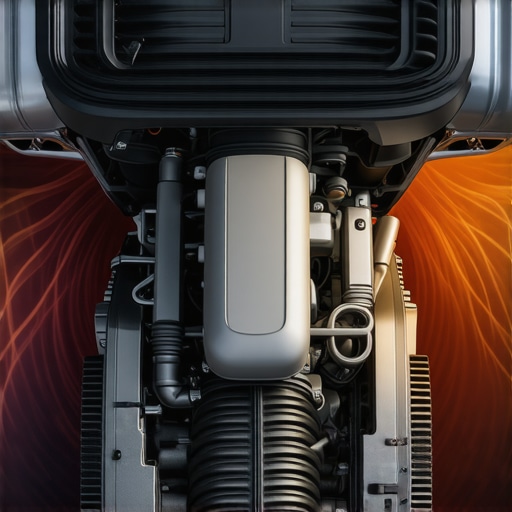
Ever been stuck in traffic, feeling that sudden numbness in your stomach as your car’s transmission starts acting up, and all you can think about is, “Is my transmission overheating right now?” That moment of panic became all too familiar to me early on. I didn’t have a fancy gauge or special tools—just a gut feeling and some common sense. It was a lightbulb moment that learning how to tell if your transmission is overheating without a gauge can save you from costly repairs and unexpected breakdowns.
Why Recognizing Transmission Overheating Matters More Than You Think
Many car owners assume that transmission problems are only detectable through warning lights or strange shifting behaviors. But in reality, overheating can sneak up on you and cause long-term damage. When your transmission gets too hot, it can lead to slipping gears or even complete failure. The good news? There are subtle signs you can watch for—no fancy equipment needed. I’ve made mistakes early on, like ignoring minor warning signs, which only worsened the issue. So, trust me; understanding how to identify overheating without a gauge is an invaluable skill that can prolong your transmission’s life and keep your wallet happy.
Is It Really Possible to Detect Overheating Without a Temperature Gauge?
Absolutely. I used to think it was impossible until I learned some straightforward indicators that don’t involve techy sensors. Plus, I found out that neglecting these signs could lead to severe engine problems. Troubleshooting tips from auto experts confirm that feeling the vehicle’s response and paying attention to subtle changes can be just as effective as high-tech gadgets. If you’ve ever felt your car hesitating or noticed strange smells, you’re already on the right track.
So, whether you’re a seasoned gearhead or just someone who wants to keep their car running smoothly, recognizing these signs now can save you from bigger headaches later. Ready to learn how to become your own transmission detective? Let’s dive into the practical signs and simple checks that reveal overheating—no gauge required.
,
Test How Your Car Responds Under Load
Drive your vehicle on a hilly road or incline, then observe how your transmission shifts. If it hesitates or slips, it could be a sign of overheating. I once took my compact through a steep hill, and my transmission abruptly shifted hard, almost stalling. That immediate response made me realize my transmission was under stress—an indicator I shouldn’t ignore.
Watch for Unusual Smells and Smoke
When your transmission heats up excessively, it often emits a distinct burnt smell, similar to overheated brake pads. During one late-night drive, I noticed a faint burning odor and felt a slight warmth on my car’s center console—pointing to excessive transmission heat. This smell is a red flag that your transmission fluid may be breaking down from high temperatures.
Check for Gear Slippage and Delay
Notice if your car shifts gears roughly or if there’s a noticeable delay between shifts. I experienced this when my transmission hesitated before engaging into drive, almost like it was stuck in a moment of denial. This sluggish response means the fluid isn’t lubricating properly, often due to overheating, risking further damage.
Feel for Vibration or Shaking
Feeling vibrations during acceleration or gear changes? I once felt a rhythmic shudder which faded as I increased speed. These vibrations can be caused by thermal expansion of transmission components or fluid loss—both associated with overheating. Regularly feeling this should be a cue to check your transmission condition.
Perform a Simple Check of Transmission Fluid (If Accessible)
With the engine turned off and cooled down, locate your transmission dipstick. Wipe it clean and reinsert before pulling out again. If the fluid is dark, smells burnt, or is low, overheating might be the culprit. Remember, maintaining proper fluid levels through regular tune-ups is essential for preventing overheating.
Listen for Unusual Noises
Squealing or whining sounds, especially when shifting, can indicate excessive heat. Once, during a summer drive, my transmission emitted a high-pitched whine that increased with engine RPM. These noises are often caused by overheated and damaged internal bearings or gears, alerting you to potential failure—so pay attention and seek professional help if needed.
Observe Behavior After Long Drives
If your vehicle feels sluggish or your transmission exhibits rough shifting post-highway cruising, it might mean it’s overheated. I noticed this pattern one road trip, and giving the transmission time to cool down prevented further damage. Incorporate periodic checks after extended drives to catch issues early and avoid costly repairs.
Illustration of a car transmission overheating warning signs, including smells, vibrations, and fluid checks.
Many vehicle owners fall prey to widespread myths about car maintenance, often leading to unnecessary expenses or overlooked issues. One of the most persistent misconceptions is that all auto repairs are only needed after noticeable problems occur. In reality, proactive maintenance, such as regular tune-ups, can significantly extend your car’s lifespan and improve safety. For example, many believe that a simple oil change suffices, but neglecting comprehensive tune-up procedures can lead to misfires, decreased fuel efficiency, and engine wear. According to automotive experts, addressing potential issues early through scheduled tune-ups—like those detailed in [this essential guide](https://glassfixauto.com/tune-up-your-car-for-peak-performance-essential-maintenance-tips)—saves money and prevents breakdowns.
Another common myth revolves around brake services. Many think that if the brake pedal feels firm and there are no warning lights, nothing needs attention. However, brake pads can wear unevenly or rotors may warp without obvious signs, especially to the untrained eye. As highlighted in [this article](https://glassfixauto.com/brake-service-myths-what-you-need-to-know-before-your-next-stop), regular inspections are critical even when everything seems fine. Relying solely on symptom-based repairs often leads to more costly replacements later, so understanding the nuances of brake system diagnostics is essential.
From a larger perspective, some assume that modern vehicles need less maintenance thanks to advanced technology. While it’s true that newer cars have sophisticated sensors, this can create a false sense of security. The sensor data is only as good as the maintenance behind it. For instance, if oil changes are skipped or neglected, sensor readings may become unreliable, resulting in overlooked problems. An insightful study emphasizes that manual inspections, combined with understanding how your vehicle communicates issues, empower you to make smarter decisions—see the overview of [top auto repair trends for 2025](https://glassfixauto.com/auto-repair-trends-to-watch-in-2025-staying-ahead-of-the-curve).
A crucial trap to avoid is assuming that repairs can wait until a breakdown occurs. This “wait-and-see” approach often leads to the ruin of costly components. Instead, embracing regular maintenance routines and understanding the subtleties of vehicle health can make all the difference. Be cautious of ignoring vibrations, smells, or delays in shifting, as these are often early signals of deeper problems. I’ve seen many owners overlook these signs until a minor issue turns into a major repair—an avoidable mistake.
To sum up, knowledge is your best defense against costly auto repair mistakes. Instead of blindly trusting common myths, stay informed about your vehicle’s needs and advocate for routine check-ups. For detailed guidance on keeping your vehicle in top shape, refer to [this comprehensive service checklist](https://glassfixauto.com/car-service-checklist-how-to-keep-your-vehicle-in-top-shape). Remember, a well-maintained car is safer, more reliable, and saves you money in the long run. Have you ever fallen into this trap? Let me know in the comments.
Keep Your Car Running Smoothly: Tools I Trust
Maintaining your vehicle over the long haul requires more than just basic checkups; it demands the right tools and consistent habits. One indispensable device I rely on is a high-qualitydigital multimeter. It allows me to quickly assess electrical systems, verify battery health, and diagnose faulty sensors without the need for a garage visit. I especially prefer models with auto-ranging capabilities and backlit displays, such as the Fluke 117, which makes inspecting complex electrical circuits straightforward even in dim lighting.
Alongside my multimeter, I keep aportable scan tool like the Autel MaxiProbe. Unlike basic code readers, this device can read manufacturer-specific codes, clear them, and even monitor live data streams. It’s invaluable for diagnosing issues like transmission slipping or sensor discrepancies that can be subtle but affect long-term performance. Regularly updating its firmware ensures I stay ahead of emerging trouble codes, aligning with future trends in vehicle diagnostics whereconnected car technology is becoming increasingly sophisticated.
For routine fluid checks, I prefer aprecision fluid tester that measures transmission fluid viscosity and contamination levels. This proactive approach helps catch overheating signs early. I recommend testing transmission fluid every 30,000 miles, especially if your driving involves frequent stop-and-go or heavy loads. Proper fluid management not only extends the life of internal components but also improves fuel efficiency, a benefit echoed in the importance of regular tune-ups.
Future of Maintenance: Embracing Smart Tools
Looking ahead, I believe the trend leans toward integrated diagnostic systems and AI-powered diagnostics that can predict failures before they happen. Vehicles equipped with advanced telematics will communicate directly with maintenance apps, prompting service reminders and offering precise repair advice. To stay prepared, I’m experimenting withOBD-II Bluetooth adapters paired with smartphone apps that analyze data on-the-go. This fusion of hardware and software minimizes downtime and prevents costly damages—like transmission overheating that’s gone unnoticed.
How do I maintain my car’s health over time?
Routine inspections of critical systems, regular oil and fluid changes, and staying informed with trustworthy guides like essential maintenance tips help ensure longevity. Incorporating diagnostic tools into your maintenance routine, such as a quality multimeter or scan tool, empowers you to catch issues early. I challenge you to try out a precision transmission fluid tester this month—early signs of overheating can save you from major repairs later. Remember, staying proactive now pays dividends in long-term vehicle health.
Over the years, I’ve come to realize that the most valuable insights about vehicle maintenance aren’t always found in manuals or by relying solely on gadgets. Instead, they often come from personal experiences, lessons learned the hard way, and a keen eye for subtle signs. Recognizing the signs of transmission overheating without a gauge is one of those skills that can save you significant trouble and expense.
Lessons the Road Taught Me About Transmission Warnings
- Trust Your Feelings Over Gadgets: Even if your dashboard remains silent, subtle shifts in how your car responds can indicate underlying issues. For instance, hesitation or rough shifts caught my attention long before warning lights flickered.
- Vivid Smells Are Red Flags: That burnt smell of overheated transmission fluid is unmistakable. Once, I ignored it during a hot summer day, only to face costly repairs later—learning to heed my nose proved invaluable.
- Drive Tests Reveal Hidden Strains: Pushing your car on inclines and noting responses can uncover overheating tendencies. That steep hill I tackled made me realize my transmission was under stress—a lesson that modern sensors might miss.
- Vibrations Are More Than Annoyances: Feeling shudders during acceleration or gear changes signaled thermal expansion and fluid issues I could detect without tech tools. Regularly checking these feelings helped me avoid failures.
- Consistent Post-Drive Behavior Matters: Noticing sluggishness after long trips prompted me to investigate cooling periods and fluid conditions, preventing long-term damage.
Tools That Empower Me to Stay Ahead
My success in early detection relies on a few trusted tools. A high-quality digital multimeter helps diagnose electrical issues that contribute to overheating. A scan tool uncovers codes and monitors real-time data, giving me an edge over unseen problems.
For proactive transmission health, I rely on a transmission fluid tester. Regular testing of viscosity and contamination levels keeps overheating in check—an approach anyone can adopt to extend their vehicle’s lifespan.
The Road Ahead: Embracing Smart Maintenance Strategies
Looking forward, I’m excited about how connected diagnostics and AI-driven alerts will transform auto care. Pairing these with traditional vigilance creates a powerful safeguard. Using smart adapters connected to smartphones offers real-time insights, enabling me to address overheating signs before they escalate.
Unearthing the Truth in Car Maintenance Myths
Throughout my journey, I learned to challenge common misconceptions. For example, many assume that if the dashboard is silent, everything’s fine—yet, as I discovered, paying attention to smells, responses, and sensations is equally crucial. Relying solely on visual cues or waiting for warning lights can be a costly gamble. Staying proactive with regular tune-ups and fluid checks, as advised in this guide, is the best strategy to prevent overheating and prolong your transmission’s vitality.
Embrace the Knowledge, Keep Your Ride Alive
My advice? Don’t wait for your transmission to scream for help. Develop your own checklist—test drive on hills, listen for unusual sounds, and trust your instincts. Every symptom, no matter how minor, is a valuable clue. The more you learn to interpret these signs, the better you’ll care for your vehicle and your wallet. Are you ready to become your own transmission detective and take charge of your car’s health? Dive into routine checks today and share your stories below—your experience might just save someone else from unnecessary repair bills!