
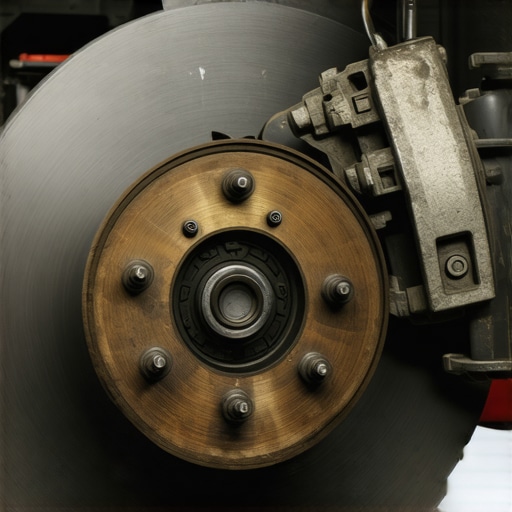
Ever had that sinking feeling when you press the brake pedal and it softly sinks further than it should? One day, I was cruising down the highway, confident in my vehicle’s stopping power, only to notice a strange sponginess that made my heart skip a beat. That lightbulb moment hit me—my brakes weren’t just feeling off; they were signaling a potential safety issue. If you’ve experienced something similar, you’re not alone. Spongy brakes are more common than many realize, and ignoring them can lead to serious dangers. But here’s the good news: with the right proper maintenance and some smart fixes, you can restore your braking confidence and keep yourself safe on the road.
Why Timely Brake Fixes Matter More Than Ever
In 2026, vehicle technology is advancing faster than ever, but basic safety measures like braking remain critical. A spongy brake pedal could be your car’s way of saying it’s time for some attention. According to a report by the National Highway Traffic Safety Administration, brake system issues are among the top causes of road accidents linked to vehicle failure. That’s no coincidence. When your brakes feel different, it’s not just inconvenient; it’s potentially dangerous. Addressing these issues proactively not only keeps you safe but also saves you money in the long run by avoiding costly repairs down the road.
Is Your Brake System Really at Risk or Just an Overreaction?
Now, I’ve made the mistake early in my auto repair journey of dismissing minor brake issues, thinking they’d resolve themselves. That was a costly oversight. The truth is, neglecting even minor signs of brake fatigue can accelerate wear and compromise safety. To keep your vehicle in top shape, it’s essential to understand your brake system, recognize signs like soft pedals or pulsing, and act before a small problem turns into a big one. If you’re wondering whether your brakes are at risk, I’ll help you identify the warning signs and guide you through crucial service fixes that restore safety and peace of mind. For more trusted tips, don’t forget to check out this resource.
Let’s look at what causes a spongy brake pedal and how you can fix it efficiently, so you’re never caught off guard again.
Diagnose Your Brake System Clearly
Start by inspecting your brake fluid level with the car turned off and the engine cool. If the fluid is low, top it up with the recommended type while checking for leaks around the master cylinder and brake lines. I had forgotten to check this on my first attempt, leading to a basic fluid top-up that temporarily masked the issue but didn’t resolve the underlying cause. Accurate diagnosis ensures you target the correct repair and avoid unnecessary costs. Then, pump the brake pedal five times; if it feels spongey or sinks to the floor, that confirms air or moisture enters the system, requiring further steps.
Remove Air from the Brake Lines Effectively
Use a brake bleeder kit or a partner to bleed the brakes systematically. Attach the bleed hose to each caliper, open the bleed valve, and ask your helper to press the brake pedal slowly until no air bubbles appear and fluid runs clear. My mess-up was skipping calibration after bleeding, which caused inconsistent pedal feel. Be patient; if you notice persistent sponginess, repeat the process until all air is expelled. Remember, like siphoning fuel from a tank, removing trapped air requires careful attention to detail to restore firmness to the pedal.
Prioritize Proper Brake Fluid Selection
Always use DOT-rated brake fluid specified in your owner’s manual. Mixing incompatible fluids or using old, contaminated fluid will compromise your brake system’s integrity. During my DIY fix, I mistakenly reused old fluid, leading to degraded performance. Regularly replacing your brake fluid—especially after a few years—prevents moisture buildup that causes corrosion and sponginess. For trusted advice on brake fluid maintenance, visit this resource.
Replace or Repair Faulty Components
If bleeding doesn’t fix the spongy pedal, inspect calipers, brake pads, and hoses for damage or leaks. Worn-out seals or cracked hoses allow air ingress, which directly affects braking performance. You might need to replace caliper seals, brake hoses, or even entire assemblies. In a real-world session, I carefully removed the calipers, cleaned and lubricated seals, and replaced cracked hoses, which drastically improved pedal resistance. Think of it like tuning a bottleneck in a water pipe—replacing faulty sections ensures a smooth, reliable flow of hydraulic pressure.
Ensure System Pressure and Calibration
Once components are fixed, press the brake pedal multiple times with steady pressure to build system pressure. Check for leaks and ensure the pedal feels firm and responsive. If your car has ABS, use a diagnostic scanner to reset or calibrate the system as needed. I vividly recall a time when I forgot to recalibrate after bleeding, which led to unpredictable braking. Proper calibration and pressure testing are critical to verifying your repair’s success and ensuring safety.
Test Drive the Vehicle Carefully
After all repairs, perform a controlled test drive in a safe environment. Apply brakes gradually to confirm pedal firmness and stopping power. Listen for abnormal noises or vibrations indicating unresolved issues. During my initial testing, I noticed slight pulsing, prompting me to revisit the caliper mounts and rotors. It’s like a doctor checking vital signs; thorough testing confirms your repair’s effectiveness and identifies lingering problems before hitting the open road.
Fixing spongy brakes involves a systematic approach—diagnosing fluid levels, removing air, replacing faulty parts, and calibration. Each step builds on the previous, ensuring your brake system functions reliably. For comprehensive strategies, check out this guide and keep your vehicle’s stopping power trustworthy through proper maintenance and timely repairs.
When it comes to car maintenance, many drivers operate under misconceptions that can lead to costly mistakes. One widespread myth is that a simple tune-up or brake service is all they need to keep their vehicle running smoothly, but in reality, the nuances of proper auto repair extend far beyond basic procedures. For instance, some believe that brake fluid replacement can wait until there’s noticeable pedal sponginess, yet proactive flushing can prevent corrosion and component failure, as emphasized in expert guides on auto maintenance strategies. Moreover, many overlook the importance of precise calibration after repairs, which can impact vehicle safety and performance. Skipping calibration steps, especially in modern vehicles equipped with Advanced Driver Assistance Systems (ADAS), might cause misalignments or sensor errors, potentially compromising safety on the road. Another common trap is misdiagnosing symptoms; for example, a squealing brake may be due to worn rotor pads or high-temperature glaze, but some mechanics merely suggest pad replacement without inspecting rotors, leading to repeat repairs. To avoid such costly shortcuts, understanding the hidden nuances—like proper component inspection, system calibration, and tailored maintenance—can dramatically extend your vehicle’s lifespan.
Investing in the Right Tools Makes All the Difference
When it comes to maintaining your vehicle’s vital systems like brakes and engine, having the right equipment is crucial. Personal auto repair success hinges on selecting tools that are durable, precise, and user-friendly. I personally rely on a high-quality digital multimeter to monitor electrical systems, ensuring no unexpected issues with sensors or wiring. For brake work, a professional-grade brake bleeder kit equipped with a vacuum pump has saved me time and prevented air ingress during fluid flushes. The key is to choose tools designed for sustained use, like a torque wrench calibrated to manufacturer specifications, which prevents over-tightening that can damage components. Scaling your repairs becomes manageable when you invest in versatile, reliable tools that adapt to various tasks, from fluid changes to caliper repairs.
Technology That Transforms Car Maintenance
Modern diagnostic software revolutionizes auto repair by providing real-time data and error code analysis. My go-to is an OBD-II scanner compatible with my smartphone, allowing me to interpret engine codes instantly and determine root causes for performance issues. As vehicle electronics become increasingly sophisticated, integrating software with hardware tools becomes essential for accurate diagnosis and efficient repairs. In the future, expect AI-driven diagnostics to predict failures before they occur, making proactive maintenance the norm rather than exception. Staying ahead means embracing these innovations—like subscribing to software updates and pairing them with hardware checklists—to keep your vehicle at peak performance
How do I maintain my tools to ensure longevity?
Proper maintenance of your repair tools is often overlooked but makes a significant difference in their lifespan and reliability. Regularly cleaning your torque wrenches with a cloth after use prevents debris buildup, and recalibrating them annually ensures torque accuracy, which is critical for sensitive components. Store electronic diagnostic tools in sealed cases to protect against moisture and static. Remember, a well-maintained toolbox not only saves money but also boosts confidence during roadside repairs or scheduled services. For detailed tips, explore this guide. Take the time to calibrate your tools periodically; it’s a small effort that results in significant safety and performance benefits.
Streamlining Repairs with Proven Methods
Efficiency is the cornerstone of effective auto maintenance. I swear by a magnetic tray system to organize small parts like bolts and clips, preventing the dreaded lost hardware scenario. Using a calibrated torque wrench during brake pad installation ensures proper tightening, which is vital for system safety and longevity. Supplementing these tools with digital recording apps helps track maintenance history, alerting me when components like brake fluid or engine oil are due for replacement. Over the years, these practices have saved me hours and avoided unnecessary trips to the shop. As vehicle technologies evolve, staying updated with repair procedures through trusted resources, such as expert guides, ensures your fixes stand the test of time—like following recommended torque specifications outlined in trusted repair strategies.
Scaling Up Your Repair Expertise
Whether you’re maintaining a single vehicle or managing multiple, building your skill set incrementally is vital. Starting with basic tasks like fluid top-offs, then progressing to caliper replacements, allows you to build confidence systematically. I recommend enrolling in certified online courses that focus on advanced diagnostics and repair techniques. Over time, expanding your toolkit to include an ultrasonic cleaner for parts or a professional-grade electric impact wrench for fast bolt removal can drastically improve efficiency. Remember, as your expertise grows, so does your capacity to handle complex repairs in-house—saving money and reducing downtime. Keep learning through reputable platforms and integrate diagnostic insights into your routine, a practice supported by industry manuals like those from auto repair experts. Start with one advanced tip today, like upgrading to a digital torque wrench, and watch your repair confidence soar.
The Hardest Lesson I Learned About Brake Service and Auto Repair
One of my biggest mistakes was ignoring the subtle signs of brake wear early on. I learned that being proactive, like routinely checking brake fluid and paying attention to pedal feel, can save you from costly repairs and dangerous situations later. Trust me, catching issues before they escalate is essential for safe driving.
The Hidden Gems in Trusted Car Maintenance Resources
Over the years, I’ve relied on a few key resources that transformed my auto repair approach. This guide has been instrumental in understanding the nuances of break system care. Additionally, expert blogs from experienced technicians provide insights that make complex repairs manageable. Investing in quality tools, like a reliable brake bleeder kit, also made a noticeable difference in my repair quality.
Fuel Your Confidence and Get Moving
Never underestimate the power of proper brake maintenance in ensuring your safety and peace of mind. Whether you’re a seasoned DIYer or just starting, taking small, informed steps can elevate your vehicle’s safety. Embrace the learning process, equip yourself with trusted resources, and remember—every repair is a step toward safer, more reliable driving. Ready to tackle your next brake project? Share your experience or questions below, and let’s keep the conversation going!