
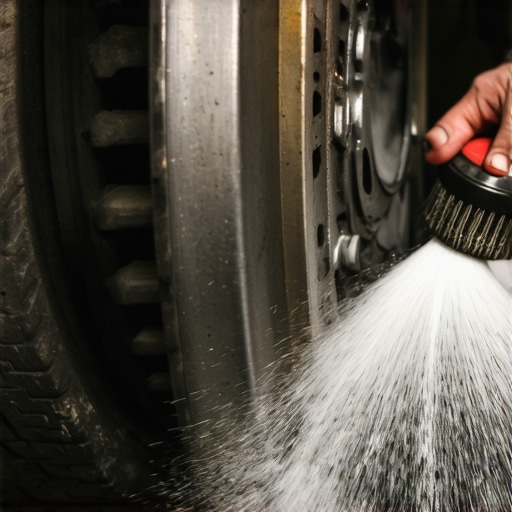
It happened on a sleepy Saturday morning. I was just pulling out of my driveway, brushing off the weekend plans, when suddenly—I heard it. That awful squeal from the brakes. Not just a tiny squeak, but a relentless, grating noise that made me cringe every time I pressed the pedal. Frustration and embarrassment hit me hard. I was sure it was something expensive, maybe warped rotors or worn-out pads. But after some quick digging and a bit of trial-and-error, I stumbled onto a simple cleaning trick that changed everything.
Why Squeaky Brakes Drive Us Crazy—and How to Fix Them Fast
If your brakes squeal like mine did, you’re not alone. That noise isn’t just an annoyance; it’s a sign that your braking system needs attention. Many drivers ignore it, thinking it’s just normal wear or a minor issue. But in truth, that squeak often indicates accumulated brake dust or grime building up on your calipers and pads. Over time, this dirt creates a high-pitched squeal every time you brake. The good news? Most of the time, it’s an easy fix—cleaning your brakes can restore quiet and ensure your safety.
This revelation hit close to home when I first tried to ignore the squealing. I was just about to schedule a costly service, assuming I’d need new brake components. Early on, I made that classic mistake—ignoring routine maintenance. That’s a move many make, and it always costs in the long run. Instead, I wish I had known that sometimes, a simple cleaning can save me from unnecessary expenses. In fact, regular maintenance like brake cleaning can extend the life of your components and improve overall performance. For more tips on maintaining your vehicle, you might want to check out [this comprehensive auto repair guide](https://glassfixauto.com/auto-repair-trends-to-watch-in-2025-staying-ahead-of-the-curve).
You might be wondering: Is this cleaning trick really enough? Will it keep those squeals away permanently? Well, that’s what I’ll help you discover next. Let’s get hands-on and bring back the peace and quiet to your drive.
Remove the Wheel to Access Your Brakes
Start by safely parking your vehicle on a level surface, engaging the parking brake, and using wheel chocks to prevent movement. Loosen the lug nuts with a impact wrench or a tire iron while the car is still on the ground, then lift the vehicle with a jack and fully remove the wheel. This step is crucial because it exposes the brake components for cleaning. I remember one weekend afternoon when I did this in my driveway, struggling a bit with the lug nuts but finally getting the wheel off to spot the dusty, grimy brake assembly—an eye-opener to how much dirt accumulates over time.
Identify Your Brake Parts and Common Problem Areas
Locate the rotor, brake pads, calipers, and the dust shield. Squeaky brakes often stem from grime and brake dust settling on the rotor and caliper contact points. The dust shield, which protects the brake components, can trap dirt too. Knowing these parts helps target cleaning effectively. I once skipped this step, trying to clean blindly, which led to missing some of the dirt and making my effort less effective. Remember, proper identification saves time and ensures thorough cleaning.
Use a Brake Cleaner for Effective Removal of Dirt
Spray a dedicated brake cleaner onto the brake calipers, rotors, and dust shield. Avoid using household cleaners—they lack the necessary degreasing power and can leave residues. Hold the spray can at least 6 inches away and coat all surfaces liberally. The foam and solvent will loosen the grease, brake dust, and grime. During my first attempt, I sprayed too close and got overspray on my wheel well, which I cleaned later. Proper technique ensures a cleaner surface without making a mess.
Let the Cleaner Work and Loosen Debris
Give the brake cleaner a minute or two to do its job. The solvent will break down the stubborn dirt. You might notice some dirt dripping or loosening; this is a good sign. Using a soft-bristled brush or an old toothbrush, gently scrub the caliper and rotor surfaces to dislodge stuck-on grime. This manual scrubbing complements the chemical cleaner and improves overall cleanliness. I remember when I used an old toothbrush and saw a significant difference in brake noise afterward.
Wipe and Dry the Components Thoroughly
Use clean rags or microfiber cloths to wipe away the loosened dirt and excess cleaner. Ensure all residue and brake dust are removed, especially from contact points where the pads meet the caliper. For hard-to-reach spots, a compressed air gun can blow away stubborn dust. In my experience, thoroughly drying the parts prevents residual grease from causing uneven brake action later.
Reassemble and Test Your Brakes
Place the wheel back onto the hub, tighten the lug nuts by hand, then lower the vehicle gently to the ground. Use a torque wrench to tighten the lug nuts to the manufacturer’s specifications. Once everything’s reassembled, gently test your brakes at low speed to ensure noise has diminished. Remember, regular maintenance like this extends your brake system’s life and keeps your car running smoothly. For more detailed maintenance routines, consider reviewing the auto service guide.
When it comes to vehicle maintenance, many drivers rely on popular myths or surface-level knowledge, often leading to costly mistakes. One common misconception is the belief that brake pads only need replacing when they’re visibly worn out. In reality, brake wear is a complex process influenced by various factors like driving habits, brake fluid quality, and even ambient conditions. Failing to understand these subtleties can result in premature component failure or compromised safety.
Another nuanced mistake involves assuming that all auto repairs or tune-ups are equally necessary every time. Some owners think that routine services like spark plug replacement or fluid flushes are optional, but neglecting these can cause engine inefficiencies, reduced fuel economy, and increased emissions. Regular maintenance acts as a preventive measure, catching issues before they escalate. For an in-depth look, check out [how regular tune-ups improve fuel efficiency and safety](https://glassfixauto.com/how-regular-tune-ups-improve-fuel-efficiency-and-safety).
A critical trap many fall into is underestimating the significance of quality parts and correct procedures. Using substandard replacement components or DIY fixes without proper knowledge can weaken your vehicle’s performance and safety. For example, installing brake pads without proper bedding or choosing the wrong type of brake fluid can cause uneven wear or brake failure. Properly executed, professional brake service ensures even contact and longevity, which you can learn more about by visiting [brake service myths you should know](https://glassfixauto.com/brake-service-myths-what-you-need-to-know-before-your-next-stop).
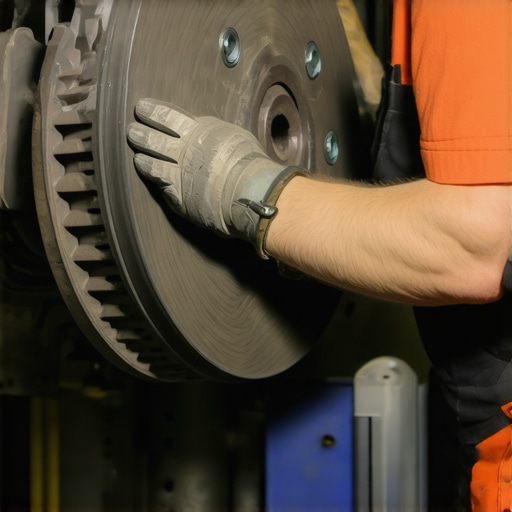
In the quest for longevity, timing and precision matter. Routine inspections, including checking brake lines, calipers, and rotors, help identify issues before they turn into safety hazards. Remember, assumptions like ‘I only need service after a strange noise’ are risky; regular checklists are essential. For comprehensive insights, consider reviewing [auto service checklists to keep your vehicle in top shape](https://glassfixauto.com/car-service-checklist-how-to-keep-your-vehicle-in-top-shape).
## What Most People Get Wrong About Car Repairs
One of the less obvious pitfalls is the misconception that higher-end parts always outperform cheaper alternatives. This isn’t universally true; sometimes, premium parts are unnecessary for your driving profile, while in other cases, opting for the lowest price can compromise durability. Consulting with experienced technicians helps tailor the right maintenance plan. Additionally, many drivers don’t realize that routine oil changes aren’t just about engine lubrication; they also remove contaminants that can affect other components, including the transmission and brakes.
Finally, neglecting the importance of a detailed inspection before major repairs is a frequent mistake. Jumping straight to replacement without diagnosing the root cause can lead to repeated failures. Get the full picture by visiting [the ultimate car service guide](https://glassfixauto.com/the-ultimate-car-service-guide-when-and-why-to-schedule-maintenance) and never underestimate the power of a thorough diagnosis.
Have you ever fallen into this trap? Let me know in the comments. Remember, mastering these nuances not only prolongs your vehicle’s lifespan but also safeguards your safety on every journey.Maintaining a vehicle efficiently requires not just knowledge but also the right tools that can make every repair or service straightforward and reliable. Over the years, I’ve refined my toolbox to include equipment that offers precision, durability, and ease of use, ensuring that I can handle most auto repair and brake service tasks myself. Investing in quality tools saves money in the long run and provides peace of mind, knowing that every component is handled correctly.
One essential tool I consistently rely on is a high-precision digital torque wrench. For instance, when reassembling brake calipers or tightening lug nuts, precision matters to ensure even pressure distribution and prevent warping rotors or damaging studs. I prefer models with a digital readout because they offer accurate readings down to 1 ft-lb, which is crucial for maintaining manufacturer specifications. For example, the [ACCUWAY Digital Torque Wrench](https://www.amazon.com) has been my go-to, providing reliable consistency after years of use.
In addition to torque wrenches, a quality multimeter is indispensable for diagnosing electrical issues and ensuring your charging system and sensors operate correctly. I specifically use a digital multimeter with auto-ranging capabilities and a temperature measurement feature, allowing me to troubleshoot everything from faulty sensors to battery issues efficiently.
For cleaning and maintenance, I swear by a dedicated brake cleaner and a set of fine, flexible brushes. This combination lets me remove brake dust, grime, and corrosion without damaging sensitive components. I’ve found that a small, flexible flashlight helps illuminate tight spaces like caliper pistons or behind the wheel hub, ensuring that no dirt lurks unnoticed.
Automation has also become a game-changer. Software tools like repair manuals and diagnostic apps—such as *OBDLink* or *AutoEnginuity*—are now integral to my workflow. They provide real-time data, error code definitions, and step-by-step troubleshooting guides, significantly reducing guesswork. I recommend connecting a reliable OBD-II scanner to your vehicle regularly to monitor sensor health and catch minor issues before they escalate.
Looking ahead, I believe the trend toward wireless diagnostics and AI-powered repair assistance will continue to grow. Imagine apps that can guide you through complex repairs with virtual assistants that recognize your vehicle’s specific needs, similar to how predictive maintenance is transforming industrial settings.
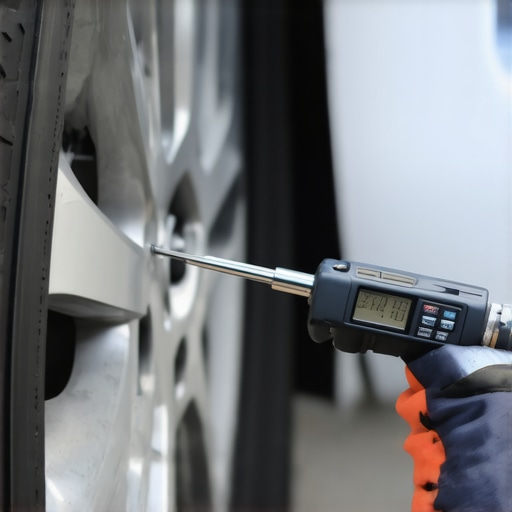
So, what’s the best way to keep these tools in pristine condition? Regular calibration and cleaning are paramount. For torque wrenches, I calibrate them annually using a certified torque calibration device—this prevents inaccuracies that can lead to improper tightening. Multimeters should be stored in a dry environment and tested against a known good power source from time to time.
If you’re serious about auto repairs or want to extend your vehicle’s lifespan, try integrating a digital torque wrench into your routine. Proper use and calibration can dramatically improve your repair quality. For detailed guidance on routine maintenance checks, review the [auto service checklist](https://glassfixauto.com/car-service-checklist-how-to-keep-your-vehicle-in-top-shape). Ready to upgrade your toolkit? Visit [our contact page](https://glassfixauto.com/contact-us) and let’s discuss which tools suit your needs best.
Lessons That Turn DIY Disasters Into Safe Wins
One of the most valuable lessons I learned is that not all brake squeals mean the end of your brake pads. Sometimes, a simple cleaning can solve the issue, saving you hundreds and extending your brake life. Delaying maintenance often leads to costly repairs, but understanding the ’why’ behind these sounds reframes them as clues rather than problems. Recognizing that brake dust and grime are common culprits helped me approach brake issues with confidence rather than anxiety.
The second insight came from realizing that tools matter. Using a high-quality brake cleaner or a precise torque wrench isn’t just a matter of convenience—it’s about safety and longevity. Proper identification of components before cleaning ensures I target the real issue instead of wasting time and risking damage. These lessons transformed my approach from guesswork to informed action, showing me that knowledge and quality tools are your best allies in auto maintenance.
Lastly, I discovered that routine inspections and maintenance aren’t just for mechanics—they’re for everyone wanting to keep their vehicle dependable. Regularly checking brake components and following a maintenance checklist reduces surprises and keeps you aware of your vehicle’s health. My biggest mistake was neglecting these steps until a squeal turned into a grinding noise. Now, I see maintenance as a form of self-care for my car, ensuring safety and peace of mind on every drive.
Tools and Resources That Made a Real Difference
For anyone serious about maintaining their vehicle, investing in a quality digital torque wrench has been a game-changer. I trust the ACCUWAY Digital Torque Wrench because it provides precise readings, preventing over-tightening that can warp rotors or damage studs. A reliable multimeter, like the Fluke 117 Electricians Multimeter, has helped me diagnose electrical issues early, saving me from breakdowns.
In terms of learning, I found the auto repair trends guide invaluable. It keeps me updated on best practices and emerging tools. And for in-the-moment troubleshooting, repair manuals and diagnostic apps such as diagnostic resources have sped up my learning curve tremendously. Combining these tools with hands-on experience makes auto maintenance accessible and rewarding.
Step Into Empowered Driving
Taking control of your vehicle’s health isn’t just about saving money—it’s about confidence, safety, and peace of mind. Every time I handle my brakes or perform routine checks, I feel more connected to my car and better prepared for the road ahead. Remember, auto repair is a skill anyone can develop with patience and the right resources. Don’t wait until squeals become squeaks—start your maintenance journey today and enjoy the freedom of knowing you can keep your vehicle running smoothly.
Have you ever struggled with diagnosing or fixing a brake issue? Share your experience below and let’s learn together!