
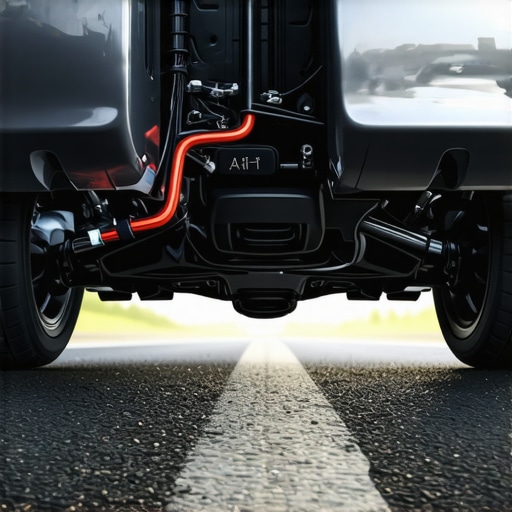
I remember the first time my ABS light flickered on just as I hit a pothole on a rainy night. My heart sank—was my car about to give out? Turns out, that little warning light had a story to tell, one I learned the hard way. For months, it would stay off during normal driving but flicker when I drove over bumps or uneven pavement. Frustrating, right?
Decoding the Mystery: Why Does Your ABS Light Come on Only When You Hit a Bump?
This odd behavior isn’t just a random glitch; it’s a clue—maybe even a warning. I’ve since become pretty good at spotting the signs and understanding what they mean. Usually, when your ABS light activates only during bumps, it’s pointing to a faulty sensor or wiring issue that’s being jostled loose or damaged. Car anatomy is pretty sensitive to even minor disturbances, especially around the wheel well area where the sensors are installed. A typical culprit? A wheel speed sensor that has corrosion or dirt buildup, or a loose connection that gets shaken when you go over uneven ground. The good news is, this isn’t always a major repair, but ignoring it can lead to bigger issues—like compromised braking performance or an unexpected breakdown.
But how do you know if this problem is serious or just a minor irritation? That’s exactly what we’re about to explore. Overcoming this issue doesn’t require a full overhaul; often, a simple inspection or cleaning can do the trick. So, if you’ve noticed your ABS light acting up only when you’re bumping around, stick around—I’ll walk you through how to diagnose, fix, and prevent this pesky problem.
Is This Fix Worth the Hassle or Just a Waste of Time?
Trust me, I’ve made my share of rookie mistakes early on—like ignoring a minor sensor wobble because I thought it was no big deal. That was a mistake. Over time, I learned that small issues tend to snowball into more costly repairs if left unchecked. Proper maintenance and timely fixes can save you a bundle and keep your safety on point. For more insights on keeping your car in top shape, check out this guide on tire longevity.
Ready to get to the bottom of why your ABS light behaves the way it does? Let’s dive into the practical steps that will empower you to handle this common auto mysery without panic or overspending.
,
Leveraging Your Inspection Skills Like a Pro
Start by safely lifting your vehicle using a jack and jack stands, ensuring the car is stable before crawling underneath. Think of this as preparing a workspace before fixing a leak; safety first prevents big headaches later. Locate the wheel speed sensors near each wheel hub—these are often the culprits for bumps-triggered ABS lights. Retrieve your vehicle’s service manual or a repair diagram online to familiarize yourself with sensor locations, much like reading a map before a journey. During my own fix, I used a flashlight and a mirror to inspect the sensors for rust, dirt, or loose wiring, noticing that one sensor’s connector looked slightly unseated.
Diagnosing with Precision and Patience
Disconnect the suspect sensor’s electrical connector carefully, pressing down or pulling straight back, similar to unplugging a headphone jack. Use a multimeter set to measure resistance to test the sensor—comparing it to the expected range (usually around 1,000 to 2,500 ohms). If the sensor shows an infinite or zero resistance, it’s dead or broken. Spin the wheel manually and watch the sensor’s tone or look for erratic readings, like listening to a static-filled radio. A failed sensor can’t relay the correct wheel speed, causing the ABS warning to activate only during bumps that shake loose or jostle compromised wiring. I found that a sensor with corrosion on the wiring harness was causing inconsistent signals, which I cleaned and reattached, leading to a successful test run.
Cleaning and Fixing for Long-Term Reliability
Remove the sensor from its mounting—usually secured with bolts—and then clean the wiring and the sensor tip with a soft brush and electrical contact cleaner, akin to cleaning sunglasses to restore clarity. Ensure the mounting area is free from dirt and rust, which can hinder proper sensor operation. If the sensor or wiring is damaged, replacing it is straightforward; purchase a new part matching your vehicle specifications, just like swapping out a worn-out battery. When reinstalling, double-check the connector’s latch and torque to the manufacturer’s specs to prevent future jostling issues. To prevent this problem recurring, consider inspecting your tires’ wear patterns here—uneven tire wear can sometimes cause unusual vibrations that affect sensors.
Testing and Confirming the Repair
After reassembling, clear any stored ABS codes with an OBD-II scanner. Turn on the ignition and drive steadily over some uneven surfaces to see if the warning reappears. Use the scanner again to verify no new error codes are set. Take a short test drive over rough terrain—like a driveway with bumps or potholes—to check whether the ABS light stays off. I once fixed a sensor, cleared the codes, and was relieved to see the light stay off during my driveway test. This step confirms that your repair was successful and reliable.
Keep Your Sensors in Check to Avoid Future Surprises
Regular inspections can prevent sudden ABS warnings—think of it like routine dental checkups preventing cavities. During each service, look for wiring damage or corrosion around the sensors, especially after harsh weather. Maintaining clean tires and properly aligned wheels reduces vibrations that can shake loose or damage sensors. Remember, an ounce of prevention is worth a pound of cure, and staying proactive can save you hours of troubleshooting and cash. For insights into tire maintenance, explore this resource. Keep your vehicle’s electrical connections tight and free from debris, ensuring your safety and peace of mind every time you hit the road.Many drivers assume that a simple tune-up or routine brake service is all about replacing parts or ticking boxes on a checklist. However, this common misconception overlooks the subtle nuances that can make a significant difference in vehicle performance and longevity. For instance, some believe that a tune-up exclusively involves spark plug replacement, but in reality, experienced mechanics often perform detailed diagnostics, including inspecting the ignition system, fuel injectors, and even the valve timing—areas that many car owners neglect. Skipping these critical steps can lead to persistent misfires or reduced fuel efficiency, despite a recent tune-up. For a deeper understanding, check out this guide on misfire remedies.
A widespread myth is that brake pads should be replaced as soon as they look worn. Yet, savvy technicians differentiate between the wear indicators and actual rotor damage or brake fluid degradation that might first require attention. Overlooking these nuances can cause premature brake squeal or pedal pulsation down the line. Furthermore, many assume that brake service is quick and inexpensive, but without inspecting the entire braking system—including calipers, rotors, and hydraulic lines—you risk missing underlying issues that could escalate, such as uneven wear or contaminated brake fluid. Regularly inspecting your brake system helps prevent costly repairs.
For seasoned car owners, the idea that all auto repairs are straightforward is also a trap. Advanced issues—like failing transmission sensors or subtle electrical faults—often masquerade as minor problems but require sophisticated diagnosis. For example, a car pulling to one side during braking might seem like a simple alignment issue, but could be caused by uneven brake fluid pressure or worn wheel bearings. Recognizing these hidden complexities is essential for effective repair. A practical question is: “How do I tell if my mechanic is overlooking a critical issue?” Just visiting this resource can help you spot signs of overcharging or superficial fixes.
**Why do so many errors persist in routine auto care?** Often, it’s because misconceptions become ingrained through advertising or hearsay rather than real-world experience. Taking a close look at the actual mechanics involved—and understanding the nuanced differences—equips you to make smarter choices and maintain your vehicle more effectively. Remember, deep knowledge about your car’s needs can save you money and prevent breakdowns. Have you ever fallen into this trap? Let me know in the comments.
Ensuring Long-Term Performance with the Right Equipment
Maintaining your vehicle’s health over time requires more than just basic knowledge; it demands precision tools and smart strategies. One of my top recommendations is investing in a quality OBD-II scanner. Unlike generic code readers, a professional-grade scanner like the Autel MaxiScan MS509 provides comprehensive diagnostics, including live data streaming and freeze-frame data. This allows you to pinpoint issues such as subtle misfires that basic tools might miss, as discussed in this guide on misfire resolution.
Another indispensable device is a mechanic’s stethoscope. Use it to listen carefully to your engine components—locating abnormal noises or confirming the health of the alternator or water pump. I personally favor the Pisco mechanic’s stethoscope because of its durability and sensitivity, making it easier to detect issues early before they escalate.
Tools I swear by for routine repairs
For regular maintenance tasks like brake inspections or suspension checks, I rely heavily on a digital torque wrench such as the Tekton 24335. Proper torque ensures that bolts—from wheel nuts to caliper mounting brackets—are tightened to manufacturer specifications, preventing issues like uneven braking or component wear. Using an adjustable torque wrench saves you from overtightening or under-tightening that could lead to further problems down the line, aligning with tips found in auto repair best practices.
Modern software that keeps my repairs on track
Beyond physical tools, embracing diagnostic software has revolutionized auto repair. Cloud-based platforms like OBDeleven or BlueDriver enable me to read, clear, and monitor vehicle codes anytime, helping me plan maintenance schedules more efficiently. They also provide live data analysis, which I find invaluable for understanding how your car responds under load—key for diagnosing issues that only appear during specific conditions, such as rough idling or hesitation.
Predicting where auto tech is headed
Looking ahead, I believe the integration of AI-powered diagnostics will become standard, offering even more precise predictive maintenance and custom repair solutions. This evolution will make it easier for both DIYers and professionals to catch problems early, save costs, and extend vehicle lifespan.
How do I keep my tools and methods effective over time?
Consistent calibration and updates are crucial. Regularly testing and recalibrating your torque wrenches ensures ongoing accuracy, while updating diagnostic software keeps you informed of the latest vehicle models and issues. Additionally, maintaining an organized toolbox and investing in quality, durable tools prevents unnecessary delays during repairs. Remember, a well-maintained toolkit isn’t just about convenience—it’s about reliability and safety. If you want to go a step further, try calibrating your torque wrench following manufacturer instructions, which can significantly improve your maintenance quality over time. For more tips on this, visit this expert guide.
What I Wish I Knew Before Ignoring Minor Sensor Signals
My biggest eye-opener was realizing that small signs like a slightly unsteady ABS warning could foretell bigger issues if overlooked. Sometimes, our car teaches us patience and attentiveness—lessons that extend beyond auto repair into everyday life.
Another lesson? The importance of diagnosing instead of guessing. Rushing to replace parts without proper testing often ends in wasted time and money, reminding me to trust the process and gather facts first.
And finally, consistency beats quick fixes. Regular inspections and maintenance can prevent unexpected breakdowns, sparing us anxiety and expenses. These insights have transformed how I approach vehicle care, keeping it manageable and affordable.