
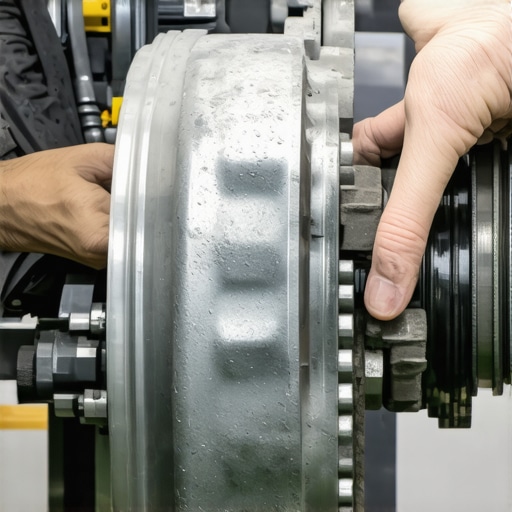
You know that sinking feeling when you hit the brakes immediately after installing new pads, and instead of a smooth stop, you’re met with a high-pitched squeal that echoes through your driveway? I’ve been there. That shriek can turn a simple brake job into a frustrating guessing game. It’s like your car has a grudge against you, and honestly, I used to think all new brakes squealed—until I learned there’s a right way to beat that noise.
The Hidden Power of Proper Bed-In Process
In my early days of DIY car maintenance, I thought a quick stop was enough to settle new brake pads. Turns out, that’s like trying to break in new shoes by just slipping them on once. The real magic happens with a controlled, gradual process that ensures the pads and rotors get familiar with each other. Proper bedding isn’t just about comfort; it’s about creating a pairing so perfect that squeals become a thing of the past and braking performance improves.
Will Following These Steps Really Stop the Squeal?
Early on, I made a rookie mistake — I skipped the bedding process and expected the new pads to be silent naturally. Spoiler: It doesn’t work that way. I learned that rushing through the bedding can leave residue or uneven surfaces that cause noise and reduce lifespan. According to automotive experts, properly bedding brake pads can significantly reduce squeal and extend the life of both pads and rotors (see [here](https://glassfixauto.com/the-real-reason-your-new-brakes-are-already-squeaking)). So, if you’re tired of that annoying squeak, keep reading. I’ll walk you through the exact steps I use, backed by sound mechanics and personal experience.
Feeling fed up with squealing brakes? Trust me, the solution isn’t complicated, and it’s definitely worthwhile. Ready to get your brake pads to settle in properly and kiss that squeal goodbye? Let’s dive into the process that saved my sanity—and my ears.
Prepare Your Vehicle Properly
Before starting the bedding process, ensure your brake components are clean and correctly installed. Remove any excess brake grease from the contact areas of the pads to prevent contamination that can cause squealing. Also, verify that your wheel lug nuts are torqued to manufacturer specifications to prevent uneven pad wear during bedding.
Start with Gentle Stopping
Begin driving at a moderate speed, around 30 mph, and apply gentle, steady pressure on the brake pedal until the vehicle comes to a complete stop. Avoid abrupt stops or hard braking initially, as this can glaze the pads and rotors, leading to noise and reduced effectiveness. I remember a time I started with aggressive braking on a new setup, which resulted in stubborn squeal sets in, delaying my progress.
Build Up Brake Temperature Gradually
Next, accelerate back to 30-40 mph and repeat the stops, increasing brake application pressure slightly with each cycle. Follow a pattern of 8-10 gentle stops, allowing the brakes to heat up gradually. This heats the pads and rotors evenly, bonding them for optimal performance. Think of it like warming up a new cast-iron skillet; gradual heat ensures better seasoning and less sticking.
Spread Out the Stops
During this phase, avoid stopping too abruptly or holding the brakes on excessively, which can cause uneven pad contact and residual noise. Instead, perform controlled, progressively firmer stops. This process helps remove any surface residues and prepares the pads for high-temp operation, reducing squealing. I once rushed through this step, and my brakes squealed for weeks until I re-bedded them properly.
Perform Final High-Heat Stops
Once you’ve completed the initial cycles, drive at a higher speed, around 50-60 mph, and perform a few hard stops to transfer the brake pad material onto the rotor surface. These stops should be firm but controlled—think of it as a ‘heat cycle’ for your brakes. This step ensures maximum surface contact, leading to quieter operation. Beware: do not brake too aggressively to avoid warping your rotors.
Let the Brakes Cool
After completing the high-temperature stops, drive without braking for several minutes to allow the system to cool down naturally. Do not park immediately after this process; let the brakes dissipate heat gradually. Cooling is critical because abrupt parking or cooling can cause uneven contraction, potentially leading to warped rotors or squealing.
Verify and Maintain
Finally, test your brakes on a quiet road, applying steady pressure to ensure they feel firm and quiet. Regular maintenance, such as cleaning the rotors and pads annually, can also prevent squeal issues. Remember, skipping the bedding process can lead to premature pad wear, reduced braking efficiency, or persistent squeaking. For more insights, consider reading about common brake issues [here](https://glassfixauto.com/why-your-brake-warning-light-stays-on-after-a-pad-change). The key is patience and proper technique—take your time, follow these steps, and enjoy quiet, effective braking.
Many car owners believe they understand auto repairs, but in reality, common misconceptions and overlooked nuances can lead to costly mistakes. One prevalent myth is that newer vehicles require less maintenance, which isn’t always true. Modern cars have complex systems that demand precise care; neglecting these can cause issues down the line. For instance, assuming that a standard tune-up will fix all engine problems omits the importance of diagnosing underlying issues like cracked intake boots, which can severely affect performance if left unaddressed. Additionally, many overlook the significance of proper brake bedding procedures, often skipping this step and ending up with noisy or less effective brakes. This mistake can be costly, leading to uneven pad wear or even rotor damage.
Why do engine misfires happen only under heavy acceleration? Understanding this requires a deeper look into fuel delivery and ignition systems, where issues like clogged fuel injectors or failing spark plugs become evident under stress, not during idle. A study by automotive engineers highlights that neglecting these symptoms can accelerate engine wear. Similarly, a common trap involves underestimating the importance of regular fluid checks; low coolant or degraded transmission fluid can cause severe damage if ignored. Many think topping off fluids is enough, but in reality, fluid contamination or leaks can go unnoticed until major failure occurs. Each of these oversights underscores the need for meticulous diagnostics rather than assumptions. Remember, the key isn’t just routine maintenance but understanding the nuances—like knowing how to diagnose a leaking coolant into the oil or identifying when your ABS light should trigger a repair. This knowledge can save you from expensive repairs later on. Have you ever fallen into this trap? Let me know in the comments.Maintaining your vehicle’s performance over time requires more than just basic know-how; it demands the right tools and a strategic approach. One tool I personally swear by is a high-quality code scanner, such as the Autel MaxiCOM MK808. It allows me to quickly diagnose engine issues, read and clear trouble codes, and monitor live sensor data, saving me time and money. Additionally, a digital multimeter has become indispensable in my toolbox, especially for checking battery voltage, alternator output, and testing sensors. I prefer the Fluke 115 because of its accuracy and durability, which is crucial when troubleshooting electrical systems. For fluid maintenance, a fluid extractor pump helps me perform changes without the mess, particularly on tricky transmission or coolant flushes. When it comes to brake service, a set of precision calipers ensures I measure rotor thickness accurately, helping extend brake pad life and prevent warping. Modern tools like an ultrasonic cleaner enable me to restore injectors and sensors, ensuring their optimal operation, which is especially valuable given the increasing complexity of engine systems. As vehicles continue to evolve, integrating diagnostic software like OBDLink MX+ with my smartphone through apps allows me to perform scans anytime, anywhere—making maintenance more accessible and proactive. Looking ahead, I believe the trend points toward smarter, interconnected tools that can provide real-time updates and predictive maintenance suggestions, reducing unexpected breakdowns. To keep your car running smoothly, I recommend investing in a quality code scanner and learning how to interpret its data. Regularly using diagnostic tools not only helps catch issues early but also prolongs your vehicle’s lifespan, saving you money and stress. Want to take your maintenance to the next level? Try using an ultrasonic cleaner on your fuel injectors this weekend—restoring them can improve your engine’s efficiency and performance significantly. For more tips on diagnosing engine issues, visit [here](https://glassfixauto.com/how-to-diagnose-a-whining-sound-from-your-engine). Remember, the right tools empower you to maintain your vehicle confidently and ensure reliable operation for years to come.What I Wish I Knew Before Destroying My First Set of Brakes
Early on, I believed that installing new brake pads meant I was good to go—no need for special care. It wasn’t until I experienced persistent squealing that I learned the hard way that proper bedding is essential. The biggest lesson? Rushing this step can lead to noise, uneven wear, and even compromised braking performance. Taking the time to bed in your brakes correctly ensures quieter and more reliable stopping power, saving you money and frustration in the long run.
Tools and Tricks I Can’t Live Without for Brake Maintenance
Over the years, I’ve found that a good quality digital caliper helps me measure rotor thickness accurately, preventing premature wear. An ultrasonic cleaner has become invaluable for restoring calipers and removing debris that might cause squeals. For fluid changes, a syringe-style fluid extractor keeps the process clean and efficient. These tools empower you to perform professional-grade maintenance at home and extend your braking system’s lifespan.
Embrace the Journey—Your Brakes Will Thank You
Remember, mastering proper brake bedding and maintenance isn’t just about fixing squeal; it’s about gaining confidence in your abilities and ensuring safety on the road. Every successful brake service builds your skills and deepens your understanding of your vehicle. So, why wait? Start today with a cautious, methodical approach, and enjoy the peace of mind that comes with knowing your brakes are operating quietly and effectively. Curious about common brake issues or how to troubleshoot further? Check out this guide for more insights.