
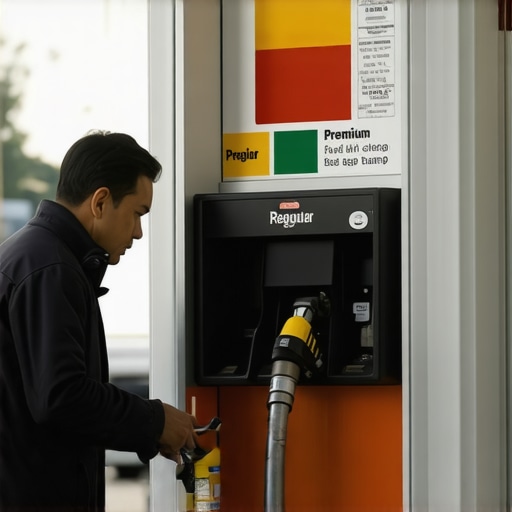
I remember the first time I impulsively bought a tankful of premium gasoline, convinced that my car would run smoother or last longer. Funny thing is, I didn’t really notice a difference. It was only later, after chatting with a seasoned mechanic and doing some research, that I realized I’d been duped into paying extra for something my car didn’t need. That lightbulb moment made me rethink many of my habits at the pump, and I want to share what I learned so you can avoid the same costly mistake.
How Falling for the Premium Gas Trap Costs You More Than Just Money
Is Premium Gas Actually Worth the Hype?
Many of us have been conditioned to believe that premium fuel is essential for high-performance or luxury cars. But the truth is, unless your vehicle specifically calls for high-octane fuel—something you’ll find in your owner’s manual—you’re probably wasting cash. I made the mistake early on of trusting advertising and assumptions instead of checking my manual. What I discovered is that regular fuel serves most cars just fine, and the difference in price can add up to hundreds of dollars annually. According to the American Automobile Association, using higher-octane fuel in a vehicle that doesn’t require it results in no improvement in performance or fuel efficiency, just a lighter wallet.
Before you rush to fill up with premium every time, ask yourself: does my car really need it? If you’re unsure, check the manufacturer’s specifications. This simple step can save you quite a bit of money over time. Want to learn more about keeping your car in top shape? Take a look at our car service checklist to ensure your vehicle runs smoothly without overspending on unnecessary upgrades.
What’s Next? Making Smart Fuel Choices That Pay Off
Start with the Owner’s Manual and Stick to It
Pull out your car’s owner’s manual and locate the recommended octane rating. If it specifies regular gasoline, resist the temptation to fill up with premium. Once I discovered this for my sedan—after a quick check—I saved approximately $200 annually by consistently sticking to regular fuel. Remember, the manual is your vehicle’s blueprint; following it prevents unnecessary expenses.
Identify When a Tune-Up Is Truly Necessary
Regular tune-ups are like routine health checks—preventive care keeps everything running smoothly. To determine if your car is due for a tune-up, listen for signs like sluggish acceleration or decreased fuel efficiency. I once ignored a minor sluggishness, which turned into a costly misfire correction. Using our tune-up guide, I scheduled an appointment and avoided further damage.
Check and Replace Critical Fluids Before They Fail
Fluids are the lifeblood of your car, akin to blood in the human body. Regularly inspecting and replacing brake fluid, coolant, and oil prevents costly repairs. For example, I noticed my brake pedal felt soft—an indicator of old brake fluid—so I had it flushed following our brake fluid maintenance tips. This proactive step salvaged expensive brake repairs down the line.
Inspect Your Tires for Uneven Wear
Worn or uneven tires are like worn shoes—they compromise safety and increase fuel consumption. I once ignored minor inside-edge tire wear, which resulted in a dangerous blowout during a trip. Using a simple visual inspection and a tire gauge, I ensured proper inflation and alignment—saving myself from a potential accident and costly replacement. Regularly check your tires and maintain proper pressure; a quick glance can prevent disaster.
Understand the Braking System and Diagnose Early
Brakes are critical for safety and can cost a hefty sum if neglected. Recognizing early signs like squealing or pulsing helps avoid complete brake failure. I learned this the hard way when I dismissed squeaking as normal—until the brakes became unresponsive. After reviewing our brake maintenance tips, I scheduled a brake service, preventing a possible accident and expensive repairs.
Keep Your Cooling System in Good Shape
An overheated engine can lead to catastrophic damage. Check coolant levels regularly and watch for leaks or strange smells. I once ignored a coolant leak, which caused my engine to overheat on a hot day. After flushing the system and replacing the faulty hose per our coolant system guide, I avoided an engine rebuild and saved hundreds.
Monitor Gas Mileage and Address Anomalies
Sudden drops in fuel efficiency are a red flag. I tracked my mileage and noticed a decline, prompting me to check for issues like dirty sensors. Cleaning my mass airflow sensor, following our sensor cleaning instructions, boosted my mileage and extended my wallet’s happiness.
Leverage Visual Checks and Basic Tools
Use a flashlight and simple tools to inspect belts, hoses, and filters regularly. I discovered a cracked serpentine belt during a routine check—replacing it myself saved me labor costs. Regular inspections prevent breakdowns and costly repairs, making this a worthwhile habit.
Know When to Seek Professional Help
While some checks are simple, others require expert intervention. Familiarize yourself with troubleshooting tips at auto repair troubleshooting to recognize serious issues early. For complex tasks like brake system repairs, trust licensed mechanics to ensure safety and compliance.
By integrating these steps into your routine, you can make smarter choices about fuel and vehicle maintenance, ultimately saving money and extending your car’s life. Remember, diligent care is like regular exercise—preventative and cost-effective in the long run.
Many car owners operate under misconceptions about routine maintenance, often falling prey to myths that can lead to costly mistakes. For instance, a common belief is that higher-priced parts or services always equate to better performance, but seasoned mechanics know that this isn’t necessarily true. Opting for OEM parts over aftermarket equivalents isn’t a guaranteed way to enhance longevity; sometimes, quality aftermarket components perform just as well, saving you money without sacrificing reliability.
Are Modern Cars Less Repair-Prone Than Older Models?
Advances in automotive technology, such as integrated electronic systems and sensors, don’t automatically mean fewer repairs. In fact, complex systems can make diagnosing issues more nuanced, requiring a tech-savviness many car owners overlook. For example, a vehicle’s brake warning light might be triggered by a minor sensor malfunction rather than an actual problem with the brake pads, leading to unnecessary replacements if not properly diagnosed. According to automotive expert John Davis, neglecting the intricacies of modern systems can turn straightforward repairs into costly adventures.
Another widespread myth is that frequent oil changes are sufficient maintenance to keep a car in top shape. While timely oil changes are essential, neglecting other crucial aspects like coolant, brake fluid, and transmission fluid can undermine your vehicle’s health. Failing to flush and replace these fluids periodically can cause corrosion and wear, eventually leading to expensive repairs. For comprehensive guidance on maintaining your vehicle, visit our car service checklist.
When it comes to brake service, many think that squealing always indicates the need for pad replacement. However, it can sometimes be a simple issue like worn-out anti-squeal lubricant or a residue buildup that can be remedied without costly parts replacements. Misdiagnosing such signals can lead to unnecessary expenses or overlooked problems, emphasizing the importance of consulting a professional, especially if you’re unsure. Learn more about brake service myths to avoid common pitfalls.
Finally, understanding the nuances of tune-ups can significantly extend your engine’s lifespan. Many owners believe that a tune-up means just changing spark plugs, but it often involves a comprehensive check of sensors, injectors, and belts—skills best handled by experts. Skipping or partial tune-ups might save money temporarily but can lead to inefficiencies and unforeseen failures. For advanced strategies on maximizing your engine’s performance, explore expert tune-up tips.
In conclusion, unlocking the hidden nuances behind auto repair involves skepticism of common beliefs and a commitment to understanding your vehicle’s unique needs. Diligent maintenance, proper diagnosis, and avoiding myths can save you thousands over the lifespan of your car. Have you ever fallen into this trap? Let me know in the comments.
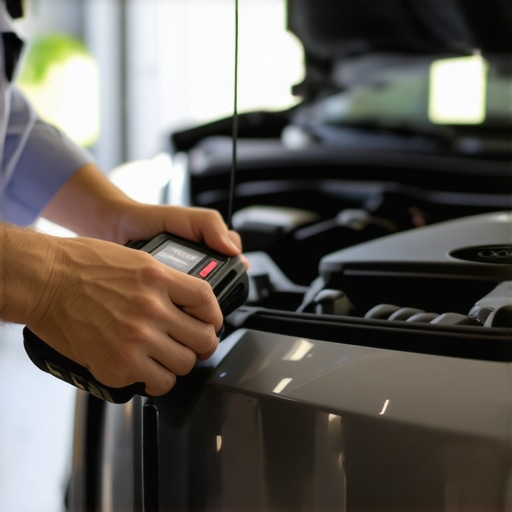
Keeping your car in top shape over time requires more than just knowledge; it demands the right tools and a systematic approach. I’ve personally invested in a few key pieces of equipment that have saved me time and money during routine maintenance and troubleshooting. One of the most versatile tools I’ve found invaluable is a digital scan tool. Specifically, I recommend the BlueDriver Bluetooth Pro OBD2 Scanner, because it connects seamlessly to my smartphone, providing real-time diagnostics and code readings. This allows me to identify issues early—such as sensor failures or ECU errors—before they escalate. Its compatibility with various vehicle models and the ability to clear trouble codes make it a must-have in my toolkit.
Another essential item is a high-quality torque wrench, like the Tekton 1/2 inch Drive Click Torque Wrench. Proper tightening of bolts—be it for spark plugs, wheel lug nuts, or suspension components—ensures safety and longevity. I’ve used this wrench countless times to prevent over-tightening, which can damage components, or under-tightening, risking failure. Its precision and durability support consistent results, especially important when working on critical systems like brakes or steering.
For fluid maintenance, I advocate for an engine oil extractor pump. It simplifies the process of changing oil without the mess of draining from the drain plug, especially helpful in tight engine bays. This tool has also been beneficial for dealing with coolant and brake fluid flushes, where precise control and minimal spillage matter. Incorporating these tools into my maintenance routine has vastly improved the quality and safety of repairs I perform myself.
To truly maximize your vehicle’s lifespan, complement manual tools with reliable software. Regularly updating your vehicle’s software using manufacturer-approved diagnostics software—such as Autel—can improve engine performance and resolve persistent issues that physical checks might miss. This proactive approach aligns with future trends, where diagnostics become increasingly software-driven and cloud-connected, allowing for remote monitoring and diagnostics.
How do I maintain my tools and stay prepared for long-term results?
Maintaining your equipment is as crucial as using it correctly. Keep tools clean, store them properly, and replace any that show signs of wear. Regular calibration of torque wrenches ensures accuracy over time. Additionally, staying informed about advancements—like the integration of AI diagnostics in software—can give you a significant edge. For instance, routinely updating your diagnostic software can help identify emerging vehicle issues early, saving you from costly repairs down the line. Consider subscribing to industry updates or joining online automotive forums to stay abreast of new tools and techniques. Investing in quality equipment and continuous learning guarantees that your vehicle maintenance remains effective and efficient, paving the way for smooth driving and long-term savings. Want to try improving your diagnostic skills? Use your scanner to read and clear codes on your vehicle, then reference our troubleshooting guide to interpret results and decide your next steps.
By cultivating a well-equipped toolbox and staying informed about latest automotive trends—such as the advancements projected for 2025 in auto repair trends—you can ensure your vehicle remains reliable and safe. Remember, ongoing maintenance, backed by the right tools and knowledge, is the key to a trouble-free driving experience for years to come.
3 Lessons That Changed How I Approach Auto Maintenance
- Never underestimate the power of thorough diagnostics—sometimes, a simple sensor cleaning prevents costly repairs.
- Consistency beats rush jobs; regular oil changes and fluid checks save me from major engine problems down the line.
- Listening to my car’s signals—like squeaks or vibrations—has caught issues early, saving both money and safety.
Tools and Resources That Became My Trusted Allies
- The BlueDriver Bluetooth Pro OBD2 Scanner—connects easily, offers real-time insights, and has become my diagnostic sidekick.
- My dependable torque wrench—ensures I tighten bolts properly and prevents damage during repairs.
- Regularly updated software like Autel—keeps me ahead of complex electronic issues in my modern vehicle.
- And for ongoing learning, the comprehensive car maintenance guides on [Glass Auto](https://glassfixauto.com) have expanded my understanding and confidence.
Keep Your Drive Alive: Take Action Today
Mastering auto care isn’t just about fixing things—it’s about proactively caring for your vehicle and making informed choices. Whether you’re performing DIY checks or scheduling your next service, remember that knowledge and the right tools make all the difference. Your car’s longevity and your safety depend on it. Don’t wait for a breakdown—start implementing these lessons now and experience the peace of mind that comes with being a proactive car owner. What’s one maintenance habit you think could save you the most money? Share below and let’s learn together!
.