
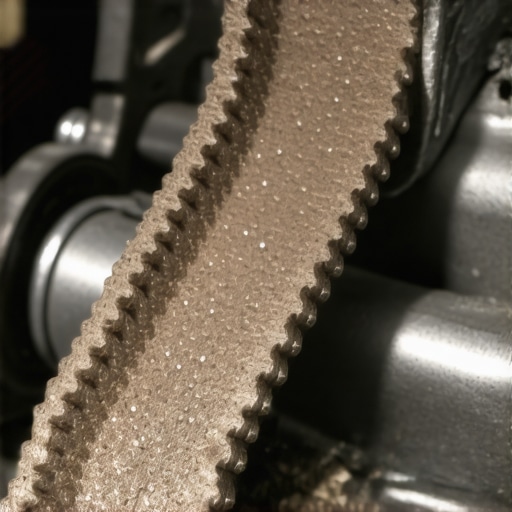
One morning, I reached under the hood of my car, expecting a routine check, and I noticed a tiny crack on my serpentine belt. At first, I thought, ‘It’s just a small flaw; probably nothing to worry about.’ But that little fissure gnawed at me all day, and I hesitated—should I wait or get it fixed? Later that week, I learned firsthand how quickly a small crack can snowball into a major breakdown. It was a lightbulb moment for me, a stark reminder of how ignoring seemingly minor issues can lead to costly repairs—or even roadside emergencies.
Why a Small Crack Could Be Your Car’s Silent Assassin
Treating car maintenance casually might seem like saving a few bucks upfront. But trust me, overlooking a tiny crack in your serpentine belt is a gamble. This belt is vital—it drives the alternator, AC compressor, power steering pump, and more. When compromised, it can snap unexpectedly, leaving you stranded or causing damage to other engine components. I’ve seen friends lose hours and hundreds of dollars on preventable repairs because they ignored that small crack. Early action isn’t just a good idea; it’s a necessity.
Skeptical About Fixing a Minor Crack?
I used to think the same way. When I spotted that tiny fissure, I told myself, ‘It’s just a little crack, probably fine.’ My mistake was thinking I’d catch it before it worsened. But the truth is, these cracks develop fast. According to auto repair experts, a small crack can expand and cause the belt to fail within months if not addressed promptly. Cutting corners might seem harmless now, but it often leads to pricier repairs later. To avoid falling into this trap, it’s crucial to understand why this tiny flaw shouldn’t be ignored—and how to take simple steps to prevent a breakdown.
If you’re wondering how to spot and handle such issues early, I’ve got some practical advice coming up. Keeping your vehicle in top shape isn’t just about avoiding breakdowns; it’s about peace of mind. Ready to learn how to catch and fix these tiny signs before they turn into big trouble? Let’s dive into the steps that can save you money, time, and unnecessary stress.
For more tips on preventive maintenance, visit this guide on essential tune-up strategies.
Get Familiar with Your Vehicle’s Basic Components
Start by understanding your car’s essential parts—especially belts, hoses, and fluid levels. Think of your car as a living organism; knowing how its parts connect helps you identify issues before they escalate. During my first DIY check, I took notes on where everything was, which made the next steps smoother. Use the car service checklist to get organized.
Perform Visual Inspections Regularly
Look for Cracks, Wear, and Leaks
Visually inspect belts like the serpentine one—these are often overlooked until they snap. Imagine the belt as a rubber band; over time, it develops micro-cracks that weaken it. I once found a tiny fissure during an evening inspection and decided to replace the belt before it caused a breakdown. To find hidden leaks, check underneath for puddles or stains that might indicate fluid escaping. Remember, early detection saves money and stress.
Check Fluid Levels and Conditions
Fluids like oil, coolant, brake fluid, and transmission fluid are your car’s lifeblood. Regularly test these levels—use a clean rag to wipe dipsticks and verify the fluid’s color and clarity. For example, I noticed my brake fluid turning dark—an indicator it needed changing. Consult the fluid replacement guide for detailed instructions.
Listen Carefully to Engine Sounds and Vibrations
Unusual noises such as squeals, rattles, or thuds are often symptoms of underlying issues. Think of your car’s sounds as its health bar—alert signals that shouldn’t be ignored. Once, I heard a faint squeal at startup and investigated immediately. It turned out to be a worn belt that, if left unchecked, could have caused a breakdown. Use your senses—sound, sight, and feel—to catch problems early.
Schedule Preventive Maintenance and Keep Records
Set reminders to follow your vehicle’s maintenance schedule—think of it as regular health check-ups. Track every oil change, fluid replacement, and belt inspection. During my last tune-up, I kept detailed notes, which helped identify patterns of wear. Regularly visiting trusted auto shops or reviewing expert advice (tune-up tips) ensures your vehicle remains in optimal condition.
Use Diagnostic Tools When Necessary
If subtle issues persist, use an OBD-II scanner to read error codes. It’s like having a medical test for your car—pinpointing problems that aren’t visible. I purchased a basic scanner and checked my car after noticing intermittent stalling. The tool revealed a misfiring spark plug, which I replaced myself, saving a trip to the mechanic. Investing in diagnostic tools can be cost-effective and empower you to address minor faults early.
Maintain a Practice of Routine Checks
Make car inspections a weekly habit. Picture it as brushing your teeth—you won’t see immediate repercussions if skipped, but neglect leads to decay. I set a Sunday routine to look over tire pressures, fluid levels, and belts. This proactive approach helped me catch a loose hose connection before it led to an overheating crisis. Building these habits ensures issues are caught when they’re still easy and inexpensive to fix.
By integrating these concrete steps into your regular car care, you’ll transform from reactive fixer to proactive protector. Small vigilance acts accumulate, making significant savings on repairs and extending your vehicle’s lifespan. For more detailed methods, check how tune-ups improve performance.
Many car owners operate under misconceptions when it comes to tune-ups, routine service, brake repairs, and auto repairs in general. Let’s challenge some common myths and shed light on nuanced truths that can save you money and frustration. Unlike popular beliefs, a ‘full’ service doesn’t always mean you’re covering all necessary maintenance. For example, some shops promote an extensive oil change but neglect essential checks on belts, hoses, and fluid conditions. This oversight can lead to costly repairs down the line, as these components often silently degrade. It’s advisable to consult comprehensive guides like auto-repair trends for 2025 to understand evolving standards.
Another prevalent misconception is that brake service is only about replacing pads. In reality, an effective brake service includes inspecting rotors, calipers, and brake fluid quality. Many owners don’t realize that old or contaminated brake fluid can compromise braking performance, increasing stopping distances—an often overlooked danger. For detailed insights, it’s worthwhile to read debunking brake service myths.
Now, what about the most misunderstood aspect: auto repair repairs? The truth is, many believe that repairs are always complex and expensive. But often, addressing minor issues early—like a misfiring spark plug or a worn belt—can prevent major failures. However, a common trap is ignoring small warning signs because of a false sense of optimism or lack of knowledge. Research confirms that proactive diagnostics and early interventions drastically improve vehicle longevity and safety. Experts recommend regular checks and understanding your vehicle’s warning signals, supported by resources like troubleshooting guides.
So, how do you get past these myths? Genuine auto maintenance involves understanding that each component’s health is interconnected, and neglecting minor issues can snowball into expensive repairs. Practice regular inspections, educate yourself about your vehicle’s systems, and consult trusted sources. Remember, a well-maintained car is safer, more reliable, and more economical over time.
Have you ever fallen into this trap? Let me know in the comments! For a deeper understanding of how subtle issues can escalate, explore auto-repair trends for 2025 and stay ahead of potential pitfalls.
How do I maintain my vehicle effectively over time?
Keeping your car running smoothly isn’t just about fixing issues as they arise; it involves investing in the right tools and adopting consistent maintenance habits. I’ve found that owning a few specialized, high-quality tools can significantly reduce the reliance on mechanic visits and help me catch minor issues before they escalate. For example, an accurate digital multimeter is indispensable for testing batteries and alternators, providing instant readings and preventing unexpected breakdowns. It’s a device I personally use weekly to verify that my vehicle’s electrical system is performing as it should.
Another must-have is a reliable engine bay inspection mirror, which allows me to see hard-to-reach areas, inspecting belts, hoses, and sensors without raising the vehicle. This simple tool saved me from a potential belt snap last year, thanks to a quick visual check. When combined with a sturdy flashlight, it becomes a powerful arsenal for routine checks.
Automotive diagnostic code readers, or OBD-II scanners, are game-changers. I recommend models that connect to your smartphone via Bluetooth, enabling quick diagnostics and interpretation of error codes. This approach has empowered me to resolve minor issues—like a misfiring cylinder—without waiting for a repair appointment. Keep in mind, understanding what these codes mean, referencing resources like this troubleshooting guide, can save you time and money.
For fluid management, a set of quality funnel kits with narrow extensions helps in fluid replacements, minimizing spillage and contamination. Regularly topping off or replacing fluids like coolant, brake fluid, and transmission oil extends your vehicle’s lifespan. I suggest scheduling these checks every 3,000 miles or as specified in your owner’s manual, and utilizing the proper tools ensures accuracy and safety.
One often overlooked tool is a solar-powered tire pressure gauge. Maintaining correct tire pressure not only improves safety but also enhances fuel efficiency. It’s a quick check I make every month during routine drives—using a reliable gauge prevents inaccurate readings that could lead to uneven tire wear.
Looking ahead, the trend in auto maintenance tools is moving toward smart, wireless devices that sync with your smartphone, providing real-time data and early warning alerts. Staying ahead of these innovations, as discussed in auto-repair trends for 2025, can help you plan long-term maintenance proactively.
To maximize these benefits, I encourage you to try out an advanced diagnostic scanner this month. It’s a powerful step toward understanding your vehicle’s health and avoiding costly repairs. Regularly updating your toolkit not only saves money but also builds confidence in handling minor car repair tasks yourself.
Three Surprising Truths I Learned Beyond the Manual
The biggest lesson wasn’t about tools or routines but about trusting my instincts and staying curious. When I ignored that tiny crack and procrastinated on a simple fix, I realized car care is as much about attention to detail as it is about following steps. Sometimes, the smallest clue reveals the deepest truth—like a subtle vibration or a faint sound—that’s the engine whispering its needs. Recognizing these signals early transformed my approach from reactive to proactive, saving me money and stress in ways I never expected.
My Go-To Resources That Changed Everything
Over the years, I’ve come to rely heavily on trusted sources that give me clear, actionable advice. Auto repair trend reports for 2025 keep me informed about the latest innovations, ensuring I stay ahead. For DIY diagnostics, I swear by affordable OBD-II scanners that tie into my phone, turning complex codes into plain language. And for hands-on skills, comprehensive checklists help me avoid underspending or overdoing it—striking that perfect maintenance balance that keeps my car happy and me worry-free.
Embracing the Routine, Embracing My Car
Taking ownership of regular checks has truly deepened my connection to my vehicle. Performing weekly inspections, from fluid levels to belt wear, shifts my mindset from being a helpless owner to a confident caretaker. This habit not only prevents costly surprises but also turns car maintenance into a form of meditation—an act of care I give myself. My advice? Embrace the routine, stay inquisitive, and view your car as a trusted partner in life’s adventures. Ready to start your own proactive journey? Remember, small actions today lead to big savings tomorrow.