
Ever been behind the wheel when your car suddenly starts behaving weirdly? Maybe it jerks unexpectedly or stalls for a moment. One moment, you’re cruising smoothly; the next, you’re wondering if your vehicle has developed a mind of its own. I remember the first time this happened to me—my heart sank. Was it a serious transmission issue or just a simple fuel hiccup? That lightbulb moment made me realize how confusing and stressful it can be to figure out what’s really going on under the hood.
Why Knowing the Difference Matters in Your Car’s Health
Understanding whether you’re dealing with a transmission slip or a fuel system hiccup isn’t just about saving money on unnecessary repairs; it’s about keeping your vehicle running safely and efficiently. Misdiagnosing these problems can lead to more expensive damages down the line. For instance, ignoring a transmission slip might cause it to worsen, while a fuel hiccup is often a quick fix that restores performance without hefty costs.
Could Your Car Be Telling You a Little White Lie?
Early on, I made the mistake of assuming that every rough engine jerk was a transmission problem. Turns out, many of those issues stemmed from fuel system glitches or even minor sensor failures. Recognizing the signs early is key—it’s like listening to your car’s own language, rather than taking wild guesses. Want to learn how to spot those signs and avoid costly diagnostics? Check out our troubleshooting guide for common auto repair issues. And if you’re wondering about regular maintenance, a comprehensive car service checklist can help you stay ahead of problems.
But before diving into fixes, let’s clear up the confusion around these two common issues. Knowing the differences can make all the difference—from fuel hiccups that mimic transmission slips to real transmission troubles hiding behind everyday hiccups. So, stay tuned, because soon we’ll be dissecting symptoms, causes, and real solutions. Are you ready to become a more confident driver who can tell if their car is making a fuss or truly breaking down? Let’s get started!
Start with a Systematic Inspection
Begin by thoroughly inspecting your vehicle, checking for obvious signs such as leaks, corrosion, or worn-out parts. Use a flashlight to peek under the hood, and listen for unusual noises when the engine runs. I once took my car for a quick check after noticing a weird smell; just a few minutes of observation helped me identify a small oil leak before it became a costly repair.
Identify Symptoms and Match Them to Causes
Break down the symptoms you experience, like hesitation, shuddering, or stalling. Cross-reference these with common issues; for instance, rough acceleration often points to fuel system problems or spark plug wear. To get a clearer picture, consult troubleshooting resources such as this troubleshooting guide. Remember, accurate symptom identification is crucial for effective diagnosis.
Perform Basic Tests Safely
Carefully perform simple diagnostics, such as checking fluid levels, inspecting belts and hoses for cracks, and testing the battery with a multimeter. For example, I once tested my car’s battery myself — if the multimeter reads below 12.4 volts, it’s time to consider a recharge or replacement. When examining brake fluid or coolant levels, ensure the engine is cool and the vehicle is on a stable surface to prevent accidents.
Use the Right Tools and Resources
Having the proper tools, like a diagnostic scanner or feeler gauges, makes pinpointing issues more straightforward. Alternatively, leveraging online resources like auto repair trends can guide you through advanced diagnostics. Remember, investing in basic diagnostic gear can save you time and money in the long run, and many tutorials provide step-by-step instructions suitable for DIY repairs.
Evaluate the Need for Professional Help
After initial assessments, determine if the issue is beyond your DIY scope. For complex problems like transmission slip or brake sticking, it’s wise to consult a qualified mechanic. I once attempted to fix a slipping transmission myself, but the problem persisted; bringing it to the shop prevented further damage and ensured safety. A proper evaluation prevents unnecessary repairs and keeps your vehicle safe on the road.
Document and Monitor Repairs
Keep a detailed record of what you inspect, test, and fix. This not only helps track recurring issues but also provides valuable info for mechanics if professional service is needed later. For instance, noting the symptoms and steps you’ve taken saved me diagnostic time during my last visit. Regular monitoring using your checklist, as outlined in maintenance checklists, keeps your car in top shape and avoids surprises.
Stay Consistent and Educate Yourself
Make it a habit to perform routine inspections and learn about your vehicle’s mechanics. Use resources like tune-up tips to understand what components require regular attention. For example, knowing when to replace spark plugs or how to check your axle boots can prevent major breakdowns. The more familiar you are with your car’s core systems, the easier it becomes to catch potential issues early and act decisively.
When it comes to routine auto care, many car owners operate under misconceptions that can lead to costly mistakes. Even seasoned DIY enthusiasts often overlook subtle aspects of tune-ups, brake services, and general repairs. Let’s peel back the layers and examine some common myths and advanced pitfalls that can trip up even the most diligent car owners.
False Belief: More Frequent Maintenance Always Means Better Performance
Many believe that increasing the frequency of tune-ups or brake services guarantees a longer vehicle lifespan. However, over-servicing can be as detrimental as neglect, leading to unnecessary wear on components or premature part failure. For instance, replacing spark plugs before their recommended interval, or flushing brake fluid unnecessarily, can cause harm rather than help. Instead, adhering to a comprehensive car service checklist ensures optimal timing and avoids needless expenses.
Uncovering the Most Common Auto Repair Mistake—Ignoring Subtle Signs
One of the sneakiest errors is dismissing warning signs that seem minor. A slight vibration at highway speeds might get dismissed as normal, but it could be a sign of unbalanced wheels or worn suspension components. Similarly, a faint smell when braking could indicate the early stages of brake rotor corrosion or caliper issues. Recognizing these nuances early can prevent bigger problems. To improve your diagnostic skills, delve into troubleshooting guides and build a keen eye for your vehicle’s quirks.
Advanced Mistake: Believing More Parts Means Better Repair Outcomes
Some think that replacing multiple components simultaneously will solve long-standing issues or extend longevity. But this approach often leads to unnecessary costs and may introduce compatibility issues. For example, replacing a transmission fluid without confirming if it genuinely needs a change can cause more harm than good. Modern vehicles are equipped with sensors that monitor component health, so relying on diagnostic data rather than assumptions ensures targeted repairs. Regular tune-ups and diagnostics provide a smarter pathway.
Why Cutting Corners in Brake Service Can Be Dangerous
Many underestimate the importance of thorough brake maintenance, assuming that topping off brake fluid or ignoring minor squeals are sufficient. This dangerous misconception overlooks the critical role of brake pads, rotors, and fluid condition. Skipping detailed inspections or delaying pad replacements can lead to brake failure, risking safety. For comprehensive knowledge, check out brake service myths and ensure your brakes are in top shape.
The Advanced Driver Question That Can Save Your Car
Have you ever wondered how to tell if a seemingly minor issue is masking a serious underlying problem? Regularly questioning whether symptoms could be symptoms of larger issues helps you stay proactive. For instance, subtle signs like uneven tire wear or a persistent coolant smell merit immediate attention. Staying educated through reliable resources empowers you to act before small problems turn into major repairs. To further hone your awareness, explore auto repair trends and stay ahead of potential pitfalls.
Remember, the key to effective auto maintenance lies in understanding the nuances that often go unnoticed. By challenging common assumptions and staying vigilant about subtle signs, you not only save money but also enhance your vehicle’s safety and longevity. Have you ever fallen into this trap? Let me know in the comments, and stay tuned for more insights that will keep your car running smoothly for miles to come.
Keep Your Car Running Smoothly with Proper Maintenance Tools
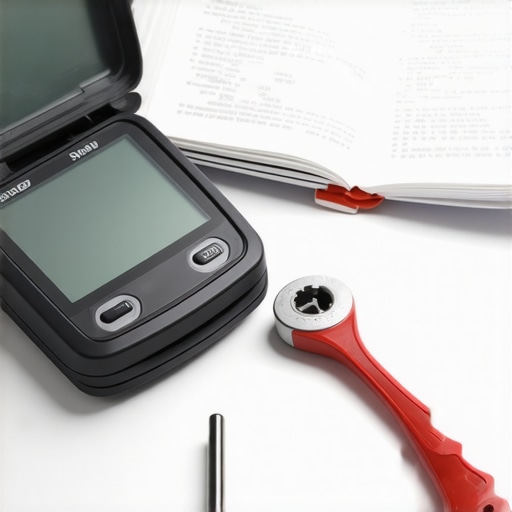
Maintaining your vehicle over the long haul requires more than just occasional checks; it demands the right tools and a systematic approach. I personally swear by a good digital multimeter because it allows me to quickly test batteries, sensors, and wiring without guessing. A quality code scanner, such as the Autel MaxiCOM, has been invaluable in diagnosing issues early, especially since modern cars store complex trouble codes that aren’t obvious from dashboard lights alone. Having these tools on hand empowers DIY enthusiasts and helps catch problems before they escalate.
Beyond basic tools, investing in a trusted service manual—whether printed or digital—gives detailed step-by-step procedures tailored to your specific make and model. For example, when I replaced my brake pads, consulting the manual saved me time and prevented mistakes that could compromise safety. Additionally, a good torque wrench ensures that bolts are tightened to manufacturer specifications, preventing future mechanical failures or uneven wear.
Keeping your tools well-maintained is equally important. Regularly calibrate your multimeter and check for worn-out test leads. Clean and lubricate moving parts on hand tools to ensure longevity and accuracy. This disciplined approach pays off, as it minimizes unnecessary trips to the mechanic and provides a sense of control over your vehicle’s health.
Embrace Software and Data Logging for Consistent Results
In recent years, the integration of diagnostic software has revolutionized car maintenance. Cloud-based apps like OBDLink provide real-time data logging, helping me monitor my engine’s performance trends over time. For instance, by tracking my fuel trims and sensor readings, I identified a subtle misfire early—long before it triggered any warning light. This proactive stance is where trend prediction is headed; as vehicles become more connected, IoT-enabled diagnostics will allow continuous monitoring from your smartphone, alerting you to issues before symptoms even appear.
For the long-term, regularly exporting and reviewing your data logs can reveal patterns, indicating when parts are nearing end-of-life. This prep work makes scheduled tune-ups more targeted, reducing unnecessary replacements while focusing on components most likely to fail. As manufacturers adopt smarter diagnostic tools, owning a reliable OBD scanner and accompanying app will become essential for maintaining top performance and safety.
How do I maintain car systems to last decades?
Consistent inspection, regular software updates, and investing in quality diagnostic gear are crucial. Don’t forget to cross-reference your findings with authoritative resources like the comprehensive car service checklist. For example, updating your diagnostic software periodically ensures compatibility with new vehicle firmware, enhancing accuracy and early issue detection.
Incorporating these practices helps you stay ahead in car maintenance, saving money and ensuring your safety on the road. I encourage you to try using a trusted code scanner combined with trend analysis tools—it’s like giving your car a regular health checkup and can prevent costly repairs down the line. As technology advances, staying informed and equipped makes all the difference in keeping your vehicle dependable for years to come.
The Hardest Lesson I Learned About Car Maintenance
Early in my automotive adventures, I believed that more frequent tune-ups would always lead to a longer vehicle lifespan. That misconception taught me the importance of timing and trusting professional guidelines instead of preset schedules. Regularly reviewing resources like this comprehensive checklist helped me understand the balance between saving money and preventing wear.
My Eye-Opener About Common Repair Pitfalls
One lightbulb moment was realizing that dismissing subtle warning signs can cost me dearly. Small vibrations or faint smells often indicated more significant issues like unbalanced wheels or minor leaks. Recognizing these early signs through dedicated troubleshooting guides, such as this troubleshooting resource, saved me from costly repairs down the line.
What I Wish I Knew About DIY Diagnostics
Investing in the right tools changed my approach to vehicle care. A trusted diagnostic scanner and a quality multimeter transformed me from a guessing novice to a confident maintainer. Regular testing and data logging, using apps compatible with auto repair trends 2025, enable me to catch issues early and extend my car’s lifespan.
My Top Tools for Keeping Things Running Smoothly
Trusting my own toolkit, including torque wrenches and detailed service manuals, empowered me to handle many repairs. Whether it’s replacing brake pads with guidance from detailed manuals or checking fluid levels, these tools have become my best allies. Properly maintained, they ensure safety and efficiency in my DIY efforts.
The Wisdom That Keeps Me Ahead of Auto Problems
Continuous education through resources like this insight on brake fluid and regular data review have prevented many surprises. Asking myself proactive questions about subtle symptoms has become routine, helping me spot potential issues before they escalate. Staying updated with future trends keeps me confident on the road and saves money.