
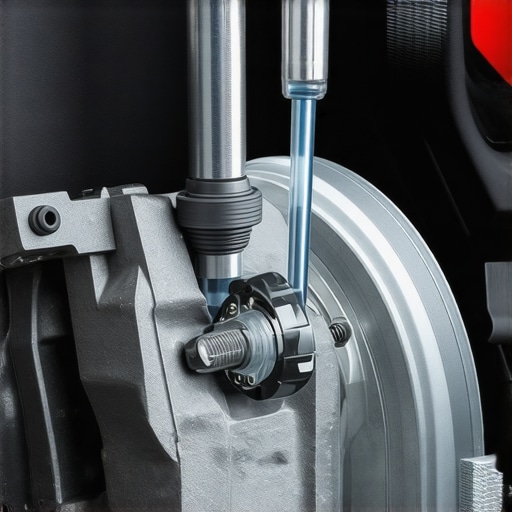
Ever been in the middle of a brake job only to realize you can’t get that stubborn air bubble out because there’s no one around to help? I remember my first time doing my own brake bleed — I’d read every tutorial, bought the right tools, and still ended up frustrated, pumping the brake pedal till my leg ached, all because I didn’t have a second person. It was a lightbulb moment that sparked my quest for a better way — a method to bleed brakes without needing a buddy to help. If you’ve faced similar roadblocks, you’re not alone, and today I’m going to share a proven approach that’s saved me time and sweat.
The Challenge of DIY Brake Bleeding
Braking systems are the heart of your vehicle’s safety. Yet, when it’s time to replace brake fluid or install new pads, bleeding the brakes can seem like a real hassle—especially if you’re working solo. The classic method involves pumping the brake pedal to push out trapped air, but that usually means someone else pressing the pedal from inside the car while you open and close valves. Without a helper, it feels nearly impossible — you end up stuck, frustrated, and often leaving air in your lines. But here’s the thing: I learned early on that there are smarter, less messy ways to handle this task without a second set of hands.
Before discovering this trick, I made the mistake of trying the traditional push-and-release method, which often led to spilled brake fluid and inconsistent results. That mistake nearly made me give up. Now, I focus on methods that work reliably by myself, saving me time and avoiding potential damage from old-fashioned techniques.
Is Bleeding Brakes Alone Actually Possible?
Absolutely. And it’s more straightforward than you might think. There are specialized tools and techniques designed specifically for DIY enthusiasts working solo. Once you understand the process, you’ll wonder why you ever needed someone else in the first place. Interested in the details? Keep reading, because I’ll walk you through the exact steps that transformed my brake maintenance routine.
,
Set Up Your Work Area and Gear
Begin by parking your vehicle on a level surface, engaging the parking brake, and placing wheel chocks behind the wheels that are not being worked on. Gather your tools: a clear plastic hose, a catch container, a wrench suitable for your bleeder valves, fresh brake fluid, and protective gloves. Wearing gloves and safety glasses protects against brake fluid spills, which can be corrosive.
Locate the Bleeder Valves and Prepare the System
Identify the bleeder valves on each wheel—typically near the brake calipers or wheel cylinders. Clean the area around the valves to prevent dirt entering the system. Fill your master cylinder reservoir with fresh brake fluid, ensuring it stays topped up throughout the process; this prevents additional air from entering the lines, similar to how maintaining a steady flow keeps a garden hose from air bubbles.
Attach the Bleeder Hose and Prepare to Pump
Connect one end of the transparent hose to the bleeder valve, placing the other end into a catch container to collect the old fluid. Open the bleeder valve slightly—about a quarter turn—to allow fluid and air to escape without splashing. I remember a time when I forgot to open the valve enough, causing fluid to spray everywhere; now I open it just enough to see a steady flow.
Manually Bleed the Brake System
Press the brake pedal slowly and steadily—using your foot, since you’re working alone—until you feel it firm up, then hold it in position. With your free hand, close the bleeder valve, then release the pedal slowly. Repeat this process until clear, bubble-free brake fluid emerges from the hose. Think of it like squeezing toothpaste—steady pressure pushes out air pockets, just like I did during my first attempt, which was messy but rewarding once clear fluid flowed.
Use a One-Way Valve or Locking Mechanism for Better Control
To prevent air from re-entering, consider using a check valve or a one-way valve connected to your hose. This acts like a traffic control, ensuring fluid flows in only one direction—outward from the system. This simple addition made my process cleaner and more controlled, especially when working solo.
Continue the Process Across All Wheels
Repeat these steps for each wheel, starting with the wheel farthest from the master cylinder—usually the passenger rear—and working towards the closest. After completing each, check the brake fluid in the master cylinder and top it up if necessary, just like refilling a water tank to keep the flow consistent.
Final Checks and Test Drive
Once all wheels are bled, gently pump the brake pedal to ensure it feels firm and responsive. Check the fluid level one last time in the reservoir, and tighten all bleeder valves securely. Remember, quality brake work is crucial for safety. If you’re unsure about the process or notice any issues, consult a professional or explore expert car maintenance guides at this resource. Proper bleeding not only improves braking performance but also extends the lifespan of your brake components, making your drives safer and smoother.
Many car enthusiasts and everyday drivers alike fall prey to misconceptions about auto repair, believing myths that can lead to costly mistakes or even safety hazards. One prevalent misconception is that all brake pads are created equal and that cheap pads will suffice. In reality, the quality of brake pads significantly impacts your vehicle’s stopping power and safety; cutting corners here can lead to premature wear or dangerous brake failure, as discussed in this detailed guide. Another common myth is that a simple oil change is all your vehicle ever needs for proper maintenance. However, neglecting comprehensive services like inspecting belts, filters, and fluids can cause hidden problems to escalate into major repairs—learn more about the importance of a thorough vehicle check here. Many believe that tuning up a car is outdated or unnecessary; but in fact, regular tune-ups actually enhance performance, efficiency, and longevity, as explained in this resource. Let’s dig deeper into some nuances that most people overlook—especially when seeking to save a quick buck.
A significant error many make involves assuming that all repair shops are equally trustworthy. The truth is, not every technician adheres to the same standards, which can lead to subpar work or unnecessary parts replacements. Always verify credentials and seek reviews before committing. Additionally, there’s a misconception that modern vehicles require less maintenance due to advanced technology. Contrary to this belief, current cars often demand more specialized attention—highlighted in auto repair trends—and neglecting this can accelerate deterioration.
Now, a critical Maintaining your vehicle over time requires more than just routine oil changes; it involves investing in the right tools and understanding effective methods to ensure longevity and performance. I personally rely on high-quality diagnostic scanners like the Autel MaxiCOM MK808, which provide comprehensive vehicle diagnostics and help me identify potential issues before they escalate. These tools are invaluable for catching problems early, such as sensor malfunctions or pending trouble codes, saving time and preventing costly repairs. Additionally, a reliable set of specialty hand tools—such as a brake caliper piston compressor tool and a torque wrench—allows me to perform tasks with precision, ensuring that components are assembled correctly and safely. For instance, when replacing brake pads, using a digital torque wrench ensures I tighten bolts to manufacturer specifications, which is critical for safe braking performance.
How do I maintain my vehicle’s performance over time?
One trend I see heading into the future is the increasing integration of software-driven diagnostics and maintenance schedules. With advanced telematics and connected vehicle systems becoming standard, car owners will soon have the ability to monitor various parameters in real-time through dedicated apps, enabling proactive maintenance before issues become serious. This evolution will democratize auto care, making it accessible even to those with minimal mechanical experience. To stay ahead, I recommend adopting these digital tools as they evolve, alongside traditional manual methods.
For example, regularly checking your tire pressure and tread depth can prevent premature wear and improve fuel efficiency, which correlates directly with extending your car’s lifespan. A simple yet effective device I use is a digital tire gauge, paired with a tread depth gauge, that provides quick readings and alerts me when inflations are off or treads are worn beyond safe limits—like the quick test I read about in this tire tread guide. Making it a habit to perform these checks every few weeks ensures your vehicle remains safe and efficient, and helps you catch issues early.
Another area worth focusing on is fluid management; regularly inspecting and replacing brake fluid, coolant, and transmission fluid is vital. For example, changing brake fluid before it becomes contaminated can prevent brake system failures. To assist with these tasks, I highly recommend a digital fluid tester, which allows me to quickly assess fluid condition without guesswork. This proactive approach aligns with what many professional mechanics advocate and will become even more accessible as sensor technology advances.
To maximize your car’s longevity, consider integrating a routine scanner check—something I do monthly—to catch any emerging issues early. As vehicle technology advances, staying up-to-date with new diagnostic tools, like those covered in auto repair trends, will be crucial. These innovations will help you diagnose and address problems faster, keeping your car running smoothly for years to come. Don’t hesitate to try out a professional-grade diagnostic scanner—it could be the difference between a minor fix and an expensive repair.
Lessons That Changed My Approach to Auto Repair
The biggest revelation for me was realizing that most mistakes stemmed from assumptions—like thinking I needed special equipment or a second person for brake bleeding. Once I let go of those myths, I started exploring alternative methods that empowered me to work confidently solo. I learned that patience and the right tools are more valuable than brute force or shortcuts. The lightbulb moment came when I discovered simple devices like check valves—they transformed my experience completely.
Top Tools and Resources for Independent Brake Service
One tool I absolutely swear by is a quality digital torque wrench; it ensures I tighten components to spec, preventing future issues. For vehicle diagnostics and to preempt failures, the Autel MaxiCOM MK808 has been a game changer—allowing me to identify problems early. When it comes to learning, websites like auto repair trends provide future-proof insights that keep my skills sharp. Additionally, I rely on comprehensive guides such as this car service checklist to stay organized and thorough.
Fuel Your Confidence and Keep Moving Forward
Remember, auto repair mastery isn’t just about fixing cars—it’s about fostering independence and confidence in your abilities. Every successful brake bleed, oil change, or tune-up builds your skillset and trust in your judgment. Don’t let hesitation hold you back; embrace the learning process and invest in quality tools and resources. Your vehicle’s safety depends on it—and so does your peace of mind. Ready to take control of your auto care journey? Dive in, experiment, and celebrate each victory along the way. What’s a repair skill you’ve been hesitant to try but want to master? Let me know below.