
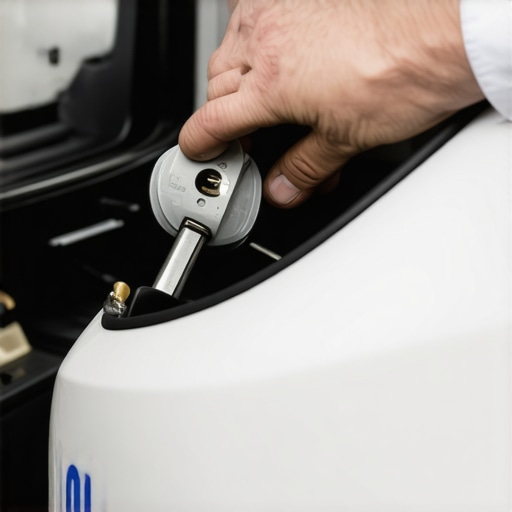
Ever been late for work, rushing out the door, only to realize—your gas cap won’t click into place, and the warning light stubbornly stays on? I’ve been there, fumbling with that tiny cap, frustration mounting. It’s that little thing that seems trivial but can turn into a nagging obstacle, throwing off your morning routine and sparking unnecessary alerts. Honestly, I used to think it was just a minor annoyance, easily ignored. But then I learned—the hard way—that a malfunctioning gas cap can affect your car’s health, fuel efficiency, and even emissions.
In this post, I’ll share my personal experience and guide you step-by-step on fixing or replacing a gas cap that just won’t click or seal properly. Whether you’re dealing with a loose cap, a cracked one, or the dreaded “Check Engine” light that won’t quit, I’ve got practical tips to help you regain control without heading straight to the mechanic. And trust me—this isn’t just about convenience. Properly sealing your gas cap ensures your vehicle performs optimally, saves you money, and contributes to a cleaner environment.
Why Your Gas Cap Matters More Than You Think
Is It Really Worth the Fuss or Just Some Minor Quirk?
Early in my auto repair journeys, I made the mistake of ignoring a loose gas cap, thinking it was no big deal. Turns out, that tiny oversight can lead to more serious issues. The Environmental Protection Agency reports that roughly 30% of all vehicle emissions come from the fuel system, which includes your gas cap. A faulty seal can cause your car to misfire the evaporative emission control system, leading to increased emissions and potential damage to other components.
What’s truly eye-opening is that many people overlook this small component. They replace sensors or pay for extensive repairs when the fix might be as simple as ensuring the cap is tight or swapping it out. I learned this the hard way—by paying for unnecessary diagnostics before realizing my cap was cracked, allowing air and moisture to interfere with the system. Beware, because a cracked or misfitting gas cap isn’t just a minor glitch; it can cause your fuel efficiency to drop and trigger check engine warnings, costing you more in the long run.
If you’ve ever faced the persistent warning light that won’t go off or felt that your fuel economy isn’t what it used to be, it could very well be your gas cap. And the good news? Fixing this is often quick, easy, and inexpensive. To start, I recommend inspecting your current cap first—look for cracks, worn-out rubber seals, or other damage. If it’s damaged, replacing it can be a game-changer. For genuine peace of mind, consider consulting detailed guides like auto repair trend insights to stay ahead of common issues.
Now, before diving into the how-tos, I’ll cover common doubts like whether replacing your gas cap is worth the effort—or just another oz of skepticism. Let’s explore that next.
Inspect Your Current Gas Cap Thoroughly
Start by removing the gas cap and examining it closely. Look for visible cracks, warping, or damage to the rubber seal. I remember the time I noticed a small crack in my cap after a long road trip, which was causing the warning light. After inspecting, if the cap is damaged or the seal is compromised, it’s time for a replacement.
Determine If Replacement Is Necessary
If the gas cap appears worn, cracked, or the seal is brittle, replacing it will restore proper sealing. A damaged cap can let air and moisture in, disrupting your vehicle’s emissions system. In my experience, swapping out a damaged cap was quick and restored normal operation instantly. For peace of mind, consider using an OEM or high-quality aftermarket cap, especially if your vehicle is newer.
Purchase the Correct Replacement Cap
Find an identical or compatible gas cap for your vehicle. Check your owner’s manual or consult your local auto parts store to ensure proper fit. I once bought a generic cap that didn’t fit snugly, which caused the warning to persist. To avoid this, verify the part number or use an online catalog to match your vehicle’s make and model. For added assurance, you can consider contacting experts through our contact page.
Install the New Gas Cap Correctly
Align the cap with the filler neck and turn until it clicks. It’s crucial to tighten it firmly but not so hard that you damage the threads. Think of it like locking a secure lid on a jar—you want it tight enough to seal but not so tight that you strip the threads. After installation, start your engine and check if the warning light clears within a few drive cycles. If issues persist, double-check the cap’s fit and seal. Remember, a poorly fitted cap can still trigger the warning light. ” alt=”Close-up of a mechanic installing a gas cap” title=”Properly installing a gas cap”/>.
Test for Proper Seal and Operation
After installation, drive your vehicle for a few minutes. Confirm the warning light turns off. If it remains, remove and reseat the cap, ensuring it’s clicked in firmly. Sometimes, dirt or debris can prevent a proper seal, so cleaning the filler neck and the underside of the cap with a cloth can help. This simple step can save you from unnecessary trips to the mechanic or vehicle diagnostics. For ongoing vehicle health, consider regular tune-ups that keep all systems running smoothly. Always remember, maintaining your gas cap isn’t just about preventing warning lights—it’s a small step towards better fuel efficiency and lower emissions.
Myth Busting: The Never-Ending Tune-Up Debate
Many car owners believe that a one-time tune-up suffices for the vehicle’s lifespan, but in reality, regular tune-ups are more nuanced. While some think that only engines with high mileage need attention, expert insights from auto maintenance specialists show that even newer cars benefit from periodic checks. Overlooking this can lead to overlooked minor issues snowballing into costly repairs.
The Big Red Flag Many Easily Miss
One common trap is the misconception that brake services are only necessary when you feel a problem. However, brake system nuances indicate that regular inspection can reveal hidden wear patterns or fluid degradation long before they cause a safety hazard. Ignoring subtle signs like a slight pedal softness or squeaking can lead to catastrophic brake failure—an oops most drivers would prefer to avoid.
What Advanced Indicators Should Owners Watch For?
For those already familiar with the basics, consider the significance of diagnostic codes that do not trigger the typical warning lights. Modern vehicles store data about minor misfires or sensor irregularities that, if checked with proper scanners, can hint at upcoming issues. Recognizing these advanced signals, backed by studies like those from auto repair trend analysis, allows proactive maintenance—saving money and prolonging vehicle life.
Most don’t realize that improper fuel efficiency isn’t just a matter of driving style but also linked to overlooked aspects such as small leaks or sensor issues. These nuances emphasize the importance of detailed inspections and avoiding superficial fixes.
Common Pitfalls That Can Cost You More
One frequent mistake is believing that topping off fluids or replacing filters is enough. A deeper dive reveals that understanding each component’s role—like the relationship between old brake fluid and pedal responsiveness—can prevent expensive repairs down the line. Additionally, many assume that car brands are immune to these nuances, but OEMs often have specific maintenance schedules that, if missed, impair longevity. For an all-encompassing check, consider following a comprehensive car service checklist.
Lastly, the importance of trusting qualified technicians cannot be overstated. While DIY fixes are tempting, complex issues like brake caliper sticking or transmission problems demand expertise. For guidance on selecting reliable service providers, see our contact page.
Maintaining your vehicle’s performance over the years requires more than just regular oil changes and occasional inspections. As someone who has navigated the complexities of auto repair, I can attest that having the right tools and adopting systematic methods make all the difference. Today, I’ll share my personal go-to equipment and strategies that help me stay ahead of potential issues, save money, and extend my car’s lifespan.
Create a Reliable Maintenance Toolkit
First and foremost, investing in quality diagnostic tools is essential. I personally rely on an OBD-II scanner like the BlueDriver, which provides comprehensive error codes and real-time data. Unlike generic readers, this device connects via Bluetooth to my smartphone, giving me instant insights into the engine’s health. Regularly scanning your vehicle helps catch small problems before they escalate, aligning with strategies discussed in tune-up strategies.
For routine maintenance, a good quality torque wrench is invaluable. Over-tightening or under-tightening bolts can cause long-term damage—so using a calibrated torque wrench ensures all components are secured at manufacturer-specified settings. I prefer the Tekton 1/2 inch drive torque wrench for its precision and durability. It’s especially handy during brake pad replacement, which, when done properly, can prevent many issues and promote safety. As I learned from brake maintenance guides, correct torque application is vital for brake longevity.
Keeping a set of quality screwdrivers, pliers, and a multimeter completes my core toolkit. Not just for DIY tweaks, these tools facilitate quick diagnostics—like testing sensors, connections, and electrical components—without immediate shop visits. Over time, I’ve found that organized, dedicated spaces for these tools streamline maintenance routines and reduce the risk of overlooking minor issues.
Implement a Preventive Maintenance Routine
Beyond tools, establishing a schedule that aligns with your vehicle’s manual is crucial. I recommend setting calendar alerts for tasks like fluid checks, tire rotations, and inspecting belts and hoses. Modern software can assist with this; I use an app that syncs with my car’s service history, reminding me when to perform specific checks. This proactive approach can catch wear and tear early, reducing the need for costly repairs later. Regularly reviewing auto repair trends helps predict emerging issues and adapt your routine accordingly.
Investing in a quality garage creeper or portable ramps facilitates easy access underneath your vehicle for inspections and minor repairs. I’ve used obtuse ramps to perform oil changes and brake pad replacements comfortably, making regular checks less of a chore and more of a proactive safeguard. Remember, the goal is to spot problems early—saving you money and ensuring your safety.
Looking Into the Future of Vehicle Maintenance
As vehicle technology evolves, integrating advanced tools like telematics and vehicle health monitoring will become standard for routine maintenance. OEMs are increasingly embedding sensors that transmit real-time data to your smartphone, enabling predictive analysis and automated alerts. I predict that by 2028, cars will be equipped with even smarter diagnostic systems, making upkeep more precise and less reliant on manual inspections. Staying informed through reputable sources and industry reports, such as auto repair trend analysis, will be key to leveraging these advancements.
How Do I Maintain Car Reliability Long Term?
Developing a consistent routine, using the right tools, and staying educated are your best strategies for keeping your vehicle reliable over many years. I encourage you to try implementing a diagnostic scan once a month—something simple like connecting your BlueDriver. Regularly reviewing your car’s data helps you detect anomalies early and plan maintenance accordingly. Remember, proactive care today prevents major repairs tomorrow. For comprehensive insights into long-term upkeep, visit maximizing your car’s lifespan. Keep your vehicle running smoothly by staying ahead with advanced tools and consistent maintenance—your wallet and safety will thank you.
The Hardest Lesson I Learned About tune up,brake service,auto repair,car service
One of my biggest takeaways is that no car issue is truly minor if neglected—especially components like the gas cap that might seem insignificant. Ignoring the importance of a properly sealed gas cap taught me that even small leaks can snowball into bigger, costlier problems over time. This realization pushed me to adopt a proactive attitude, making regular inspections a habit instead of a rushed afterthought.
3 Myths About tune up,brake service,auto repair,car service That Held Me Back
Believing that all repairs need to be done only at the shop or that DIY fixes are always risky was a misconception I had early on. I learned that with the right tools and knowledge—like using a quality torque wrench or scanner—you can handle many basic maintenance tasks confidently. Breaking these myths opened the door to more control over my vehicle’s health and substantial savings.
What Experts Won’t Tell You About tune up,brake service,auto repair,car service
Automotive professionals often focus on repairs, but they also recognize the power of prevention. Regular tune-ups and early diagnostics can prevent unexpected breakdowns and extend your car’s lifespan. I discovered that investing in a good diagnostic scanner and following a routine maintenance schedule, as suggested in these expert strategies, provides peace of mind and long-term savings.
Curated Roadmap for Car Longevity
Over the years, I’ve developed a toolkit that includes a BlueDriver OBD-II scanner for real-time vehicle diagnostics, a calibrated torque wrench for proper tightening, and a dependable set of basic hand tools. These essentials help me catch minor issues early, perform routine checks, and confidently handle simple repairs—reducing trips to the shop and avoiding costly surprises.
Fuel Your Confidence with Knowledge and Action
Your vehicle is more than just transportation; it’s a complex system that benefits immensely from attentive care. Empower yourself with reliable tools, consistent routines, and a curiosity to keep learning. The future of auto maintenance is heading towards smarter, more connected systems—staying informed through trusted insights ensures you’re always a step ahead. Remember, taking proactive steps today not only saves money but also keeps your car running reliably for miles to come. Are you ready to embrace this proactive approach and transform how you care for your vehicle? Share your experiences or questions below, and let’s keep the conversation rolling.