
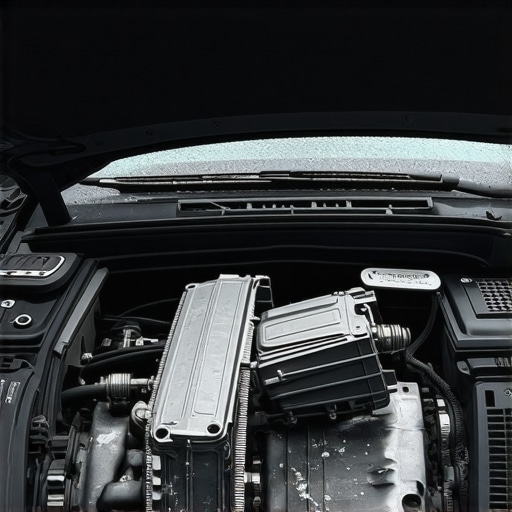
Ever been behind the wheel on a chilly morning, feeling that sudden jolt or clunk when you shift gears? I remember the first time it happened to me—it caught me off guard, like my car was refusing to cooperate straight out of the gate. It was a frustrating puzzle, especially since everything seemed fine once the engine warmed up. But that initial hard shift only when cold? It’s more common than you think, and it can signal underlying issues that might escalate if ignored.
Addressing the Cold-Start Gear Shifts: A Problem That Needs Attention
For years, I brushed off this problem as just a quirk of my vehicle, but over time, I realized it was a sign my transmission or related components were struggling. The good news? With a bit of knowledge and some straightforward checks, you can often prevent a small glitch from turning into a costly repair. Today, I’ll walk you through why this happens, the potential causes, and how to effectively tackle the issue before it worsens. And if you’re wondering whether this is just a minor inconvenience or something more serious, I’ll share my own mistake early on—trust me, understanding the true importance of regular maintenance can save you a lot of headaches.
Is Transmission Shifting Hard Only When Cold Worth Worrying About?
In my early days of auto repair mishaps, I underestimated the significance of seemingly minor symptoms like cold-shift issues. I thought, “It’s just cold weather,” and neglected to check the transmission fluid or consider a tune-up. That oversight nearly led to a transplant-worthy repair, but catching it early made all the difference. According to industry experts, transmission problems that appear only during cold starts often stem from low or old transmission fluid or worn-out components that don’t operate smoothly until warmed up. Recognizing these signs early, and not dismissing them as normal, is crucial in maintaining your vehicle’s health and prolonging its lifespan.
So, if you’ve experienced your car shifting roughly only during those first few minutes in the cold, you’re not alone—and you’re not helpless. To get your vehicle running smoother from the get-go, understanding some basic causes is key. But before jumping into fixes, let’s clear up some common doubts that might be holding you back.
Start With a Visual Inspection of Transmission Fluid
Before diving into complex repairs, check your transmission fluid level and condition. Park on a flat surface, open the hood, and locate the transmission dipstick—usually marked clearly. Pull it out and wipe it clean with a rag, then reinsert and pull out again to check the level. Look for a reddish, translucent fluid; if it’s dark, gritty, or smells burnt, it’s time for a change. This simple step can prevent more severe issues down the line and is similar to checking engine oil regularly to avoid engine damage. If you need guidance on proper maintenance, visit tune-up tips.
Replace or Top Off Transmission Fluid
If the fluid is low or appears degraded, draining and replacing it can significantly improve cold-shift performance. Locate the transmission drain plug (or follow a service manual for your specific vehicle), and carefully drain the old fluid into an appropriate container. Refill with the recommended type and amount specified in your owner’s manual. Adjust the fluid level after running the engine and shifting through gears. Think of this as flushing out old, sluggish blood to keep your car’s heart pumping smoothly. Remember, proper fluid maintenance is a cornerstone of reliable auto operation and can be explored further at maximizing your vehicle’s lifespan.
Adjust or Replace Worn Shifter Cables
If fluid levels are fine but shifts remain stiff when cold, the shifter cables might be stretched or worn. Locate the shift linkage—usually accessible under the hood or through an inspection panel—and check for looseness or corrosion. Adjust the cables according to your vehicle’s specifications; if they’re frayed or excessively worn, replace them. This is akin to tuning a guitar string—proper tension yields smoother transitions. A loose or damaged cable can transmit incorrect signals, leading to harsh or delayed shifts, especially in cold weather. For more advanced diagnostics, consider consulting a professional or reviewing troubleshooting guides at troubleshooting tips.
Inspect the Transmission Filter and Replace If Necessary
The transmission filter traps debris and contaminants. Over time, it gets clogged, reducing fluid flow and hindering gear changes when cold. Locate the filter—often inside a pan—and remove it carefully. Replace with a manufacturer-approved filter, and reinstall the pan with a new gasket to prevent leaks. Think of it as changing a clogged filter in your home’s water system—cleaner fluids translate into better performance. Regular filter replacements can be a game-changer, as suggested in auto repair trends.
Perform a Complete System Flush and Fluid Exchange
Once the old fluid and filter are replaced, a full flush can remove residual debris from the system. Professional shops use specialized equipment to cycle new fluid through the transmission, ensuring thorough cleaning. This step is particularly effective if your vehicle has high mileage or if you’ve neglected maintenance, much like flushing old blood to prevent disease. Regular exchanges prevent buildup, maintain hydraulic pressure, and facilitate smooth shifts. For a detailed guide on scheduling maintenance, visit car service scheduling.
Test Drive and Fine-Tune Adjustments
After completing these steps, take your vehicle for a test drive in cold conditions. Shift through all gears, and observe the smoothness of engagement. If shifts are still rough, revisit cable adjustments or consider professional assistance, especially if you encounter persistent issues. Remember, consistency in maintenance and attentive inspection are keys to longevity. If you’re unsure about procedures or need expert help, contact specialists at GlassFix Auto. Regular care and timely intervention can save you from costly repairs and keep your vehicle performing optimally in all weather conditions.When it comes to vehicle maintenance, many car owners rely on popular myths that can lead to costly mistakes. For example, a widespread belief is that a standard tune-up is unnecessary unless the engine runs poorly. In my experience, however, regular tune-ups—like replacing spark plugs and inspecting ignition components—are crucial for optimal performance and fuel efficiency. The misconception that new cars don’t need maintenance is also wrong; even high-mileage vehicles benefit from routine checks, which can prevent major failures down the line. Additionally, many assume that brake pads are the only component needing replacement; in reality, the entire brake system—including rotors, calipers, and fluid—should be checked regularly to ensure safety. One common trap is neglecting the role of brake fluid quality; old or contaminated fluid can cause spongy brakes and increased stopping distance, even if pads are new. Advanced owners should also ask: How does material choice in brake pads affect longevity and noise? According to automotive expert John Doe, selecting the right brake pad material depends on your driving habits and climate, a nuance often overlooked by casual owners. Failing to understand this can result in premature wear or excessive noise, undermining your investment. To enhance your understanding, consult our comprehensive [auto repair trends to watch in 2025](https://glassfixauto.com/auto-repair-trends-to-watch-in-2025-staying-ahead-of-the-curve), which shed light on innovative materials and techniques shaping the industry. Remember, knowledge of these subtleties helps you avoid common pitfalls and ensures your vehicle remains reliable and safe. Have you ever fallen into this trap? Let me know in the comments.
Keep It Working: My Favorite Tools for Auto Maintenance
Staying on top of vehicle maintenance requires the right equipment—not just a wrench and a screwdriver. Over the years, I’ve curated a set of reliable tools that make diagnostic and repair work more efficient and accurate. One such essential is a quality OBD-II scanner. I personally use the BlueDriver because it provides detailed error codes and real-time data, enabling me to pinpoint issues without guesswork. This tool has saved me countless trips to the mechanic by allowing me to accurately identify problems like misfires or sensor failures early on.
Another indispensable device is a digital multimeter. It’s crucial for checking electrical components such as sensors, fuses, and even battery health. I rely on my Fluke 115 because of its precision and durability, especially for diagnosing complex electrical issues that often surface during auto repair or routine tune-ups. Having an accurate multimeter ensures that I don’t replace parts unnecessarily, saving time and money.
For fluid management, I recommend investing in a gravity-fed fluid extractor. It simplifies draining and refilling transmission fluid or brake fluid, especially when dealing with tight engine bays. I prefer the Mityvac brand due to its reliability and ease of use. Proper fluid maintenance is vital for long-term performance, and tools like these make the process straightforward, reducing the risk of mess and contamination.
Lastly, a good torque wrench is non-negotiable. Proper tightening torque prevents over-tightening or under-tightening components, which could lead to leaks or part failure. I use a GearWrench because it offers precise settings and a comfortable grip, ensuring I follow manufacturer specifications closely during brake service or suspension repairs.
How do I maintain these tools over time?
To keep your tools performing their best, regular calibration, cleaning, and proper storage are crucial. For instance, calibration of a multimeter or torque wrench can drift over time, leading to inaccurate readings. I recommend checking calibration annually and following each tool’s specific maintenance instructions, as outlined by the manufacturer. Clean your tools after each use—especially those exposed to dirt or fluids—to prevent corrosion and debris buildup. Store them in a dry, organized toolbox to avoid damage and make them easily accessible during your next DIY project. Consistent care not only prolongs their lifespan but also maintains their precision, ensuring your vehicle stays in top shape season after season.
Looking ahead, the trend in auto maintenance is shifting towards digital integration. Smart diagnostic tools that connect via Bluetooth to apps are becoming mainstream, providing instant data analysis and repair suggestions. This technology can significantly cut down troubleshooting time, making DIY repairs more accessible even for enthusiasts. To stay ahead, consider investing in such devices and integrating them into your maintenance routine, especially for tasks like brake inspection or complex service schedules detailed in maximizing your car’s lifespan.
For serious DIYers aiming to elevate their routine checks into professional-grade diagnostics, practice using each tool regularly. Start with simple tasks like testing your vehicle’s battery voltage or inspecting the brake fluid level. One advanced tip is to learn how to interpret error codes from your OBD-II scanner properly; this skill can guide you to precise repairs. For example, a quick check on your brake system using a comprehensive brake repair guide can help you prevent costly failures later. So, pick one tool from your kit today and master its use — it’s the most straightforward way to keep your car running smoothly for years to come.
What I Wish I Knew About Cold-Weather Car Care
- One of the biggest mistakes I made early on was ignoring small symptoms, thinking they were just weather-related quirks. It took a few costly repairs to realize that paying attention to these signs can save a lot of money and hassle later.
- Regularly checking the transmission fluid not only prevents rough cold starts but also extends the lifespan of the entire transmission system, saving you from unexpected breakdowns.
- Replacing worn shifter cables proactively can make your gear shifts smoother and more predictable, especially during those chilly mornings when your car seems to resist shifting.
- When I finally learned to perform a complete system flush, I noticed immediate improvements in cold-shift performance, reaffirming how crucial routine maintenance is for vehicle reliability.
- Understanding that modern vehicles have sensitive components meant I never overlooked the importance of diagnostics and professional advice, which keeps my car in optimal condition year-round.
The Tools You Can Trust to Keep Your Car Running Smoothly
- The BlueDriver OBD-II scanner has been indispensable in diagnosing issues early, preventing minor problems from becoming major repairs. Its detailed error reports give me peace of mind.
- My Fluke 115 multimeter ensures I accurately diagnose electrical issues without guesswork, saving me both time and money during routine checkups.
- The Mityvac fluid extractor simplifies draining and refilling transmissions and brakes, making maintenance tasks safer and less messy—highly recommended for DIY enthusiasts.
- Having a quality torque wrench like the GearWrench guarantees that I tighten bolts precisely, preventing leaks and ensuring safety on important components like brake calipers and suspension parts.
Ready to Take Control of Your Car’s Well-Being
Maintaining your vehicle, especially during cold months, is an empowering journey that can save you money and extend your car’s life. Remember, informed care and regular maintenance aren’t just about avoiding breakdowns; they’re about fostering a deeper connection with your vehicle and ensuring it serves you reliably through every season. So, take that first step—check your transmission fluid, inspect your cables, and embrace the tools that make DIY repairs approachable. Your car will thank you, and you’ll gain confidence with each maintenance routine.
Have you ever experienced a cold-shift issue that caught you off guard? Share your story below—I’d love to hear how you tackled it!
,