
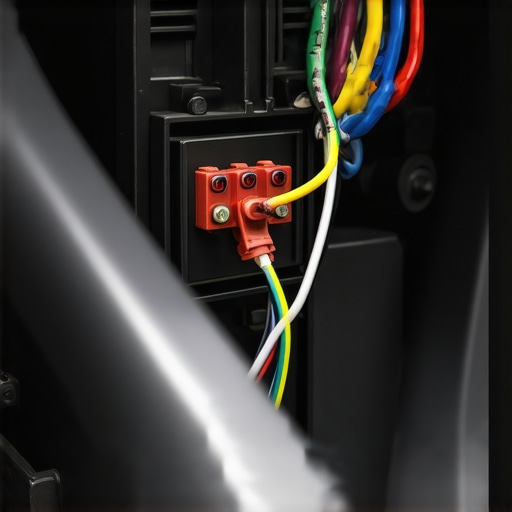
I remember the exact moment I realized my power windows were deathly quiet, no movement, just a dead silence when I pressed the button. It was a scorching summer afternoon, and I needed airflow more than ever. Frustration kicked in, then curiosity. What was going on? I dove into the world of auto electrical systems and uncovered something that surprised me: a hidden fuse might be quietly sabotaging my windows without me even knowing.
The Secret Saboteur: Your Vehicle’s Unseen Fuse Problem
If you’ve ever experienced stubborn or completely unresponsive power windows, you’re not alone. Many car owners get stumped because the issue seems small but can stem from a surprisingly sneaky culprit: a blown or faulty fuse hidden deep within your vehicle’s electrical system. The tricky part is, this isn’t always obvious—it doesn’t cause your entire electrical system to fail, just the window circuit.
This problem can be a real head-scratcher, especially since most folks tend to overlook fuses unless a major component like your headlights or radio stops working. As I learned early on, the first mistake I made was assuming a blown fuse was the end of the line for all electronics. Nope. Sometimes, the fuse looks fine but is actually compromised or intermittent, and that tiny inconsistency can be killing your window operation.
Knowing this saved me a lot of headaches and cash. Instead of panicking or rushing to the mechanic for a costly repair, I learned to check the specific fuse related to the power windows. It’s easier than you think, and it might be the quick fix you need to get that window moving smoothly again. If you want to keep your vehicle in top shape, understanding and troubleshooting this component is essential. For more comprehensive tips, check out our car service checklist.
Could a Simple Fuse Be the Root Cause? The Big Question
Now, you might be skeptical—”A fuse? That tiny thing? How could it be responsible for a complete window failure?” You’re right to question. Early on, I made the mistake of dismissing fuse checks, thinking they were only for major issues. That was a mistake I learned the hard way. Modern vehicles have complex fuse boxes, and a single blown fuse can be the tiniest part but cause your entire window system to shut down. Recognizing this is key to quick, cost-effective repairs.
Locate the Fuse Box and Find the Power Window Fuse
Start by consulting your vehicle’s owner’s manual to identify the fuse box location, which can be under the dashboard, in the engine bay, or in the trunk. Once located, find the fuse diagram on the cover or in your manual to pinpoint the power window fuse. Remember, cars like mine had a small diagram on the fuse box cover that made it easy to identify.
Inspect the Fuse for Damage or Intermittent Contact
Remove the fuse using fuse pullers or tweezers. Examine the metal strip inside; if it’s broken, blackened, or if the fuse appears cracked or burnt, it’s blown. I once found a fuse that looked fine externally, but I clarified with a multimeter that it was defective—that tiny internal break was enough to silence my window. To be thorough, check the fuse socket for corrosion or dirt that could impair contact.
Test the Fuse with a Multimeter or Test Light
If unsure, test the fuse with a multimeter set to continuity mode or a test light. Touch the probes to each end of the fuse; a beep or a light indicates continuity, meaning the fuse is good. I learned this trick after watching a quick tutorial that explained how even a fuse that looks fine visually might be faulty under the surface. If the fuse is bad, replace it with one of the same amperage rating, usually marked on the fuse or in the manual.
Replace Faulty Fuses and Check Operation
Install the new fuse securely. Avoid forcing it—the clip must snap or hold firmly. Turn on your ignition and test the power window switch. If it moves, you’ve likely solved the problem. In my experience, a quick fuse swap got my passenger side window moving again and saved me a hundred bucks at the shop. If replacement doesn’t work, further troubleshooting of the window motor or switch might be necessary, which can be complex but manageable with guides like troubleshooting auto-repair issues.
Use the Right Tools and Keep Safety in Mind
Always ensure your vehicle is off before handling fuses. Use insulated tools to prevent accidental shorts. I recommend keeping a digital multimeter in your toolbox—it simplifies testing and ensures you don’t waste time replacing good fuses or chasing ghosts. Remember, handling electrical components always carries some risk; if unsure, connecting with professionals like auto repair experts is a safe bet.
Prevention and Regular Checks Keep Windows Moving
Once fixed, consider scheduling periodic fuse inspections as part of your vehicle’s maintenance routine. Doing so can prevent small issues from snowballing into costly repairs. We suggest reviewing our car service checklist to stay on top of critical components that keep your vehicle running smoothly and safely.
When it comes to car maintenance, a common misconception is that basic services like tune-ups and brake replacements are straightforward and universally the same across all vehicles. However, this oversimplification can lead to costly mistakes if you don’t consider the nuances that differentiate modern vehicles from older models. For example, many believe that using generic parts or DIY fixes will always save money, but in reality, some components, especially on European cars, demand specialized knowledge and tools, as outlined in guides on European car service.
Invest in Precise Diagnostics Equipment
For consistent vehicle maintenance, having the right tools is essential. I personally swear by a high-quality automotive-grade OBD-II scanner, like the BlueDriver. It’s not just a scanner but a diagnostic tool that provides real-time data and code definitions, making troubleshooting much faster. Unlike generic code readers, BlueDriver connects via Bluetooth to your phone, instantly displaying detailed information that helps identify issues like misfires or sensor failures before they escalate. This proactive approach saves me from costly repairs and keeps my vehicle performing at peak levels.
Additionally, a multimeter with a high-resolution display is indispensable. I prefer a digital multimeter like the Fluke 117 because its accuracy and durability are unmatched. It helps me verify electrical components—fuses, relays, sensors—without guesswork. Regularly testing with reliable tools like these ensures early detection of wiring issues, preventing breakdowns and extending your car’s lifespan. For further insights, consider reviewing the benefits of proper diagnostics.
Rely on Software and Maintenance Schedules
Beyond physical tools, leveraging proper software is a game-changer. I use OBDeleven, an app that interfaces with your car’s ECU, to monitor systems remotely and perform routine updates. This software provides notifications for scheduled maintenance tasks—like oil changes, filter replacements, and fluid flushes—that align with manufacturer recommendations. Adhering to these schedules, which you can find outlined in our car service checklist, is vital to maximize longevity and performance.
Investing in the right maintenance software ensures no service is overlooked. As vehicle technology advances, electronic diagnostics become more critical, making these tools indispensable for modern auto care. Looking ahead, I predict that AI-powered diagnostic apps will become standard, offering even more precise maintenance schedules tailored to individual driving habits.
Regularly Perform Visual Inspections and Basic Checks
Hands-on inspection remains a cornerstone of vehicle upkeep. I dedicate 10 minutes every month to check belts, hoses, fluid levels, and tire conditions. A simple flashlight and nitrile gloves allow me to spot cracks, leaks, or corrosion early. For example, I recently noticed a minor coolant leak on my radiator hose—a small crack that could have led to engine overheating if left unattended. Catching it early saved me from a major repair. Combining these inspections with the use of a dedicated garage creeper and mirror enhances safety and thoroughness.
Moreover, keeping an organized log of inspections and repairs helps identify patterns and preempt future issues. Incorporate these habits into your routine to reduce unexpected breakdowns and extend your vehicle’s effective lifespan. For comprehensive guidance, review our tune-up strategies.
How do I keep my car’s systems aligned and performing over the years?
Maintaining your vehicle’s long-term health requires consistency and the right tools. Scheduling regular tune-ups based on manufacturer recommendations, using quality diagnostic equipment like my trusted BlueDriver, and performing visual assessments are foundational. Remember, a proactive approach—addressing small issues before they grow—can save hundreds in repairs and ensure your car stays reliable for years to come. Preparing for the future, I foresee more integration of AI diagnostics into routine maintenance, making early issue detection even simpler.
For detailed maintenance protocols tailored to your vehicle model, visit our auto repair trends. Get started today by testing one of these tools or methods and observe how it revolutionizes your car care routine!
Over the years, I’ve learned that sometimes the smallest component—in this case, a tiny fuse—can have the biggest impact on your vehicle’s performance. One critical lesson was realizing that regular, targeted inspections often uncover issues long before they escalate. This proactive approach isn’t just about fixing problems; it’s about truly understanding your car and its unique quirks. For instance, I once dismissed a weird noise in my brakes but later discovered a minor leak that, if ignored, could have led to costly repairs. Trusting your intuition and taking the time to investigate can save you both money and safety concerns, turning maintenance from a chore into a meaningful connection with your vehicle.
Lessons From the Garage That Shifted My Perspective
- Embrace curiosity over assumptions: I used to think fuses were just a troubleshooting last resort. Now, I check and test them first, often saving time and cash.
- Every component has a story: Understanding why certain parts—like fuse ratings or fuse box locations—matter has made me more confident during DIY repairs.
- Small issues can lead to big problems: A minor electrical glitch or a worn-out fuse can silently cause significant malfunctions if left unchecked.
- Quality tools change the game: Investing in reliable diagnostic equipment, like a multimeter or Bluetooth OBD-II scanner, transforms guesswork into precise fixes.
- Routine inspections are invaluable: Simple monthly checks of belts, fluids, and connections can prevent unexpected breakdowns and extend your vehicle’s lifespan.
Tools and Resources That Changed My Approach
- Modern diagnostic trends — Staying up-to-date with emerging technologies keeps me ahead of modern vehicle complexities.
- Tune-up guides — Comprehensive checklists and tips have helped me optimize my maintenance routines.
- Specialized service resources — Understanding when to seek expert help prevents unnecessary DIY pitfalls on complex repairs.
- Fuel efficiency insights — Knowing how proper tune-ups directly impact savings encourages me to stay diligent with maintenance.
Your Next Step in Auto Care
Remember, your car isn’t just a machine—it’s an extension of your daily life that rewards attentive care. By combining curiosity, the right tools, and ongoing education, you have the power to keep your vehicle running smoothly for years to come. The journey of car maintenance isn’t just about fixing issues; it’s about becoming a more confident, informed owner. So why not start today? Test your fuse box, review your maintenance schedule, or explore a diagnostic app—you might be surprised at how much you can achieve on your own.
Have you ever discovered a simple fix that saved you a trip to the mechanic? Share your experience below and inspire others to take control of their auto health!