
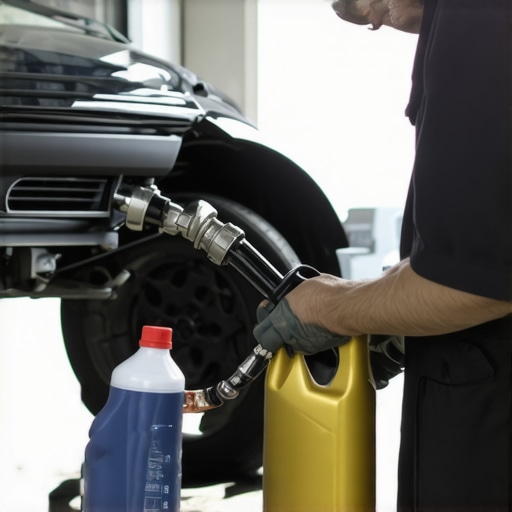
Have you ever poured a bottle of fuel additive into your tank, hopeful that it’s going to give your car that extra boost? I remember the first time I tried one of those popular fuel treatments; I was convinced it would improve my engine’s performance instantly. But after a few tanks, I started questioning—does this stuff really work, or am I just throwing my money away? That lightbulb moment hit me hard when I realized I was skipping essential maintenance, like regular tune-ups, which actually make a measurable difference in fuel efficiency. Today, I want to share my personal experience and help you cut through the marketing noise.
Why Fuel Additives Often Feel Like a Waste of Money
Fuel additives are marketed as miracle workers—promising to clean your engine, boost mileage, and even reduce emissions. But the truth is, many of these claims are overstated. In my early days of car ownership, I thought that a $10 bottle could solve my sluggish acceleration problem. Turns out, I was mistaken. According to automotive experts, most engines don’t need these extra chemicals if they’re properly maintained through regular tune-ups and routine service. The real kicker? Overusing or relying solely on fuel additives can sometimes mask underlying issues that should be addressed directly, like clogged injectors or worn spark plugs which naturally improve fuel efficiency.
Is Fuel Additive Hype Actually Worth It?
I’ve made the mistake of assuming that my car’s sluggish start was just a dirty fuel system, so I bought a bottle of additive without checking if it was really necessary. That was a classic case of putting the cart before the horse. Instead, what I should have done was schedule a proper tune-up, which would have identified and fixed the root cause of my problem. Regular maintenance not only saves money in the long run but also ensures you’re addressing issues where they truly originate. For a comprehensive look at why routine care matters, check out this handy guide on vehicle maintenance.
So, if you’ve ever wondered whether those fuel additives are worth the hype, or if you’ve thrown away your hard-earned cash on products that deliver little more than false hope, you’re not alone. Let’s dig deeper into what actually works and what you can do to keep your car performing at its best without wasting money on gimmicks. Ready to discover the truth and get your vehicle running smoothly again? Let’s jump into some practical advice that will empower you to make smarter decisions about your auto care.
Start with a Basic Inspection of Key Components
During my first proper tune-up, I began by visually inspecting belts, hoses, and filters—like checking the tension on a guitar string. I found a cracked serpentine belt that needed replacement. Carefully inspecting these parts prevents unexpected breakdowns and keeps your engine running smoothly.
Change the Oil and Replace the Oil Filter
Think of your engine as a human body; oil is its blood. I drained old, gritty oil and installed a fresh filter, which significantly improved idling and acceleration. Regular oil changes are essential — aim for every 3,000 to 5,000 miles or per manufacturer recommendations. This simple step prolongs engine life and improves fuel economy.
Check and Replace Spark Plugs
Worn spark plugs are like a misfiring musician—causing rough running. I removed the old plugs, noted excessive wear, and installed new ones following the correct gap measurement. Proper spark plugs ensure efficient combustion, boosting power and saving fuel.
Inspect and Service the Air Filter
The air filter acts as human lungs—clean air equals better performance. I replaced a clogged filter, which immediately improved throttle response. Check this monthly, especially in dusty environments, to keep your engine breathing easy and maintain optimal fuel efficiency.
Test the Battery and Charging System
Dead batteries can drain your day faster than a flat tire. I used a multimeter to test voltage, confirmed the alternator was charging properly, and cleaned corrosion on terminals. Regular battery checks prevent inconvenient breakdowns and ensure consistent starts.
Evaluate Brake System Health
Brakes are your safety net. I listened for squeals and checked pad thickness, referencing this guide to identify worn components. Replacing pads and bleeding brake fluid enhances safety and pedal response.
Perform a Tire Inspection and Rotation
Uneven tire wear affects handling and fuel economy. I measured tread depth, visually checked for sidewall damage, and rotated tires, following advice from this checklist. Proper rotation extends tire life and improves ride quality.
Flush Cooling System and Check Fluids
Over time, coolant degrades, risking overheating. I drained and replaced the coolant, inspecting hoses for leaks. Regular cooling system maintenance prevents engine overheating, which can cause costly repairs.
Inspect and Adjust Wheel Alignment
If your car pulls to one side, it’s time for alignment—a step that improves tire wear and handling. I used a simple DIY method to check camber angles and booked a professional alignment for precision.
Document Your Maintenance Routine
Keeping a maintenance log, like I did, helps track what has been done and what’s upcoming. This proactive approach catches issues early, saving money and extending vehicle lifespan.
Many car owners believe that routine tune-ups and services are simple, straightforward tasks, but in reality, there are nuanced pitfalls that can lead to costly mistakes. One prevalent myth is that a standard tune-up universally restores peak performance; however, newer vehicle technologies require a more tailored approach, integrating diagnostic scans and advanced system checks rather than just replacing spark plugs or changing filters. Overlooking these advanced diagnostics can result in missed underlying issues that escalate over time, ultimately compromising reliability. Additionally, many assume that brake service simply involves replacing pads, but neglecting to inspect your rotors, calipers, and brake fluid can undermine braking efficiency and safety. Modern brake systems often involve complex electronic aids, and ignoring these nuances can lead to failures, as highlighted by experts at this comprehensive brake repair guide.
Ever wondered why some repairs seem to fix the problem temporarily while the issue reemerges? This often stems from a superficial service that doesn’t address the root cause, such as failing to inspect the entire drivetrain or cooling systems, which can lead to recurrent breakdowns and costly repairs. For example, neglecting to check for hidden leaks or corrosion can cause fluid degradation or component failure down the line, wasting your money on repeated services. Advanced auto repair involves understanding the interconnectedness of systems: a faulty sensor can send misleading data, prompting unnecessary repairs if not diagnosed correctly. Staying ahead means embracing diagnostic technology and knowing when to seek expert advice instead of relying solely on routine maintenance procedures.
What most people get wrong about auto repairs is underestimating these complexities, thinking that a quick fix always suffices. Let’s dig deeper: invest in thorough inspections, utilize diagnostic tools, and understand that modern vehicles demand a nuanced approach. Otherwise, you risk wasting money and risking safety. Have you ever fallen into this trap? Let me know in the comments. For more insights on how to maximize your car’s lifespan, check out this expert guide.Maintaining your vehicle over time requires more than just basic knowledge; it demands the right tools and a proactive mindset. One of my go-to pieces of equipment is a high-quality electronic diagnostic scanner, like the BlueDriver Bluetooth Pro. I personally rely on it because it connects seamlessly to my smartphone and provides detailed error codes directly from the vehicle’s onboard systems, enabling me to identify issues early before they escalate. This proactive approach not only saves money but also extends the life of critical components. As auto repair trends evolve, I foresee a greater integration of AI-powered diagnostics, making advanced tools more accessible and affordable for everyday owners.
How do I keep my vehicle running smoothly over the years? It’s simple: consistency and investing in reliable tools. Regular inspections using a multimeter, for example, help me monitor battery health and charging systems without unnecessary trips to the shop. For brake systems, I use a dedicated brake fluid tester, which checks for the moisture content in hydraulic fluid—crucial because contaminated brake fluid can compromise safety, as explained in detail on this comprehensive brake guide. Identifying deterioration early allows me to plan maintenance rather than react to failures.
Another tool I recommend is a serpentine belt inspection tool, which helps visually detect cracks or fraying that might be invisible to the naked eye. Regularly inspecting belts can prevent sudden breakages that cause expensive downtime. A tip I swear by is setting a maintenance schedule based on your vehicle’s year and usage, complemented by a detailed log. This allows for predictability and peace of mind.
Looking ahead, I believe integrated vehicle management systems will become more intelligent, offering predictive maintenance alerts directly to our smartphones. Embracing these emerging technologies will simplify long-term upkeep and help avoid costly repairs. If you’re serious about keeping your car reliable and efficient, try incorporating a diagnostic scanner and routine belt checks into your maintenance routine today. These small steps can yield significant long-term benefits. Want a detailed guide? Check out this article on tune-up strategies for practical tips on ongoing vehicle care.
Side Notes from My Auto Repair Journey
- Never underestimate the power of a routine inspection—small issues like tiny cracks in belts or hoses can snowball into costly repairs if ignored. I learned this firsthand when a minor crack in my serpentine belt nearly stranded me on the highway.
- Invest in quality diagnostic tools or build a relationship with a trustworthy mechanic—trying to fix complex problems without proper knowledge often wastes time and money. My BlueDriver scanner helped me catch engine codes early, saving me big bucks.
- The most overlooked maintenance task is fluid health—coolant, brake fluid, transmission fluid. Regularly checking and replacing these fluids keeps your vehicle running smoothly and prevents catastrophic failures. I now schedule fluid flushes proactively based on manufacturer recommendations.