
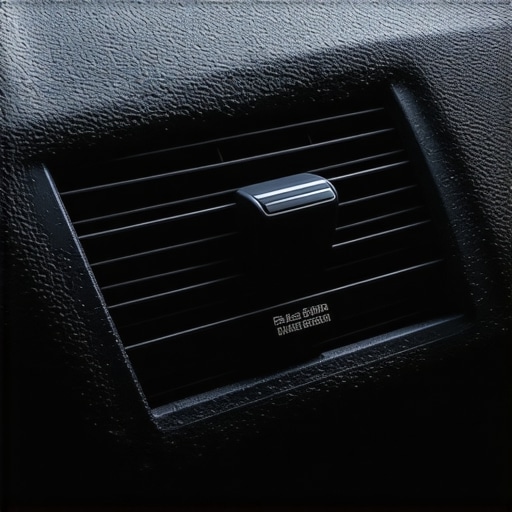
Ever had that strange feeling after a long drive—headache, stuffy nose, or even sneezing more than usual? I used to brush it off as seasonal allergies or just fatigue. But one day, I realized it might be something inside my car. I didn’t think much of filters or air quality; I assumed if the car ran smoothly and the oil was fresh, I was good to go. Turns out, I was overlooking a sneaky culprit that could be silently making me and my passengers sick—the cabin air filter, especially the one everyone forgets about.
It’s the kind of problem that creeps up gradually. You notice a slight mustiness when you turn on the AC, or maybe your allergies seem worse inside your vehicle. At first, I thought it was just my imagination or environmental pollen. But after some digging and a few bad experiences with headaches after long trips, I started paying closer attention. The light bulb went off: what if the air inside my car was full of pollutants, mold, or bacteria?
Today, I want to share my discovery and how you can prevent the same issue. We’re going to dive into how this overlooked filter affects your health and what simple steps you can take to breathe cleaner, fresher air every time you get behind the wheel.
The Quiet Culprit Behind Unseen Sick Days in Your Car
Is Your Car’s Air Filter Really Worth the Hype?
Many drivers toss aside their cabin air filter during routine maintenance, assuming it’s just about keeping the dust out or improving airflow. But what they don’t realize is how critical it is in maintaining air quality—especially in urban areas with pollution and allergens on the rise. An old, clogged filter can harbor mold, dust mites, and bacteria—creating a breeding ground for germs that can aggravate allergies, asthma, or even cause respiratory issues.
Early on, I made the mistake of replacing my filter only when it looked visibly dirty. Turns out, some filters can be full of mold or bacteria even if they look clean. According to experts, a dirty filter can reduce airflow by up to 20%, making your AC and ventilation work harder while circulating pollutants. That’s a recipe not just for discomfort but for health hazards.
If you’re wondering whether your cabin filter is overdue for a change, consider how often you drive in heavy traffic or dusty environments. If you experience musty smells or increased allergy symptoms, that’s a clear sign it’s time for a swap. For quick guidance, check out the [car service checklist](https://glassfixauto.com/car-service-checklist-how-to-keep-your-vehicle-in-top-shape) to keep your vehicle in top shape—and your air quality healthy.
Have you noticed symptoms like sneezing or lingering congestion after driving? You’re not alone, and in many cases, a simple filter change can make a world of difference. Next, I’ll walk you through how to identify a failing cabin filter and replace it easily, even if you’re new to DIY car maintenance.
Locate the Cabin Air Filter Carefully
First, park your car on a flat surface and turn off the engine. Open the glove box and remove its contents. In many vehicles, the cabin air filter is behind the glove box, secured by clips or screws. I once struggled with a stubborn glove box, but gently pressing on its sides allowed me to drop it down without damage. Check your vehicle’s manual or look for a service checklist such as car service checklist to locate the exact position. Always remember, proper identification saves time and avoids accidental damage.
Gather the Necessary Tools and Replacement Filter
Before starting, gather a flathead screwdriver, gloves, and the correct replacement filter type. I made the mistake of grabbing a universal filter that was too thick, which made installation tricky. To avoid this, double-check the filter specifications or consult your dealer. Visit your local auto parts store or use the reference guide online to purchase an OEM or compatible filter. Proper tools and the right replacement ensure the process proceeds smoothly and reduces the risk of redoing work, just like with any essential auto repair.
Remove and Install the New Filter Efficiently
Start by carefully removing the old filter; some are held by clips, others by screws. For clipped filters, gently pry the clips with a screwdriver; for screw-secured filters, unscrew them slowly, paying attention not to strip the screws. Make a mental note or take photos of the orientation of the old filter before removing it. This step was crucial during my first replacement, saving me from installing the new filter upside down. Insert the new filter in the same orientation, pressing in until it clicks or is snugly secured. Always verify the fit and ensure no gaps remain, which could allow unfiltered air bypass. Once done, close the glove box and run the air system to check for proper airflow and signs of cleaner air, like a fresh scent or reduced allergens.
Schedule Regular Filter Changes to Prevent Future Issues
To keep your air clean and healthy, plan to replace the cabin filter every 12,000 to 15,000 miles or once a year, especially if you drive in urban or dusty environments. Consider marking your calendar or service checklist as a reminder—consistent maintenance like this can significantly improve air quality and your health. If you’re uncertain about the status of your vehicle’s tune-ups or need professional advice, consult experts at Glass Fix Auto. Regular updates will ensure your car’s ventilation system continues to keep pollutants out and your cabin environment fresh, just as modern auto repair trends evolve to improve safety and comfort.
Many car owners believe that a simple tune-up or basic service is all they need to keep their vehicle running smoothly, but this oversimplification can lead to missed nuances that are crucial for optimal performance and longevity. For instance, one widespread misconception is that changing engine oil or replacing spark plugs alone suffices for a comprehensive tune-up. However, expert auto repair professionals emphasize that a true tune-up involves a holistic approach, including inspecting the fuel system, air filters, and even performing diagnostic scans to catch hidden issues early. Relying solely on visual cues or sticking to manufacturer intervals without considering your specific driving conditions can be a costly mistake.
Another common myth revolves around brake service. Many drivers think that as long as the brake pedal feels firm initially, their brakes are in good shape. In reality, subtle signs such as squealing sounds, a pulsing pedal, or even a soft brake feel often indicate underlying problems like worn brake pads, contaminated rotors, or air in the brake lines. Overlooking these signs can lead to more serious issues, such as brake failure or rotor warping, which are significantly more expensive to repair. For a thorough understanding of what your brake system truly needs, visit this guide on brake service myths.
Why Do Many People Still Overlook Fluid Maintenance That Can Devastate Their Vehicle?
Fluid health often remains an underappreciated aspect of auto maintenance. For example, many assume that coolant or transmission fluid can last forever, ignoring studies like the one from Automotive Testing showing that such fluids degrade over time and lose their protective qualities. Old or contaminated fluids can cause overheating, transmission slipping, or engine damage. Regularly flushing and replacing critical fluids is a low-cost step that saves thousands down the line. Learn more about how routine fluid flushes can uphold your vehicle’s health.
Now, consider the trap many fall into: deferring maintenance due to a lack of apparent symptoms. This is especially dangerous because some issues, like subtle coolant leaks or early brake wear, aren’t immediately noticeable but can lead to breakdowns if ignored. That’s why following a professionally curated car service checklist and scheduling preventive maintenance at recommended intervals can safeguard against costly repairs.
One of the biggest pitfalls is trusting generic advice over expert opinions. For example, while many think excessive oil changes are unnecessary, they only overspend without benefits if not paired with comprehensive diagnostics. Conversely, stretching intervals too far can cause engine sludge buildup or component failure. The key is a balanced approach—consulting your mechanic for tailored recommendations that match your driving habits and vehicle needs.
Let’s dig deeper into why some of these misconceptions persist. For instance, *why do drivers often neglect essential fluid services*? Studies reveal that convenience and misinformation are significant factors. Automakers often promote longer service intervals, which might work for some conditions but fail in dusty or stop-and-go urban environments. Being an informed driver involves understanding the specifics of your vehicle and environment, something I discuss extensively in my article on how regular tune-ups improve safety and efficiency.
Remember, no car maintenance task should be overlooked or deferred based solely on superficial signs. For a comprehensive approach, consider visiting your trusted auto repair shop—like Glass Fix Auto—to get professional advice tailored to your vehicle’s specific needs.
Have you ever fallen into this trap? Let me know in the comments.
Tools That Ensure Your Car Stays in Peak Condition
Maintaining a vehicle’s health isn’t just about routine checks; it’s about using the right tools to diagnose problems early and perform effective repairs. I personally rely on a high-quality automotive scan tool, like the Autel MaxiScan MS309. It provides instant diagnostic codes, allowing me to identify engine issues before they escalate. This tool has saved me hours of trips to the mechanic by catching problems early. Additionally, I swear by a digital tire pressure gauge, such as the Longacre Digital Tire Gauge. Correct tire pressure not only improves fuel efficiency but also prevents uneven wear—extending the lifespan of your tires and brakes.
For fluid checks, a good set of fluid testers and a trusted funnel with a built-in filter help me maintain clean, contaminant-free fluids. Regularly monitoring coolant, brake fluid, and transmission fluid with these tools ensures that all critical systems operate smoothly. Using a magnetic service mirror or a flexible inspection camera lets me peek into hard-to-reach spots without disassembly, saving time and avoiding unnecessary repairs. These investments are minor compared to the cost of neglecting essential maintenance.
Embracing Software for Smarter Maintenance
Beyond physical tools, automotive software has transformed how I approach long-term vehicle care. I rely on automobile diagnostic apps that sync with Bluetooth OBD-II readers. These apps log fault codes, track maintenance schedules, and provide real-time data on engine performance. For example, my preferred app alerts me when my vehicle’s sensors detect a deviation from normal operation, enabling proactive servicing.
In the future, I predict that AI-driven diagnostic systems will become more accessible, enabling even novice owners to interpret complex data and make informed decisions about repairs or upgrades. This evolution will democratize auto maintenance, making it more accessible and cost-effective.
How Do I Maintain My Vehicle Over Time
The key to long-term reliability is consistency. Set a maintenance schedule based on your vehicle’s manual and stick with it, utilizing tools and software to monitor each component’s health. For routine brake service, ensure you regularly check and replace the brake fluid as recommended—consider flushing your brake fluid every two years to prevent corrosion and spongy pedals. Also, invest in a quality rotor measuring tool to assess wear if a squeal or pulsation occurs, preventing more costly rotor replacements.
Remember, combining physical tools with smart software creates a comprehensive maintenance approach, prolonging your car’s lifespan and saving money long-term. I recommend trying out a diagnostic app integrated with your OBD-II scanner for insights beyond basic check engine lights. The investment in these tools pays off when you catch potential issues early, especially before they turn into expensive repairs. For expert advice on maintenance planning, contact professionals at Glass Fix Auto. Keep your vehicle performing at its best with these strategies, and you’ll enjoy fewer breakdowns, better fuel economy, and safer drives for years to come.
What I Wish I Knew About Car Maintenance Before I Started
One crucial lesson I learned firsthand was that not all auto repairs are created equal—especially when it comes to seemingly minor components like cabin air filters. Ignoring their importance can silently compromise your health and vehicle performance. I once believed that changing the filter was only necessary when visibly dirty, but I soon realized mold and bacteria can thrive even in a clean-looking filter, leading to health issues and reduced air quality. Now, I understand that regular, proactive checks are essential for peace of mind.
Another insight was realizing how much trust I place in auto repair software and diagnostic tools. These gadgets have transformed my approach to car maintenance, allowing me to catch problems early and save money. However, I also learned that relying solely on tech without basic knowledge can be risky. Balancing technology with fundamental understanding leads to smarter decisions and longer-lasting vehicles.
Lastly, I discovered that routine procedures like brake fluid flushing and fluid replacements surprisingly extend my car’s lifespan more than I had expected. Avoiding ‘minor’ tasks because they seem insignificant only sets the stage for costly repairs later. Embracing a comprehensive maintenance mindset actually empowers you to enjoy safer, more efficient driving every day.
Tools and Guides I Swear By for Better Auto Care
For maintaining my vehicle, I can’t recommend enough the latest diagnostic apps that sync with Bluetooth OBD-II scanners. They provide real-time insights that help me schedule service before issues escalate. Additionally, the comprehensive car service checklist from trusted auto experts ensures I don’t overlook critical maintenance steps, from replacing filters to inspecting brakes. I also rely on quality tools like a digital tire pressure gauge and fluid testers, which make routine checks quick and accurate. These resources have truly changed my maintenance game for the better.
Reading insightful books, such as how tune-ups enhance safety and efficiency, deepened my understanding and motivated me to stay proactive. Combining these tools and knowledge empowers me to keep my vehicle reliable and safe, saving me time and money in the long run.
Prepare to Take Charge of Your Car’s Future
Stepping into better auto care starts with a mindset shift—view maintenance not as a chore but as an act of care for yourself and your family. Regularly replacing filters, flushing fluids, and monitoring your vehicle with smart tools ensures optimal performance. It’s about making small, consistent choices that ripple into long-term savings and safety. I encourage you to embrace this proactive approach and take control of your vehicle’s health today. For personalized assistance or to get an expert opinion on your maintenance routine, you can always contact professionals at Glass Fix Auto. Remember, you’re not just maintaining a machine—you’re safeguarding your journey ahead.