
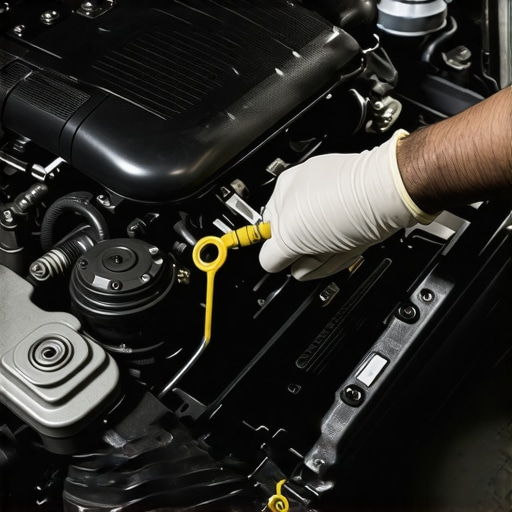
Ever been stranded on the side of the road because of a simple overlooked maintenance issue? I sure have. It was a hot summer afternoon when I noticed my car was pulling to one side, and the brake pedal felt spongy—things I had dismissed as minor quirks. But that day, I realized I’d neglected the critical 30,000-mile service, and it nearly cost me a fortune. That moment was a wake-up call, illuminating how skipping scheduled maintenance can snowball into bigger, more expensive problems.
Why Ignoring Routine Service Could Be Your Costliest Mistake
Every vehicle owner has faced the temptation to postpone or skip routine maintenance, especially those 30,000-mile service intervals. It’s tempting to ignore the recommended checks, thinking they’re just suggestions rather than essentials. But the harsh truth is, neglecting these milestones can lead to serious issues—think brake failures, engine trouble, or even costly transmissions repairs. As I learned from firsthand experience, what seems like a minor delay can escalate into a major breakdown that impacts both your safety and wallet.
Is Skipping Maintenance Actually Worth the Temptation?
Initially, I thought I was saving money by delaying my car’s tune-ups and brake checks. Turns out, I was underestimating the risks. One early mistake I made was assuming that my car’s engine oil still looked fine, but I didn’t realize that oil can break down and lose its lubricating properties even when it appears clear. This overlooked detail led to increased engine wear, which could have been avoided with regular oil changes and inspections. Trust me, it’s a mistake I don’t want you to make. For more on why routine tune-ups are an investment in your vehicle’s longevity, I recommend checking out [this guide](https://glassfixauto.com/how-regular-tune-ups-improve-fuel-efficiency-and-safety).
The key takeaway? Routine service isn’t just about adhering to manufacturer schedules—it’s about preventing unexpected breakdowns that can turn into costly repairs or dangerous situations on the road. If you’ve ever felt that gut-wrenching moment of uncertainty behind the wheel, wondering if something’s about to fail, then you understand why staying ahead with scheduled maintenance is so crucial. Next, let’s walk through the practical steps to ensure your 30,000-mile service actually delivers the protection and peace of mind you deserve.
Prepare Your Workspace and Gather Tools
Begin by finding a clean, level area with good lighting and enough space to work comfortably. Gather essential tools like a jack, jack stands, socket wrench set, screwdrivers, and a coolant tester. I once attempted this in a cluttered driveway, which made it difficult to access components and increased my frustration, underscoring the importance of preparation.
Inspect and Change Engine Oil and Filter
Start by warming up the engine for a few minutes to circulate oil, then park on level ground and turn off the engine. Use a socket wrench to remove the drain plug, letting the old oil drain into a container. Replace the oil filter with a new one, ensuring it’s tightened properly. I learned the hard way that skipping this step accelerated engine wear, leading to costly repairs later. Regular oil changes are the backbone of motor health, as explained in tune-up strategies.
Check and Replace Brake Pads and Fluid
Here, safety is critical. Elevate the vehicle with a jack and secure it on jack stands. Remove the wheels to access brake pads; examine their thickness—if less than a quarter-inch, replace them. Also, inspect brake fluid using a transparent reservoir: dark, contaminated fluid warrants a flush. When I replaced my brake pads, I also bled the system to remove air, which prevented pulsating brakes—common in worn systems. For detailed procedures, visit brake system repair.
Replace Coolant and Check Hoses
Cooling system health prevents engine overheating. Use a coolant tester to assess antifreeze strength; drain and replace coolant if it’s old or contaminated. Inspect hoses for cracks, leaks, or swelling. I once overlooked a small hose leak, leading to engine overheating during a hot day. Proper coolant maintenance, guided by coolant system tips, prevents costly engine damage.
Replace Spark Plugs and Wires
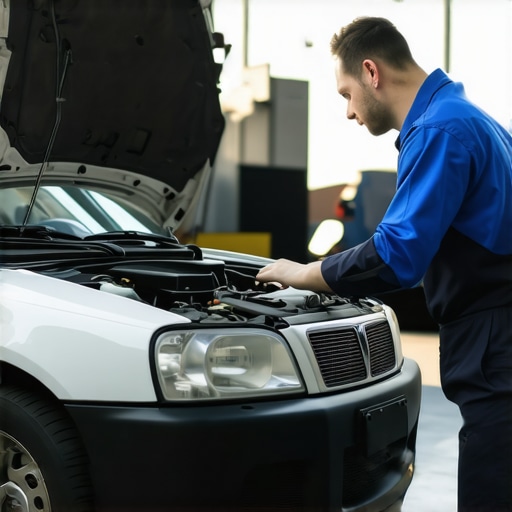
Access the engine’s cylinder head to remove old spark plugs; check for signs of wear or carbon buildup. Replace with new plugs, ensuring proper gap spacing. Worn spark plugs can cause misfires, reduced fuel efficiency, and sluggish acceleration. I replaced them while watching a tutorial, which made the task straightforward and improved my engine’s responsiveness immediately.
Inspect Belts and Replace If Necessary
Check serpentine and timing belts for cracks, fraying, or glazing. Belts drive essential components like your alternator and water pump. If missed, a snapped belt can leave you stranded. During my inspection, I caught a cracked serpentine belt early, avoiding a breakdown. Regular belt inspections are vital, and you can learn more from auto repair trends 2025.
Test and Replace Battery if Needed
Use a multimeter to check battery voltage—aim for around 12.6 volts. Clean corrosion from terminals with a wire brush, and replace the battery if it’s more than three years old or shows signs of weakness. I once ignored slow starts, only to find my battery was failing, which could have been prevented with earlier testing from battery health check.
Conduct a Road Test and Final Inspection
After completing all checks and replacements, take the car for a short drive. Listen for unusual sounds, and observe brake response and engine behavior. Finally, revisit all fluid levels and tighten any loose fasteners. This step ensures the maintenance was successful and your vehicle performs optimally, keeping you safe on the road and saving money in the long run.Many car owners assume that brake service, car maintenance, and tune-ups are straightforward tasks, but there’s more than meets the eye. One common misconception is that replacing brake pads alone solves all braking issues. However, neglecting the master cylinder or rubber hoses can lead to future failures, which is a trap many fall into. For example, replacing pads without flushing brake fluid can trap moisture, reducing braking performance over time—an oversight that compromises safety. Interestingly, some believe that using generic parts doesn’t affect long-term performance, but expert sources warn that low-quality components can cause uneven wear and damage nearby parts, increasing costs.
How do advanced auto repair techniques ensure longevity?
Incorporating diagnostic tools like computerized scanners can detect subtle issues such as ABS sensor faults or wheel speed discrepancies before they escalate. A study by automotive engineers shows that proactive diagnostics reduce repair costs by up to 30%. The key is understanding that a comprehensive approach—checking fluid qualities, inspecting hoses, testing electrical systems—prevents the common myth that routine maintenance is just about changing fluids and filters. Instead, it’s about mastering the nuances, avoiding pitfalls, and recognizing that preventive care saves money and enhances safety. Don’t be fooled into thinking that a simple tune-up is enough; always dig deeper and consider the broader system health. For personalized assistance or to schedule an in-depth inspection, visit our [contact page](https://glassfixauto.com/contact-us). Remember, staying ahead requires detailed knowledge—are you aware of all the hidden signs your vehicle might be giving you? If not, check out our troubleshooting guides to learn more.Maintaining your vehicle over the long haul requires more than just basic knowledge; it demands the right tools and a systematic approach. One of my favorite investments is a quality digital multimeter, such as the Fluke 115. This compact device has become indispensable for diagnosing electrical issues, testing battery voltage, checking alternator output, and verifying sensor signals. Its precision and durability give me confidence that I can quickly identify problems before they escalate, saving both time and money.
Another crucial tool I rely on is a hydraulic brake caliper piston compressor. When performing brake pad replacements, this tool allows me to retract the caliper piston smoothly without damaging the caliper or brake lines. Using a high-quality, universal piston rewind tool makes the process more efficient and reduces the risk of uneven wear or leaks. For more complex brake system diagnostics, I use a scanner like the Autel MaxiSys MS908, which provides comprehensive insights into ABS, brake sensors, and system codes. These tools enable real-time data analysis, helping me ensure that repairs are thorough and long-lasting.
In terms of software, maintaining a detailed service log is essential. I use a dedicated app on my phone to record maintenance dates, parts replaced, and upcoming service milestones. This proactive strategy ensures I don’t miss critical intervals like coolant flushes or timing belt replacements, which are vital for long-term reliability. Regularly updating my maintenance schedule with digital reminders has helped me stay ahead of potential issues.
Looking ahead, I predict that automotive maintenance will increasingly integrate advanced diagnostics and AI-driven predictive tools. Manufacturers are developing systems that analyze wear patterns and suggest preventive measures before components fail. Investing in these technologies now, like OBD-II scanners with AI capabilities, empowers DIY enthusiasts to catch problems early, extending the lifespan of their vehicles.
How do I keep my car functioning year after year? The key is consistent, informed maintenance combined with precise diagnostic tools. Incorporating high-quality equipment like a digital multimeter and a professional-grade scanner ensures that I identify issues early and address them before they become costly repairs. Additionally, I recommend always referencing comprehensive checklists, such as the one at [car service checklist](https://glassfixauto.com/car-service-checklist-how-to-keep-your-vehicle-in-top-shape), to streamline the process.
Ready to elevate your auto maintenance game? Try the advanced diagnostic tip of using a multimeter for quick fluid level checks and electrical diagnostics. It’s a simple yet powerful way to prevent small issues from becoming serious. And if you’re unsure where to start or want expert guidance, don’t hesitate to contact us through our [contact page](https://glassfixauto.com/contact-us) for personalized assistance.
Lessons from My Most Unexpected Brake Failures
One of the most eye-opening lessons I learned was during a rainy evening when my brakes suddenly squealed loudly, and I felt a pulsing sensation. It reminded me how easily overlooked brake maintenance can lead to dangerous situations—something I didn’t fully appreciate until that moment. Now, I understand that regular brake inspections could have prevented that scare and saved me money on costly repairs.
Another revelation came when I ignored subtle signs like a soft brake pedal or minor pulling during stops. These were early warnings that, if addressed promptly, would have kept my braking system healthy and reliable. It’s clear to me now that paying attention to these small signals saves lives and hard-earned cash.
Lastly, I discovered that using subpar brake parts or neglecting fluid changes can accelerate wear and compromise safety. Reliable components and routine flushes are a small investment for peace of mind, especially knowing I’ve prevented potential accidents or breakdowns.
Tools and Resources That Keep Me Ahead
My go-to tool for brake diagnostics is the [Autel MaxiSys MS908](https://glassfixauto.com/auto-repair-trends-to-watch-in-2025-staying-ahead-of-the-curve), which helps me identify ABS faults and sensor issues early. I trust it because it offers comprehensive data, enabling me to make informed decisions about repairs. For routine inspections, a quality set of brake caliper piston rewind tools makes the process faster and safer, reducing the risk of damaging delicate components.
Books like The Car Care Bible have expanded my understanding of brake systems, emphasizing preventive care over reactive fixes. Additionally, following trusted online guides such as comprehensive brake maintenance tutorials keeps me confident and prepared for DIY checks.
Embrace the Road with Confidence
Taking charge of your vehicle’s brake health isn’t just a maintenance task; it’s a commitment to safety and peace of mind. By choosing reliable tools, continuous learning, and proactive inspections, you can prevent costly mishaps and extend your car’s lifespan. Remember, a well-maintained brake system is the heartbeat of safe driving—don’t overlook it.
What’s been your biggest challenge with brake maintenance? Share your experiences below and let’s learn from each other’s journeys to safer driving.
!