
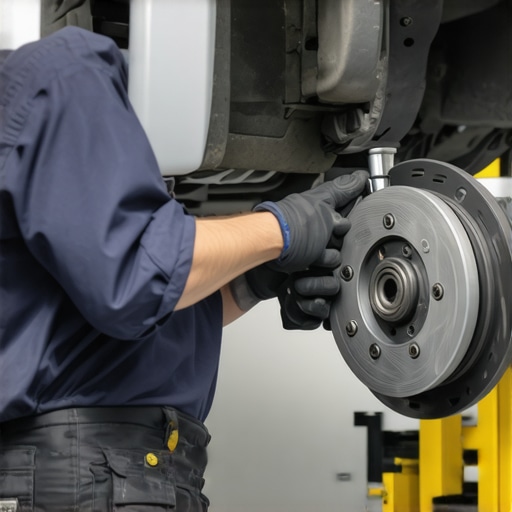
It was late afternoon when I first got that sinking feeling—my brakes felt spongy, and that unmistakable squeal announced my impatience. I’d just installed brand-new brake pads and rotors, thinking I was finally on top of vehicle maintenance, only to realize I’d skipped an essential step: the proper bedding-in process. That realization hit me like a jolt; I’d wasted hours, money, and my own patience. Have you ever experienced that frustration—the squeal, the reduced braking performance, and that nagging doubt about whether you did it right? If so, you’re not alone.
The Hidden Power of Proper Brake Bed-In Technique
When I learned that my brakes weren’t performing as expected post-installation, I dove into research and quickly discovered a simple truth: new brake pads and rotors need to be ‘bedded in’ correctly to achieve optimal performance and silence. This process helps transfer a thin layer of brake pad material onto the rotor surface, ensuring consistent friction and preventing uneven wear. If you skip this step, you risk prolonged braking issues or even damage that could lead to costly repairs down the line.
Think of it like seasoning a new cast-iron skillet—creamy, polished surface just won’t do. You need to break it in properly. The same principle applies here. Proper bedding not only enhances braking performance but also significantly reduces the chances of squealing, vibration, and uneven pad wear.
Have you ever wondered whether you actually completed this step properly? Or maybe you’re skeptical about whether bedding-in makes a difference at all. Believe me, I made a mistake early on by rushing through the process—it left me with a disappointing ride and a nagging question about whether I’d compromised my safety.
If you’re ready to learn the proven, step-by-step approach that guarantees your brake system performs as it should, keep reading. We’ll cover everything you need to know, avoiding common pitfalls that could cost you later. And if you want to see how often brake issues are misdiagnosed or how to tell if your mechanic actually did the job right, check out this helpful guide on [how to tell if your mechanic actually replaced the spark plugs](https://glassfixauto.com/how-to-tell-if-your-mechanic-actually-replaced-the-spark-plugs). Now, let’s dive into the real secrets of bedding-in your new brakes properly.
Start with a Clean Slate
Before beginning the bedding-in process, ensure your brake components are properly installed, and your wheel lug nuts are torqued to manufacturer specifications. Double-check that the brake fluid level is adequate and that no air is trapped in the system. This initial setup lays the foundation for effective bedding and prevents issues down the line.
Divide the Process into Manageable Steps
Begin with Light, Gentle Stops
Accelerate to about 30 mph and then gently apply the brakes until the vehicle slows to around 10 mph. Don’t come to a complete stop; just use light pressure to avoid glazing the pads or creating uneven transfer layers. Repeat this five to ten times, allowing the brakes to cool slightly between stops. This warm-up phase sets the stage for proper material transfer.
Increase Brake Intensity Gradually
Next, from 30 mph, apply firm, moderate braking to bring the vehicle to a near-stop, mimicking emergency braking but without locking up the wheels. Do this about four to five times, ensuring each stop pushes the pads and rotors to operate under higher heat. This step helps transfer a uniform, thin layer of pad material onto the rotor surface.
Cooling Periods Are Critical
After the repeated stops, allow your brakes to cool completely—typically for about 15 minutes or until the rotor temperature drops to ambient levels. Cooling reduces the risk of overheating, which can cause glazing or cracks. Never park your vehicle immediately after heavy braking; let it rest to maintain optimal bedding quality.
Drive Like You Mean It
To further improve bedding, perform several moderate stops from higher speeds—say, from 50 mph down to 10 mph—ensuring the rotors heat up and cool down repeatedly. This simulates real-world driving conditions like mountain descents or city stop-and-go traffic. An effective bedding process can last around 20-30 stops, with intentional variations in speed and braking force.
Monitor and Adjust
Throughout the process, listen for squeals or vibrations, which may indicate improper bedding. If you notice noise or uneven wear, you might need to repeat the bedding procedure or consult a professional. Proper bedding helps transfer an even, thin layer of pad material, essential for quiet, effective brakes.
Remember the Details
Always use the correct procedure recommended by your brake manufacturer. For specific guidance, you can review how to tell if your mechanic actually replaced the spark plugs or learn more about bedding techniques in the correct way to bed in new brake pads for zero squeal. Proper bedding is a critical step to ensure your brakes perform flawlessly and quietly for miles to come.Even experienced car enthusiasts can fall prey to misconceptions when it comes to vehicle maintenance. One widespread myth is that routine tune-ups are universally the same for all vehicles. In reality, modern engines require tailored service intervals and specialized procedures, contrary to the one-size-fits-all approach many shops still promote. For instance, some mechanics suggest replacing spark plugs at regular intervals, but in high-quality iridium or platinum plugs, these can last over 100,000 miles if installed correctly—a fact highlighted by experts in automotive engineering.
A frequent mistake is assuming that a simple oil change or tire rotation suffices when issues like uneven tire wear or overheating occur. These symptoms often stem from overlooked problems such as misaligned suspension components or failing wheel bearings. It’s crucial to dig deeper—routine inspections can reveal underlying causes that, if ignored, might escalate into costly repairs. For example, neglecting to check for strut wear can lead to uneven tire wear and compromised handling, as detailed in a recent study on suspension system longevity.
One of the most overlooked aspects is the importance of proper brake bedding. Many vehicle owners underestimate how crucial this step is for ensuring quiet, efficient braking. Skipping or rushing the bedding process can lead to squeals, vibration, or uneven pad wear—problems that are often mistaken for poor quality parts rather than installation technique. To avoid this, follow manufacturer-specific bedding procedures, which often involve controlled stops and cooling periods.
Have you ever fallen into this trap? Let me know in the comments.
Why do most DIY boost their chances of making mistakes with complex repairs?
Understanding that not every repair is suitable for DIY efforts is essential. Advanced diagnostics, like using a scan tool to interpret ECU codes correctly, require specialized knowledge and equipment. Attempting to fix issues like engine misfires without proper diagnosis can lead to wasted time and further damage. As experts suggest, a comprehensive understanding of the vehicle’s electronic systems can prevent costly misfires or sensor errors, such as mistaken diagnoses of ignition coil failures when the root cause is a faulty wiring connection.
Beyond the technical aspects, many owners overlook the significance of keeping detailed maintenance records. These documents not only help in tracking service intervals but also demonstrate vehicle history during resale or warranty claims. For example, knowing the last time an axle was replaced can prevent premature failure of new components due to neglect.
In summary, recognizing and understanding these nuanced factors can make all the difference between a smooth, cost-effective repair and a series of frustrating, costly setbacks. Stay informed, ask questions, and don’t be afraid to seek professional advice when something feels off. For more insights on how to evaluate your vehicle’s needs, you can review how to tell if your mechanic really did the job right or learn the essentials of proper brake techniques in the correct way to bed in new brake pads.When it comes to keeping your vehicle running smoothly over the long haul, having the right tools and understanding their proper use can make all the difference. I personally swear by a well-curated toolkit that emphasizes quality and precision, ensuring that every maintenance task—whether it’s a simple oil change or a brake upgrade—is done efficiently and correctly.
Why Investing in Quality Tools Saves You Time and Money
For example, I rely on a high-torque digital torque wrench for lug nut tightening. Unlike cheaper manual wrenches, a digital model provides precise torque specifications, helping you avoid over-tightening that can damage wheels or under-tightening that risks safety. Similarly, a universal oil filter removal tool simplifies what used to be a messy, frustrating job. The trick is choosing models that grip stubborn filters without slipping, saving you both time and potential injury.
How Do I Maintain My Tools to Ensure Long-Term Performance?
Proper maintenance isn’t just about cleaning; it involves regularly inspecting your tools for signs of wear—such as rust or worn-out grips—and calibrating precision instruments like torque wrenches annually. Storing tools in a dedicated toolbox, like the heavy-duty, shock-absorbing cases I prefer, protects them from moisture and physical damage. This approach ensures your tools remain accurate and reliable, thwarting misdiagnoses or improper repairs down the line.
Advances in Diagnostic Software and Equipment
Modern auto repair increasingly depends on digital diagnostics. I recommend investing in an OBD-II scanner with enhanced capabilities, such as real-time data logging and compatibility with manufacturer-specific codes. For instance, the latest diagnostic software can quickly pinpoint issues like misfires or sensor failures, saving both myself and my clients costly guesswork. Keeping software updated ensures you catch emerging problems early, extending your vehicle’s lifespan.
Scouting the Future of Car Maintenance Tools
Looking ahead, I predict a surge in smartphone-integrated diagnostic tools, providing both amateurs and pros alike with accessible, real-time insight. Advanced features like augmented reality overlays for precise component replacement may soon become the standard, drastically reducing repair times and errors. Staying ahead in this space means embracing connected devices and learning their intricacies now.
What’s the Best Way to Keep Your Car in Top Shape Over Time?
The secret lies in consistent, informed maintenance. Regularly scheduled inspections, guided by the right diagnostics and the proper tools, prevent small issues from becoming costly repairs. For example, periodically checking your tire wear patterns using a dedicated tread depth gauge can alert you to alignment problems early—before they cause uneven wear and safety hazards. Combine this with routine fluid checks using a reliable digital refractometer, and you’ll dramatically extend your vehicle’s lifespan. Want to start with an immediate upgrade? Try calibrating your torque wrench with a certified calibration service to ensure accuracy in every job. Blood test your car’s health regularly—it’s the best way to keep it working efficiently for miles to come.
Throughout this journey of mastering vehicle maintenance, I’ve realized that some lessons are hard-won but invaluable. The most profound insight isn’t just knowing the steps to do something right—it’s understanding the WHY behind them. Proper brake bedding-in, for instance, isn’t just a box to check; it’s a decisive factor in how your brakes will perform in critical moments. I learned that rushing the process or overlooking details can leave you vulnerable to squeals, vibrations, and uneven wear that diminish safety and cost more in the long run. Embracing patience and precision in this step transformed my approach to car care, and I hope it does the same for you.
The Unexpected Power of Small Details That Make a Big Difference
- That quiet, confident stop you hear in your mind stems from meticulous bedding—skipping it might seem harmless but can lead to long-term issues.
- Investing in quality tools, like a reliable torque wrench, not only makes your work easier but ensures every step is executed flawlessly, saving time and money.
- Understanding that each component’s interaction impacts overall performance encourages a more thoughtful, less rushed approach to repairs.
- The real breakthrough came when I realized that consistent, informed maintenance creates a domino effect of reliability—less stress, fewer surprises, and more confidence behind the wheel.
Gear Up and Go Beyond Where Most Car Owners Dare
To elevate your auto repair game, I recommend a few resources that have become my trusted allies. The guide on verifying mechanic work helps me ensure repairs are done correctly and not just billed for. For maintaining brakes, techniques for proper brake bedding are essential reading. My toolkit wouldn’t be complete without a quality set of tools and diagnostic devices—they’ve made every job smoother. Trust these to keep my vehicle in top condition—just as they will yours.
Your Next Drive Starts with a Decision
Remember, every moment spent in proper maintenance compounds into safer, more reliable journeys. Applying these insights to your vehicle doesn’t just improve performance—it transforms how you experience every mile. Don’t wait for a warning sign; act now to give your car the care it deserves. The future of dependable driving is within your grasp. How will you start implementing these brake bedding-in techniques today? Let me know below and share your successes or questions with our community.
,