
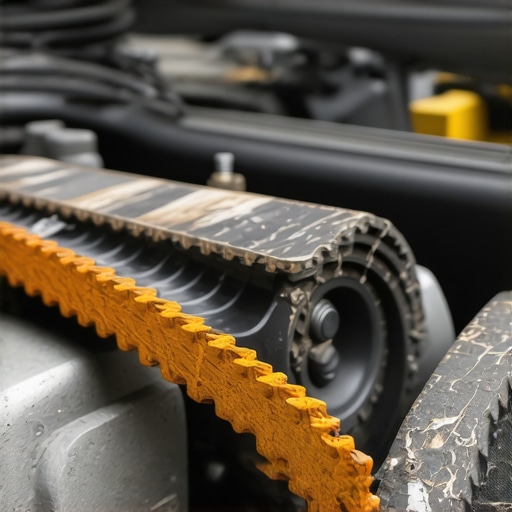
I remember the moment clearly. Stuck in slow traffic, car sputtering oddly, and that unsettling squeal from the engine bay. It dawned on me—my drive belt was cracked. I had ignored the small fraying on its edge for weeks, thinking it was no big deal. But that tiny crack was silently setting the stage for a costly repair. If you’ve ever faced a similar lightbulb moment, you know how frustrating it is to realize that what seems like a minor issue can spiral into major expenses—or even dangerous breakdowns.
Why Ignoring a Cracked Drive Belt Isn’t Just About Repairs
A cracked drive belt might look harmless—just some fraying or splitting, right? But beneath that appearance lies the potential for serious trouble. Your drive belt powers essential components like the alternator, water pump, power steering pump, and AC compressor. When it fails, your vehicle’s vital systems can suddenly stop functioning, leaving you stranded or risking engine damage.
Early in my own auto repair journey, I made the mistake of dismissing a minor crack, thinking I could wait another month. That delay cost me not only an emergency tow but also a new water pump and compromised radiator. According to automotive experts, neglecting drive belt issues can lead to overheating, loss of electrical power, and expensive repairs. It’s a reminder that small cracks don’t get better with time—they get worse.
Have you ever ignored a warning sign like this and paid the price?
Is Replacing Your Drive Belt Really Necessary or Overhyped?
Many drivers worry that replacing a drive belt is just a costly maintenance task with no real urgency. But the truth is, waiting too long can turn a simple replacement into a full engine overhaul. I learned this the hard way, learning that timely replacement can save hundreds—or even thousands—down the line. Regular inspections and understanding the signs of wear are crucial. For more tips on vehicle maintenance, check out our comprehensive [car service checklist](https://glassfixauto.com/car-service-checklist-how-to-keep-your-vehicle-in-top-shape).
Before we dive into how to identify and replace that sneaky cracked belt, let’s address some common doubts. Why risk a sudden breakdown when preventive action is so straightforward? Now, let’s explore how you can spot the warning signs yourself and avoid a costly surprise.
Prepare Your Work Area and Gather Tools
Begin by parking your vehicle on a level surface and engaging the parking brake. Gather necessary tools such as a socket set, screwdriver, and a belt tensioner tool. Wearing gloves and eye protection is recommended to prevent injury. In my experience, setting up a well-lit workspace prevents frustrating delays during the replacement process.
Identify and Inspect the Drive Belt
Open your vehicle’s hood and locate the drive belt. Compared to a garden hose, the belt is a continuous loop that drives multiple components. Check for cracks, fraying, or glazing. I once ignored minor cracks, but they quickly worsened, leading to a sudden belt failure on the highway. A simple visual inspection can save you from unexpected breakdowns. For detailed guidance, consult this auto repair troubleshooting guide.
Release Tension and Remove the Old Belt
Loosen the Belt Tensioner
Locate the tensioner pulley, which keeps the belt tight. Use a socket wrench or belt tensioner tool to rotate the tensioner away from the belt, relieving pressure. Think of it as releasing a stretched rubber band—careful movement prevents snapping your new belt or damaging other components.
Slide Off the Belt
Once tension is relieved, gently slide the belt off the pulleys. Note the belt’s routing pattern; drawing a diagram or taking a photo can prevent confusion during reinstallation. I recommend this because a wrong routing can lead to belt slippage or noise, reducing system efficiency.
Install the New Drive Belt Carefully
Compare the new belt to the old one to ensure correct size and type. Follow the recorded routing pattern precisely, wrapping the belt around the pulleys. Use the diagram or photo as a reference. Slowly rotate the tensioner again to allow the belt to seat properly, then release to apply tension. Proper tension is critical; too tight can stress bearings, too loose can cause slipping. After installation, spin the pulleys manually to ensure smooth movement without wobble.
Check Your Work and Test Drive
Reinstall any covers or shields you removed. Start your engine and observe the belt in operation. It should run smoothly without noise or wobbling. For added assurance, listen for unusual sounds or vibrations during the test drive. Regular belt inspections, like this routine, prevent larger repair bills down the line. To keep your vehicle running at peak performance, consider scheduling a tune-up that includes belt and other essential system checks; learn more at this comprehensive guide.
Many drivers operate under misconceptions about car maintenance, often leading to costly mistakes. One common myth is that all auto repairs are equally urgent or necessary, but in reality, understanding the nuances can save you money and prevent breakdowns. For instance, some believe that brake pads are a wear-and-tear item that can wait indefinitely, yet neglecting timely brake service can compromise safety and cause damage to rotors, increasing repair costs. Regular inspections, guided by expert advice, help identify issues early before they escalate.
Another misconception revolves around tune-ups. Many assume they’re optional or only necessary when the engine starts running rough. However, a well-timed tune-up not only maintains peak performance but also improves fuel efficiency and extends engine life. In fact, neglecting routine tune-ups can lead to increased emissions and engine strain, which experts agree puts unnecessary stress on your vehicle. To stay ahead, consult comprehensive guides on how regular tune-ups boost safety and efficiency.
People also tend to overlook the importance of understanding the specific components within their vehicle’s brake system. The misconception that all brake issues are the same can be dangerous. There’s a distinction between worn brake pads, contaminated brake fluid, and damaged rotors, each requiring different interventions. Misdiagnosing or delaying repair in any of these areas can lead to reduced braking performance or even complete failure. For a detailed breakdown, see this comprehensive brake system guide.
A significant oversight among drivers is assuming that auto repair shops will always tell them the full truth. Unfortunately, some shops might recommend unnecessary repairs or overcharge to boost profits. This is why being informed about common auto repair pitfalls is essential. Remember, trusting your instincts and seeking second opinions, especially when a recommended service seems excessive, can save you from fallacious diagnoses. For insights into deceptive repair practices, read these troubleshooting tips.
Advanced car maintenance requires a nuanced understanding beyond basic knowledge. It’s vital to recognize that not all repairs are equal in urgency, and some issues, if neglected, can lead to dangerous consequences. For example, delayed brake fluid changes can cause corrosion and reduce braking efficiency, increasing accident risk. Experts warn that ignoring these signs can compromise safety and inflate repair costs over time. A study published in the Journal of Automotive Engineering highlights how preventative maintenance reduces breakdown frequency and prolongs vehicle lifespan.
Have you ever fallen into this trap? Let me know in the comments. Staying informed ensures your vehicle remains reliable and safe, saving you money and avoiding unforeseen breakdowns.Keeping your vehicle running smoothly over the long haul demands more than just basic knowledge; it requires the right tools and a disciplined maintenance routine. I personally rely on a combination of professional diagnostic equipment and durable hand tools that have proven their worth through years of use. A quality multimeter, for example, isn’t just for electricians—it’s indispensable for diagnosing electrical issues like fading lights or dead batteries. I prefer the Fluke 115 model because of its accuracy and durability, which makes troubleshooting quicker and more reliable. When checking belts or hoses, I use a set of digital calipers to measure depreciation precisely, ensuring replacements are timely before a breakdown occurs. For those who want to get more detailed, an automotive scan tool compatible with OBD-II protocols, such as the BlueDriver, provides a wealth of information on engine codes, emissions, and sensor data, aligning with the latest diagnostic standards outlined in SAE J1979.
The Hardest Lesson I Learned About Car Maintenance
One of my biggest auto repair realizations came after ignoring a small crack on my drive belt, which led to an unexpected breakdown on a busy highway. It taught me that overlooked issues rarely stay minor—they evolve into costly repairs or safety hazards.
Why Regular Checks Outweigh Last-Minute Fixes
Waiting until a belt fails can be dramatic, but proactive inspections save money and time. Simple visual checks often reveal impending problems, preventing inconvenient breakdowns and engine damage.
Celestial Signs: The Unexpected Indicators of Belt Wear
Aside from cracks, listen for squeals or slapping noises. These sounds frequently hint at a belt nearing failure, so trusting your ears can be a lifesaver.
Tools That Make the Job Safer and Easier
Investing in quality tools like a digital multimeter or a belt tensioner ensures precise repairs. These aren’t just gadgets—they’re your automotive allies in maintaining safety and performance.
Resources That Turn Us Into Better Car Owners
My go-to guides include the car service checklist, ensuring I don’t miss crucial maintenance steps; and troubleshooting guides that help me identify issues early, save money, and extend my vehicle’s lifespan.
Taking Charge of Your Car’s Future
Empower yourself with knowledge, trust your senses, and don’t delay when signs of wear appear. Your vehicle is an investment—keep it running smoothly by embracing proactive care today. Have you ever caught a belt issue early before it caused a breakdown? Share your stories below, and let’s learn together!