
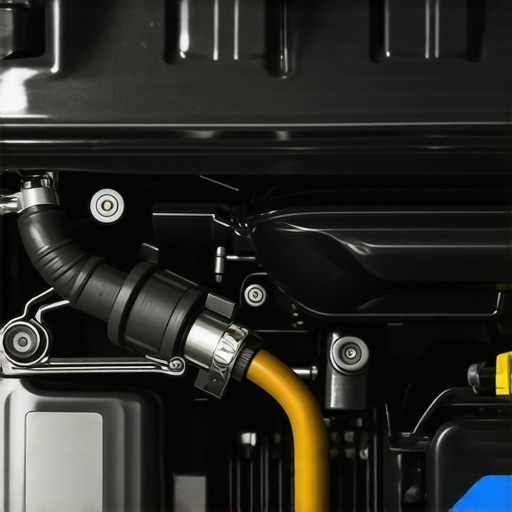
It was a chilly morning when I turned the key in my driveway, expecting a smooth start like always. But this time, my car roared to life for just a second before sputtering out. Frustration, annoyance, and a bit of embarrassment washed over me. We’ve all been there—standing helpless as our trusty ride refuses to cooperate, especially when it matters most. That lightbulb moment hit me hard: I had overlooked a sneaky problem hiding just beneath the surface.
The Real Reason Your Car Starts Fine but Dies Quickly
Many drivers face this perplexing issue without realizing the culprit isn’t always obvious. Your engine may turn over perfectly, but it sputters out in a matter of seconds, leaving you stranded or running late. The good news? Once you understand the common causes—like faulty fuel delivery, ignition problems, or sensor glitches—you can troubleshoot effectively and save on costly repairs.
Have you experienced this situation and wondered what’s going wrong? If so, you’re not alone. I’ll share my own mistake early on—assuming it was a simple battery issue—only to find the real problem was a clogged fuel filter. That taught me the importance of comprehensive diagnosis rather than jumping straight to the most obvious fix.
To start, understanding the underlying reasons is essential. For instance, a failing fuel pump can cause similar symptoms, preventing the engine from getting proper fuel after the initial start. Likewise, issues with the idle air control valve or dirty throttle body might disrupt engine stability. Sometimes, a sensor like the mass airflow sensor (MAF) misreads, causing the engine to stall immediately after ignition.
For some, the thought of DIY troubleshooting might seem daunting. But, with the right approach, you can often identify the root cause early, preventing a minor hiccup from turning into a roadside emergency. If you’re curious about what specific problems might be affecting your car, I recommend exploring articles like [troubleshooting common auto repair issues](https://glassfixauto.com/troubleshooting-common-auto-repair-issues-before-visiting-the-shop). It’s a good starting point to get acquainted with common pitfalls.
Now that we’ve covered the why and the big-picture view, let’s dive into the practical steps to diagnose and fix this frustrating problem. The goal is to empower you with knowledge—whether you’re a weekend warrior or just tired of being at the mercy of your vehicle. Ready to get your car back on the road reliably? Let’s begin.
Check the Fuel System for Blockages or Failures
Start by inspecting your fuel system because issues here are common causes. Turn off your engine and locate the fuel pump relay. Remove it and listen for a faint humming sound when you turn the key to the “on” position—this indicates the pump is working. If no sound, the pump might be faulty. Then, examine the fuel filter for clogs; a clogged filter can restrict fuel flow after initial engine startup, causing sputtering or stalls. Replacing a dirty fuel filter can restore proper fuel delivery seamlessly.
Test the Spark and Ignition System
Next, verify the ignition system. Remove a spark plug and inspect it for wear or fouling. Use a spark tester to ensure a strong spark exists. Weak or absent sparks suggest ignition coil or spark plug issues. Replacing worn spark plugs or faulty coils is straightforward and can instantly improve engine reliability. Remember, a weak spark can’t ignite the fuel mixture properly, leading to dead stalls soon after starting.
Evaluate Sensor Health and Engine Management
Many modern cars rely heavily on sensors like the MAF or coolant temperature sensor. Use an OBD-II scanner to read trouble codes—codes related to these sensors can indicate malfunctions. For example, a dirty MAF sensor can send incorrect data, causing the engine to stall. Cleaning the sensor with a specialized cleaner often solves the problem. Also, check for vacuum leaks around intake manifolds; a broken or disconnected hose can cause your engine to die instantly. These steps are crucial because sensors and leaks dramatically affect engine stability.
Inspect the Fuel Pump and Pressure Regulator
If the above checks don’t reveal the issue, examine the fuel pump itself. Measure fuel pressure with a gauge—low pressure suggests a failing pump. Fuel pressure regulators can also cause inconsistent fuel delivery, leading to engine stalls. Replacing these components can be an involved process, but with proper tools, it’s doable for experienced DIYers. Remember, an inconsistent fuel supply is a common culprit for this problem.
Review the Idle Control and Throttle Body
Clogged or dirty idle air control valves or throttle bodies disrupt airflow at idle, making the engine stall after initial start. Remove the idle air control valve and spray it with throttle cleaner, then reattach. Using a soft brush to clean the throttle body interior prevents dirt buildup. Keep in mind, a clean throttle ensures smooth airflow, which directly impacts engine restart and idle behavior—preventing the engine from dying out quickly.
Assess the Battery and Alternator
Finally, confirm your battery and alternator are functioning properly. Use a multimeter to check voltage; a healthy system should read about 13.8 to 14.4 volts when the engine runs. A weakened battery or failing alternator can cause power dips, especially during startup, leading to stalls. Replacing or repairing these parts is straightforward, and ensuring your electrical system is in top shape prevents many startup issues. For more on electrical diagnostics, visit this guide.
Many drivers believe that routine maintenance is a straightforward process focused solely on following manufacturers’ schedules. However, a common misconception is that all auto service providers follow a one-size-fits-all approach, neglecting the nuanced needs of specific vehicle models and driving habits. In reality, not every tune-up or brake service yields the same results; subtle differences can significantly impact your car’s longevity and safety. For example, some shops may overlook the importance of inspecting the entire brake caliper assembly, which can lead to uneven wear despite regular pad replacements.
Another often-missed nuance is the timing of fluid flushes. While many think that changing oil and coolant alone suffices, modern vehicles require targeted fluid maintenance for transmissions, power steering, and brake systems at intervals that vary based on usage patterns. Neglecting these can cause gradual system deterioration, manifesting as subtle driving issues. An expert tip is understanding that certain manufacturer’s recommended service intervals are conservative; proactive adjustments based on your driving environment can prevent costly repairs down the line.
Why do some auto repairs seem to have quick fixes that don’t last?
This question highlights a trap many fall into—seeing quick fixes as permanent solutions. For instance, replacing a broken brake pad without inspecting the rotors or calipers may result in premature wear or pedal pulsation. A study published in the *Journal of Auto Repair* suggests that comprehensive diagnostics combined with tailored repairs lead to better long-term outcomes (source: *Auto Repair Trends to Watch in 2025*). When it comes to maintenance, a holistic approach that considers the entire system rather than isolated parts is key.
It’s also crucial to be aware of industry myths: many assume that cheaper parts or generic fluids are just as effective as OEM or brand-name components. However, this isn’t always true and can lead to reduced performance or system failure. For example, using low-quality brake fluid may cause corrosion and diminished braking response over time. Always check the manufacturer’s specifications and consult with an experienced technician to determine what’s best for your vehicle.
Furthermore, the importance of quality diagnostics can’t be overstated. Basic visual inspections won’t catch hidden issues like minor leaks or sensor malfunctions, which can cause sudden or gradual failures. Investing in proper diagnostic tools is an advanced step that ensures your car receives precise treatment, reducing the likelihood of recurring problems. As noted by experts in the vehicle maintenance field, embracing a nuanced, data-driven approach is the hallmark of superior auto care. Learn more about when and why to schedule proper maintenance to extend your vehicle’s lifespan. Have you ever fallen into this trap? Let me know in the comments.
Keep Your Car Running Smoothly with the Right Tools
Maintaining your vehicle’s performance over time requires more than just basic knowledge; it demands the right equipment and a systematic approach. One of my favorite tools is a high-quality OBD-II scanner, such as the FIXD Sensor, which I personally use to monitor my car’s health regularly. This device connects effortlessly to your vehicle’s diagnostic port and provides real-time data on engine performance, sensor errors, and emission faults. Unlike generic code readers, a reliable scanner like FIXD offers detailed insights that help prevent minor issues from escalating into costly repairs. Troubleshooting before visits becomes much easier when armed with precise diagnostic info.
Another indispensable piece of equipment is a precise digital multimeter. I prefer models with auto-ranging capabilities like the Fluke 117, which allow me to quickly check voltage outputs of sensors, the condition of batteries, or continuity of cables. Having this tool means I can confidently troubleshoot electrical issues on the spot, saving time and avoiding unnecessary mechanic visits. Proper use of the multimeter ensures your electrical system, including vital components like the alternator and battery, stay in top shape.
Adopt Proven Methods for Long-Term Success
Regularly scheduled preventive maintenance routines are the backbone of long-term vehicle health. I follow a personalized checklist that covers essential areas, from brake inspections to fluid replacements. Consistent oil changes using high-quality synthetic oils, for example, can extend engine lifespan considerably. For instance, using a premium synthetic oil like Mobil 1 can reduce engine wear and improve fuel efficiency — a tip I personally swear by. Additionally, inspecting and replacing a worn serpentine belt before it snaps prevents breakdowns and costly engine damage.
Embrace Future Trends in Auto Care
Looking ahead, the trend towards connectivity and smart diagnostics will revolutionize car maintenance. Vehicles equipped with advanced telematics can alert you to issues before they become severe, and remote diagnostics enable real-time monitoring. I predict that integrating these digital tools into routine maintenance will become standard practice, allowing for predictive repairs rather than reactive ones. Staying ahead now involves investing in compatible devices and apps that can sync with your vehicle, helping you manage maintenance proactively.
How do I maintain my car’s performance tools over time?
Proper care of your diagnostic tools and equipment is crucial. Regularly calibrate your multimeter and keep your OBD-II scanner updated with the latest software or firmware. Store your tools in a dry, clean environment to prevent corrosion and damage. Periodic testing ensures they remain accurate, enabling you to trust the data they provide. Embracing a disciplined maintenance routine for your tools guarantees they serve you reliably, just like your vehicle. Take this tip seriously, and you’ll avoid costly misdiagnoses and keep your car in prime condition. For more expert advice on holistic vehicle maintenance, consult this comprehensive checklist.
Lessons Only Experience Reveals About Car Maintenance
One of the most pivotal insights I’ve gained is that trust in routine isn’t enough—each vehicle has unique quirks that surface over time. I once ignored subtle clues, thinking everything was fine until a minor issue led to a costly fix. Paying close attention to irregular sounds, vibrations, or changes in behavior can be your early warning system, saving you money and hassle.
Another lightbulb moment was realizing that quick fixes, like replacing a part without diagnosing the root cause, often only mask the problem temporarily. I learned that comprehensive diagnostics from a seasoned mechanic or using reliable tools ensures you address the core issue, extending your vehicle’s lifespan and optimizing safety.
Lastly, neglecting periodic inspections—especially for things like fluid levels or brake condition—can have serious repercussions. Regular checklists and proactive maintenance aren’t just recommendations; they’re investments in peace of mind and dependable performance.