

Picture this: you’re cruising around a tight corner, feeling confident, when suddenly the brake warning light flickers on. Panic hits—did I mess something up? Is my car safe to drive? Trust me, I’ve been there, clasping that steering wheel a little tighter, wondering why that nagging warning pops up at the worst moments. What a light can mean—especially during those sharp turns—can be confusing and downright frustrating. But here’s the truth: most of the time, it’s not as catastrophic as it looks, and with a little knowledge, you can get to the bottom of it without a panic attack.
What causes that pesky brake warning during sharp turns?
That warning light isn’t just a random flicker; it’s your car’s way of talking to you—warning sign included. When I first noticed mine come on during a quick turn, I wondered if I’d blown a fuse or worse. Turns out, this phenomenon often happens because of issues with your brake system’s fluid levels, sensors, or even your vehicle’s electronic stability controls. During tight turns, the shifting weight can momentarily cause the brake fluid to slosh away from sensors or reveal underlying problems that remain hidden when driving straight. Interestingly, a study from the NHTSA highlights how warning lights are often triggered by sensor malfunctions or fluid irregularities, not necessarily a mechanical failure.
If you’re like me, this moment of warning prompts a rush of questions: Could it be dangerous? Or is it just an annoyance? Well, that’s what we’re about to explore. I’m here to help you decipher whether that flickering light indicates a simple fix or if it’s a sign you should see a professional sooner rather than later. And believe me, I’ve made plenty of early mistakes—like ignoring minor signs—that lead to bigger problems down the road. So, I want to share what I’ve learned over the years, so you won’t fall into the same trap. Brake service myths often blindside drivers into neglect, but understanding the root cause can save you money and stress.
Now, let’s take a look at what might be happening under the hood and how to troubleshoot this common yet perplexing issue efficiently. Ready? Let’s dive into the steps that will help you keep that warning light from spoiling your drives again.
Check the Brake Fluid Level First
When the brake warning light flickers during tight turns, the first step is to verify your brake fluid level. Open your hood, locate the brake fluid reservoir—usually a small, translucent container near the engine—and check the fluid against the marked levels. If it’s low, topping it off might resolve the warning. I remember one time I noticed the light during a sharp corner; after pulling over and adding fluid, the light turned off. Always use the manufacturer-recommended brake fluid to prevent further issues.
Inspect for Leaks and Fluid Contamination
Next, visually inspect around the brake lines and reservoir for leaks or wet spots. Contaminated or older brake fluid can cause sensor misreadings, so consider replacing the fluid if it appears dark or gritty. If you’re unsure, consulting a professional for a brake system flush can be a game-changer. More details on brake system repairs can be found here.
Test the Brake Sensors and Switches
Your vehicle’s brake system relies on sensors to monitor fluid levels and pad wear. Gently tap or wiggle these sensors—usually located near the brake pads or within the master cylinder assembly—to see if they are loose or malfunctioning. If a sensor is damaged or disconnected, it may falsely trigger warning lights during sharp turns. Replacing faulty sensors can often be done at home if you’re comfortable with basic tools, but consulting a mechanic ensures proper calibration.
Evaluate the Electronic Stability Control System
Modern cars use electronic stability control (ESC) to maintain traction and safety. During sharp turns, ESC may interact with the brake system, causing warning lights to flicker if there’s an issue. Use a diagnostic scanner compatible with your car’s make and model to read error codes—these can pinpoint specific problems like sensor failures or module malfunctions. If you don’t have a scanner, many auto parts stores offer free diagnostic services, or you can visit a trusted shop.
Perform a Reset by Cycling the Ignition
After addressing hardware issues, sometimes a simple reset can clear the warning. Turn the ignition off, wait for a few seconds, and then restart your vehicle. Drive a short distance, preferably on a winding route, to see if the light reappears. During my own experience, I corrected a sensor connection and reset the system; the warning stayed off afterward, saving me a costly repair.
When to Seek Professional Help
If these steps don’t resolve the issue, or if you’re uncomfortable performing any of them, it’s best to visit a qualified mechanic. Persistent warning lights could indicate deeper problems like a failing ABS module or internal brake system issues, which require specialized diagnostic tools. Regular tune-ups and brake inspections—performed here—can prevent many warning light situations before they escalate.
By following these concrete steps, you can often troubleshoot brake warning lights during sharp turns effectively. Understanding how to interpret these signals helps keep you safe and can save money by catching problems early.
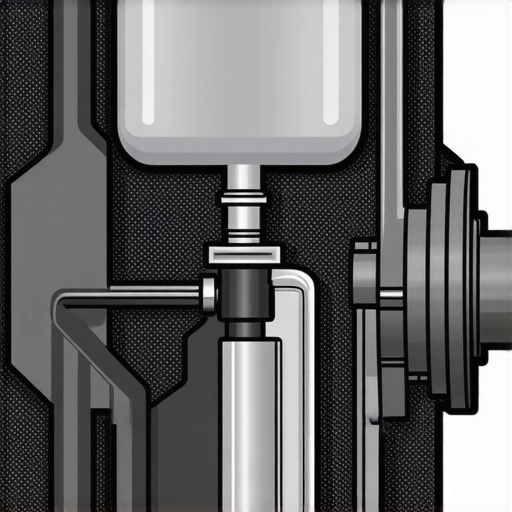
Illustration of brake fluid reservoir and sensor locations to aid in inspection and troubleshooting.
Many car owners assume that all automotive maintenance practices are straightforward, but in reality, there are nuanced pitfalls that can cost you time and money. A common misconception is that a simple oil change or replacing brake pads is sufficient for long-term vehicle health. However, neglecting detailed procedures or overlooking hidden issues often leads to costly repairs later. For instance, many believe that using generic brake fluid is acceptable, but expert advice emphasizes the importance of sticking to manufacturer-recommended fluids to prevent sensor malfunctions and brake system deterioration here.
Prioritize Quality Hand Tools for Reliability
When it comes to auto repair and maintenance, investing in high-quality hand tools is non-negotiable. I personally rely on a professional-grade socket set from Snap-On, because their durability and precision make every job smoother and safer. Cheap tools tend to slip or break, risking damage to your vehicle and injury to yourself. A good socket set with a comprehensive range of sizes and a breaker bar can be your best allies when tightening or loosening stubborn bolts during brake service or tune-ups.
Embrace Diagnostic Software for Accurate Troubleshooting
Modern vehicles are equipped with a multitude of sensors and modules that communicate through complex networks. For long-term maintenance, I recommend investing in an OBD-II scanner that plugs into your car’s port and pairs with a smartphone app like BlueDriver. This combo provides detailed error codes and live data, helping you diagnose issues like sensor malfunctions during sharp turns or other irregular signals. These tools save me time and money by pinpointing problems before they escalate, aligning with the latest auto repair trends to stay ahead in vehicle health management. Auto repair trends to watch in 2025 suggest that adaptive diagnostic tools will become standard for DIY enthusiasts and pros alike.
Develop Routine Inspection Routines
Implementing a regular inspection schedule is crucial for long-term vehicle performance. I use a simple checklist: inspecting brake fluid levels, brake pad wear, tire conditions, and fluid leaks every 5,000 miles. Maintaining a detailed log helps me identify patterns—like gradual brake system degradation—so I can plan preventative repairs. This proactive approach extends the lifespan of critical components, reduces unexpected breakdowns, and ensures safety during those tight, high-stress turns we all encounter.
Utilize Specialized Tools for Brake Maintenance
When I perform brake services, I utilize a brake caliper piston compressor tool. This specific tool makes retracting pistons a breeze, especially when replacing worn brake pads. Using the correct tool prevents damage to the caliper and ensures proper fluid flow upon reassembly. Additionally, a digital torque wrench guarantees precise tightening of lug nuts and brake caliper bolts, which is essential for long-term safety and performance. Correct torque settings prevent uneven pad wear and avoid costly repairs down the line. For comprehensive guidance, check this detailed brake repair guide.
Plan Scaling Strategies for Future Repairs
As your vehicle ages, scaling your maintenance procedures becomes necessary. I recommend subscribing to a remote monitoring service that tracks your vehicle’s vital signs and sends alerts for maintenance needs, such as fluid replacements or sensor calibrations. This proactive approach, combined with your existing toolkit, ensures you stay ahead of potential issues—saving time, money, and stress. The future of auto maintenance leans heavily toward connected solutions, making it easier than ever to keep your car running smoothly over the years.
Questions About Maintaining Your Vehicle
Wondering how to keep your brake system performing optimally over time? Regularly inspecting and replacing fluid, sensors, and faulty components using specialized tools like a brake caliper piston compressor can dramatically improve long-term results. Implementing scheduled checkups and leveraging diagnostic software ensures you catch problems early, preventing costly repairs. To get started, try calibrating your brake sensors with a trusted digital scanner—it’s a game changer that puts you in control of your vehicle’s health. For more in-depth insights, visit this resource and elevate your maintenance game.
The Hidden Lessons behind Brake Warning Lights During Sharp Turns
One of the most valuable insights I gained from dealing with brake warning alerts is that not all warnings are immediate emergencies—sometimes, they’re signals pointing to underlying issues that need attention. I used to dismiss these lights as mere glitches, but after experiencing a concerning moment during a sudden turn, I learned to listen more carefully. It became clear that consistent maintenance, like regular brake fluid checks and sensor inspections, is essential for safety and peace of mind. Ignoring these signals might save a quick check, but it can cost far more if it leads to brake failure when you least expect it.
Another lesson is the importance of understanding your vehicle’s electronics. Modern braking systems rely heavily on sensors, which can malfunction or become dirty, giving false warnings. Taking the time to diagnose these with a scanner, or even performing simple visual inspections, can prevent unnecessary repairs. This proactive approach not only keeps your car safe but also helps build confidence that you’re in control of your vehicle’s health.
Lastly, investing in the right tools and knowing when to seek professional help is a game changer. A quality diagnostic scanner and specialized brake tools make troubleshooting manageable, but recognizing your limits ensures you won’t inadvertently make issues worse. Learning from my missteps, I now prioritize routine checks and timely professional tune-ups, which ultimately extend my vehicle’s lifespan and enhance safety during those challenging turns.
My Go-To Resources for Brake Care and Auto Maintenance
Over the years, I’ve curated a set of trusted tools and references that significantly elevate my auto maintenance routine. First, an OBD-II scanner like BlueDriver has become indispensable for quick error detection and understanding what’s happening under the hood. Its detailed codes have saved me trips to the shop and empowered me to address minor issues early. Second, I rely on high-quality tools such as a digital torque wrench and brake caliper piston compressor—both of which make complex tasks much more manageable and precise.
In addition, I constantly consult authoritative guides and blogs. For instance, this comprehensive brake repair guide offers step-by-step instructions that complement my hands-on approach. Staying updated with auto repair trends through industry insights ensures I’m aware of new techniques and tools that can make maintenance safer and more effective. These resources have collectively empowered me to keep my vehicle in top shape, especially as I navigate those unpredictable sharp turns.
Your Turn to Take Control of Brake Care
Remember, paying close attention to brake warning lights isn’t just about avoiding repairs—it’s about proactively ensuring your safety on every journey. Empowered with a little knowledge and the right resources, you can diagnose minor issues early and prevent costly failures down the line. Embracing routine inspections and trusted tools transforms you from a passive driver into an active guardian of your vehicle’s health. Your next stop could be as simple as a quick fluid check or sensor reset, but it might just save you from a roadside emergency in the future.
Have you ever faced a brake warning light during a tricky turn? Share your experience below—your story might help someone else stay safe!