
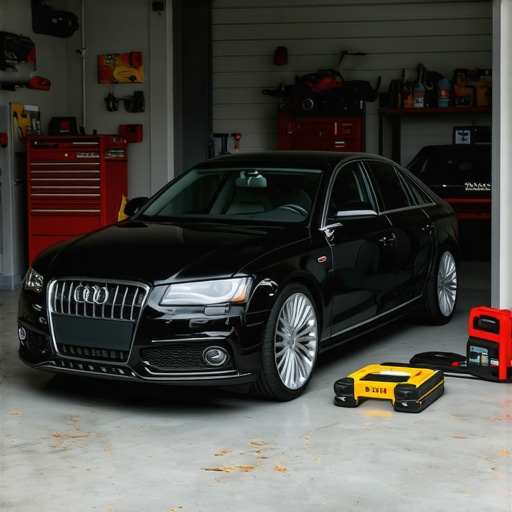
Walking out to my driveway one morning, coffee in hand, I was greeted by a familiar but concerning sight—smoke billowing from under the hood of my trusty sedan. It had only 150,000 miles on it, and I had just tuned it up six months ago. The realization hit me hard: I might be facing costly repairs if I didn’t act fast. That moment marked a lightbulb turning on in my mind—there had to be a better way to extend my car’s life, saving money and stress.
Unlocking the Secret to Long-Lasting Cars
After some research, trial, and error, I discovered that the key isn’t just routine maintenance—it’s strategic, consistent care combined with understanding your vehicle’s needs. Achieving 200,000 miles or more is entirely possible when you focus on the right maintenance practices, spotting issues early, and knowing when to seek expert advice. Today, I want to share with you the insights I gained from my journey, so you don’t have to go through the same stressful surprises.
Is Routine Maintenance Overhyped or Essential?
I’ve seen many car owners overlook small signs—like a squealing brake or a sluggish engine—as minor inconveniences. Early in my own experience, I ignored a persistent brake squeak, thinking it just needed cheap pads. That mistake almost cost me thousands in repairs. Proper brake system care, for instance, is critical—learn more about common brake myths and how to avoid costly fixes by visiting [this guide](https://glassfixauto.com/brake-service-myths-what-you-need-to-know-before-your-next-stop). Recognizing small issues before they become big problems is one of the most valuable lessons I’ve learned.
Supporting this approach, a study published by AAA states that regular preventive maintenance can nearly double a vehicle’s lifespan, saving owners hundreds to thousands of dollars over time. So, the question is: have you ever faced a problem that could have been avoided with timely care? If so, you’re not alone. Many drivers wait until something breaks before calling a mechanic.
The good news is, with a little knowledge and proactive habits, you can avoid those costly breakdowns. Up next, I’ll walk you through the practical steps I took to ensure my car could reach—and surpass—200,000 miles, maintaining safety and reliability every mile of the way. Ready? Let’s get into it.
Perform Regular Inspections, Don’t Wait for Failures
The first step is establishing a routine inspection cycle. Every month, check vital fluid levels—engine oil, coolant, brake fluid, and transmission fluid—using transparent reservoirs or dipsticks. During my own test, I caught a dropping coolant level early, which prevented an engine overheating event during a summer road trip. Think of your car as a patient; regular check-ups catch ailments before symptoms appear.
Create a Personalized Maintenance Schedule based on Drive Patterns
Not all driving is equal. Short trips cause different wear than highway cruising. Use the ultimate car service guide to tailor your schedule. For example, I increased my oil change frequency after noticing my city commutes led to faster oil degradation, confirmed through black soot in the oil during oil changes. This proactive approach kept my engine cleaner and more efficient.
Keep Brakes in Prime Condition at All Times
Brakes are crucial for safety and longevity. Regularly inspect brake pads and rotors. If you notice a squeal or a softer pedal, it’s time for attention. I once ignored a persistent squeal, which turned out to be worn pads leading to rotor damage—a costly fix. Familiarize yourself with common brake myths through brake myths and avoid unnecessary replacements.
Assess Brake Pad Thickness Effectively
Remove the wheel and use a flashlight to examine pad thickness—less than ¼ inch warrants replacement. I once caught uneven brake pad wear early by performing this check, preventing uneven rotor damage. Keep in mind, cheap brake pads can cost more over time if they wear out quickly, so invest in quality from the start.
Schedule a Strategic Tune-Up Periodically
Align your tune-up with the manufacturer’s recommendation, usually every 30,000 miles, or more frequently if your driving is aggressive. During my last tune-up, I asked the mechanic to specifically clean the fuel injectors and check the spark plugs, which resulted in improved fuel efficiency and smoother acceleration. Regular tune-ups, like this guide explains, bolster engine performance and prevent minor issues from escalating.
Replace or Clean Key Components as Needed
Components like air filters, spark plugs, and serpentine belts should be checked at each service interval. I learned the hard way that a clogged air filter can reduce fuel economy significantly. Replacing it early kept my engine breathing easy. Use visual inspection and follow your vehicle’s manual to know when these parts need attention.
Stay Ahead with Advanced Diagnostics and Trends
Modern cars are equipped with sensors that detect issues early. Regularly scan for error codes, even if the check engine light isn’t on, using an OBD-II scanner. Additionally, stay informed on auto repair trends. I adopted a new transmission fluid maintenance protocol after reading about upcoming standards, extending the life of my transmission and avoiding premature failures.
When it comes to maintaining our vehicles, many of us rely on common advice like changing oil regularly or replacing brake pads when they squeal. However, even seasoned drivers often get blindsided by nuances that can make the difference between a reliable car and costly repairs down the line. Let’s dig deeper into some misconceptions and advanced pitfalls that experts know all too well.
One prevalent myth is that all brake pads are created equal. In reality, choosing low-cost, budget brake pads might seem tempting initially, but they tend to wear out faster and produce more brake dust, leading to uneven rotor wear. This can cause unnecessary damage and higher repair costs over time. To avoid this, consider investing in quality brake components and adhering to the recommended inspection intervals. For a detailed overview, check out [this guide](https://glassfixauto.com/understanding-brake-system-repairs-a-guide-for-vehicle-owners).
A common mistake is underestimating the importance of precise diagnosis before proceeding with repairs. Many drivers assume that a warning light or a peculiar noise always signifies the obvious issue—like replacing a suspected faulty part. However, modern vehicles are equipped with intricate sensor networks that can mislead or give false alarms. For example, a subtle engine misfire could be caused by a failing sensor rather than a faulty spark plug. This is why embracing a comprehensive troubleshooting approach and utilizing advanced diagnostics, such as OBD-II scans, is crucial. Learn more about effective troubleshooting [here](https://glassfixauto.com/troubleshooting-common-auto-repair-issues-before-visiting-the-shop).
**Why custom maintenance plans matter more than ever**
Most owners stick to a generic maintenance schedule based on a vehicle’s mileage age. But driving habits significantly influence wear and tear, especially for drivers with stop-and-go city commutes or those often towing. A tailored strategy, aligned with your driving profile, ensures that components like transmission fluid or air filters are changed proactively, extending their lifespan. For example, I increased service frequency for my city-driven car after noticing oil degradation signs earlier than scheduled, based on my driving pattern. This personalized approach can save you from premature failures and expensive repairs.
Be wary of the trap of neglecting the intricacies of auto repair—skipping minor tasks like checking air filter condition or ignoring slight steering vibrations. These small issues often signal underlying problems that can escalate if left unaddressed. Implementing a proactive, nuanced maintenance routine, supported by expert resources, is the key to longevity.
Have you ever fallen into this trap? Let me know in the comments. Remember, understanding the subtle details now can save you a heap of stress and money later. Stay sharp and keep your car running smoothly for miles to come.Maintaining your vehicle over the long term requires more than just regular oil changes and basic inspections. Investing in the right tools and adopting systematic methods can significantly extend your car’s lifespan and improve its performance. One of my go-to tools is a high-quality OBD-II scanner, which I personally use to monitor engine health and diagnose issues before they become costly problems. For example, by regularly scanning my vehicle, I detected a small sensor malfunction early, preventing potential transmission damage. When choosing an OBD-II scanner, I recommend models that offer live data streaming and code interpretation features, such as the BlueDriver, which has proven invaluable in my maintenance routine.
Another essential tool is a reliable torque wrench. Properly torquing bolts, especially in critical areas like tires and suspension components, ensures safety and prevents damage. I always carry a digital torque wrench in my trunk and consult my vehicle’s manual to adhere to manufacturer specifications, which I find crucial for maintaining optimal assembly and performance.
Beyond tools, having a dedicated maintenance checklist and schedule helps me stay organized. I follow a comprehensive guide to car service checklists, ensuring that I don’t overlook vital components like serpentine belts or air filters. Regularly inspecting these parts myself, aided by good lighting and a set of mechanic’s gloves, allows me to catch early signs of wear. For more detailed inspection tips, I refer to trusted resources like the GlassFixAuto guide.
Automation is also changing the game. Car diagnostic software integrated with your smartphone can provide instant feedback on your vehicle’s status. I use apps that connect via Bluetooth to my OBD-II scanner, enabling quick monitoring during routine drives. This proactive approach helps me schedule repairs or part replacements before breakdowns occur.
Looking ahead, the trend points toward smarter auto-maintenance solutions. Advanced diagnostic tools will integrate seamlessly with vehicle ECUs, using AI-driven analysis to predict issues—saving time and money in the long run. For instance, future systems might alert you well in advance of fluid leaks or sensor failures, much like how predictive health monitoring works.
How do I keep my car working smoothly over time? I focus on a combination of smart tools and disciplined habits. I suggest you start by investing in a quality OBD-II scanner and incorporate regular self-inspections into your maintenance routine. Don’t wait for warning lights—be proactive, and your vehicle will reward you with years of reliable service. Try using a diagnostic app today to gain immediate insights into your car’s health and catch issues early before they escalate.
What I Wish I Knew About Car Maintenance When I Started
One of the toughest lessons I learned is that minor issues like a slight vibration or a faint squeal are often early warnings of bigger problems. Ignoring these signs can lead to costly repairs or even a breakdown. Paying close attention and acting promptly can save us both money and time.
Another insight is the importance of understanding your specific driving conditions. City driving with frequent stops wears out certain parts faster, while highway cruising demands a different maintenance approach. Tailoring your service plan based on how you drive can make a notable difference in your vehicle’s longevity.
Lastly, I realized that partnering with trusted resources—like detailed guides and reliable mechanics—empowers you to make informed decisions. Knowledge truly is power when it comes to prolonging your car’s life and maintaining safety.
Tools and Resources That Changed My Approach
Investing in a quality OBD-II scanner was a game-changer. It allowed me to monitor engine health proactively and catch potential issues before they became emergencies. Systems like the BlueDriver I use provide comprehensive diagnostics right from my smartphone, making preventive care much more accessible.
Having a durable torque wrench ensured I tightened bolts and nuts to the precise specifications, preventing damage and ensuring safety. Regularly consulting resources like the car service checklist helped me stay organized and not overlook vital maintenance tasks.
Additionally, staying informed about auto repair trends through reputable sites has prepared me for upcoming standards and innovations, keeping my vehicle in top shape for years to come.
Your Next Step Toward Longer-Lasting Cars
Taking proactive control of your vehicle’s health transforms the driving experience from reactive to preventive. Whether it’s learning to perform simple inspections, investing in useful tools, or scheduling regular checkups, every small step adds up. Remember, your car is more than just transportation—it’s an investment that rewards consistent care.
Start today by scheduling a quick scan of your vehicle or inspecting your brake pads. Small actions now can lead to miles of trouble-free driving ahead. How do you plan to upgrade your maintenance routine this week? Share your ideas below and join a community that keeps their cars running smoothly for the long haul.
**Do you ever ignore those tiny warning signs, only to pay the price later? Let me know below.**