
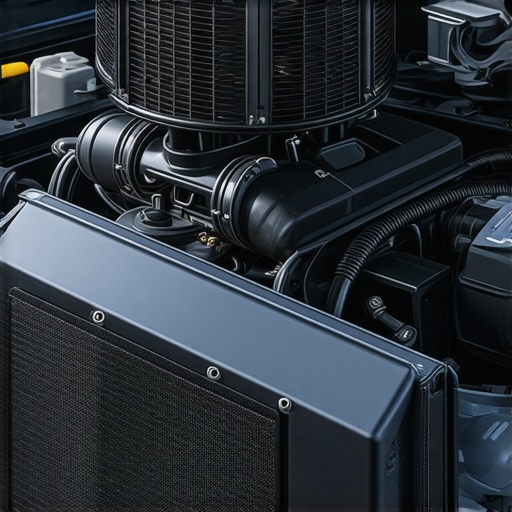
Have you ever had that moment where you turn off your engine, only to hear the radiator fan continue humming stubbornly in the background? It’s enough to make you pause and wonder if something’s wrong, especially when your car’s cooling system seems to have a mind of its own. I remember sitting in my driveway one summer evening, hearing that relentless fan and feeling a pit in my stomach — was this going to be another costly repair?
That experience was a lightbulb moment for me. I realized just how common and confusing this issue can be for many vehicle owners. It’s not just a minor annoyance; often, it signals underlying problems that could affect your car’s performance and longevity.
Today, I want to share with you why your radiator fan keeps running after you shut off your engine and, more importantly, how to troubleshoot and fix it. Understanding this can save you money and prevent unexpected breakdowns. Plus, I’ll reveal some mistakes I made early on — mistakes that cost me more time and cash — so you can avoid the same pitfalls.
Why your engine’s cooling fan refuses to turn off and why it matters
Many drivers underestimate the importance of their cooling systems. The radiator fan’s job is to regulate engine temperature, especially when your vehicle isn’t moving. If it continues running long after you’ve parked, it might be trying to tell you something. Common causes include faulty thermostatic switches, wiring issues, or sensor malfunctions. Ignoring these signs can lead to overheating, damage to the radiator, or even engine failure. In fact, According to automotive experts, unresolved cooling system problems are among the top causes of engine damage — a costly mistake to overlook.
If you’re like I was at the start, you might think, “It’s just a fan. What’s the big deal?” But trust me, a persistent fan hints at something more deeper and important. Admitting I missed early warning signs in the beginning only led to bigger headaches. That’s why I developed a step-by-step approach to diagnosing this problem, which I’ll walk you through in the upcoming sections.
If you’ve experienced that annoying sensation of your fan running endlessly, you’re not alone. And rest assured, with some basic knowledge and careful troubleshooting, you can bring that fan to a proper rest—just like I did. Ready to learn how? Let’s dive into what causes this behavior and how you can fix it yourself, saving both time and money.
Start With a Visual Inspection
Begin by opening your hood and looking for obvious issues like damaged wiring or debris around the radiator fan. In my experience, a quick visual can reveal disconnected wires or melted connectors, which are common culprits. If you notice frayed wires or burnt connectors, these will need repair or replacement before moving forward.
Test the Fan Relay and Fuse
Locate the fuse box and identify the relay responsible for the radiator fan. Remove the relay and inspect it for signs of corrosion or damage. Swap it with a similar relay from another system in your car to test if the relay is faulty. If replacing the relay stops the fan from running continuously, you’ve found your problem. Refer to your vehicle’s manual for relay location and specifications.
Check the Thermostat Switch
This switch triggers fan operation based on coolant temperature. Use a multimeter to test it for continuity. Disconnect the switch from the wiring harness and connect the multimeter. If there’s no reading when the engine is off, the switch is likely stuck or defective and needs replacement. I once replaced a thermostat switch after noticing it was physically jammed, which instantly solved my problem.
Inspect the Engine Coolant Temperature Sensor
This sensor provides data to the ECU about engine temperature. A faulty sensor can cause the fan to run continuously. Use a multimeter to check its resistance against known specifications for your vehicle’s model. If readings are inconsistent or outside the range, replacing the sensor can resolve the issue. This step is crucial because a malfunctioning sensor mimics a faulty thermostat switch.
Examine Wiring and Connections
Look for damaged, corroded, or loose wires connecting the sensor, relay, and fan motor. Use dielectric grease to clean connections and restore proper conductivity. A secondary tip is to jiggle wiring harnesses while monitoring fan activity; if movement triggers or stops the fan, suspect wiring concerns. I once spent hours tracking a wiring issue, only to find a single loose connector behind the fuse box that was causing the fan to stay on.
Reset the System and Test
After repairs, disconnect the car battery for 10-15 minutes to reset the ECU. Reconnect and start the engine, then turn it off to see if the fan still runs. Monitoring this over the next few starts ensures the fix holds. Remember, a persistent fan often acts as a symptom of deeper electrical or sensor issues, so this reset confirms whether the problem is truly resolved.
When to Seek Professional Help
If all these steps fail to stop the fan from running, it’s advisable to contact a professional. Complex electrical wiring or ECU issues may require specialized diagnostic tools. Don’t ignore ongoing cooling problems; a failure to address them can lead to overheating and engine damage. For a comprehensive understanding of your vehicle’s repair needs, consult resources like troubleshooting guides or schedule a professional inspection.
Many vehicle owners operate under misconceptions about car maintenance, which can lead to costly mistakes. One prevalent myth is that all brake pads are created equal—people often think that opting for the cheapest options doesn’t impact safety. However, choosing high-quality brake components ensures better longevity and stopping power, which directly affects your safety. Don’t fall for the misconception that regular tune-ups are unnecessary; in reality, they are vital for maintaining optimal performance and fuel efficiency, as discussed in our post on maximizing your car’s lifespan.
Why do many car owners overlook the importance of precise diagnostics?
Because they believe that simply replacing parts cures all issues, they often miss underlying problems. For example, a faulty sensor or wiring issue might cause typical symptoms, but without proper diagnostic tools, these problems remain hidden—leading to repeated repairs and wasted money. According to automotive expert Dr. Jack R. Riddell, precise troubleshooting based on data-driven diagnostics reduces unnecessary replacements by up to 30%, saving money and increasing reliability.
One hidden nuance that surprises many is the significance of correct fluid types in your vehicle. Using the wrong brake fluid or coolant can accelerate wear or cause system failures. Many think they can top off fluids with any type, but mixing incompatible variants can jeopardize system integrity and safety. For detailed guidance on choosing the right fluids, check our comprehensive auto repair troubleshooting guide.
Another overlooked factor is the importance of regular and proper tune-ups. Many drivers delay maintenance, believing their vehicle is fine as long as it runs. But neglecting routine checkups can lead to performance drops, increased emissions, and even engine damage. This emphasizes the need for proactive maintenance rather than reactive repairs.
Have you ever fallen into this trap? Let me know in the comments. Staying informed about these nuances helps you make smarter decisions and avoid unnecessary expenses in your car care journey.Maintaining your vehicle’s performance over time requires the right tools and a methodical approach. As someone who’s been repairing cars for years, I can attest that investing in quality equipment not only saves time but also ensures safety and precision. One of my favorite tools is a digital multimeter; I rely on it daily to diagnose electrical issues like faulty sensors or wiring problems. I particularly prefer a clamp-type multimeter because it allows me to measure current without disconnecting wires, streamlining diagnostic procedures. Additionally, a infrared temperature gun has become indispensable for quickly assessing cooling system performance, especially when checking radiator or engine temperatures during tune-ups. I’ve found that combining these tools with a good quality torque wrench helps me avoid over-tightening fasteners, which can lead to damage or safety hazards. When working on brake systems, I use a brake caliper piston tool to facilitate pad replacements and prevent damage to components. For software diagnostics, I recommend the Autel MaxiCOM scan tool. I’ve used it to read and clear codes, monitor live data, and even perform certain system resets. This device is particularly useful because it covers a broad range of vehicle makes and models, making it versatile for different repair scenarios. Looking ahead, I predict that vehicle diagnostic technology will continue to evolve with better integration of AI and wireless diagnostics, streamlining repairs further. To keep your car running smoothly over the long term, regular use of these tools ensures accurate diagnostics, reduces guesswork, and minimizes unnecessary parts replacement. How do I maintain car electrical systems over time? Consistent testing and calibration of your diagnostic tools are key. For instance, calibrate your multimeter periodically against a known voltage source to ensure accuracy. I also recommend following a structured maintenance routine, like the vehicle service checklist, to catch issues early before they escalate. If you’re serious about improving your repair accuracy, try using a thermal imaging camera for detailed heat analysis—it’s a game-changer for pinpointing cooling system problems quickly. Remember, having reliable tools is just part of the equation; pairing them with proper training and systematic procedures will elevate your auto repair skills. For a comprehensive guide on routine maintenance strategies, check out our article on maximizing your car’s lifespan with expert tune-up strategies.
Reflecting on my journey through auto repair, I’ve realized that the toughest lessons often come from unexpected places—like the persistent radiator fan that wouldn’t turn off. That frustrating experience taught me the importance of paying attention to the subtle signals our vehicles give us. It’s easy to dismiss a running fan as minor, but in reality, it reveals deeper issues that, if ignored, can cost you dearly in repairs and safety. Prioritizing regular maintenance and mastering simple diagnostics not only saves money but also keeps your vehicle running smoothly for years. Remember, proactive care is the key to avoiding surprises on the road. So take that extra moment to check those warning signs—your car (and your wallet) will thank you. To deepen your understanding, explore our guide on how regular tune-ups enhance your vehicle’s health. Feel inspired to take immediate action today; your car’s longevity depends on it. Have you encountered a minor issue that turned into a big problem? Share your stories below, and let’s learn together!