
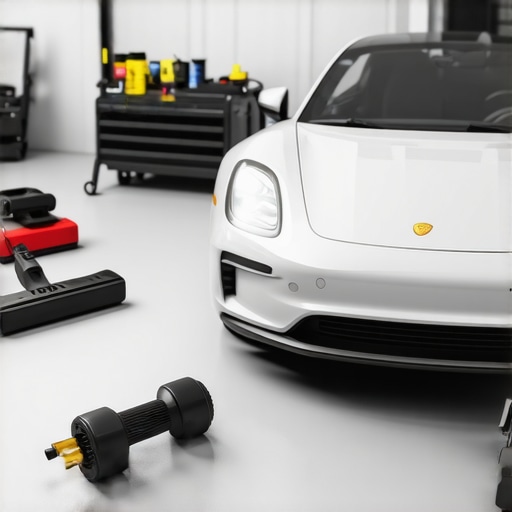
Ever stood in your driveway, frustration blending with the morning sun, and wondered why your car never looks as shiny and spotless as it does after a professional detail? I’ve been there myself—scrubbing, waxing, trying every hack I could find, only to end up with streaks, muddy spots, and that nagging feeling that I was wasting my time and money. That lightbulb moment hit when I realized: why not learn the insider tricks that pros use, right in my driveway?
Transform Your Car’s Shine Without Breaking the Bank
Getting a dealership-level detail at home isn’t just about saving a few bucks; it’s about regaining pride in your ride and understanding what your car truly needs. The truth is, with the right techniques and a little patience, you can achieve a finish that turns heads without scheduled trips to the shop.
Have you ever been disappointed after a professional detailing, wondering if your car could look just as good with some DIY effort? You’re not alone. Many car owners assume that only experts can get that deep, glossy shine or remove stubborn water spots and minor scratches. But over the years, I’ve learned that achieving professional results at home is entirely possible—if you avoid some common pitfalls.
Think it’s too complicated or time-consuming? Trust me, I used to think the same thing. I made a bunch of rookie mistakes early on—like using the wrong wax for my paint or skipping the clay bar step—and wondered why my efforts seemed futile. I found that understanding the basics makes all the difference. In fact, a study by the International Detailers Association highlights that proper prep work significantly improves finishing quality, even in DIY projects.
This journey started because I simply wanted my car to look better—more than just a quick wash—without shelling out hundreds for a professional job. So, I committed to learning the tricks of the trade.
In the following sections, I’ll share practical tips on how you can elevate your at-home detailing game, from selecting the right products to mastering techniques that cut your work in half and boost results. Ready to turn your driveway into your very own car spa? Let’s dive into the secrets that make all the difference.
Prepping Your Car Before the Shine
Start by rinsing your vehicle thoroughly with a hose to remove loose dirt and debris. Use a high-pressure stream to loosen grime without scratching paint, similar to rinsing dirt off a car’s surface before applying soap. After rinsing, park your car in a shaded area to prevent water spots and make cleaning easier. Fill a two-bucket system—one with soapy water and one with clean rinse water—to keep dirt away from your clean mitt. Dip your microfiber mitt into the soapy side first, then wash one section at a time in straight lines to avoid swirling marks.
Using Clay Bars for Ultimate Smoothness
Claying is crucial for removing embedded contaminants that regular washing can’t touch. I remember a time I attempted to skip this step and was disappointed with the dull finish afterward. To clay your car, first lubricate the panel with a clay lubricant or a mix of quick detailer and water. Gently glide the clay bar across the surface with light pressure, turning the clay frequently so it remains lubricated. Feel for rough spots—these indicate contaminants. When finished, your paint will feel silky smooth, setting the stage for polishing and wax application.  when and why to schedule maintenance.
Another frequent misconception involves the necessity of frequent tune-ups. Many believe more is better, but properly timed tune-ups actually optimize your vehicle’s lifespan and performance without unnecessary replacements. Falling into the trap of over-servicing can lead to wasted expenditure and needless wear on components.
One overlooked nuance is in brake service. The myth that simply replacing brake pads is sufficient ignores the importance of inspecting and replacing brake fluid and rotors when needed. Neglecting this can result in decreased braking performance or even dangerous failures. For common misconceptions, visit brake service myths.
Are New Parts Always Better Than Rebuilt or Used Components?
This question might seem simple, but the answer is layered. Rebuilt or high-quality used parts can offer substantial savings without sacrificing durability, especially in cases like alternators or starters. However, reliance on low-quality used parts or unverified rebuilds can backfire, leading to repeated repairs or breakdowns. The key is understanding auto repair trends and quality standards, ensuring you’re making informed choices.
Additionally, a common mistake is ignoring routine inspections and preventative maintenance, believing it’s unnecessary until a problem occurs. Regular checkups—akin to what you do for your car’s oil or filters—are the backbone of avoiding costly repairs and maintaining safety. You can explore how staying ahead of auto repair trends helps maximize vehicle performance.
Keeping these nuances in mind will elevate your understanding, helping you to make smarter decisions and avoid pitfalls that most car owners overlook. Remember, proactive maintenance and informed choices are the best ways to keep your vehicle running smoothly for years to come. Have you ever fallen into this trap? Let me know in the comments!
Essential Tools for Maintaining Your Vehicle Over Time
To truly keep your car in top shape, investing in quality tools is a must. I personally swear by a digital multimeter for electrical diagnostics, as it allows me to quickly test batteries, alternators, and fuses without risking damage or misreading. A reliable torque wrench ensures that bolts, especially on critical components like wheels and suspension, are tightened correctly, preventing future issues. Additionally, a good set of microfiber towels and foam applicators helps in applying wax and cleaning surfaces without scratching, maintaining your vehicle’s paint and interior integrity.
For more advanced diagnostics, aOBD-II scanner like the BlueDriver Bluetooth Scanner has revolutionized my routine. It connects to my smartphone, providing real-time data and diagnostic trouble codes, saving trips to the mechanic for minor issues. This tool allows me to monitor sensor performance, check engine codes, and even reset maintenance lights—saving both time and money.
Routine Maintenance to Ensure Long-Term Performance
Regular maintenance is the backbone of a vehicle that performs reliably year after year. Scheduling oil changes, tire rotations, and brake inspections as recommended in your owner’s manual extends your car’s lifespan. A dedicated routine I’ve adopted involves inspecting brake fluid every six months, following advice from auto repair experts. Using a service like this ensures your braking system remains responsive and safe.
Monitoring fluid levels and replacing filters proactively prevents costly repairs. My tip is to keep a maintenance log—it’s surprising how quickly minor issues can snowball into major repairs if ignored. Think of it as an early warning system that helps you stay ahead of potential breakdowns.
Anticipating Future Trends in Car Maintenance
The automotive world is shifting towards smarter, more integrated maintenance solutions. Electric vehicles and hybrid systems demand specialized tools and knowledge, a trend shaping how we approach upkeep. I predict that diagnostic devices will become even more intuitive, possibly leveraging machine learning to predict failures before they happen. This means that staying informed with the latest tools and techniques, such as real-time data analysis, will give proactive owners an edge.
How do I maintain my vehicle’s performance over time?
Developing a systematic approach—combining high-quality diagnostic tools, scheduled preventative maintenance, and staying informed about emerging technologies—keeps your car reliable. For instance, regularly checking your tire alignment using a simple string method can prevent uneven wear, saving you money on replacements. Think about integrating digital solutions; for example, using a smartphone app to log maintenance tasks and set reminders can keep you on track.
Remember, expert advice matters. I often refer to comprehensive guides like this resource to make informed decisions about maintenance schedules. And don’t underestimate the power of a good quality diagnostic scanner—it’s an investment that pays for itself over time.
Ready to take your car maintenance to the next level? Try calibrating your tire pressure and alignment using a simple string method this weekend. It’s an easy, effective step that can improve fuel efficiency and prolong tire life.
Lessons That Shook My Confidence Behind the Wheel
One of the most eye-opening lessons I learned was the importance of regular fluid checks. Skipping this simple step almost cost me a costly transmission rebuild because I ignored the subtle signs of declining fluid quality. Once I started monitoring and maintaining proper fluid levels, my car’s performance improved dramatically, reaffirming that proactive maintenance is cost-effective and boosts reliability.
Another revelation came from understanding that not all parts are created equal—rebuilt, used, or aftermarket components can be dependable if chosen wisely. My mistake was assuming new always meant better, but with proper research, I found trustworthy sources that save money without sacrificing quality. This insight taught me to be smarter and more confident in my repair decisions.
Lastly, I discovered that patience and attention to detail are crucial when it comes to DIY car detailing. Rushing through steps like clay barring or polishing often led to less-than-stellar results or damage. By following expert advice diligently, I transitioned from a novice to someone capable of achieving professional-like shine and protection—saving time and money while boosting my pride in my vehicle.
Tools and Resources That Transformed My Maintenance Routine
I rely heavily on tools that have empowered me to diagnose and fix issues with confidence. The BlueDriver Bluetooth Scanner is my go-to for quick diagnostics; it connects seamlessly to my smartphone and provides real-time data, preventing unnecessary trips to the mechanic. For precision, I trust my digital torque wrench, ensuring bolted parts are correctly tightened—crucial for safety. When it’s time to wax or clean, my microfiber towels and foam applicators help me avoid scratches and achieve a flawless finish. Each of these tools has elevated my maintenance game, making DIY more satisfying and effective.
For learning, I turn to this comprehensive guide. It provides detailed checklists and tips that demystify car care, saving me from common pitfalls. And if I want to stay ahead, I frequently review auto repair trends to understand emerging technologies and best practices. Staying informed allows me to make confident, responsible choices for my vehicle’s longevity.
Take Action and Drive Your Confidence Forward
The journey to a well-maintained vehicle is ongoing, but every effort counts. By embracing insider tips, leveraging trusted tools, and committing to regular checks, you’ll find yourself more empowered on the road. Remember, your car reflects your attention and care—investing in its maintenance today ensures smooth rides tomorrow. Ready to get hands-on and make a real difference? Start simple: check your tire pressure or inspect your oil this weekend. You’ve got this!