

Ever been stranded on the side of the road, and suddenly your car refuses to start? That frustrating moment when you turn the key, and all you get is silence—no cough, no crank, just an unsettling silence? A few years ago, I faced this exact situation. My car was running fine one moment, then the next, it was dead as a doornail. It took me hours of diagnostics before I finally pinpointed the culprit: my ignition coils were on their last legs.
How I Realized my Ignition Coils Were Failing
At first, I thought it was a dead battery or a starter issue. But after some research and a visit to my trusted mechanic, I learned that faulty ignition coils can cause a range of symptoms that are often mistaken for other problems. The tricky part is, these signs can be subtle—like rough idling, misfires, or a loss of power—and they tend to sneak up gradually. If ignored, they can leave you stranded or even cause engine damage.
The good news? Recognizing the early signs of ignition coil failure can save you time, money, and an embarrassing roadside breakdown. Today, I’ll share how you can spot these warning signs early on, so you’re not caught off guard like I was. Plus, I’ll guide you through what to do next to keep your engine running smoothly and reliably.
The Stakes Are Higher Than You Think
Failing ignition coils don’t just cause poor performance—they can also lead to increased emissions, lower fuel efficiency, and in severe cases, engine damage. According to automotive experts, ignoring coil problems can result in costly repairs down the line. So, catching these signs early is not just about convenience; it’s about protecting your investment and ensuring your safety on the road. If you’ve ever faced rough starts or misfires and wondered what might be going wrong, you’re not alone. Many drivers overlook these early signals, only realizing the problem when it’s too late. But you don’t have to be one of them.
If you’re asking yourself, ‘Could my ignition coils be the culprit?’ then read on. We’ll explore the common warning signs, some myths about coil failure, and practical steps you can take to prevent the next emergency. And if you want to stay ahead of potential auto issues, check out [this comprehensive car maintenance guide](https://glassfixauto.com/the-ultimate-car-service-guide-when-and-why-to-schedule-maintenance) for tips on keeping your vehicle in top shape.
Is Ignition Coil Failure Really That Common?
Absolutely. According to studies, ignition coil problems account for around 18% of engine misfires in vehicles over five years old. Early on, I made the mistake of ignoring minor roughness and delay in acceleration, thinking they were just normal wear and tear. That was a costly mistake. Recognizing the symptoms early can prevent serious damage and save you a lot of money in repairs.
Have you experienced these issues with your vehicle? If so, don’t ignore them. Stay tuned to learn how to test your ignition coils at home, and know what signs to watch for before things get worse.
Locating and Inspecting the Ignition Coils
Start by opening your vehicle’s hood and finding the ignition coils, typically situated on top of the engine, connected directly to the spark plugs. My first attempt involved a messy situation where I had to remove other components to get a clear view. Carefully disconnect the coil wiring harnesses by pressing the tab and pulling gently. Visually examine the coils for cracks, burns, or corrosion—these are clear signs of failure. Replace any damaged coils to prevent misfires and rough idling.
Testing Ignition Coils with a Multimeter
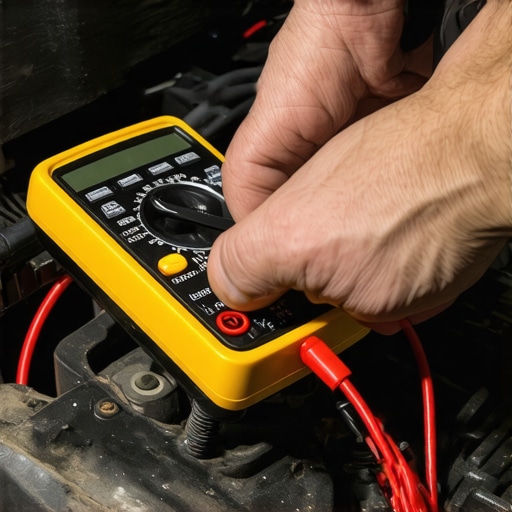
Use a digital multimeter set to ohms to check the resistance of each coil. Place the probes on the coil’s terminals—usually marked as positive (+) and negative (-). Consult your vehicle’s manual for the correct resistance values; deviations can indicate a faulty coil. In my experience, a coil reading significantly outside the specified range meant a clear replacement. Be precise, and always ensure your multimeter’s probes make good contact.
Performing the Resistance Test at Home
Grip the multimeter probes firmly on the coil terminals and observe the reading. If resistance is too high or too low, replace the coil. This simple test mimics what professional mechanics do but allows you to identify trouble without cutting corners. After replacing a coil, test the engine run condition to confirm improvement.
Using an Inline Spark Tester for Quick Checks
Connect an inline spark tester between the ignition wire and the spark plug. Crank the engine and watch for bright, consistent sparks—faint or inconsistent sparks indicate coil issues. During my own check, I noticed a weak spark, which prompted me to swap out the suspected coil. This method is fast and effective, especially when diagnosing multiple cylinders.
Replacing Faulty Ignition Coils
Once you’ve identified a faulty coil, proceed with replacement. Remove the bolt securing the coil using a socket wrench, then disconnect the wiring harness. Insert the new coil, connect the wiring, and tighten the bolt securely. I learned that applying dielectric grease to the new coil’s boot prevents moisture ingress, extending its lifespan. After installation, reconnect the battery and start the engine to verify smooth operation.
Standard Maintenance to Prevent Coil Failures
Regularly inspect your ignition system by following a comprehensive car service checklist. Keeping spark plugs clean and properly gapped reduces stress on coils. Additionally, scheduling periodic tune-ups ensures the ignition system receives proactive care, preventing unexpected breakdowns. For more expert strategies, consider reading how tune-ups boost vehicle health.
Recognize Signs of Pending Ignition Trouble
Apart from testing, stay alert for symptoms like engine misfires, rough idling, or difficulty starting—these can signal coil issues early. Addressing these symptoms promptly can save you big repairs down the line. If you’re unsure how to proceed, professional diagnostics can be invaluable—click here to contact us for expert assistance.
Why Believing More Isn’t Always Better When It Comes to Auto Repair
Many drivers assume that more frequent maintenance, like constant oil changes or unnecessary parts replacements, naturally leads to a longer vehicle lifespan. However, this isn’t always the case. Over-maintaining can sometimes do more harm than good, causing premature wear or unnecessary expenses. For example, switching to high-end oils without a real need can be just a waste, while neglecting critical components can lead to costly breakdowns. The key lies in following manufacturer guidelines, not popular myths.
Myth: You should replace your brake pads at the first sign of wear regardless of driving habits.
Reality: Many believe that anytime brake pads show some wear, they need immediate replacement. But, in reality, pads have a wear indicator and often can last tens of thousands of miles if you drive responsibly. Over-replacing can lead to unnecessary expenses, but neglecting them can compromise safety. Regularly inspecting brake components with trusted advice ensures you’re making informed decisions. For accurate info, check out this guide on brake service myths.
Beware of the Oops Trap: When Routine Becomes a Reckless Rush
One common mistake drivers make is rushing through routine maintenance, thinking it’s a mere formality. Skipping essential steps like inspecting belts, hoses, or fluid levels can lead to surprise failures later. For instance, neglecting to check your transmission fluid might seem minor, but it can cause harsh shifting or even transmission damage. A proactive approach—regularly consulting a thorough service checklist—can help you avoid these pitfalls. Overlooking small issues often snowballs into big repairs, so don’t skip the details.
Why Cutting Corners on Auto Repairs Can Cost More Than You Expect
Opting for cheap, quick fixes from unqualified repair shops or DIY hacks can backfire spectacularly. For example, using generic brake pads without proper bedding-in or neglecting to replace worn-out rotors can cause uneven wear, vibrations, or even accidents. Professionals emphasize the importance of using genuine parts and expert diagnostics. According to auto repair trends for 2025, investing in proper repair methods ensures your vehicle’s safety and longevity. Want to learn how to spot a shady repair shop? Visit this troubleshooting guide before your next service.
Enhanced Performance Starts with Expert Tune-Ups
While many think of tune-ups as outdated or unnecessary, advanced car technology today actually makes regular tune-ups essential. Modern engines are sensitive to small malfunctions, making proper calibration vital for peak performance and safety. Regular tune-ups tailored to your vehicle’s needs can improve fuel efficiency, prolong engine life, and prevent breakdowns. Learn more about maximizing your car’s lifespan through expert tune-up strategies.
Are you making these common mistakes or falling for popular myths? Let me know in the comments! Remember, understanding the nuances of auto maintenance helps you save money and stay safe on the road.
,
Tools I Recommend for Reliable Vehicle Maintenance
Maintaining a car effectively requires the right equipment. I personally swear by a high-quality digital multimeter; it allows me to perform quick electrical tests on components like ignition coils and sensors without relying solely on guesswork. For instance, when checking resistance values, a multimeter accurate to ±1% ensures I catch subtle deviations that might indicate impending failure. Additionally, a professional-grade code reader is invaluable for scanning and clearing error codes. Unlike generic scanners, a Bluetooth-enabled code reader paired with my smartphone helps me diagnose issues on-the-go, saving trips to the mechanic.
Beyond electronic tools, I use a torque wrench for precise tightening of critical components such as spark plugs and wheel lug nuts—over-tightening can damage threads, while under-tightening compromises safety. An infrared thermometer also plays a role; I quickly verify engine temperature or check for uneven cooling in radiators, which could signal blockages or other issues.
The Power of Software and Diagnostic Apps
In the digital age, software tools complement physical equipment. I utilize diagnostic apps that connect via OBD-II adapters—these apps display real-time sensor data, engine load, and fuel trims. This comprehensive view helps me monitor my engine’s health continuously and catch anomalies early. For example, noticing fluctuating oxygen sensor readings over days prompted me to inspect my exhaust system proactively, preventing costly repairs.
Developing Long-Term Maintenance Habits
Effective maintenance isn’t just about owning the right tools; it’s about integrating regular checks into your routine. Scheduling periodic tune-ups, such as what I detail in this guide, ensures components like spark plugs, filters, and fluids stay in optimal condition. I recommend setting reminders every 6,000 miles for critical services—think of it as a health check-up for your vehicle.
Furthermore, keeping detailed records of maintenance activities helps identify patterns, such as coil wear or brake pad thinning, which aids in budgeting for replacements and planning preventive care. Modern car models even come with apps and onboard diagnostics that alert you when service intervals are due—make sure to utilize these features fully.
Anticipating Future Needs of Car Maintenance
Looking ahead, the trend is moving toward smarter maintenance solutions. Predictive diagnostics, powered by machine learning, are on the horizon, offering early warnings before issues become critical. This approach, akin to how air filters are now monitored with sensors, will revolutionize auto care, reducing downtime and repair costs.
How do I keep my vehicle’s systems in top shape over time?
Adopting a proactive maintenance plan, using precise tools, and leveraging diagnostic software are key. For instance, routinely testing ignition coils with a multimeter and confirming results with an inline spark tester helps catch problems early. Incorporating these practices into your routine not only extends your car’s lifespan but also saves you money in the long run. For more detailed strategies, check out this expert guide. Ready to dive deeper? Try calibrating your multimeter now and note any resistance deviations—early detection is your best defense.
Lessons I Didn’t See Coming from Ignition Coil Failures
- One of my biggest surprises was realizing how subtle symptoms like rough idling can be early warnings—don’t dismiss small issues; they often indicate deeper problems.
- Overestimating the complexity of testing coils at home taught me that with the right tools and a little research, DIY diagnostics are more accessible than I thought.
- Experience showed me that installing replacement coils isn’t just about matching part numbers—proper cleaning and applying dielectric grease really extend their lifespan.
Tools and Resources That Changed My Approach to Auto Maintenance
- The digital multimeter became my trusted companion, offering precise resistance readings that caught issues before they caused breakdowns.
- A Bluetooth-enabled OBD-II scanner opened my eyes to real-time engine data, turning my phone into a powerful diagnostic tool.
- To stay ahead, I rely on trusted websites like the ultimate car service guide and the comprehensive maintenance checklist for proactive planning.
- Reading through expert advice in trusted blogs helped me differentiate between necessary repairs and unnecessary expenses, saving time and money.
Your Next Move for Reliable Car Performance
Don’t wait for a breakdown to realize the importance of proper auto maintenance. With the right knowledge, tools, and habits, you can keep your vehicle running smoothly for years to come. Embrace proactive care, stay curious about your car’s signals, and remember—regular tune-ups are investments in your safety and wallet. Curious about how to start? Begin by performing simple checks at home, like resistance testing on your ignition coils, and schedule professional inspections before small issues snowball into costly repairs. What’s the first step you’ll take today to improve your car’s health? Let me know below.