
There was a moment a few weeks ago when I rolled into my driveway, pressed the brake pedal, and felt that unsettling soft sponginess. I immediately checked the brake fluid reservoir, only to find it mysteriously lower than before—with no visible leaks anywhere. That lightbulb moment hit me hard: why would my brake fluid level drop without any sign of a leak? It’s a question many car owners have pondered, and truth be told, it’s more common than you might think. This experience prompted me to dig deeper, because ignoring such a shift can jeopardize your safety and costly repairs.
Deciphering the Mystery of Vanishing Brake Fluid
Is Your Brake Fluid Actually Disappearing or Is Something Else Going On?
Many folks assume that a low brake fluid level must mean a leak or a catastrophic failure. But sometimes, the fluid drops due to internal issues like worn brake seals, overheating, or even moisture absorption inside the system. Early on, I made the costly mistake of ignoring subtle signs, assuming a leak was the only culprit. After some research and talking with trusted mechanics, I realized that brake fluid can also be consumed by the system internally, without leaving a visible trail. For a comprehensive understanding of brake system repairs, I recommend reading this detailed guide.
But how do you tell the difference? That’s what I intend to help you figure out today. Sometimes, a simple check isn’t enough, and testing the brake fluid color or pressure can reveal issues lurking inside your vehicle’s braking systems. If you’ve noticed your brake fluid level dropping but haven’t seen an external leak, don’t dismiss it as a coincidence. It’s a sign to investigate further before it escalates into a safety hazard.
To complicate matters, absorbing moisture from the air over time—something that happens even in sealed systems if seals are compromised—can lead to a lower reading. Plus, driving in extreme heat or heavy braking can create internal friction and wear that accelerates fluid consumption. If you’re concerned about this ongoing problem, check out tips on regular tune-ups that can prevent such issues.
So, what’s next? Will you find a leak somewhere, or is your brake system silently consuming fluid? Regardless, understanding why this happens is key to keeping your brakes responsive and safe. Let’s explore how to diagnose whether internal issues are at play and what steps you should take to address them.
Check Your Brake Fluid Level Regularly
Start with a visual inspection. Park your car on level ground, open the hood, and locate the brake fluid reservoir. If it’s lower than the ‘Full’ line, note that down. I learned this the hard way when I ignored minor drops, only to find my brake pedal feeling spongy later. Regularly monitoring levels prevents surprises and keeps you aware of internal system changes.
Perform a Visual Inspection for Leaks and Damage
Inspect Brake Lines and Components
Look for wet spots, cracks, or corrosion along brake lines, calipers, and wheel hubs. Think of this like checking for cracks in a pipeline—any breach can cause fluid loss. I once spotted a tiny crack near my rear wheel, which could have caused a leak if left ignored. Fixing these early avoids expensive repairs and maintains brake responsiveness.
Check for Unusual Stains or Drips
On the ground beneath your vehicle, look for puddles or stains matching the brake fluid’s color—typically light brown or clear. Stick your hand near the braking components; if you feel wetness, that indicates a leak. During my own inspection, I found a small drip from a corroded fitting, which I tightened immediately, preventing further loss.
Test Brake Pressure and Response
Inside your cabin, press the brake pedal firmly. It should feel firm and responsive. If it sinks gradually or feels soft, internal issues might be at play. I once experienced a soft pedal after a long drive, which was traced back to overheating brakes that caused internal seal wear. Testing pressure helps identify whether fluid is disappearing internally or externally.
Assess the Color and Condition of Your Brake Fluid
Use a clean container to extract a small amount of fluid from the reservoir. Fresh brake fluid is usually clear or slightly translucent. If your fluid appears dark or contaminated, it’s time for a flush. After noticing my fluid turned dark, I scheduled a service that included a complete system flush, restoring brake performance and safety.
Prioritize Internal System Inspection if No External Leak Evident
If visual checks reveal no leaks but the fluid level continues to drop, internal issues are likely. Internal leaks, like worn seals within master cylinders or calipers, can be subtle but dangerous. In my case, a mechanic confirmed seal wear inside the calipers was causing slow fluid loss. Replacing these seals prevents further internal consumption and maintains brake efficacy.
Schedule Professional Brake System Diagnostics
When doubts persist, professional diagnostics are essential. Modern vehicles use ABS and electronic systems that require specialized tools. Visiting a mechanic equipped with this technology ensures accurate detection of internal leaks, moisture contamination, or other issues. I once used a service that employed computer diagnostics, which pinpointed a failing ABS module affecting brake fluid circulation.
Prevent Future Fluid Loss with Proper Maintenance
Implement a routine schedule for brake fluid replacement—typically every 2-3 years—and have your brake system inspected during regular tune-ups. Regular care, as highlighted in this guide, extends your vehicle’s lifespan. During one of my early tune-ups, a mechanic caught early signs of seal degradation, avoiding a costly overhaul.
Most car owners, including seasoned enthusiasts, often cling to surface-level beliefs about vehicle upkeep. A common misconception is that routine maintenance is solely about ticking boxes—like changing oil or replacing filters—when, in reality, the nuances and less obvious steps determine your car’s long-term health. For instance, one prevalent myth suggests that pulling a regular oil change interval is always sufficient, but recent studies, such as those highlighted by this expert guide, emphasize that inspecting the entire lubrication and fuel systems can uncover issues before they escalate, saving money and ensuring safety.
Another trap many fall into involves ignoring subtle signs of brake system deterioration. People often believe that squealing is just normal wear, yet, in my experience, this sound could signify creeping issues like warped rotors or contaminated pads, which need prompt attention. The danger? Leading to catastrophic failures if ignored longer. Overconfidence in visual inspections without understanding internal component wear can be a costly mistake.
For advanced vehicle owners, it’s important to question whether all maintenance practices are created equal. For example, a common myth suggests that brake pads, once seemingly thick, will always suffice. Yet, the real hidden nuance is that pad quality and the underlying rotor condition are equally critical; a high-quality pad paired with a warped rotor can lead to uneven wear and reduced braking efficiency.
Curious about what most overlook in tune-up procedures? The truth is, many focus narrowly on spark plug replacement and neglect ancillary systems like the fuel injectors and ignition coils, which play vital roles in engine performance. A comprehensive tune-up, as detailed in this resource, isn’t just a quick fix but a strategic process that maximizes your vehicle’s lifespan.
One advanced mistake that can trip even experienced owners involves neglecting diagnostic checks for underlying issues. Modern cars are equipped with sensors and electronic systems that can hide problems until they trigger warning lights or cause significant damage. Modern diagnostics can predict failures—like failing ABS modules or sensors—that we might not catch during standard inspections. Skipping these diagnostics, as I once did, led to a costly repair when a hidden malfunction caused uneven braking.
Have you ever fallen into this trap? Let me know in the comments! Remember, understanding the intricacies behind car service can make all the difference in keeping your vehicle safe and reliable for years to come. Stay engaged, stay informed, and don’t hesitate to dig deeper into your car’s needs by consulting trusted guides like this in-depth brake system guide.
Keep Your Car Running Like New with the Right Tools
Maintaining a vehicle over time requires more than just basic knowledge; it demands high-quality tools and systematic methods that ensure longevity and safety. As someone who’s been deep into auto repair for years, I can confidently recommend specific equipment that makes routine checks and repairs both effective and efficient.
High-Precision Digital Clamp Meter
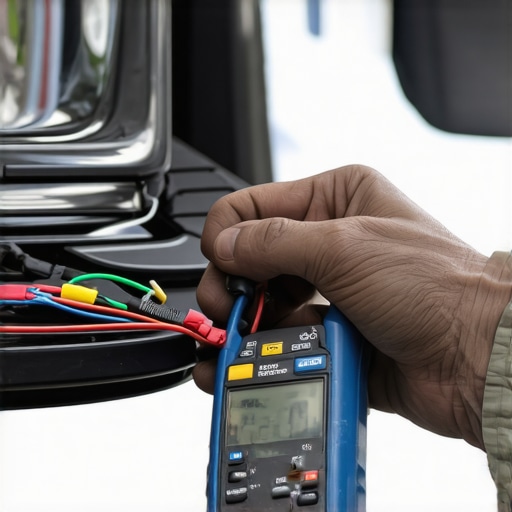
This device is invaluable for diagnosing electrical issues, especially when check engine lights flicker mysteriously. I personally use a Fluke 87V, appreciated for its accuracy and durability, which helps me trace wiring faults or sensor inconsistencies without guesswork. It ensures that I don’t overlook minor electrical glitches that could escalate if ignored.
OBD-II Scanner with Live Data Capabilities
Modern vehicles communicate extensively via onboard diagnostics. I prefer the Autel MaxiCOM MK808 because it provides real-time data streams, allowing me to monitor engine parameters during test drives. This proactive approach helps catch potential problems early, aligning with the trend toward predictive maintenance, which is poised to dominate auto care in the coming years.
Brake Fluid Test Strips
Keeping your brakes reliable is crucial. Instead of just visual checks, I recommend using chemical test strips—such as those from Monroe—that quickly assess brake fluid quality. Testing periodically ensures internal fluid quality, preventing issues like moisture contamination, which can be hard to detect but dangerous to your braking performance.
Strategies for Long-Term Success
The key to effective maintenance lies in consistency and using data-driven insights. Regularly scheduled tune-ups, informed by diagnostic tools, significantly extend a vehicle’s lifespan. For example, scheduling a comprehensive tune-up as recommended in this guide can boost fuel efficiency and safety, saving money over time.
Embracing Technology for Better Durability
Looking ahead, advancements like predictive analytics and machine learning are transforming auto maintenance. Future tools will analyze your vehicle’s health continuously, alerting you to issues before they become critical. Staying ahead of these trends means investing in both modern diagnostic devices and continuous learning about vehicle systems.
How do I maintain my car tools over time?
Proper storage and calibration are essential. Keep electronic devices in dry, temperature-controlled environments, and perform regular calibrations according to each manufacturer’s instructions. Additionally, inspecting and replacing worn test leads or sensors ensures accuracy. Over time, these small steps prevent costly misdiagnoses and prolong the life of your equipment. For an in-depth look at maintenance routines, visit this comprehensive checklist.
To give your vehicle the attention it deserves, I recommend trying a targeted diagnostic test like the brake fluid quality check. It’s simple, effective, and can prevent future brake failures. Equip yourself with the right tools, keep them maintained, and you’ll not only save money but also ensure your safety on the road. Remember, smart maintenance today leads to reliable rides tomorrow.
What I Wish I Knew About Brake Fluid Before It Became a Problem
One of the most eye-opening lessons I learned is that not all brake fluid issues are visible or straightforward. Sometimes, internal seal wear or moisture absorption stealthily degrade your braking system’s performance. Recognizing these subtle signs early—like a dropping fluid level without leaks—can save you from dangerous situations and costly repairs. Trust me, being proactive rather than reactive makes all the difference in keeping your brakes responsive and safe.
Tools and Resources That Changed My Approach to Maintenance
Having the right diagnostic tools elevates your understanding of vehicle health. I rely on a high-precision digital clamp meter and an advanced OBD-II scanner to decode complex issues. These devices empower me to detect moisture contamination, internal failures, and system irregularities early. Coupling this tech with trusted resources like regular tune-up guides has transformed my approach from guesswork to precision.
Believe in Consistency—Your Car’s Best Friend
Routine inspections and scheduled maintenance aren’t just chores; they’re investments in safety and longevity. Regularly checking brake fluid color, pressure, and system health helps catch issues before they escalate. I’ve seen firsthand how adherence to a maintenance routine—guided by expert advice—can prevent emergencies and extend the life of critical components. Remember, the key is in the details, not just the schedule.
Challenge Yourself: What’s Your Next Step?
Now that you understand the nuanced world of brake fluid and internal system health, it’s time to take action. Whether it’s getting a professional diagnosis or performing a routine check, every step fortifies your vehicle’s safety. My advice? Embrace the full picture—look beyond the surface, use quality tools, and stay proactive. Your car will thank you, and so will everyone on the road with you.
What’s the most surprising thing you’ve learned about your vehicle’s maintenance? Share below—I’d love to hear your experiences!