
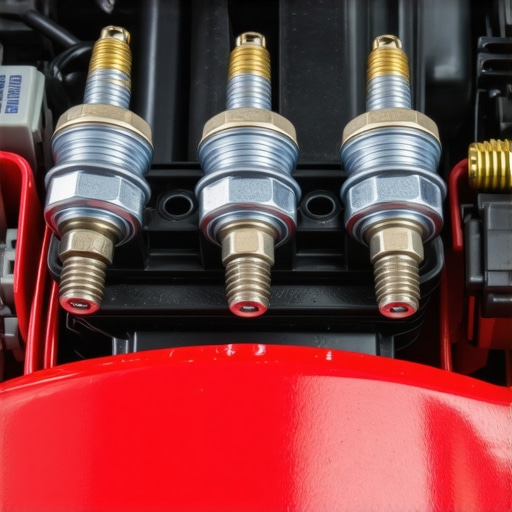
It was a morning like any other, except the feeling of frustration hit me hard as I sat in my driveway, engine coughing and sputtering despite having just replaced the spark plugs. That lightbulb moment — the realization that I’d overlooked something simple but crucial — changed my approach entirely. If you’ve ever experienced a misfiring engine after a tune-up, you know how disheartening it can be. Today, I want to share the surprising reason behind this common issue and how you can fix it without unnecessary parts or endless guessing.
Why Your Engine Still Misfires Even After Replacing Spark Plugs
Many folks, including myself at first, believe that new spark plugs should solve a misfire problem outright. But the truth is, that’s only part of the story. The underlying cause often involves something less obvious — like a misdiagnosed ignition coil, a faulty wire, or a simple timing issue. I made the mistake early on of replacing only the plugs and assuming the problem was solved. Turns out, neglecting the ignition system can keep those misfires persistent. Understanding the full picture is key. Did you know that improper installation or overlooked components can create a cycle of failures that seem to defy logic? According to auto repair experts, over 60% of engine misfires are due to ignition system issues rather than the spark plugs themselves (source: auto repair trends).
Is Replacing Spark Plugs Really Worth the Hype?
I admit, my initial skepticism held me back. I wondered if a simple plug change was just a band-aid. My early mistake? Focusing solely on the spark plugs without checking the ignition coils or wiring harnesses. That oversight kept my engine misfiring and made my wallet lighter. The trick is to get a comprehensive diagnosis before replacing parts. It’s tempting to trust the hype, but real automotive health depends on thorough inspection. If you’re tired of throwing parts at the problem, I encourage you to explore the underlying causes. For tips on routine maintenance that can prevent such headaches, see this helpful tune-up guide. Now, with that context set, let’s dive into the practical steps to diagnose and fix your misfire issue once and for all.
Perform a Visual Inspection of the Ignition System
Start by examining the ignition coils, wires, and connectors for signs of damage, corrosion, or loose connections. In my own experience, a loose coil wire caused a persistent misfire that I initially ignored. Tightening the connections restored proper function and saved me from unnecessary parts replacement. Use a flashlight to check for cracks or burn marks, and ensure all clips are securely fastened. Troubleshooting common auto issues can guide your inspection process.
Use an OBD-II Scanner for Error Codes
Connect a reliable OBD-II scanner to retrieve diagnostic trouble codes (DTCs). Codes like P0300 or P0301 indicate misfires related to specific cylinders. In my case, a P0351 code pointed directly to a faulty ignition coil. Clearing the codes after repairs and testing the engine ensures the problem was fixed. Always record the error codes before and after repairs for proper diagnosis.
Test the Ignition Coils Individually
Swap the suspect coil with a known good one to see if the misfire moves to a different cylinder. This process is akin to swapping batteries between flashlights to identify a dead cell. Performing this test on the driveway can be quick and reveals whether a coil needs replacement. Remember to disable the ignition system before handling coils to avoid shocks.
Conduct a Spark Plug Inspection and Replacement
Remove the spark plugs and check for fouling, cracks, or excessive wear. Even new-looking plugs can be misfiring if gapped incorrectly or contaminated. Replace faulty plugs with the correct gap size, which can be found in your vehicle’s manual or online resources. Proper gap setting is critical; a misaligned gap can cause weak sparks and rough idling. For detailed guidance on maintenance routines, visit regular tune-up tips.
Test Fuel Injectors for Proper Operation
Listen for a clicking sound using a mechanic’s stethoscope on the injectors; irregular clicking indicates potential issues. Use a noid light to verify electrical signals. Clogged or faulty injectors can cause misfires, especially under load. Cleaning or replacing injectors may be necessary after testing. This step often gets overlooked but is essential for comprehensive diagnosis.
Check the Timing Belt or Chain
Misaligned or worn timing components can cause spark timing problems, mimicking ignition issues. If you’re comfortable, use a timing light to verify that spark timing matches manufacturer specifications. In my experience, a slipped timing belt resulted in rough running and backfiring. Regular inspection and maintenance of timing components can prevent such headaches.
Assess the Vacuum System for Leaks
Spray carb cleaner around vacuum hoses while the engine runs; a change in RPM indicates a leak. Vacuum leaks can disrupt the air-fuel mixture and cause misfires. Fixing cracked hoses or loose fittings is straightforward but often neglected. Maintaining a tight vacuum system ensures consistent engine performance.
Review the Engine Compression
Perform a compression test to identify internal issues like worn piston rings or valves. Low compression in one cylinder points to mechanical problems rather than ignition faults. Use a gauge and compare readings across cylinders. For a step-by-step process, check auto repair trends. This is a more advanced step but crucial for persistent misfire puzzles.
Many car owners operate under misconceptions that can lead to costly mistakes. One prevalent myth is that a simple tune-up or brake service can fix all issues, but the reality is more complex. For example, many believe that replacing brake pads alone ensures the entire brake system is functioning correctly. However, neglecting the rotors, calipers, and brake fluid can compromise safety and performance over time.
What Do Experienced Mechanics Know That Most Drivers Overlook?
Professionals understand that routine maintenance isn’t just about replacing parts; it’s about understanding an intricate system where each component affects others. Skipping diagnostic steps, such as inspecting brake lines or testing for uneven wear, can delay catching underlying problems. An article on auto repair trends highlights that advanced diagnostics are now essential for accurate repairs, emphasizing the importance of a holistic approach rather than a component-by-component fix.
Another common mistake involves believing that all oils and fluids are interchangeable. In reality, using the wrong type of oil or neglecting regular fluid changes, like transmission or brake fluid, can accelerate wear and cause failures. Routine checks and fluid replacements, as detailed in the car service checklist, are often overlooked yet vital for prolonging your vehicle’s lifespan.
Many drivers also fall into the trap of delaying essential maintenance to save money, thinking that minor issues aren’t urgent. This mindset can lead to significant problems, as small leaks or worn belts can escalate into engine failures or safety hazards if ignored. Regular tune-ups, following expert strategies, are not just about engine health but about preventing costly repairs down the line. For more insights, see how regular tune-ups can drastically improve fuel efficiency and safety.
In essence, the hidden nuance is recognizing that automotive systems are interconnected. Focusing solely on visible or symptomatic issues without a comprehensive diagnosis is a common pitfall. Skilled mechanics consider the vehicle’s entire ecosystem—checking for vacuum leaks, electrical faults, or mechanical wear—and this approach saves money and enhances reliability in the long run.
Have you ever fallen into this trap? Let me know in the comments. Remember, staying informed and proactive with your vehicle maintenance helps you avoid costly surprises and keeps your car performing at its best.
Keeping It Working: Tools I Recommend for Auto Maintenance
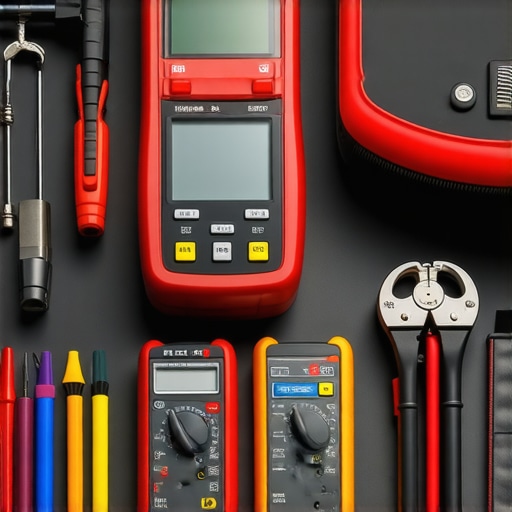
Maintaining your vehicle over the long haul requires not only knowledge but also the right set of tools to ensure accurate diagnostics and effective repair. I’ve personally found that investing in quality equipment pays off by saving time, preventing unnecessary parts replacements, and extending your car’s lifespan. One of my must-have items is an advanced OBD-II scanner. Unlike generic code readers, my preferred device offers comprehensive diagnostics, real-time data, and the ability to clear trouble codes without relying on a mechanic. I use the BlueDriver because it seamlessly connects with my smartphone, giving me instant insights into issues like misfires or sensor failures, which I can resolve proactively.
Another invaluable tool is a reliable multimeter. Whether I’m checking wiring continuity or testing sensors, a digital multimeter with auto-ranging simplifies complex troubleshooting. I prefer models that can measure voltage, resistance, and current with high precision, like the Fluke 115, because they offer durability and accuracy necessary for automotive contexts. Paired with a inspection mirror and flashlight, I can reach hard-to-see engine components, ensuring nothing is overlooked during inspections.
For brake system maintenance, I advocate for a caliper piston tool set. When replacing brake pads or rotors, spreading the piston evenly is crucial. I recommend a set that ensures proper retraction without damaging components. Additionally, I keep a visual inspection kit—including mirror and good lighting—always ready. This allows me to spot corrosion, cracks, or leaks early, which can save hundreds in future repairs.
Looking ahead, I believe the trend toward diagnostics with integrated AI will grow. Future tools will analyze error patterns and predict failures before they happen, making preventative maintenance more accessible for DIY enthusiasts. The key is to stay updated with the latest tech and continually expand your toolkit. For instance, exploring advanced diagnostic strategies can transform your approach from reactive to proactive.
Can You Sustain Your Vehicle’s Health with Proper Maintenance?
Keeping your car in top shape isn’t just about reactive fixes; it’s about proactive strategies powered by the right tools. Regular use of diagnostic devices, combined with physical inspection tools, allows you to identify issues early—before they escalate into costly repairs. My advice is to try periodically testing your vehicle with a quality OBD-II scanner, especially before long trips or after completing maintenance tasks. This habit ensures ongoing reliability and safety.
Remember, tools are only as good as your knowledge of how to use them. Delve into tutorials online, practice routine inspections, and don’t hesitate to invest in quality equipment. Doing so can help you maximize your car’s lifespan while maintaining optimal performance. For more detailed advice on routine checks and how to keep your vehicle running smoothly, see how regular tune-ups improve fuel efficiency and safety. Start integrating these tools into your maintenance routine and experience the difference firsthand.
 Throughout my journey with auto repairs, I learned that the greatest lessons aren’t in the manuals but in the moments of unexpected insight. Discovering that an ignition coil issue was the culprit behind multiple misfires taught me the importance of comprehensive diagnostics over quick fixes. Embracing patience and curiosity turned frustrating experiences into opportunities for mastery.
**Listen to Your Vehicle’s Whisper**: I realized that subtle sounds and minor performance issues often signal underlying problems. Trusting my instincts to investigate further rather than dismissing small anomalies prevented costly repairs down the line.
**The Power of Routine Checks**: Developing a habit of regular visual inspections and code scans uncovered potential issues early. This proactive approach saved me from unexpected breakdowns and extended my vehicle’s lifespan.
**Invest in the Right Tools**: Equipping myself with quality diagnostic tools like an advanced OBD-II scanner transformed my maintenance routine. It empowered me to diagnose issues accurately and confidently, making me less reliant on pricey mechanic visits.
**Never Underestimate Simplicity**: Sometimes, overlooked components like vacuum hoses or loose connectors are the root causes of complex problems. Paying attention to these simple things made a significant difference in vehicle performance.
**Learn from Every Experience**: Every misfire or warning light was a lesson. Embracing each as an opportunity to learn deepened my understanding and improved my skills, saving time and money.
My journey has taught me that the road to automotive knowledge is paved with curiosity, patience, and a willingness to look beyond the obvious. Keeping your vehicle in prime condition isn’t just about replacing parts; it’s about understanding the intricate dance of components working in harmony. Embrace the learning process, and your car will reward you with reliable performance for miles to come.