
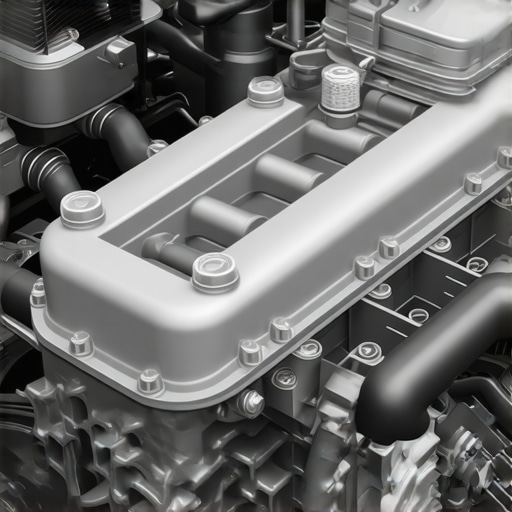
Ever felt that sting when you fill up your tank, only to notice your gas gauge dropping faster than usual? Maybe you’ve been scratching your head, wondering why your car seems to guzzle fuel despite not being driven any differently. That frustrating experience hit me hard a few months ago. I was confident my engine was in good shape—until I noticed my trips to the pump becoming more frequent. The lightbulb finally went off when I started noticing a faint smell of fuel and sluggish acceleration. That’s when I discovered the sneaky culprit: tiny vacuum leaks.
The Hidden Saboteur: Tiny Vacuum Leaks That Drastically Reduce Gas Mileage
Why Small Leaks Have a Big Impact and What You Can Do About It
You might assume that only major engine repairs or worn-out parts cause poor gas mileage. But in reality, tiny vacuum leaks—those microscopic cracks or disconnected hoses—can cause a significant drop in fuel efficiency. These leaks allow unmetered air into your engine, throwing off the air-fuel mixture. The result? Your engine compensates by burning more fuel, draining your tank faster and costing you more at the pump.
I remember early on ignoring the small hissing sounds coming from under the hood—big mistake. I thought, “It’s probably nothing.” But that oversight cost me hundreds of dollars in extra fuel and frustration. It’s a common mistake many owners make: dismissing minor sounds or visual cues as insignificant. Trust me, those tiny leaks are anything but insignificant.
According to research from the U.S. Department of Energy, maintaining proper engine seals and avoiding vacuum leaks can improve fuel economy by up to 15%. That’s a huge saving for such a small fix. Interestingly, many leaks are caused by aged rubber hoses or cracked vacuum lines, which can develop over years of heat and vibration. Addressing these issues early can not only boost your mileage but also prevent more serious engine problems down the line.
If you’re like me, you’ve probably experienced the anxiety of heading out on a road trip only to wonder if your fuel will last—or worse, coping with the unexpected costs of inefficient fuel consumption. Next, we’ll dive into how to identify those tiny leaks yourself and which repairs make the biggest difference. This isn’t about turning that wrench immediately; it’s about knowing what to look for before it turns into a costly visit to the mechanic.
,
Locate Vacuum Leaks with Simple Checks
Start by listening for hissing sounds under the hood, especially around the intake manifold and vacuum hoses. With the engine running, carefully inspect the rubber hoses for cracks or disconnections, paying close attention to aged, brittle areas. Lightly spray soapy water over suspected spots—if bubbles form, you’ve found your leak. I applied this method to my car last summer and was surprised how a tiny crack in a hose was costing me extra fuel. Replacing the faulty hose instantly improved my mileage and reduced engine hesitation.
Use a Smoke Test to Pinpoint Hidden Leaks
If visual checks don’t reveal the leak, consider a smoke machine test. This professional method involves sealing the intake system, then introducing smoke; escaping smoke indicates the leak’s location. While I didn’t have access to a smoke machine, my mechanic performed this check and quickly identified a tiny crack. Although it cost a bit upfront, fixing it saved me hours of guesswork and money on fuel. Many auto repair shops offer this service—it’s a reliable way to find elusive leaks and prevent further issues.
Seal and Repair Vacuum Lines Properly
Once you’ve identified leaks, replace cracked hoses or reseal disconnected connections. Use high-quality vacuum hose and clamps to ensure airtightness. For small cracks, flexible rubber repair patches or tubing repair kits can suffice—ensuring a tight fit prevents future leaks. During my repair, I used a simple rubber splice and secured it with a crimp clamp, which held up well and restored proper engine function. Remember, a well-sealed vacuum system maintains optimal air-fuel mixture, directly impacting fuel economy and engine performance. Regularly inspect these components as part of your preventive maintenance.
Schedule Professional Tune-Ups for Long-Term Benefits
While DIY fixes help, a comprehensive tune-up ensures all engine components, including vacuum systems, are functioning optimally. Professionals can perform thorough inspections, replace aged parts, and adjust settings for peak efficiency. These tune-ups can include replacing spark plugs, checking sensors, and cleaning valves, all of which contribute to better gas mileage. From my experience, scheduling a tune-up at least once a year has drastically reduced my trips to the pump. Learn more about how regular tune-ups can improve performance.
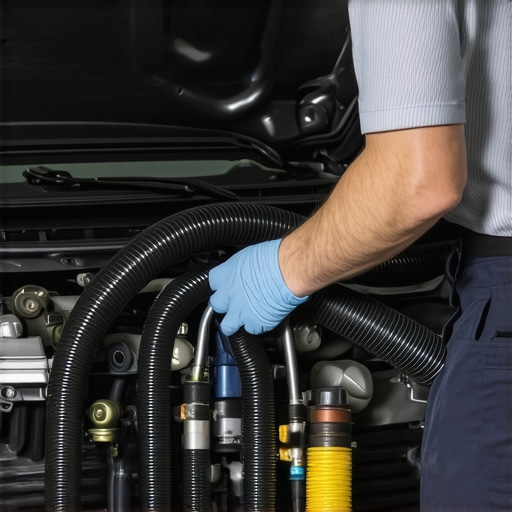 Many car owners believe that routine repair services are simply about replacing worn parts or ticking maintenance checklists, but there’s a deeper layer of misconceptions that can trip up even seasoned enthusiasts. One common myth is that more frequent oil changes always mean better engine health. In reality, using the manufacturer’s recommended interval, unless driven under severe conditions, often suffices and can save money—overchanging can sometimes strip vital protective oils. Another misconception is that brake pads are a one-and-done item; in truth, the quality of brake service and the correct brake pads matter significantly for longevity and safety. Rushing into replacements without proper inspection might lead to unnecessary costs or incomplete fixes. Think all tune-ups are equal? Not quite. A genuine professional tune-up involves analyzing compression, inspecting sensors, and addressing underlying issues rather than just replacing spark plugs or filters. Skipping these nuanced steps can mean short-term gains but long-term engine problems. Common pitfalls include neglecting to check for vacuum leaks during tune-ups — tiny leaks can severely affect fuel economy and emissions, and many drivers overlook this step. Misdiagnosing issues is another trap: for instance, a shuddering steering wheel might be mistaken for wheel imbalance when the real cause is worn-out suspension components, which requires a different approach. A savvy car owner should question widely accepted practices: does that ‘cheap fix’ truly solve the root problem or just mask symptoms temporarily? Always ask whether a repair is addressing the underlying cause, especially with complex systems like brakes or the suspension, to avoid costly repeat repairs. Regular, comprehensive inspections can prevent small issues from escalating into major repairs—don’t wait until warning lights or symptoms appear to seek professional advice. Myths about ‘lifetime’ fluids or parts are rampant; many believe they never need changing. Experts suggest otherwise, as even the best-quality fluids degrade over time, reducing efficiency and safety. For example, brake fluid absorbs moisture, which diminishes braking performance and can cause corrosion—regular flushes are essential. Additionally, advanced mistakes include assuming that DIY fixes always outperform professional services. While simple tasks like replacing air filters can be done at home, overconfidence can lead to overlooked problems if you’re not fully trained, especially with critical safety components such as brake systems or steering alignments. External studies, like those from the National Institute for Automotive Service Excellence, highlight the importance of proper diagnostics and repair techniques to extend vehicle lifespan and maintain safety standards. Remember, knowing the nuanced truths behind auto repair empowers you to make smarter decisions and spot potential issues early. Don’t fall for quick fixes or myths—your vehicle’s health depends on your understanding. Have you ever fallen into this trap? Let me know in the comments. For more insights on how to keep your car in top shape, check out our comprehensive car maintenance checklist.
Tackle Maintenance with Precision Using the Right Tools
Maintaining your vehicle’s performance isn’t just about following schedules; it’s about having the right equipment to perform effective diagnostics and repairs. I personally swear by a high-quality digital multimeter for checking sensor voltages and a reliable code scanner compatible with most OBD-II systems. These tools help me pinpoint issues quickly, saving time and unnecessary trips to the shop.
Beyond diagnostic gadgets, investing in a sturdy set of sockets, wrenches, and a versatile pry bar allows me to handle everything from changing brake pads to inspecting belts without complications. For brake service, I rely on a hydraulic brake caliper piston tool to get those pistons back in place after pad replacement—without risking damage.
Software and Equipment That Elevate Your DIY Repairs
Modern cars are increasingly tech-dependent, making software tools indispensable. I use a professional-grade scan tool like the Autel MaxiCOM, which provides detailed diagnostics and live data streams. It helps me monitor the health of sensors, ignition coils, and more—crucial for regular tune-ups and preemptive maintenance. Regularly updating the scanner’s firmware ensures compatibility with the latest vehicle models and features, preventing misdiagnoses.
In addition to electronic tools, I recommend an ultrasonic leak detector for pinpointing vacuum leaks, especially when visual inspections turn up empty. This device highlights tiny leaks that might be invisible to the naked eye, ensuring that no vacuum hose issue goes unnoticed, which is vital for maintaining optimal fuel efficiency.
Long-Term Results Through Routine Checks
Consistent maintenance with proper tools prolongs your vehicle’s lifespan and keeps costs predictable. Setting up a maintenance log—either digitally or on paper—helps track when components like filters, fluids, or belts were last serviced. Schedule professional tune-ups and use diagnostic tools periodically to catch minor issues before they escalate. This proactive approach minimizes breakdowns and ensures that your car consistently performs at its best.
Scaling Up Your Vehicle Care Game
For enthusiasts ready to take their skills further, integrating advanced diagnostics and customized repair kits is a game-changer. For example, adding a battery load tester and a coolant system pressure tester empowers you to evaluate critical systems accurately without visiting a mechanic. As vehicle technology evolves—particularly with the rise of hybrid and electric models—staying ahead involves investing in tools that adapt to these innovations.
Looking ahead, I foresee a trend toward integrated vehicle health management software, which can flag issues remotely and even suggest maintenance schedules tailored to your driving habits. Embracing these technological advances means not only preserving your car but also making more intelligent decisions about repairs and upgrades. Don’t hesitate to try out a diagnostic scan app compatible with your smartphone as a starting point—sometimes, the simplest tools yield surprisingly comprehensive insights.
To get started, consider investing in a professional-grade scan tool or ultrasonic leak detector. These will furnish you with detailed data that can prevent costly repairs and extend your vehicle’s lifespan. Remember, consistent use of these strategies transforms routine maintenance into a proactive, empowering practice that keeps your car reliably on the road. And for detailed guidance on scheduling and performing major services, visit this comprehensive resource.
Lessons From the Garage That Changed My Approach
- One of the hardest lessons I learned was the danger of trusting quick fixes over proper diagnostics. Rushing to replace parts without pinpointing the real issue can lead to repeated, costly repairs. Now, I make it a point to ask myself if I’m addressing the root cause or just the symptoms.
- I used to believe that all car sensors last forever, but understanding which ones are prone to failure helped me prevent breakdowns and maintain optimal fuel efficiency. Staying informed about component lifespan saves money and headache down the road.
- Ignoring small signs like odd smells or minor handling issues almost cost me my safety. Small hints from your vehicle often point to bigger problems—early detection is key to safe and affordable car care.
- Believing that premium fluids and parts always mean better performance was a misconception. Sometimes, sticking to manufacturer-recommended essentials is all you need for longevity and reliability, saving you unnecessary expenses.
Tools and Resources That Make a Difference in My Maintenance Routine
- The Autel MaxiCOM scan tool has been invaluable for quick, accurate diagnostics, especially for complex issues like vacuum leaks or sensor faults. It’s reliable, regularly updated, and pays for itself by avoiding unnecessary trips to the mechanic.
- An ultrasonic leak detector helped me find tiny vacuum leaks that weren’t visible to the naked eye, preventing fuel wastage and engine trouble. Investing in this tool improved my understanding and control over my vehicle’s health.
- I’ve relied on comprehensive guides from trusted sources like the auto repair experts to schedule appropriate tune-ups and maintenance intervals. Knowledge is power when it comes to car longevity.
- Having a robust maintenance log—digital or paper—keeps me on track with oil changes, filter replacements, and inspections. Staying organized ensures nothing falls through the cracks, and my car runs smoothly longer.
Your Drive Toward Smarter Car Care Starts Now
Every journey in auto repair and maintenance is about more than fixing problems—it’s about understanding your vehicle in depth. Applying these lessons, tools, and resources transforms routine checkups into empowering practices. Remember, proactive care not only saves money but keeps you safe and confident on the road. Don’t wait for warning lights—take charge of your car’s health today and enjoy the smoother, smarter ride ahead.