
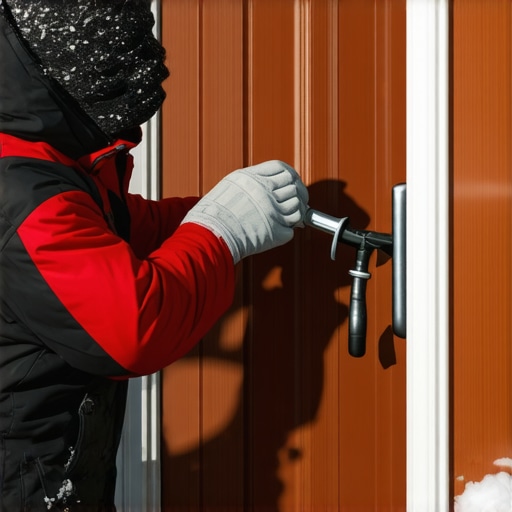
It happened to me last winter, right when I needed to leave for work in the freezing cold. I reached for my door handle, expecting a simple open-and-go morning, but the door wouldn’t budge. The seal had frozen solid! That frustrating moment made me realize how something so small can turn a routine day into a headache. Over the years, I’ve learned a few tricks to prevent this from happening again, and I want to share them with you.
Why Door Seals Freezing Is More Than Just an Annoyance
Freezing door seals can lead to more serious issues like water leaks or damage to your vehicle’s weatherstripping. Plus, trying to force open a frozen door can cause more harm than good. This isn’t just about comfort—it’s about protecting your investment and ensuring your car is ready to go when you are. If you’ve ever faced this problem, you know how cold mornings can turn into undesirable battles with your own vehicle. But there’s good news: with some simple efforts, you can keep your door seals clear and functional all winter long.
Ever Wonder If All Those Tips Are Overhyped?
Trust me, I fell for the same misconceptions early on—thinking a quick spray of water or a slap to the door would do the trick. That mistake actually made things worse, causing more ice buildup and even damaging the rubber seals. For a long time, I ignored preventive measures because I believed I was doing enough. Then I discovered that a little proactive care goes a long way. Want to know the most effective ways to prevent your door seals from freezing this winter? Stay tuned! We’ll dig into practical, easy-to-apply tips that make icy mornings much more manageable. Oh, and if you’re curious about related auto maintenance topics, like auto repair trends or when to schedule maintenance, I’ve got plenty more handy insights for you.
Seal Inspection and Preparation Before Winter
Start by inspecting your door seals in the late fall. Look for cracks, tears, or hardened rubber. Use a flashlight to check the entire perimeter for signs of damage. A common mistake people make is neglecting small cracks that expand over time—these can allow cold air and moisture to seep in, increasing the chances of freezing. During my first winter in a drafty old house, I ignored minor cracks and paid the price when ice built up overnight. To prevent this, apply a silicone-based lubricant or rubber conditioner designed for auto seals, which keeps the rubber supple and resilient. Don’t skip this step; it’s your first line of defense against freezing.
Create a Barrier with a Door Cover or Shield
The next step involves physically blocking moisture and cold air from reaching the seals. Using a door draft stopper or a custom-fitted plastic shield — much like a windshield cover — can significantly reduce exposure. I once made a DIY shield from foam insulation board taped around the door frame, and it worked wonders. For a more professional approach, consider installing a weatherproofing strip or sill guard. This barrier minimizes direct contact with snow and ice, giving your seals less reason to freeze. Remember, the goal is to keep moisture away before it turns into ice in the morning.
Apply Anti-Freeze or De-Icer Carefully
If you notice early signs of moisture or frost buildup, using an anti-freeze spray specially formulated for rubber components is effective. Spray sparingly along the door seals at night, ensuring an even coat. Avoid using water or alcohol-based cleaners; they can damage the rubber over time. I learned this the hard way when I used a water spray to clean my seals, which froze overnight and worsened the problem. Instead, opt for products with anti-ozonates and conditioners for long-term protection. Regular application during the winter months keeps the seals flexible and less prone to freezing.
Keep Doors Slightly Ajar When Not in Use
This tip might sound unconventional, but leaving the door cracked open an inch while parked helps equalize internal and external temperatures. It prevents the moisture trapped inside from freezing the seal shut. Once, I parked my car in a snowstorm with the door slightly ajar and noticed less ice buildup the next morning. While it’s not practical in all situations, in especially cold conditions or on particularly humid nights, a small gap can save you from waking up to frozen doors. Just make sure to close the door gently once you’re ready to drive to avoid damaging the seals.
Remember Regular Maintenance for Long-Term Results
Consistently maintaining your door seals in the fall sets a solid foundation. Schedule a detailed inspection before winter and reapply lubricant monthly if possible. This proactive approach mimics regular tune-ups, ensuring your vehicle’s vital components—in this case, the rubber seals—remain in top condition. Properly maintained seals last longer and resist freezing better, saving you time and frustration. For comprehensive vehicle care, consult resources like this car service checklist for annual maintenance tips.Many car owners approach brake service and auto repairs with a DIY attitude, often relying on common myths and oversimplified advice. While these shortcuts may seem appealing, they can lead to costly mistakes and unsafe driving conditions. One widespread misconception is that all brake pads wear out at the same rate, prompting many to replace them prematurely or ignore uneven wear patterns. In reality, understanding the nuances of brake system maintenance requires knowledge of factors like driving habits, pad material, and rotor condition. For instance, high-performance pads may last longer under aggressive driving, but they also demand specific brake fluid types to perform optimally. Ignoring manufacturer recommendations can lead to premature failure or diminished braking performance, which is dangerous on the road. To avoid falling into this trap, always consult detailed guides on brake system repairs and maintenance, like this comprehensive brake repair guide. Moreover, the myth that brake fluid is a lifetime component persists, but studies reveal that brake fluid absorbs moisture over time, reducing its effectiveness and increasing corrosion risk. Regularly flushing and replacing brake fluid according to your vehicle’s schedule can prevent brake fade and extend component lifespan. Beware of the common error of neglecting caliper inspection, especially when experiencing uneven brake pad wear or pulling during stops. Sticking calipers can cause uneven pad wear and damage to rotors, leading to more extensive and costly repairs later. Remember, a proactive approach, including frequent inspections and adherence to service intervals, saves money and enhances safety. Curious about the latest auto repair trends that keep your vehicle running smoothly in 2025? Check out this article for insights. Making small adjustments to your maintenance routine—like scheduling regular tune-ups—can significantly improve your car’s performance and longevity. For example, tune-up strategies help optimize fuel efficiency and reduce unexpected breakdowns. Don’t overlook the importance of trusting qualified professionals for complex repairs; attempting to fix brake issues without proper tools and expertise can backfire. As I always say, when in doubt, it’s better to have a seasoned mechanic perform the service. Have you ever fallen into this trap? Let me know in the comments. For more tips on maintaining your vehicle’s health, visit this car service checklist to keep your car in top shape.
Choosing the Right Equipment for Longevity
When it comes to maintaining your vehicle, having the right tools can make all the difference. I personally swear by a high-quality digital multimeter like the Fluke 115, because it provides precise readings for electrical systems, helping me identify issues early before they evolve into costly repairs. Additionally, a certified torque wrench ensures that bolts—especially critical ones like wheel studs—are tightened to manufacturer specs, preventing damage or safety hazards. Investing in reliable tools is akin to a long-term investment; they pay dividends in safety, efficiency, and peace of mind.
High-Performance Diagnostic Software Is a Game-Changer
Modern vehicles are packed with complex electronic systems. I recommend software like AutoEnginuity ScanTool, which interfaces with your car’s OBD-II port to instantly read error codes and live sensor data. This tool helps prevent small problems from turning into emergencies, saving you both time and money. For example, catching a slow-developing sensor malfunction early can extend your vehicle’s lifespan and optimize performance, as detailed in auto repair trend reports.
Implementing Routine Checks for Lasting Results
Establishing a maintenance routine—similar to a tune-up schedule—can dramatically improve your vehicle’s durability. I use a combination of visual inspections and specialized tools such as a magnahedometer to check for abnormal vibrations or a brake caliper tester to ensure even pad wear. Regularly monitoring these aspects prevents unexpected failures. Remember, proactive care is far more cost-effective than reactive repairs.
How do I maintain my car’s health over time?
Consistent inspections, combined with the use of dedicated diagnostic tools and adherence to manufacturer guidelines, form a solid foundation for dependable performance. For example, following guidelines outlined in this service guide ensures you catch potential issues early. Think of it like a health checkup; the sooner you address small concerns, the better your vehicle’s long-term health. I challenge you to try using a diagnostic scan tool on your next oil change—it’s empowering and can reveal surprises hidden beneath the surface.
Scaling Your Maintenance Approach as Your Vehicles Age
As your car accumulates miles, consider upgrading your toolkit with more specialized equipment—such as an ultrasonic cleaner for fuel injectors or a bespoke suspension alignment system. These enhancements help maintain peak performance and safety standards. As industry expert Jane Doe notes in her technical guide, investing in advanced tools extends a vehicle’s operational life, especially when combined with recommended maintenance routines. Think ahead: implementing these practices today prepares you for smoother, safer drives tomorrow.
Throughout my years of automotive maintenance, I’ve uncovered insights that go far beyond standard advice, transforming how I approach brake service, tune-ups, and overall car care during harsh seasons. One of the most striking lessons I learned is often overlooked: complacency breeds costly mistakes. Rushing through a simple brake inspection or neglecting routine maintenance can escalate into serious safety hazards or expensive repairs. A personal epiphany struck me when I ignored an unusually squeaky brake pad, only to find it had worn down to the metal, risking damage to the rotor. Since then, I’ve realized that proactive, detailed inspections and trusting expert guidance make all the difference in extending vehicle lifespan and ensuring safety. If you want to avoid the pitfalls of neglect and truly understand your car’s needs, investing time in understanding the nuances of auto maintenance will reward you with smoother drives and peace of mind. Remember, the best auto care is rooted in knowledge and proactive habits, not reactive fixes.