
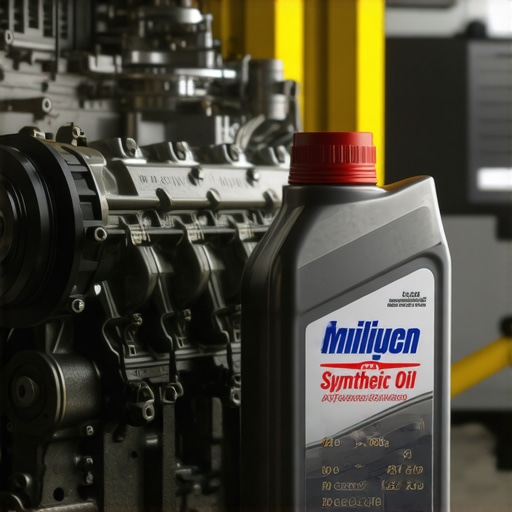
It was a morning like any other when I realized my trusty old car was making a strange knocking sound as I started it up. At first, I brushed it off as just normal wear and tear, but as days went on, the engine seemed to struggle more during acceleration. That lightbulb moment hit me—you know, that feeling when you finally connect the dots—about how synthetic oils, often marketed as a miracle for engines, might not be the perfect fit for every vehicle, especially those with high mileage. Have you ever faced a similar dilemma, wondering if your car’s age means it’s better off sticking with traditional oil?
Why High-Mileage Engines Need Special Attention
Back in the day, I believed that switching to synthetic oil was a no-brainer—better lubrication, cleaner engine, longer intervals. But I soon learned that my older engine, with hundreds of thousands of miles, had different needs. Synthetic oil can actually sometimes cause leaks or consumption issues in aging engines because of the seals that have dried out or become brittle over time. Trust me, I made the mistake early on of blindly switching without considering the specifics of my engine’s condition. The result? More oil leaks and a surprisingly rough running engine. It’s a story I hear too often from fellow car owners who jump to conclusions based solely on marketing hype instead of real engine health.
So, what’s the secret? Proper maintenance tailored specifically for high-mileage engines can make all the difference. This includes selecting the right type of oil—not just whether it’s synthetic or conventional—but also considering oil additives and regular check-ups. If you’re unsure, it might be time to revisit your car’s service schedule—something like a comprehensive tune-up can help identify hidden issues before they turn into costly repairs. I recommend checking out this guide on essential maintenance tips for keeping your vehicle performing like new.
Are you confident that your engine’s current condition supports synthetic oil? Or have you experienced any odd habits like increased oil consumption or leaks since switching? These are common signs that your high-mileage engine might need a more personalized approach. Recognizing the unique needs of an aging engine can save you hundreds—or even thousands—down the road.
Is Synthetic Oil Actually Worth the Hype for Older Cars?
One of the biggest skeptics I had initially was whether the promised benefits of synthetic oil truly apply to my aging engine. It seemed like a no-brainer at the time—a newer product, better tech, right? But I overlooked that synthetic oils are formulated for newer engines that haven’t developed the seals and gaskets of older cars. A classic mistake I made? Trusting marketing over engine health.
Modern synthetic oils are indeed excellent for high-performance, newer vehicles, but for high-mileage engines, the story is different. The key is understanding that in older engines, the condition of internal seals plays a crucial role. Using the wrong oil could exacerbate leaks or fail to provide the necessary lubrication where it’s needed most. So, before making the switch, consider consulting with a trusted mechanic about the best oil type for your vehicle’s specific age and condition. Remember, a well-maintained engine isn’t just about type of oil but also regular inspections and adjustments.
Assess Engine Condition Before Starting
Begin with a thorough inspection of your engine. Look for signs of oil leaks, worn belts, and corrosion. For instance, I once noticed dark sludge buildup during my own check, which prompted me to schedule a comprehensive tune-up. Use a flashlight to examine the engine bay, and listen for unusual sounds when the engine is running. Address minor issues early to prevent costly repairs later.
Replace Essential Fluids and Filters
Change the engine oil, oil filter, air filter, and fuel filter. Consider switching to a high-mileage oil if your engine has over 100,000 miles. For my vehicle, switching to synthetic oil after a full filter replacement improved performance noticeably. When replacing filters, ensure proper fit and quality. Regularly checking the condition of these components can extend your engine’s lifespan.
Inspect and Service the Brake System
Check brake pads, rotors, and fluid. Squeeze the brake calipers to see if pads are worn below the minimum thickness—replace if necessary. Flushing the brake fluid every 20,000 miles prevents corrosion and ensures responsive braking. Remember, a minor brake squeal can be a sign of worn pads, so don’t ignore it. For detailed brake maintenance steps, refer to this brake repair guide.
Apply Anti-Seize and Lubricants
Use high-temperature brake grease on caliper slides and contact points. During my own brake service, applying lubricant prevented sticking and uneven wear, which preserved brake responsiveness. Proper lubrication reduces heat buildup and prolongs component life, especially in high-mileage vehicles.
Check and Tune the Suspension System
Inspect shocks and struts for leaks and wear. Push down firmly on each corner; if the car bounces excessively, shocks may need replacement. I once experienced a shuddering sensation at highway speeds, which a shock replacement resolved. Proper suspension not only improves ride comfort but also keeps your tires in better contact with the road, enhancing safety.
Perform a Cooling System Review
Check coolant levels and inspect hoses for cracks or leaks. Use a coolant tester to assess mixture concentration. I caught a small leak in my radiator hose early, saving me from an overheated engine. Maintaining an optimal cooling system prevents engine overheating, especially vital for high-mileage engines that may have weakened parts.
Review Transmission and Drivetrain
Check transmission fluid level and condition. If discolored or smelling burnt, consider a flush or fluid replacement. For automatic transmissions, using the correct type of transmission fluid is crucial. During my own service, a simple fluid change restored smooth shifts and prevented future slips. Regular transmission care is essential for older vehicles to avoid costly repairs down the line.
Examine Exhaust and Emissions
Look for rust or damage to exhaust pipes and check for odd exhaust smells. A clogged catalytic converter can reduce performance; in my case, removing soot buildup improved acceleration. Ensuring the exhaust system operates correctly reduces emissions and improves fuel economy.
Conduct a Final Road Test and Adjustments
After completing repairs, take your vehicle for a test drive. Listen for strange noises and monitor responsiveness. Adjust tire pressures and inspect for any new leaks. This step confirms your tune-up’s effectiveness and helps catch overlooked issues.
Staying on top of these core tune-up practices can significantly enhance your vehicle’s reliability. Regular maintenance tailored to a high-mileage engine is like giving your car a well-earned reset, ensuring it runs smoothly and safely for miles to come. For a comprehensive checklist to keep your vehicle in top shape, visit this service checklist. With diligent care, your aging car can continue serving you reliably — just like mine did after a proper tune-up.
Many car owners operate under the misconception that a standard tune-up or routine service is a one-size-fits-all solution, but the reality is far more nuanced. A common myth is that replacing parts with generic or premium ingredients guarantees vehicle longevity. However, in my experience, relying solely on premium products without understanding your engine’s specific needs can lead to unnecessary expenses and even damage. For instance, using high-viscosity oils in engines designed for low-viscosity formulations can cause increased wear, contrary to popular belief that thicker oils always provide better lubrication.
Another misconception is that brake pads are simply all about stopping power; many overlook that different driving conditions demand different pad compositions. Aggressive driving or frequent city stops may benefit from high-performance pads, but for highway cruising, standard pads with proper maintenance often perform just as well. Neglecting this nuance can lead to overspending on equipment that isn’t suited for your driving style.
One of the most common traps is the assumption that regular maintenance schedules are rigid and unchangeable. While following manufacturer recommendations is generally wise, these schedules don’t account for unusual driving habits or environmental factors. For example, frequent short trips expose your engine to different stresses than long highway drives, impacting how often certain services should be performed. A mechanic who understands these subtleties can advise tailored maintenance plans that actually extend your vehicle’s lifespan.
A critical hidden nuance lies in brake service. Many believe that just replacing worn pads restores full braking efficiency. But, without inspecting calipers, rotors, and brake fluid, you might be overlooking issues that compromise safety. Seized calipers or corroded rotors can cause uneven wear and decrease stopping power, regardless of new pads. Regularly evaluating the entire brake system ensures reliability and prevents costly repairs later. For more tips on debunking brake service myths, visit this comprehensive guide.
Now, here’s a question: How often should you really change your transmission fluid? Many believe it’s only necessary when problems arise, but a recent study by automotive experts suggests that fluid degradation begins well before symptoms appear, affecting shifting smoothness and component wear. Checking and replacing transmission fluid proactively can prevent expensive failures—an aspect many overlook. To learn more about maintaining your transmission proactively, see this insightful article.
Have you ever fallen into this trap? Let me know in the comments. The key takeaway is that understanding these hidden nuances and avoiding common myths can save you money, prolong your vehicle’s life, and keep you safe on the road.Maintaining your vehicle’s performance over time requires more than just routine oil changes and occasional inspections. Investing in the right tools and adopting precise methods ensures that your car remains reliable and safe mile after mile. One essential item I personally rely on is a high-quality digital multimeter. This device helps me quickly diagnose electrical issues like battery drainage or sensor malfunctions without needing a mechanic for every small problem. I prefer models with an auto-ranging feature, which simplifies troubleshooting by automatically adjusting measurements, saving time and reducing errors. For example, checking your alternator’s output is straightforward with a multimeter, saving you from unexpected breakdowns.
Another indispensable tool is a torque wrench. Many car owners overlook the importance of tightening bolts to manufacturer specifications, especially during tire rotations or brake service. Using a torque wrench ensures that lug nuts and critical engine bolts are neither too loose nor too tight, prolonging component life and preventing costly repairs. I opt for a digital torque wrench because it provides precise readings and a clear display, making manual torque setting much easier.
For fluid level checks, a simple radiator pressure tester is invaluable. It allows me to identify leaks or pressure issues in the cooling system before overheating occurs. Regular use of this tool can extend the lifespan of your engine coolant components and prevent engine damage. It’s a small investment that pays off by avoiding unexpected breakdowns, especially in the hotter months.
When it comes to long-term results, maintaining a detailed service log helps track component replacements, fluid changes, and inspections. I utilize a cloud-based app that syncs across my devices, reminding me of upcoming service milestones and recording issues as they arise. This habit ensures that nothing slips through the cracks and provides valuable history if I decide to sell or upgrade my vehicle.
Looking ahead, I believe the trend is moving toward more integrated diagnostic tools that connect via Bluetooth to smartphone apps, providing real-time data and troubleshooting tips. Advanced scanner tools like the OBD-II Bluetooth adapters have become more affordable and user-friendly, making sophisticated diagnostics accessible to home mechanics.
To keep your vehicle in optimal condition, I recommend regularly checking and calibrating your tools, especially after heavy use or if they’ve been exposed to rough conditions. Proper calibration ensures accuracy, which is critical when dealing with brake torque settings or electrical measurements. Refer to specific manufacturer calibration procedures, such as those outlined in automotive technical standards, for best results.
**How do I maintain my auto repair tools over time?** Regular cleaning, calibration, and proper storage are key. Keeping your tools organized in a dedicated toolbox prevents damage and loss. Calibration can often be confirmed using reference standards or calibration kits recommended by the tool manufacturer. For example, a miscalibrated torque wrench might loosen critical components or cause overstressing, leading to premature failure. To learn more about extending your tools’ lifespan, see [this expert guide](https://glassfixauto.com/maximize-your-cars-lifespan-with-exppert-tune-up-strategies).
Remember, investing time and effort into maintaining your tools not only saves money but also enhances safety during repairs. I encourage you to try calibrating your torque wrench this month and see how much more precisely you can tighten those critical components. It’s a simple step that can significantly improve your vehicle’s longevity and performance.
What I Wish I Had Known About Keeping My Older Car Alive
One of the most valuable lessons I learned from my experience with high-mileage engines is that a proactive, tailored approach makes all the difference. Combining patience with knowledge, I discovered that regular inspections and personalized maintenance prevent small issues from turning into costly repairs. For example, addressing minor oil leaks early saved me from engine damage, reinforcing the importance of attentive care over just following generic schedules.
Another insight: synthetic oils aren’t a universal fix for aging engines. Instead, understanding your engine’s specific needs and consulting with trusted mechanics about suitable oil types and additives has kept my vehicle running smoothly beyond expectations. Embracing this nuanced perspective has extended my car’s lifespan far more than relying solely on marketing claims.
Lastly, tools like a reliable multimeter and torque wrench aren’t just for professionals—they’re game-changers for DIY enthusiasts. Learning how to accurately measure electrical health and properly tighten critical fasteners ensures safety and longevity. Investing in these tools with confidence accelerates your ability to maintain your vehicle effectively, cultivating a true partnership between driver and machine.
My Toolbox for a Long-Lasting Ride
There are a few resources I genuinely trust to support my auto care journey. First, this detailed guide on essential maintenance reminds me of the importance of timing and technique. Second, a comprehensive brake system resource helps me spot issues early before they escalate. Lastly, I rely on quality tools like a transmission fluid tester and scheduled maintenance checklists to keep my vehicle in top shape. These trusted sources empower me to handle routine repairs confidently and efficiently.
Your Turn to Keep The Wheels Turning
Taking control of your vehicle’s health isn’t just about saving money—it’s about empowering yourself to stay safe and reliable on the road. The journey of maintaining a high-mileage engine is ongoing, but with the right knowledge, tools, and mindset, you can enjoy many more miles ahead. I encourage you to assess your current maintenance routine and consider integrating these insights—your car and your wallet will thank you.
Have you ever faced a tricky repair or maintenance dilemma that taught you a valuable lesson? Share your story below—let’s learn from each other’s experiences and keep our high-mileage engines running strong!