
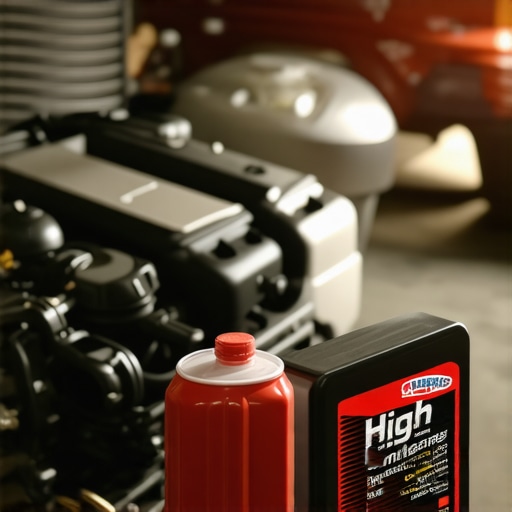
It happened on a chilly Saturday morning. I was about to hit the road for a long overdue trip when I noticed that my car’s engine was making a weird ticking noise. Usually, I take pride in keeping my vehicle in top shape, but that day, I felt a surge of panic. After all, I had just recently changed the oil, or so I thought. It was a wake-up call that led me down a rabbit hole of research and experimentation that changed how I view high mileage oil forever.
Discovering the Real Deal Behind High Mileage Oil
Ever since I first heard about high mileage oils claiming to extend engine life, I was skeptical. The marketing hype seemed tailored to make us believe that old engines need special fluids to keep running smoothly. But my experience told me otherwise. When that weird noise started, I realized I needed to understand whether my choice of oil was part of the problem or the solution. That’s when I truly started digging into what makes high mileage oil different and whether it’s really worth the hype.
Is High Mileage Oil Actually Worth the Hype?
Here’s a mistake I made early on: I blindly trusted the labels without understanding what’s inside. It turns out, high mileage oils often contain conditioners and seal agents that can rejuvenate old engine parts, helping to prevent leaks and reduce oil consumption. According to a study by the Society of Automotive Engineers, these additives can be effective in older engines, but only if used correctly and with an understanding of your specific vehicle’s needs. If you’re debating whether to switch to high mileage oil, you might wonder if it’s just another marketing gimmick.
If you want to see a practical example of how to check your engine’s condition and figure out if your oil is doing its job, I recommend visiting this guide on head gasket diagnosis. It was a small step that proved invaluable in my journey to better car maintenance.
Now, let’s explore what you should look for and how to decide if your high mileage engine could benefit from the right oil choice.
Inspect Your Engine Oil Level and Condition
Pull out your dipstick during a cool engine state; wipe it clean, reinsert, then check the level. If it’s low, top it off with the recommended oil type. Look at the oil’s color and texture—dark, gritty oil indicates it’s time for a change. Remember, neglecting this step is like trying to assess your health by ignoring your pulse. I once overlooked a low oil level and ended up with a noisy engine, which was a costly mistake—I had to replace my pistons entirely.
Evaluate Engine Performance and Sound
Start the engine and listen carefully for unusual noises, such as knocking or ticking, which signal that your engine might not be adequately lubricated. Observe if the engine idles smoothly or if there’s hesitation or roughness. A real-world example: I once noticed my engine roaring louder than usual after switching to high mileage oil. After some trial, I realized I had forgotten to reset the oil change indicator, leading me to suspect the oil quality. Adjusting the oil and confirming the correct type restored quiet operation.
Perform a Compression Test
Use a compression gauge to assess the pressure in each cylinder. Higher or uneven readings may suggest worn piston rings or valves, meaning the oil’s additives could be helping or failing. This test is like checking the blood pressure; it reveals internal health. I attempted this myself, following a tutorial I found on this guide, which taught me to be cautious with the spark plugs and handle the gauge carefully. The results helped me decide whether to switch to synthetic or stick with high mileage oil.
Check for Oil Leaks and Consumption
Inspect your garage floor or driveway for oil spots; monitor your mileage between oil top-offs. Excessive leaks or consumption are clear signs that your engine seals need attention. Tightening or replacing seals can be a game-changer. I once noticed my engine consumed a quart every 500 miles; after consulting a mechanic, I learned that high mileage oils with seal conditioners might slow leaks down, saving me money.
Monitor Oil Pressure During Driving
Install a genuine oil pressure gauge or use your dash indicator to verify proper pressure levels. Low pressure can indicate clogged filters or worn bearings. During a road trip, I kept an eye on the gauge; a sudden drop prompted me to stop and check, preventing potential engine damage. Remember, consistent pressure readings mean your oil is circulating properly and doing its job, especially in engines with over 150,000 miles.
When it comes to car service and repair, many drivers rely on common myths that can lead to costly mistakes. One pervasive misconception is that all mechanic shops are the same or that the cheapest service is always the best choice. In reality, quality varies significantly, and cutting corners can result in poor repairs or even damage to your vehicle. For instance, European car owners often face higher charges, but understanding why certain brands require specialized attention is crucial to avoid overpaying or receiving subpar work. Learn more about this at this detailed guide. Additionally, many drivers think that a simple tune-up involves just replacing spark plugs and air filters, but an advanced approach includes inspecting and possibly replacing vital engine components like sensors or valves, which can prevent sudden breakdowns.
Why do some repairs seem to fix the problem temporarily but then reoccur?
Often, this happens because the underlying cause isn’t properly diagnosed or the initial repair was incomplete. For example, ignoring signs of a blown head gasket can lead to engine overheating and severe damage later on. Diagnosing such issues requires expertise beyond basic checks; for instance, while many attribute engine misfires solely to spark plugs, the root may be a failing ignition coil or vacuum leak you might overlook. To prevent falling into this trap, consider performing comprehensive diagnostics or consulting detailed guides like this resource. Also, many assume brake pads are their main concern, but neglecting brake fluid condition can lead to reduced stopping power or pedal pulsation over time. Regularly flushing and inspecting brake fluid maintains safety and prolongs part life.
Are you sabotaging your repairs without knowing?
For example, over-tightening lug nuts might seem like a good idea to ensure safety, but it actually risks damaging the studs or warped rotors. Proper torque specifications are critical—learn more about the correct procedures at this page. Many diesel and foreign cars also require unique service procedures, which handle synthetic oils, filters, or electronic diagnostics differently. Skipping these nuances may lead to incomplete repairs or reduced vehicle lifespan. A thorough understanding of these subtleties elevates your auto maintenance from routine to expert. Keep in mind that neglecting signs like unusual sounds, leaks, or warning lights could jeopardize your safety. For example, silent engine issues often hide behind the misconception that ‘if it runs, it’s fine,’ but early detection based on nuanced symptoms can save thousands. Have you ever fallen into this trap? Let me know in the comments.
Keep Your Vehicle Running Smoothly With the Right Tools
Maintaining a vehicle over the years requires more than just basic knowledge; it demands the right tools to catch issues early and perform effective repairs. Personally, I swear by my digital code reader, the ANCEL OBD2 Scanner. It provides comprehensive data directly from your car’s computer, allowing me to diagnose issues without unnecessary trips to the mechanic. This device helps me interpret error codes effortlessly and decide whether a simple fix suffices or a professional is needed, especially when dealing with complex problems like head gasket leaks or sensor failures.
Alongside the scanner, I recommend a high-quality multimeter for electrical diagnostics. A reliable multimeter like the Fluke 115 allows me to verify battery voltage, test sensors, and troubleshoot wiring issues. For example, during an electrical glitch with my key fob, I used my multimeter to detect a weak ground connection, guiding me to the source of the malfunction—an issue that can often be overlooked if you only rely on visual checks.
Preventative Maintenance Holds the Key to Longevity
Handling routine tasks proactively can save significant money and extend your engine’s life. I make a habit of inspecting filters and fluids every 5,000 miles—checking for dirt and discoloration. For oil changes, I prefer synthetic oils like Castrol Edge because of their superior lubrication and durability, especially in high-mileage engines. When doing so, I ensure to reset the oil change indicator properly, which you can learn more about in this guide.
Regarding brake systems, maintaining proper brake fluid levels is vital. I always carry a brake fluid tester, such as the ATE Dot 4 Tester, to evaluate the fluid’s condition, preventing the blackening we often see and issues like pulsating brakes. Regular bleeding and fluid replacement can avert costly rotors and pad replacements down the line.
Planning for Long-Term Results and Scaling Up
As your vehicle ages or if you’re managing a fleet, establishing a consistent maintenance schedule using digital logs helps track service intervals. I’ve adopted an app called OBDLink, which syncs with my scanner to log error codes and monitor trends over time. Predictive diagnostics, such as detecting early signs of transmission slips via regular coding and testing, position me to address issues before they escalate, saving both money and downtime.
Where Do Tools Fit in Your Maintenance Routine?
Tools like digital scanners, multimeters, and fluid testers are investments that yield dividends by helping you identify problems early. Remember, modern vehicles are becoming increasingly complex, and keeping up requires familiarity with these instruments. In the future, expect even more integration of IoT diagnostics that wirelessly transmit data to your smartphone, making ongoing maintenance more accessible for everyone. Try integrating a comprehensive scanner and begin diagnosing your vehicle proactively—your engine will thank you.
For instance, if you’re wondering how to maintain your vehicle over time effectively, start by evaluating your electrical system with a multimeter or considering a professional-grade scanner to keep all systems in check. They’ll help you spot issues like loud mufflers or strange sensor readings early, preventing costly repairs down the road.
The Hardest Lesson I Learned About car service,tune up,auto repair,brake service
One of the most profound lessons I discovered was that rushing through minor maintenance tasks often leads to major setbacks. Ignoring simple signs like slow acceleration or strange odors can escalate into expensive repairs. Patience and paying close attention to your vehicle’s behavior are essential to prevent costly mistakes and keep your car running smoothly.
3 Myths About car service,tune up,auto repair,brake service That Held Me Back
For years, I believed that synthetic oils were always superior, or that a louder engine meant more power. These misconceptions delayed proper maintenance and sometimes caused avoidable damage. Unlearning these myths opened my eyes to more effective, tailored care for my car, saving time and money.
What Experts Won’t Tell You About car service,tune up,auto repair,brake service
Many experienced mechanics know that not all repairs require brand-new parts — sometimes, a thorough cleaning or minor adjustment restores functionality. Trusting in outsourced diagnostics, rather than assumptions, has helped me identify issues early and negotiate better service, which benefits my vehicle and wallet.
Where to Go from Here
Having learned these lessons, I advocate for proactive maintenance routines: regular inspections, utilizing diagnostic tools, and staying informed about your vehicle’s needs. Resources like this guide on European car service help clarify what genuine care entails, especially for high-mileage or specialized cars.
Level Up Your Car Maintenance Game Today
Taking charge of your vehicle’s health with the right knowledge and tools transforms auto repair from a dreaded chore into a rewarding routine. Whether you’re handling a simple oil change or diagnosing a strange noise, remember that your involvement is key. Continuous learning ensures your car’s longevity, safety, and performance. Have you ever caught a small issue before it turned into a costly repair? Share your experience below, and let’s learn from each other’s journeys.