
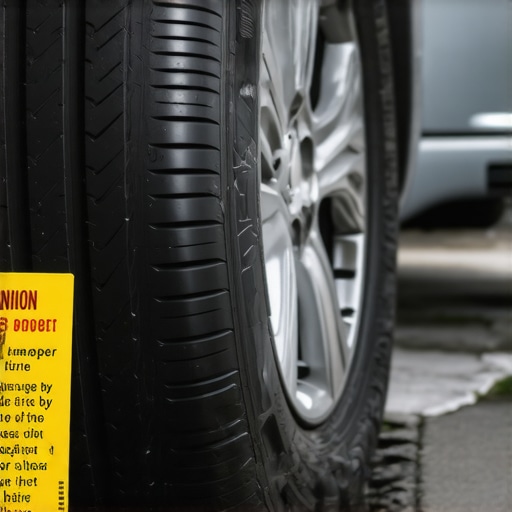
I vividly remember the moment I made a costly mistake that taught me a valuable lesson about tire repairs. I was stranded on the side of the road with a flat tire, and in a rush to get back on the road, I grabbed a can of Fix-a-Flat. Within minutes, I felt a temporary sense of relief, but that relief was short-lived. The tire held for a few miles, only to give out hours later, forcing me to replace the entire tire and spend three times more than I would have if I had just taken a little extra time to do it properly. That lightbulb moment made me realize: some shortcuts aren’t worth the risk, especially when it comes to something as critical as your tires.
The Hidden Risks of Temporary Fixes
Will Fix-a-Flat Really Save You Time and Money?
If you’re like I was, the urge to use a quick fix is almost instinctive during an emergency. But what many don’t realize is that products like Fix-a-Flat can do more harm than good when it comes to saving a tire you want to keep. These aerosol sealants are designed for temporary use, providing a quick patch but often leaving behind residues that make proper repairs difficult. They can also throw off your tire pressure sensors, leading to inaccurate readings and unnecessary trouble. The worst part? They can hide underlying issues—like deep punctures or structural damage—making a repair seem successful when it’s really just a Band-Aid on a serious problem.
Early in my own experience, I neglected to consider how sealants could interfere with professional repairs. I learned this the hard way after trying to patch a tire with Fix-a-Flat, only to find later that the sealant had compromised the integrity of the repair, leading to more extensive work and expenses. To avoid wasting time and money, it’s crucial to understand why temporary fixes aren’t a reliable long-term solution and why professional repair or replacement is the smarter choice.
Got a Flat? Let’s Talk About What Really Works
If you’re facing a flat and wondering whether to use Fix-a-Flat or opt for a proper patch or tire replacement, you’re not alone. Many drivers don’t realize that in the long run, quick fixes can cost you more than just money—they can compromise your safety and your vehicle’s performance. I’ll walk you through what you should do when that inevitable flat occurs, helping you avoid costly mistakes and ensuring your car stays safe on the road. Curious about common tire issues and their solutions? Check out this article for more insights.
In the following sections, I’ll share practical advice based on real experience—so you don’t have to learn the hard way like I did. Let’s get started on why never to rely on Fix-a-Flat if you genuinely want to save your tire and your wallet.
Assess the Damage and Prepare
Before jumping into repairs, carefully inspect the tire for visible punctures or damage. Use a tire pressure gauge to check if the tire is fully deflated or slightly low. If there’s a nail or sharp object embedded, remove it with pliers and note the size of the puncture. Prepare your tools, including a jack, lug wrench, tire patch kit or replacement, and wheel wedges. Remember, using a proper repair method from the start prevents further issues and saves money, unlike temporary fixes like sealants which can complicate repairs later.
Safely Lift the Vehicle
Secure Your Car on Level Ground
Position the vehicle on a flat surface, engage the parking brake, and place wheel wedges behind the tires opposite the damaged wheel. Place the jack under the manufacturer’s recommended lift point, typically near the side sills or frame. Raise the vehicle until the flat tire is clear off the ground. This step is crucial for safety and ease of repair and is similar to ensuring a stable base before tuning or brake service — skip this, and the risk of accidents increases.
Remove the Flat Tire
Use the lug wrench to loosen the lug nuts slightly while the tire is still on the ground, then fully unscrew and remove them once elevated. Carefully pull the tire straight off the hub. This process is straightforward but requires careful handling to avoid damaging the wheel studs, akin to delicate work during wheel bearing replacements or brake caliper fixes.
Apply a Proper Repair or Replacement
If the puncture is small and in the tread area, you might be able to repair it using a patch or plug kit. Clean the puncture area thoroughly to remove debris, insert the patch following the kit instructions, and allow it to cure if needed. For larger damage or sidewall punctures, replace the tire entirely. This approach ensures safety and longevity, contrasting with quick fixes that can cause uneven wear or blowouts. For a deeper understanding of tire issues, consult this guide.
Match the Correct Tire Replacement
If replacing, make sure the new tire matches your vehicle’s specifications. Check the sidewall for size, speed rating, and load capacity. Don’t mix different types or brands unless advised by a professional, as inconsistencies can cause handling problems. Once installed, hand-tighten the lug nuts in a crisscross pattern to ensure even seating, then lower the vehicle slowly, and tighten the nuts to the manufacturer’s torque specifications using a torque wrench. Proper torquing ensures safe, reliable driving, similar to precise calibration during brake or suspension work.
Finalize and Check
After tightening, double-check the lug nuts and lower the vehicle completely. Remove the wheel wedges and test drive at low speeds, listening for any abnormal sounds. Recheck the lug nut torque after driving 25-50 miles, as they can settle. Maintaining correct tire pressure is essential; use a reliable pressure gauge and adjust to the recommended PSI. Regularly inspecting your tires can prevent flats and extend their life, which is more efficient and cost-effective than relying on temporary repairs like Fix-a-Flat. For additional safety tips, review this article.Many car owners approach repairs and maintenance with misconceptions that can lead to costly mistakes. One common myth is that all repairs are the same, regardless of the vehicle’s specifics or the issue’s nuance. For example, some believe that a basic oil change or brake pad replacement is straightforward, but overlooking the subtleties—like correct torque specs or the importance of using manufacturer-approved parts—can compromise safety and longevity. In my experience, trusting generalized advice instead of understanding your vehicle’s unique needs often results in premature wear or unexpected failures.
Another misconception involves the process of tuning up a turbocharged engine. Many assume that standard procedures suffice, but these engines require extra care during tune-ups to prevent damage and ensure optimal performance. Reading this article highlights why ignoring these nuances can turn a simple service into a costly fix.
What most people get wrong is the belief that quick fixes, such as filling a tire with Fix-a-Flat, are viable long-term solutions. This is a trap that can cause hidden damage and complicate professional repairs later. Relying solely on temporary fixes often masks underlying issues like structural damages or leaks that need proper investigation and repair.
A common mistake during brake service involves neglecting to inspect the caliper pins. Failing to check and lubricate these can lead to uneven brake pad wear and eventual caliper sticking. You can learn how to address this yourself or recognize the signs that professional intervention is necessary.
For advanced vehicle owners, understanding the significance of proper fluid types and exchange intervals can extend component life significantly. For instance, using the wrong type of coolant or neglecting to flush the system can lead to corrosion or overheating. To get detailed insights, see this guide.
Furthermore, many underestimate the importance of regular diagnostic checks for symptoms like subtle vibrations or dashboard warning lights. These indicators often signal issues before they escalate into expensive repairs. For example, a slight shake at specific speeds might be linked to worn-out wheel bearings, which can be diagnosed early with proper inspections.
Remember, understanding these advanced nuances isn’t just about fixing your car—it’s about ensuring safety, saving money, and prolonging the lifespan of your vehicle. Preventing issues requires knowledge beyond basic maintenance; it demands attention to the specific needs and intricacies of your car model and condition.
Have you ever fallen into this trap? Let me know in the comments.
Keeping Your Vehicle in Top Shape with the Right Tools
Maintaining a car over the long haul requires more than just basic knowledge; it demands precision tools and proven methods that ensure safety and efficiency. Personally, I rely on a set of specialized equipment that I’ve tested over years of practice. A high-quality digital torque wrench, for example, is indispensable—not only for tightening lug nuts to manufacturer specifications but also for delicate tasks like securing engine components. Unlike generic torque wrenches, a digital version provides consistent readings, reducing the risk of over-tightening or under-tightening, which can lead to uneven tire wear or mechanical failures.
Another tool I swear by is a calibrated multimeter. Proper electrical diagnostics can be tricky, but a reliable multimeter helps me detect issues such as faulty sensors, weak batteries, or parasitic drains that could otherwise cause headaches down the line. For instance, troubleshooting a persistent battery drain without a good multimeter can be like finding a needle in a haystack. I prefer models with auto-ranging features—it saves time and provides accurate readings in various circuit conditions.
Software That Delivers Accurate Diagnoses
Equipment alone isn’t enough; modern vehicles heavily depend on sophisticated diagnostic tools. I use an advanced OBD-II scanner like the Autel MaxiCOM series because it offers comprehensive vehicle-specific codes, live data streams, and advanced functionalities such as ABS, airbag, and transmission diagnostics. This kind of software not only speeds up troubleshooting but also equips me to address issues proactively, preventing minor problems from escalating into costly repairs. For example, catching a subtle error code early can save you from a transmission rebuild later on, especially if you regularly monitor your vehicle’s health through this diagnostic lens.
Long-Term Maintenance Strategies
Investing in quality tools is just part of the equation. Routine maintenance, such as oil changes, brake inspections, and fluid exchanges, should be scheduled and executed with care. I recommend setting up a maintenance log—both paper and digital—to track when components like transmission fluid or coolant were last serviced. This habit helps anticipate future replacements and keeps your vehicle running smoothly.
The future of auto maintenance points toward greater integration of remote diagnostics and AI-powered sensors. Manufacturers are increasingly offering vehicles that communicate directly with service centers, predicting issues before they become apparent. Staying ahead of this curve means embracing smart tools now, such as OBD-II adapters compatible with mobile apps, which can analyze your vehicle’s status in real time. Implementing these technologies adds an extra layer of assurance, giving you peace of mind and extending your car’s lifespan.
How do I maintain my car’s functions over time?
Consistent upkeep is essential. Regularly check and replace filters, keep fluids topped off, and inspect belts and hoses for signs of wear. Don’t forget to perform calibration checks on sensitive sensors and control units, especially if you notice irregular behavior—like a rough idle or transmission hesitation. For example, ensuring your turbocharged engine remains in optimal condition requires extra attention during tune-ups. I personally follow procedures outlined here to avoid damage and maintain peak performance. Incorporate routine software updates where applicable, as these can improve efficiency and prevent bugs that might affect emissions or driveability. By adopting a methodical approach and using high-quality tools, you’ll keep your vehicle operating reliably for miles to come.
Ready to upgrade your maintenance routine? Try using a digital torque wrench during your next tire rotation—it’s a game changer for ensuring even tire wear and safety. This small investment can pay off big in the long run by preventing uneven tread and potential blowouts.
More Than Just a Flat Tire: Hidden Lessons from My Experience
One of the most impactful lessons I learned about auto repair is that shortcuts often lead to long-term setbacks. The first time I relied on Fix-a-Flat, I believed I was saving time and money, but that quick fix concealed deeper issues that eventually cost me even more. It became clear—trusting temporary solutions can obscure serious problems and complicate professional repairs, turning a simple flat into a costly and stressful experience. This taught me that investing a bit more time initially saves money and safety in the long run.
Tools and Tips That Keep You Smarter on the Road
Over the years, I’ve discovered that having the right tools makes all the difference. A high-quality digital torque wrench ensures proper tightening every time, preventing uneven wear. My reliable OBD-II scanner has caught hidden codes before they turned into expensive repairs, and keeping a maintenance log helps me stay proactive. These tools are more than gadgets—they’re my partners in vehicle longevity. If you’re serious about caring for your car, investing in such equipment is worth every penny and can often be the difference between a minor fix and a major breakdown.
Fuel Your Confidence to Tackle Vehicle Care Head-On
The journey to better vehicle health starts with a simple mindset: knowledge is power. Don’t let fear or confusion hold you back from performing basic maintenance or diagnosing issues. Think of each repair as an opportunity to learn and grow in your automotive understanding. With the proper tools and a willingness to learn, you can turn car care from a daunting chore into a rewarding skill. Remember, the more you know, the more equipped you are to keep your vehicle safe, efficient, and reliable. Ready to take that first step? Your car—and your wallet—will thank you. If you’re curious about specific repairs or tools, I recommend checking out this resource for expert insights.