
Have you ever stepped on the gas first thing in the morning, only to feel that uncomfortable hesitation or slip in your transmission? It’s like your car is grumbling, saying, “Not quite ready yet.” I remember my first experience with this frustration—it was a chilly winter morning, and my car just refused to shift smoothly. That lightbulb moment made me realize I wasn’t alone, and more importantly, I could figure out what was happening.
Why does your transmission act up only when the engine’s cold?
The truth is, this common problem stems from a mix of simple mechanics and a bit of aging wear and tear. When the engine is cold, the transmission fluid isn’t flowing as freely as it does once warmed up. Think of it like thick honey versus runny syrup—hotter fluid lubricates better, ensuring smoother shifts. When cold, the fluid is thicker, sometimes causing sluggish or slipping shifts. Over time, this issue can be worsened by small leaks or worn-out seals that become more noticeable in low temperatures.
This phenomenon isn’t just an annoyance; it can point to deeper issues like low fluid levels, failing transmission components, or temperature-sensitive parts that need attention. Early in my repair journey, I made the mistake of ignoring this cold-start slip, thinking it was just a temporary glitch. That mistake nearly led to a much bigger, more expensive problem down the road, something I now know is a common pitfall for many drivers.
But don’t worry—I’ve learned that with a little guidance, you can address this issue before it worsens. In this post, I’ll walk you through why your transmission only slips when cold and share practical steps to fix or improve the situation. No need to be scared of complex car terms—just some honest, neighborly advice.
Is Transmission Slipping When Cold Actually Worth the Hype?
Early on, I believed that this was just a minor quirk, something my car would outgrow. Turns out, ignoring it was a mistake—a misconception I want to clear up. Transmission issues, especially those linked to temperature, can escalate into costly repairs if not addressed early. So, if you’ve been brushing this off, ask yourself: has your car’s performance worsened over time or during colder months?
Understanding the real cause behind this slip can save you hundreds. Sometimes, it’s as simple as checking the fluid level or replacing worn-out components, like the transmission filter. For more on related issues, like low-tire pressure lights or brake squeals, I’ve got tips and tricks that might even surprise you—check out [why your low tire pressure light stays on even after filling](https://glassfixauto.com/why-your-low-tire-pressure-light-stays-on-even-after-filling) or [why your brakes squeak only in the morning](https://glassfixauto.com/why-brakes-squeak-only-when-you-first-start-driving).
Now, let’s dive into the specific causes, so you can confidently troubleshoot and maybe even fix this yourself or know what to tell your mechanic.
,
Start with a Fluid Check and Replacement
Begin by inspecting your transmission fluid level and quality. When my car started slipping only during cold mornings, I realized the fluid was dark and thick, resembling molasses. I parked safely, waited for the engine to cool, and then checked the transmission dipstick. If the fluid is low or dirty, topping it off or replacing it can often solve the issue. Drain the old fluid into a container, remove the filter if accessible, and refill with manufacturer-recommended transmission fluid, ensuring proper levels. This process is like replacing the syrup in a pancake bottle—it boosts flow and performance. For detailed steps, consider consulting your vehicle’s manual or local mechanic.
Warm Up the Transmission Smoothly
Allow your car to idle for a few minutes before engaging drive. This warms up the transmission fluid gradually, reducing its viscosity. I once sat in my driveway, started the engine, and let it run for about five minutes before shifting into drive. This simple act significantly improved cold-start behavior, preventing abrupt slips. Think of it as giving your transmission a gentle warm bath, ensuring it’s ready to move seamlessly. If persistent issues occur, check the transmission fluid temperature sensor for proper operation.
Inspect Seals and Leaks for Wear and Tear
Leaking seals can cause fluid loss, especially problematic in colder weather when the fluid thickens. I noticed a faint puddle under my car and discovered it was a worn-out seal. Replacing worn seals restores pressure and prevents further leaks, which can make shifts harsh or slip during cold starts. Locate the transmission pan and seals, and examine for cracks or cracks. Replacing seals is straightforward if you have basic tools; otherwise, a mechanic’s expertise is recommended. Addressing leaks promptly ensures your transmission fluid remains at optimal levels for cold starts.
Check and Replace the Filter
The transmission filter traps debris and contaminants that can clog your system. Over time, it becomes restrictive, impeding fluid flow, especially when cold. I replaced my filter myself by draining the fluid, removing the pan, and swapping the filter for a new one. This process is like changing a clogged air filter—it improves the overall health of your transmission, leading to smoother shifting. Using high-quality filters helps maintain performance and longevity. For detailed instructions, see this guide on [how to spot a bad wheel bearing before it becomes dangerous](https://glassfixauto.com/how-to-spot-a-bad-wheel-bearing-before-it-becomes-dangerous).
Consider Professional Transmission Service
If DIY steps don’t resolve the slipping issue, it’s time for a professional tune-up. Mechanics can perform a hydraulic system flush, replace worn components, and reprogram transmission control modules if needed. I’ve taken my car to a trusted shop for a full transmission fluid flush, which made a noticeable difference in cold starts. Regular servicing, especially before winter, ensures your transmission operates smoothly when the temperature drops. This prevents minor slips from escalating into costly repairs, much like maintaining your brakes or engine fluids.
Implement Preventive Tips for Cold Weather
To keep your transmission in top shape during winter, use only manufacturer-approved transmission fluids. Avoid running your car short distances without proper warm-up, as this can cause fluid to thicken quickly. Also, consider installing a transmission warmer or blanket; it’s like a heated blanket for your car’s heart, ensuring fluids stay at optimal viscosity. Regularly check for leaks, and don’t ignore odd noises or shudders. Maintaining your vehicle proactively is the best way to prevent cold-start slips and keep your morning commutes hassle-free.
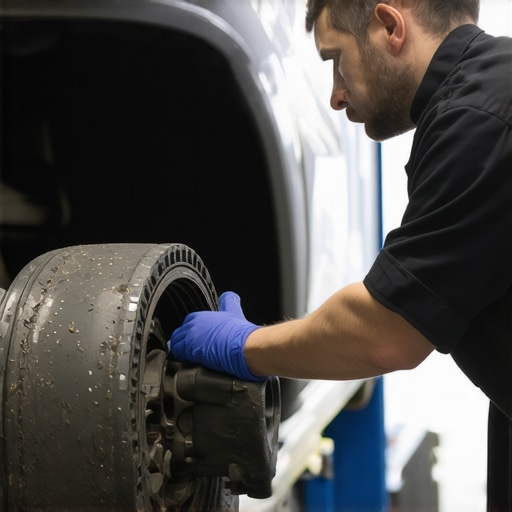 }When it comes to car care, many drivers believe they have a good grasp of basic maintenance, but there’s a catch—most are unaware of subtle pitfalls that can cost them dearly. For instance, it’s a common myth that using cheap or generic parts during a simple brake service will save money, but in reality, it often leads to premature wear and more costly repairs down the line. Choosing quality, manufacturer-approved components ensures durability and safety, so don’t fall into the trap of short-term savings at the expense of long-term performance.
Investing in Quality Tools for Lasting Results
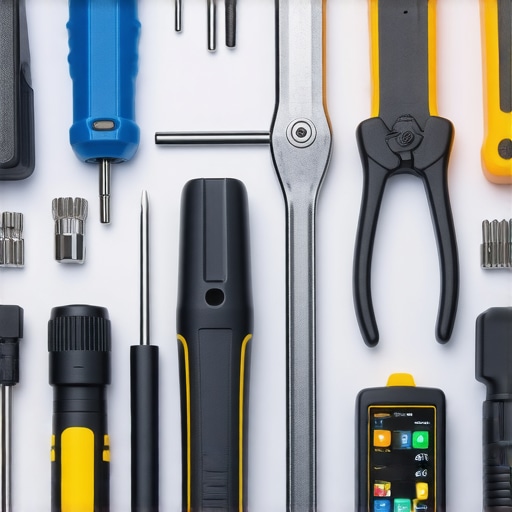
When it comes to auto repair and routine maintenance, having the right tools isn’t just a convenience; it’s a necessity for ensuring durability and safety. Personally, I prioritize high-quality, professional-grade equipment over bargain options because durable tools make the job easier and reduce the risk of error. For example, I swear by a torque wrench like the Snap-On Opti-Drive. Its precise settings ensure that components like wheel lug nuts or brake calipers are tightened to manufacturer specifications, preventing issues like uneven tire wear (see how proper torque affects tire longevity). Use a torque wrench that features a ratcheting mechanism and easy-to-read measurements for consistent results across different repairs.
Diagnostic Tools That Make a Difference
Modern vehicles rely heavily on electronic systems, which makes having an OBD-II scanner an indispensable asset. I personally use the BlueDriver scanner because it’s Bluetooth-enabled, compatible with my smartphone, and offers detailed code descriptions. It helps me quickly identify issues ranging from engine misfires to transmission flares—saving time and preventing minor glitches from turning into costly repairs. As electronic controls become more sophisticated, investing in a reliable scanner ensures you stay ahead of potential issues before they escalate. With features like live data streaming and freeze-frame diagnostics, such tools are increasingly becoming a staple in responsible car ownership.
Using Lubricants and Fluids Wisely
Choosing the right fluids extends beyond just topping off. I’ve learned that synthetic oils, like full-synthetic oils, provide better protection during extreme temperatures and help maintain engine cleanliness over time. Regularly replacing transmission fluid—something I do proactively—prevents sludge buildup and maintains optimal shifting, especially important if your car experiences cold starts. Remember, high-quality lubricants are an investment in your vehicle’s longevity, reducing wear and avoiding major repairs down the road.
Keeping Up with Maintenance Schedules
Long-term performance hinges on consistent maintenance routines. I recommend setting reminders for tasks like tire rotation, brake inspection, coolant flush, and oil changes. For instance, inspecting your wheel bearings before they cause uneven tire wear can save you from dangerous situations; learn how to identify issues early by checking signs of failing ignition coils. Using a comprehensive service log helps track your vehicle’s needs over time, ensuring no component is neglected. Remember, preventive care is always more cost-effective than reactive fixes.
How do I maintain my vehicle’s performance over time?
Regular inspections, quality tools, and timely fluid changes are key. For example, diagnosing a noisy power steering pump early with a simple sound test can prevent complete pump failure. Additionally, consider doing routine inspections of suspension components like shocks and struts, which can wear silently but significantly affect vehicle handling. Incorporating advanced diagnostics, such as OBD-II scans, and using professional-grade tools for tightening bolts and replacing filters ensures your car remains dependable and safe on the road. Remember, proactive care is your best defense against unexpected breakdowns and high repair costs.
If you want to level up your maintenance game, try calibrating your wheel alignment using a simple string measurement technique I recently discovered. It’s a straightforward method but can significantly prolong tire life and improve handling—trust me, it’s worth the effort! Small investments in precise tools and consistent maintenance routines will pay off by keeping your vehicle running smoothly for years to come.
Lessons That Changed My Approach to Cold-Weather Car Care
- Expect the unexpected—what seems like a minor cold start slip can hide underlying issues that could cost hundreds if ignored.
- Consistent maintenance routines and keen inspections reveal problems early, saving money and stress down the line.
- Tools matter—quality diagnostic scanners and proper fluids are game-changers in identifying and solving cold-weather transmission troubles.
- Patience and proactive steps, like warming up the car and checking seals, transform a frustrating cold start into a smooth drive.
- Understanding your vehicle’s specific needs empowers you to take action confidently, rather than relying solely on mechanics or guesswork.
Diving into the Road Ahead with Trusted Resources
If you’re serious about keeping your transmission in top shape, a few trusted tools and sources have made a difference in my journey. High-quality transmission fluid, like the OEM-recommended options, ensures better flow in cold weather; I always consult my vehicle’s manual or trusted online guides for specific fluid types and change intervals. Using a reliable OBD-II scanner, like BlueDriver, helps me catch potential transmission issues early by reading error codes and live data. Additionally, investing in a good set of seals and filters allows me to perform basic maintenance myself, which is both rewarding and cost-efficient. As I continue to learn, these resources serve as my auto care compass, guiding me toward safer, smoother drives.
Take Charge and Keep Moving Forward
Remember, understanding and addressing your transmission’s cold-start quirks isn’t just about avoiding inconvenience; it’s about honoring your vehicle’s health and safety. Every effort—from checking fluid levels to warming up the engine—builds confidence and enhances your driving experience. If you’ve ever felt that hesitation during those chilly mornings, don’t shrug it off—tackle it head-on and enjoy the journey that comes with being a proactive car owner. Your car will thank you with reliable performance, and your future self will thank you for the savings and peace of mind. So, what step will you take today to give your transmission a head start before winter hits full force? Let me know below.