
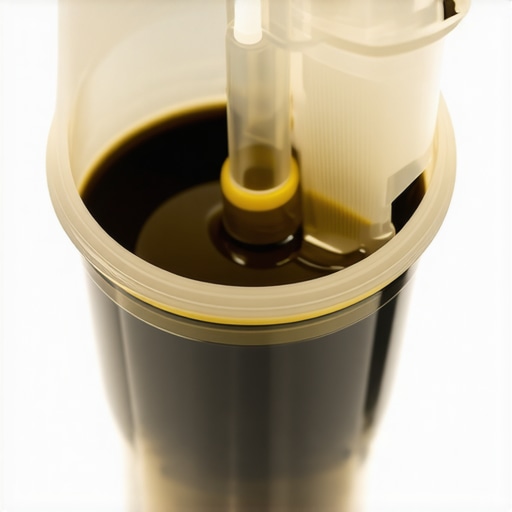
It hit me like a ton of bricks the day I decided to tackle some routine maintenance on my aging car. I reached under the hood, pulled out the brake fluid reservoir, and saw something that made my stomach drop: dark, almost coffee-colored brake fluid staring back at me. I had always assumed that brake fluid was supposed to stay clear or light amber—like the color of golden apple juice. But there it was, dark and murky, whispering that something was off. That moment was a wake-up call, and I realized I wasn’t alone. Many car owners overlook this seemingly minor detail, unaware of its significance until a problem arises.
Understanding why your brake fluid looks dark is crucial for maintaining your vehicle’s safety and performance. If you ignore this sign, you risk brake system failure, which can be incredibly dangerous. Today, I want to share my personal insights and guide you through the essential steps to assess and improve your brake system. We’ll delve into how brake fluid changes color over time, what it indicates about the health of your brakes, and most importantly, what you can do to keep yourself safe on the road.
Recognizing the Warning Signs of Old Brake Fluid
So, why does brake fluid darken? As I discovered early on, brake fluid isn’t just a simple liquid; it’s a complex mixture that absorbs moisture from the air over time. This process leads to corrosion within the brake system components and compromises the fluid’s ability to transfer force effectively. A report from the vehicle maintenance experts at [Glass Fix Auto](https://glassfixauto.com/understanding-brake-system-repairs-a-guide-for-vehicle-owners) indicates that brake fluid should generally be replaced every two years to prevent these issues.
In my case, I didn’t realize that darkening was a sign of internal wear and contamination. If your brake fluid looks dark or cloudy, that’s an early warning that it’s lost its lubricating and hydraulic properties. You might also notice spongy brakes, increased stopping distances, or a soft pedal—signs that your braking system isn’t performing at its best. Neglecting these signs could lead to more costly repairs down the line, or worse, brake failure.
Want to avoid a sudden brake problem during your next drive? Recognizing these early signals can save lives. And if you’re wondering whether it’s worth the effort to check your brake fluid regularly, I can tell you from my experience that the peace of mind is priceless. Want to learn how to preserve your brake system and ensure your safety? Just keep reading, because the solutions are simpler than you think, and I’ll walk you through them step-by-step.
Gather Your Tools and Prepare the Vehicle
Begin by parking your car on a level surface and engaging the parking brake. Gather necessary tools like a clear container, a wrench for your brake caliper or bleeder screw, fresh brake fluid as specified in your vehicle’s manual, and rags or paper towels. Open the hood and locate the brake master cylinder; ensure you have good lighting to see clearly. Doing this preparation is akin to setting up your kitchen before cooking—nothing’s worse than starting and realizing you lack a spatula.
Check and Remove Existing Brake Fluid
Before proceeding, inspect the current brake fluid’s color and level. Using a turkey baster or syringe, carefully extract the old, dark fluid from the master cylinder reservoir and dispose of it responsibly. This step prevents contamination of new fluid and avoids introducing dirt into the system, similar to clearing old oil before refilling a car engine. Remember, old brake fluid can absorb moisture, reducing braking efficiency and risking corrosion—so this step is crucial for safety.
Bleed the Brake Lines to Remove Air
Locate the bleeder screw on each brake caliper or wheel cylinder. Attach a transparent tube to the screw, submerged in a small container with some brake fluid to prevent air ingress. Have an assistant press and release the brake pedal slowly, or do this yourself if comfortable—this pushes old fluid and air out of the system. Keep an eye on the fluid level in the master cylinder; it must stay topped up to prevent introducing more air. Think of this like squeezing a toothpaste tube: you want to push out all the bubbles, not just the paste.
Apply Consistent Pressure and Check for Leaks
Maintain steady pressure on the brake pedal, and open the bleeder screw to allow fluid and trapped air to escape. Close the screw before releasing your foot from the pedal to prevent air from re-entering. This process sometimes leads to spillage; have rags ready. During my first attempt, I accidentally let some brake fluid drip onto my brake rotor, which required cleaning with isopropyl alcohol afterward—demonstrating that attention to detail avoids future headaches.
Refill with Fresh Brake Fluid
After bleeding each wheel in turn, refill the master cylinder reservoir with fresh brake fluid. Use the correct type specified in your manual—mixing types can cause issues, as explained in this guide. Check the level regularly during the process, and ensure the reservoir cap is securely tightened to prevent contamination. It’s like topping off your windshield washer fluid—simple but vital for future clarity.
Test and Verify Brake Performance
After completing the fluid change, pump the brake pedal several times until it feels firm, indicating proper pressure has been restored. Take your vehicle for a short test drive to verify that braking feels responsive and firm. If the pedal feels soft or the brakes squeal, re-bleed the system or seek professional assistance. This step echoes the idea of test-driving a newly tuned motorcycle; feeling how it performs confirms you’ve done the job right.
Regularly inspecting and maintaining your brake fluid not only extends the lifespan of your braking system but also is critical for safety. For more detailed maintenance strategies, visit this resource. Remember, a little effort now can save you significant trouble—and money—down the road.
When it comes to vehicle maintenance, many car owners operate under misconceptions that can lead to costly mistakes. A common belief is that sticking to the basic oil change and tire rotation suffices for a long-lasting, healthy car. However, in my experience, there’s a nuanced layer that often gets ignored: the significance of holistic diagnostics and understanding the intricacies of each component’s behavior over time.
One pervasive myth is that all brake pads wear out uniformly or that replacing them will instantly restore full braking performance. In reality, brake components such as rotors can develop uneven wear patterns or warping that aren’t obvious without a detailed inspection. Relying solely on the perceived thickness of brake pads ignores the hidden damage beneath the surface, which might only be identified through specialized techniques like measuring rotor runout or analyzing braking force distribution.
Similarly, many assume that a standard tune-up only involves replacing spark plugs and filters. In fact, advanced diagnostics can reveal issues like ignition timing discrepancies, sensor malfunctions, or injector inefficiencies—problems that cannot be diagnosed through simple visual checks. Modern vehicles equipped with electronic control modules require understanding complex interactions; overlooking these subtleties can result in prolonged drivability issues or engine damage. For instance, a misfiring spark plug might seem minor but could indicate deeper wiring or coil problems, often missed by routine maintenance.
What Are the Consequences of Assuming Repairs Are One-Size-Fits-All?
Overgeneralizing repair and maintenance procedures can cause you to neglect critical nuances. For example, using the wrong type of brake fluid or neglecting to flush old fluid can lead to corrosion and brake failure, especially if your vehicle’s manual recommends a specific fluid formulation. Studies in automotive reliability suggest that proactive, component-specific maintenance tailored to your car’s make, model, and usage habits significantly extends lifespan and safety. Regularly reviewing these details and consulting expert resources—like this guide on tune-up benefits—can alert you to otherwise overlooked issues.
Be aware that quick fixes or generic solutions might temporarily mask problems but fail over the long term. For instance, attempting to ‘fix’ a misaligned wheel by just adjusting the tires instead of addressing underlying suspension or alignment issues can cause uneven tire wear and reduce vehicle control. This is why paying attention to the nuanced clues your vehicle provides is essential for precise diagnostics and effective repairs.
Finally, I want to emphasize the importance of proactive, evidence-based maintenance. Don’t wait until you notice symptoms like pulling to one side, reduced fuel efficiency, or strange noises. Instead, establish a routine that involves inspecting and understanding the subtleties of your car’s performance. Regular checklists and consulting trusted repair trends, such as this upcoming trend report, can keep you ahead of potential issues, saving money, and enhancing safety.
Have you ever fallen into this trap? Let me know in the comments and share your experiences with overlooked nuances in car maintenance.Maintaining your vehicle over time requires more than just basic knowledge; it demands reliable, precise tools and a strategic approach to ensure longevity and peak performance. When I first committed to keeping my car in top shape, I realized that investing in quality equipment made all the difference. Not only did it streamline my maintenance routines, but it also gave me confidence during complex repairs. For instance, I rely heavily on a digital inspection mirror, which allows me to see crevices and components hidden from direct view, ensuring I don’t overlook critical issues. Additionally, a high-quality torque wrench has become indispensable for tightening bolts to manufacturer specifications, preventing damage from over-tightening and ensuring safety.
How do I maintain my tools and ensure long-term effectiveness?
Proper storage is key: I keep my tools in a dedicated toolbox, which prevents rust and wear. Regular calibration of precision tools like torque wrenches ensures consistent accuracy, vital for tasks like brake service or suspensions work. I also invest in quality cleaning supplies—brushes and sprays that remove grease and debris—so my tools stay in optimal condition. When working on brake systems, I use a brake caliper piston compressor tool, which I chose specifically because of its durability and ease of use, saving me frustration during brake pad replacements. This allows me to reset caliper pistons smoothly, avoiding uneven wear and ensuring reliable braking performance.
Technology and software can elevate your long-term maintenance plan
Today, I incorporate diagnostic software such as OBD-II scanners to monitor real-time engine data. These devices help identify issues early, often before visual symptoms appear, and allow for precise interventions. I prefer model-specific scanners that connect with my smartphone, providing insights into error codes, fuel efficiency, and sensor performance. Looking ahead, the trend points toward more integrated, intelligent systems that alert owners about maintenance needs directly through vehicle dashboards or mobile apps—making proactive care more accessible. Predicting this evolution, I recommend regularly updating your diagnostic tools to stay ahead of emerging vehicle technologies and data protocols.
Tools that every car owner should consider for the future
Aside from diagnostic gadgets, investing in a quality hydraulic jack and stands provides safety and flexibility for wheel and suspension work. For detailed interior diagnostics, a borescope allows inspection of hard-to-reach areas without disassembling major components. As car systems become more sophisticated, handheld ultrasonic testers might soon play a role in detecting leaks or electrical issues efficiently, a trend supported by industry forecasts available at Auto Repair Trends for 2025. I challenge you to try calibrating your torque wrench this week—it’s a small but powerful step toward mastering long-term maintenance. Consistently caring for your tools and understanding how to leverage advanced gear ensures your vehicle remains in optimal condition for years to come.
Lessons That Took Me Unexpectedly Off Guard
- One of the hardest lessons I learned was how easily brake fluid can hide its deterioration beneath a seemingly healthy appearance—just like a good friend who surprises you when least expected.
- I used to think that topping off the brake fluid was enough, but I realized that neglecting regular flushing can silently put your safety at risk, much like ignoring warning signs in a close relationship.
- My most eye-opening moment was discovering that even high-quality brake fluid needs changing—assuming “good” fluid lasts forever is a misconception I had to unlearn through experience and a few costly repairs.
- Trying to save time by delaying brake service never paid off; prioritizing routine maintenance has kept my vehicle reliable, reminding me that quality comes from paying attention to the details others overlook.
Tools and Resources That Changed My Approach
- The digital brake fluid tester from [AutoTech] has become my go-to for quick assessments—trustworthy because it provides real data, not just guesses.
- Consulting the comprehensive guide on [Glass Fix Auto](https://glassfixauto.com/how-regular-tune-ups-improve-fuel-efficiency-and-safety) transformed my understanding of maintenance scheduling, emphasizing personalized care based on your vehicle’s needs.
- Investing in a quality brake caliper piston compressor and a set of precision tools turned simple tasks into confident, controlled procedures—saving money and expanding my knowledge.
- The real game-changer was adopting an OBD-II scanner for early diagnostics; it helped me catch issues before they became emergencies, keeping repairs predictable and less stressful.
Your Drive to Safer Roads Starts Today
Remember, becoming proactive about brake fluid and overall vehicle health isn’t just about preserving your car—it’s about safeguarding your loved ones and everyone on the road. Each small step builds your confidence and keeps you ahead of costly surprises. Don’t wait for warning signs to remind you—take action now, and your future self will thank you. What small maintenance habit has made the biggest difference in your car care journey? Share below, and let’s learn together.