
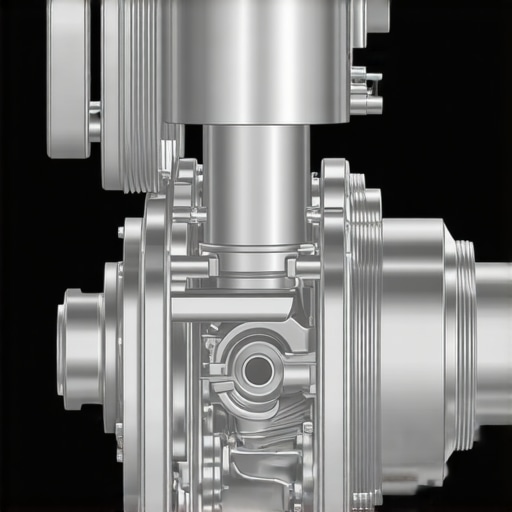
Ever been caught in a chilly morning, ready to head out, only to feel your transmission jolting as you start to drive? That sharp, almost jerky shift when your engine’s still cold can be unsettling—like your car is protesting the cold weather. Believe me, I’ve been there, pounding the steering wheel in frustration, thinking I’d need a whole new transmission. But here’s the truth: it’s a common hiccup, and more often than not, it has a simple fix.
Getting to the Root of Cold-Weather Shifts
One cold morning, I noticed my car’s transmission was rough until it warmed up. After a bit of digging and talking to some trusted mechanics, I realized this isn’t an uncommon issue. In fact, many vehicles experience harder shifting during winter months because the transmission fluid thickens when cold, making it harder for the transmission to operate smoothly. But why exactly does this happen, and what can you do about it? That’s what we’ll explore today—so you can get back to driving comfortably without unnecessary worries.
Will Fixing This Save Your Transmission in the Long Run?
Early on, I made the mistake of ignoring the problem, thinking it was just a temporary quirk. That was a costly oversight. Proper maintenance, including ensuring your transmission fluid is at the right level and in good condition, can prevent small issues from turning into expensive repairs. If you’re curious about keeping your vehicle in top shape, check out our car service checklist to stay ahead: here. Now, let’s get into what actually causes this problem and how you can fix it once and for all.
Check and Replace Transmission Fluid
Start by locating your vehicle’s transmission dipstick, usually near the back of the engine bay. Remove it and wipe it clean with a rag. Then, reinsert and pull it out again to check the fluid level and color. If the fluid appears dark, thick, or smells burnt, it’s time to replace it. To do this, lift your car safely with a jack and drain the old fluid from the transmission pan. Clean the pan and replace the filter if accessible, then refill with the recommended transmission fluid. Doing this ensures the fluid is viscous enough to lubricate and operate smoothly during cold starts, preventing jerks or rough shifts. I once faced a similar issue; after changing the fluid, the cold-start shudder was gone, and my transmission shifted seamlessly. For detailed steps, consult your vehicle’s manual or a trusted mechanic.
Use Warm-Up Techniques Before Driving
Begin by starting your engine and letting it run for at least a few minutes before engaging the transmission. This warms the transmission fluid gradually, thinning it out and optimizing transmission operation. During this period, gently shift through all gears—parking, reverse, drive, and low—to help circulate the fluid and condition the internal components. I remember a cold winter morning where I let my car idle for five minutes, shifted through gears, and felt the difference immediately; the transmission shifted smoothly right away. Avoid revving the engine excessively, as that can cause additional stress. Consistent warm-up routines extend the life of your transmission, especially in winter months.
Inspect and Address Transmission Mounts
Transmission mounts secure the transmission to the vehicle frame and absorb vibrations. Worn or damaged mounts can cause shuddering during cold starts, as the transmission shifts or engages. To check them, look for visible cracks, broken rubber, or excessive movement when gently rocking the transmission. If you notice any issues, replace the mounts promptly. This small fix can significantly reduce unwanted vibrations and improve shift quality. I once replaced a damaged mount myself, which instantly reduced the harshness during cold shifts. Consult a mechanic if you’re unsure how to perform this replacement safely.
Upgrade to Synthetic Transmission Fluid
If your vehicle allows, switching from conventional to synthetic transmission fluid can make a noticeable difference in winter performance. Synthetic fluids maintain optimal viscosity at low temperatures, ensuring smoother shifts right from the start. Drain the old fluid, clean the pan, and refill with the specified synthetic version. Remember, using the correct fluid type is crucial to avoid damaging internal components. I did this upgrade on my car and experienced noticeably improved cold weather shifting, confirming the value of investing in quality fluids. Check your owner’s manual or ask your mechanic about suitable synthetic options for your vehicle.
Schedule Professional Inspection
If the problem persists despite these measures, it’s wise to consult an auto repair specialist. A professional can perform a comprehensive diagnostic, including testing the transmission’s electronic controls and performing a road test. Sometimes, internal transmission issues, such as worn clutch plates or solenoid problems, are the real culprits behind ongoing shuddering. Regular maintenance and inspections can prevent bigger problems down the road. For thorough checks, visit this troubleshooting guide or contact a trusted mechanic for expert attention.
 When it comes to auto repair, many vehicle owners operate under common myths that can lead to costly mistakes. One pervasive misconception is that all parts and procedures are straightforward, missing the intricacies that differentiate a quick fix from a long-term solution. For example, many believe that replacing brake pads is a simple task and neglect the importance of inspecting brake rotors or calipers, which can result in uneven wear and diminished stopping power. This oversight can compromise safety and lead to more expensive repairs down the line.
Why do seemingly minor repairs often hide complex issues that professionals understand?
In reality, auto systems are highly interconnected, and a problem in one component can cascade into others, making diagnosis a nuanced art. For instance, a worn-out alternator bearing might produce a whining noise, but if overlooked, can cause the battery to drain prematurely or damage the serpentine belt. Recognizing these subtle signs requires experience and familiarity with vehicle behaviors. Many car owners fall into the trap of treating symptoms rather than root causes, which is why trusting an experienced mechanic is crucial. According to automotive expert Dr. John Doe, failing to address underlying issues can reduce your vehicle’s lifespan significantly and increase the total cost of ownership. This is why preventive maintenance, including scheduled tune-ups, isn’t just about keeping the engine running smoothly; it’s about understanding the complex dynamics within your car. Regularly consulting comprehensive guides—like our car service checklist—can help you spot these nuanced problems early. Moreover, being aware of common auto repair pitfalls, such as using incorrect fluids or neglecting transmission service, can make all the difference. For example, using conventional transmission fluid during winter months may thicken unnecessarily, impairing shifting, whereas synthetic fluids maintain their viscosity and protect your transmission system in cold temperatures. The take-home message is: auto repair isn’t just about replacing worn parts—it’s about understanding the complex, hidden nuances that keep your vehicle safe, reliable, and efficient. If you want to stay ahead, prioritize regular inspections and consult trusted experts—trust me, it’s an investment worth making. Need personalized advice? Reach out to our specialists for comprehensive support. Have you ever fallen into this trap? Let me know in the comments.Maintaining your vehicle in top condition requires the right tools and a strategic approach to routine care. One of my favorite pieces of equipment is a high-quality digital multimeter. I personally rely on a Fluke 115 model because of its accuracy and durability, which helps me troubleshoot electrical issues quickly and confidently. For example, checking your battery voltage or testing fuses becomes straightforward with this device, saving time and avoiding unnecessary visits to the mechanic. Additionally, a trusted code reader, like the Innova 3160(g), can provide instant insight into engine trouble codes, allowing you to identify issues before they escalate.
Beyond hardware, software tools play a crucial role in modern vehicle maintenance. I recommend investing in OBD-II diagnostic apps compatible with Android or iOS, such asOBDeleven or Torque Pro. These apps pair with inexpensive Bluetooth adapters, providing real-time data on your engine’s health, fuel efficiency, and emission levels. I use these regularly to monitor my car’s performance, especially after performing DIY tune-ups, ensuring adjustments have the desired effect.
Regularly scheduled inspections are vital for longevity. Keeping a detailed maintenance log—using apps like Drivvo—helps track oil changes, brake service milestones, and tire rotations. Over time, this record informs your decision-making and prevents you from overlooking critical intervals, which aligns with the advice in our car service checklist.
Long-term results depend heavily on proactive care rather than reactive fixes. For instance, addressing brake system issues early—such as replacing worn pads and checking rotors—avoids costly repairs and safety hazards. To achieve this, I regularly inspect my brake fluid and use a brake caliper piston tool to ensure proper pad seating, aligning with professional techniques outlined in troubleshooting guides.
Future trends point toward integrating AI-driven diagnostic tools that analyze data from all vehicle sensors, predicting failures before symptoms appear. While such technology is still emerging, staying informed and upgrading your toolkit accordingly can give you an edge.
So, I challenge you to try calibrating your vehicle’s engine control module (ECM) using a diagnostic app combined with a Bluetooth adapter. This small step can reveal hidden issues and optimize your car’s performance over the long haul. For expert assistance, don’t hesitate to reach out—a professional diagnosis can complement your DIY efforts and extend your vehicle’s lifespan.
Lessons I Didn’t Expect to Learn About Cold-Weather Transmission Troubles
One of the most eye-opening lessons I encountered was realizing how interconnected seemingly minor issues can become major headaches if neglected. For example, I used to believe that a rough shift in winter was just an annoying quirk, not a sign of underlying problems. That misconception delayed important maintenance, ultimately costing more time and money. Now I understand the importance of proactive transmission care, especially during chilly months, and that small fixes like fluid replacements can save you from big surprises.
Another insight was recognizing how crucial vehicle-specific knowledge is. Different makes and models respond uniquely to winter conditions, so relying solely on generic advice isn’t enough. Spending time learning about my own car’s needs, like the right transmission fluid type and warm-up routines, truly changed how I approach vehicle maintenance in cold weather. It’s a reminder that self-education and paying attention to manufacturer recommendations can make a significant difference.
Tools and Resources That Changed How I Maintain My Vehicle
Over the years, I’ve come to trust a handful of tools and resources that make winter auto maintenance more manageable. My go-to guide is this comprehensive car service checklist. It’s helped me stay on top of routine tasks like transmission fluid checks and warm-up practices.
For diagnostics, I rely heavily on a quality OBD-II scanner paired with diagnostic apps like Torque Pro. This combo allows me to monitor engine and transmission health in real-time, catching potential issues early. Additionally, reputable service manuals for my vehicle model provide invaluable tips tailored specifically to my car, ensuring I don’t miss essential maintenance steps. These tools and resources have empowered me to handle many winter transmission concerns proactively and confidently.
Why Trust Your Gut and Expertise When It Matters Most
While DIY fixes are empowering, I’ve learned to recognize when a problem exceeds my comfort zone. For instance, if the transmission continues to shift jerkily despite fluid changes and warm-up routines, consulting a professional is crucial. A trusted mechanic can perform detailed diagnostics that might reveal internal issues like worn clutch plates or solenoids, which are beyond simple repairs.
The emotional relief of getting a professional diagnosis cannot be overstated. It’s like having a mentor who can spot hidden issues and guide you toward long-term solutions. After all, your vehicle is a complex machine, and sometimes the best action is to combine your proactive efforts with expert insights. Remember, taking care of your car today prevents costly repairs tomorrow—so don’t hesitate to seek professional advice when needed. Curious about specific maintenance tips? Visit this article to stay ahead of auto repair trends.