
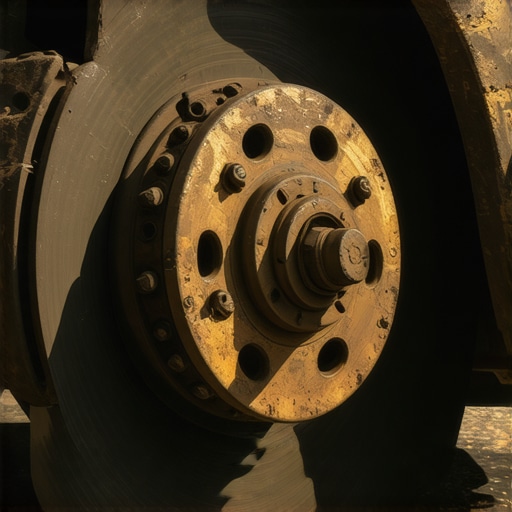
Ever had that sudden jolt of panic when you step on the brake pedal first thing in the morning, and instead of a smooth stop, you’re met with a terrible grinding noise? I remember the first time it happened to me—heart pounding, thinking I was going to need an entirely new braking system. Turns out, it’s a surprisingly common problem, and it can be both annoying and dangerous. That frustrating screech not only disrupts your peaceful start to the day but could also hint at underlying issues that might worsen if ignored.
Why Your Brakes Grind the First Time in the Morning
From my experience, one main culprit is moisture building up overnight on your brake components. When you park your car outside or even in a chilly garage, humidity can cause rust to form on the brake rotors. Over time, this thin layer of rust becomes a tough, gritty surface that causes your brake pads to make that awful grinding sound when you first start driving and apply pressure. Luckily, this is usually a temporary problem that clears up after a few stops, as the rust is worn away by the brake pads.
But here’s the thing—if that grinding persists or worsens, it might mean more serious issues like worn-out brake pads, stuck calipers or even contaminated brake discs. These problems can compromise your stopping power and safety. Early in my repair journey, I made the mistake of dismissing the noise, thinking it was just dirt or rust that would wear away soon. Unfortunately, that oversight sometimes led to more costly repairs down the line. To avoid that, it’s crucial to understand why your brakes act up and how to tell when it needs professional attention.
If you’ve ever wondered whether the grinding is just a morning quirk or a sign of something worse, don’t worry—I’ll walk you through the key signs to watch for and how regular maintenance can prevent this pesky issue. And if you’re eager to prevent larger problems, check out my comprehensive car service checklist for tips on keeping your vehicle in top shape.
Have you faced this morning brake grind yourself? Keep reading, because the solution might be simpler than you think, and I’ll help you pinpoint exactly what’s going on before it turns into an expensive repair.
Start with a Visual Inspection of Your Brake Components
When I first noticed my brakes grinding every morning, I decided to check under my car. Using a flashlight, I looked at the rotors and pads for rust, debris, or uneven wear. If rust is present, a quick drive usually wears it off, but if there’s uneven pad thickness or visible damage, it’s time for detailed diagnostics. Regular inspection can prevent minor rust from becoming a major issue, and you can learn more about common auto problems at this troubleshooting guide.
Clean and Remove Surface Rust
If rust is minimal, remove it with a brake cleaner spray and a wire brush. This process is akin to scraping paint off a rusty bike part—simple but effective. After cleaning, test drive your car to see if the grinding persists. I’ve personally done this on weekends, and it often restores quiet braking for a few weeks, saving a trip to the shop. Remember, routine maintenance like cleaning brake parts is covered in tune-up tips.
Assess Brake Pad Thickness and Replace if Necessary
Worn brake pads are a common culprit. Use a flashlight and a mirror to see the pad thickness through the wheel spokes. If the pad material is less than 1/4 inch thick, it’s time to replace them. In my experience, replacing worn pads cleaned up the grinding noise immediately. Invest in quality pads to avoid frequent replacements; cheap pads tend to wear faster and cause more noise, as explained in this article.
Check Brake Calipers for Sticking or Seizure
Stuck calipers can cause uneven brake pad wear and grinding. To assess this, check if the calipers move freely when you press the brake pedal—rehousing or replacing stuck calipers is like fixing a stubborn door hinge. I had an accident where a caliper stuck overnight, and the morning drive was noisy. Lubricating caliper slides or replacing faulty calipers restored smooth braking. For complex caliper issues, consider professional service, and learn about brake system repairs at auto repair trends.
Inspect Rotors for Warping and Damage
Rotors can warp from heat or rust, causing uneven contact and grinding noise. Run your hand carefully along the rotor surface—discoloration and grooves indicate a need for resurfacing or replacement. I once tried to save costs by skipping rotor replacement, but the shaking and noise persisted; turning or replacing rotors was the final fix. Resurfacing rotors is like sanding a guitar string—smooth surface equals quieter brakes. If rotors are heavily scored or warped, replacing them with high-quality components is recommended, as discussed in brake system repair guide.
Adjust Brake Pedal and Fluid Levels
Sometimes, simple adjustments can make a difference. Bleed the brake system to remove air bubbles and ensure firm pedal feel. Make sure brake fluid is at the recommended level; old fluid can absorb moisture, leading to corrosion and poor braking. I learned this after a fluid flush improved pedal feel and eliminated grinding noise. Keep in mind, regular brake fluid replacement is vital; more info is available at brake fluid maintenance.
Schedule Professional Inspection if Issues Persist
If after these steps the noise continues or worsens, it’s time to consult a mechanic. Persistent grinding indicates deeper problems like embedded debris, damaged rotors, or calipers requiring specialized tools. When I faced persistent issues, a professional diagnosis saved me from replacing unnecessary parts and ensured my brakes functioned safely. Regular tune-ups and inspections, detailed at tune-up benefits, are key to preventing such surprises.
Many car owners operate under common misconceptions about auto repair and maintenance, believing shortcuts or outdated myths will save money or time. One widespread misunderstanding is the idea that all repairs, especially brake service or tune-ups, are the same regardless of vehicle age or condition. In reality, each car demands a nuanced approach tailored to its history and current state, and knowing this can prevent costly mistakes. For instance, some assume that replacing brake pads is always enough to resolve grinding noises, but overlooking underlying issues like caliper seizing or rotor warping can lead to repeated problems. Additionally, there’s a myth that regular tune-ups are only necessary for old, high-mileage vehicles—nothing could be further from the truth. Modern engines, even those relatively new, benefit significantly from periodic tuning to optimize performance and fuel efficiency. Skipping these steps might seem harmless but can cause gradual degradation that’s less obvious until costly repairs emerge. Furthermore, many drivers underestimate the importance of detailed diagnostics before heading to the shop. Relying solely on symptom-based repairs without understanding the root cause often results in wasted money and time. This approach ignores the vicious cycle of minor issues compound into major failures when left unaddressed. As an expert, I emphasize that proper auto maintenance combines preventive care with a thorough understanding of your vehicle’s specific needs—something that generalized advice can’t cover. For example, advanced diagnostic techniques can identify subtle sensor failures or fluid leaks that might go unnoticed on casual inspections. Don’t rely solely on anecdotal fixes or cheap parts; investing in quality replacements and professional diagnostics ensures your vehicle remains safe and efficient long-term. Read more about common auto repair misconceptions and how to avoid falling into traps at [this troubleshooting guide](https://glassfixauto.com/troubleshooting-common-auto-repair-issues-before-visiting-the-shop). Prioritize regular inspections and proactive maintenance by reviewing your vehicle’s service schedule, which is tailored to your car’s model and usage. For tailored advice on maintaining peak performance, explore [this car service checklist](https://glassfixauto.com/car-service-checklist-how-to-keep-your-vehicle-in-top-shape).,
Prioritize Quality Diagnostic Tools for Reliable Repairs
Investing in professional-grade diagnostic equipment has revolutionized my auto repair approach. A high-quality OBD-II scanner, like the Autel MaxiCOM, allows me to quickly identify underlying issues that cause symptoms such as brake grinding or engine stalling. This tool’s ability to read manufacturer-specific codes brings precision that generic scanners simply can’t match, saving time and preventing unnecessary part replacements. According to automotive diagnostic master AutoShopOwner.com, diagnostic accuracy directly correlates with repair longevity and customer satisfaction. Regularly updating your scanner’s firmware ensures compatibility with latest vehicle models, which is crucial for future-proofing your maintenance routine.
Embrace Software for Preventive Maintenance Planning
Beyond hardware, software tools like CarFax’s Vehicle Maintenance Records or OEM-specific apps help me keep track of service schedules tailored to each vehicle’s history. For instance, setting alerts for brake fluid flushes or timing belt replacements prevents neglect that could lead to costly repairs down the line. I personally use an Excel-based tracking system that I customize with reminders aligned with my car’s specific needs, ensuring no service falls through the cracks. The future points toward AI-driven maintenance forecasting, which can analyze driving patterns and mechanical data for predictive care, as discussed in Automotive IQ.
Maintain Your Equipment with Routine Calibration and Cleaning
To ensure consistent results, I regularly calibrate my diagnostic tools and clean sensors and connections. A well-maintained scanner provides accurate readings, extending its lifespan and reliability. Similarly, keeping wheel alignment tools and brake caliper pistons clean avoids false diagnostics and ensures your repairs last longer. Implementing a preventive maintenance schedule for your tools—like cleaning sensors every six months—can dramatically improve your diagnostic accuracy over the years. Think of your tools as extensions of your expertise; neglecting their upkeep undermines the quality of maintenance you can deliver.
Anticipate Trends and Upgrades for Future-Proofing
Keeping pace with evolving automotive technology is essential. As I stay informed through industry reports like auto repair trends for 2025, I prepare for the integration of electric and hybrid systems into my toolkit. Investing in specialized equipment like battery management analyzers and electric motor testers will be the norm in the coming years. By proactively upgrading my gear and skills, I can offer comprehensive, future-proof maintenance that keeps vehicles running smoothly for their full lifespan.
How do I maintain my tools and methods over time?
Consistent calibration, regular cleaning, and staying informed through industry updates are key. Building relationships with suppliers for prompt access to the latest diagnostic software rights ensures your tools remain effective. Moreover, dedicating time weekly to review new repair techniques or technological advancements helps me adapt my approach, ultimately extending vehicle longevity and safety. Remember, your tools are only as good as the care you put into maintaining them. For more on effective maintenance strategies, check out how to maximize your car’s lifespan.
The Hardest Lesson I Learned About auto repair,brake service,car service,tune up
One of the biggest surprises I encountered was how a simple rust layer could disguise a serious safety issue. I once ignored the morning grind, thinking it was just surface rust, only to find out later that my brake calipers were seizing, risking a dangerous situation. That lightbulb moment taught me to never underestimate the importance of early inspections and the value of paying close attention to any unusual noises, especially when they occur consistently at specific times.
3 Myths About auto repair,brake service,car service,tune up That Held Me Back
For years, I believed that replacing brake pads was enough to fix grinding noises, but I learned that stubborn caliper issues or warped rotors often hide beneath the surface. Additionally, I used to think regular tune-ups were only essential for older cars—turns out, even modern engines benefit from routine maintenance to prevent problems like morning brake squeals. Breaking these misconceptions helped me avoid costly repairs and gave me more confidence in maintaining my vehicle proactively.
What Experts Won’t Tell You About auto repair,brake service,car service,tune up
Many professionals have shared that attention to detail during inspections saves lives; for example, a basic visual check of rotors and pads can reveal rust buildup or uneven wear before issues escalate. Experts also emphasize the importance of high-quality diagnostic tools to detect hidden caliper stickiness or warped rotors that aren’t immediately visible. Learning from industry insiders has shown me that investing in your vehicle’s health through thorough diagnostics and regular maintenance is the key to safe driving and longevity.
Curated Recommendations for Auto Maintenance Success
My Essential Toolkit for auto repair includes a reliable OBD-II scanner, like the Autel MaxiCOM, which has transformed my diagnostic accuracy. I trust it because it provides manufacturer-specific codes, helping me pinpoint issues without guesswork. Books that Changed How I View auto repair include ‘Auto Repair for Dummies,’ which simplified complex mechanics and instilled confidence in my DIY efforts. Where to Go from Here? Regularly updated online resources such as troubleshooting guides offer invaluable tips that complement hands-on experience, making auto maintenance more approachable and effective.
Your Turn to Try
Now that you’ve gained insights into the subtle cues and proper maintenance routines, it’s your move. Regular inspections and mindfulness about any noises can save you money and keep you safe on the road. Remember, a well-maintained vehicle not only performs better but also provides peace of mind for you and your loved ones. Don’t hesitate to explore further and implement these tips today—your car will thank you.